Carbohydrates & Glycobiology

Carbohydrates for glycobiology research range from sugars and sugar alcohols to amino sugars and polysaccharides. Sugar alcohols such as D-Sorbitol and maltitol are used as osmotic agents, stabilizers and enzyme substrates. Among the sugars, lactulose is a synthetic disaccharide built from galactose and fructose. Glucosamine and its salts represent the amino sugars, which are building blocks of glycosaminoglycans and chitin. Polysaccharides include hyaluronic acid, a glycosaminoglycan of the extracellular matrix, and chitosan, the deacetylated form of chitin. Protected sugars such as D-Xylofuranose, 1,2,3,5-tetraacetate serve as starting materials for nucleoside synthesis. The category belongs to Biochemical Assay Reagents, next to Acyl-CoA & Cofactors and Chelators & Bifunctional Chelators.

Items 501-525 of 1090

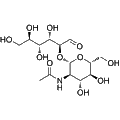
  • 2-O-[2-(Acetylamino)-2-deoxy-β-D-glucopyranosyl]-D-mannose
    Cat. No.
    A90716

    2-O-[2-(Acetylamino)-2-deoxy-β-D-glucopyranosyl]-D-mannose

    2-O-[2-(Acetylamino)-2-deoxy-β-D-glucopyranosyl]-D-mannose is a biochemical assay reagent primarily used to investigate glycosylation processes. This compound serves as a substrate for glycosyltransferases and can aid in the study of carbohydrate-binding proteins. Its chemical structure allows for effective interactions within biochemical assays, making it a valuable tool for researchers exploring carbohydrate biochemistry.

    Out of stock

    All 3 sizes
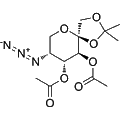
  • 5-Azido-5-deoxy-3,4-di-O-acetyl-1,2-O-isopropylidene-β-D-fructose
    Cat. No.
    A90720

    5-Azido-5-deoxy-3,4-di-O-acetyl-1,2-O-isopropylidene-β-D-fructose

    5-Azido-5-deoxy-3,4-di-O-acetyl-1,2-O-isopropylidene-β-D-fructose is a specialized reagent employed in glycobiology research. It serves as a tool for investigating the structural and functional aspects of carbohydrates, facilitating studies on glycan synthesis, enzymatic processes, and protein-glycan interactions. This compound plays a critical role in advancing our understanding of the biological significance of glycans in various biological systems, with applications in basic research, biomedicine, and biotechnology.

    Out of stock

    All 3 sizes
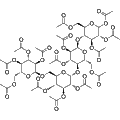
  • 6-α-D-Glucopyranosylmaltotriose tetradecaacetate
    Cat. No.
    A90729

    6-α-D-Glucopyranosylmaltotriose tetradecaacetate

    6-α-D-Glucopyranosylmaltotriose tetradecaacetate is a biochemical reagent utilized in glycobiology research, focusing on the structure and synthesis of carbohydrates. This compound serves as a substrate in the study of glycan formation, degradation, and the interaction between proteins and glycans. Applications include advancing understanding of glycan functions in biological systems, which has implications in basic research, biomedicine, and biotechnology.

    5 mg
    $205.00
    10 mg
    $325.00
    All 3 sizes
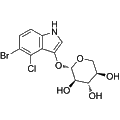
  • 5-Bromo-4-chloro-1H-indol-3-yl β-D-xylopyranoside
    Cat. No.
    A90735

    5-Bromo-4-chloro-1H-indol-3-yl β-D-xylopyranoside

    5-Bromo-4-chloro-1H-indol-3-yl β-D-xylopyranoside is a biochemical assay reagent that serves as a substrate for glycosyltransferases. This compound is instrumental in glycobiology research, facilitating the study of glycoprotein synthesis and metabolic pathways. Its structural features make it a valuable tool for exploring carbohydrate-binding interactions and enzyme specificity in various biological systems.

    Out of stock

    All 3 sizes
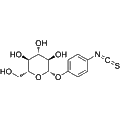
  • 4-Isothiocyanatophenyl β-D-glucopyranoside
    Cat. No.
    A90736

    4-Isothiocyanatophenyl β-D-glucopyranoside

    4-Isothiocyanatophenyl β-D-glucopyranoside is a biochemical reagent used primarily in glycobiology research, targeting glycan interactions and functions. It plays a crucial role in the study of carbohydrate chemistry, enzymatic processes of glycan synthesis and degradation, and protein-glycan recognition mechanisms. This compound is valuable for investigating the biological roles of glycans in various physiological contexts and holds potential applications in basic research, biomedicine, and biotechnology.

    5 mg
    $55.00
    10 mg
    $90.00
    All 2 sizes
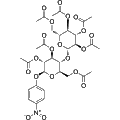
  • p-Nitrophenyl β-D-cellobioside heptacetate
    Cat. No.
    A90740

    p-Nitrophenyl β-D-cellobioside heptacetate

    p-Nitrophenyl β-D-cellobioside heptacetate is a biochemical reagent primarily utilized in glycobiology research. This compound serves as a substrate for glycosidase enzymes, facilitating the study of enzyme kinetics and mechanisms involved in glycan metabolism. It is valuable for investigating carbohydrate structure, synthesis, and the biological roles of glycan interactions in various biological systems, making it essential for advancements in biomedicine and biotechnology.

    Out of stock

    All 3 sizes
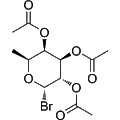
  • α-L-Galactopyranosyl bromide,6-deoxy,2,3,4-triacetate
    Cat. No.
    A90750

    α-L-Galactopyranosyl bromide,6-deoxy,2,3,4-triacetate

    Synonyms: Acetobromofucose

    α-L-Galactopyranosyl bromide, 6-deoxy, 2,3,4-triacetate, also known as Acetobromofucose, serves as a critical biochemical reagent in glycobiology studies. This compound targets glycans and facilitates research into their structure, synthesis, and functional roles in biological systems. Applications include investigations into carbohydrate chemistry, enzymatic pathways involved in glycan metabolism, and protein-glycan interactions, making it essential for advancements in biomedicine and biotechnology.

    Out of stock

    All 3 sizes
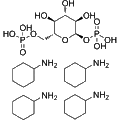
  • α-D-Glucose 1,6-bisphosphate cyclohexanamine
    Cat. No.
    A90751

    α-D-Glucose 1,6-bisphosphate cyclohexanamine

    α-D-Glucose 1,6-bisphosphate cyclohexanamine is a biochemical reagent primarily utilized in glycobiology research. This compound plays a significant role in studying the structure, synthesis, and biological interactions of carbohydrates, including glycan formation and degradation. Its applications extend to protein-glycan recognition and the exploration of glycans' functions in various biological systems, making it valuable for investigations in basic research, biomedicine, and biotechnology.

    Out of stock

    All 3 sizes
  • α-D-Galactopyranoside,4-nitrophenyl,2,3,4,6-tetraacetate
    Cat. No.
    A90752

    α-D-Galactopyranoside,4-nitrophenyl,2,3,4,6-tetraacetate

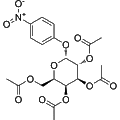
    α-D-Galactopyranoside, 4-nitrophenyl, 2,3,4,6-tetraacetate is a biochemical assay reagent primarily utilized for the detection and quantification of galactosidase activity. This substrate is hydrolyzed by galactosidase enzymes, producing a measurable chromogenic product, 4-nitrophenol, which facilitates kinetic and endpoint assays. It serves as a valuable tool in enzyme studies, cellular assays, and carbohydrate metabolism research, providing insights into enzyme kinetics and substrate specificity.

    100 mg
    $260.00
    1 g
    $1,965.00
    All 2 sizes
  • 4-Nitrophenyl 2-benzoyl-4,6-O-benzylidene-α-D-mannopyranoside
    Cat. No.
    A90767

    4-Nitrophenyl 2-benzoyl-4,6-O-benzylidene-α-D-mannopyranoside

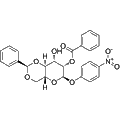
    4-Nitrophenyl 2-benzoyl-4,6-O-benzylidene-α-D-mannopyranoside functions as a biochemical reagent in glycobiology, specifically targeting glycan structures. This compound facilitates the study of carbohydrate chemistry, glycan synthesis, enzymatic processes, and protein-glycan interactions. Its applications extend to fundamental research, biomedicine, and the development of biotechnological innovations related to glycans in biological systems.

    Out of stock

    All 3 sizes
  • Methyl 4-deoxy-4-fluoro-α-D-glucose
    Cat. No.
    A90770

    Methyl 4-deoxy-4-fluoro-α-D-glucose

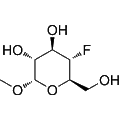
    Methyl 4-deoxy-4-fluoro-α-D-glucose is a biochemical reagent targeting the study of glycobiology. It is utilized to investigate the structure, synthesis, and biological roles of carbohydrates, enhancing the understanding of glycan formation, degradation, and protein-glycan interactions. This compound is essential for research applications in carbohydrate chemistry, enzymology, and elucidating the significance of glycans in various biological systems.

    5 mg
    $155.00
    25 mg
    $355.00
    All 3 sizes
  • 2-Naphthyl-β-D-galactopyranoside hydrate
    Cat. No.
    A90775

    2-Naphthyl-β-D-galactopyranoside hydrate

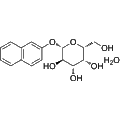
    2-Naphthyl-β-D-galactopyranoside hydrate is a biochemical reagent targeting enzymatic glycosylation pathways, specifically as a substrate for β-galactosidase. This compound facilitates the study of glycan structure and function, making it valuable in glycobiology research. It is used to investigate the roles of carbohydrates in biological processes, including protein-glycan interactions, glycan synthesis, and degradation. Researchers employ this reagent in various applications, from fundamental studies to biotechnological advancements in glycosylation-related fields.

    Out of stock

    All 3 sizes
  • D-Glucuronic acid,methyl ester,2,3,4-tribenzoate
    Cat. No.
    A90776

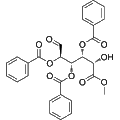
    D-Glucuronic acid,methyl ester,2,3,4-tribenzoate

    D-Glucuronic acid, methyl ester, 2,3,4-tribenzoate is a biochemical reagent utilized in glycobiology research. This compound plays a role in studying the structure and synthesis of carbohydrates, as well as the enzymatic processes involved in glycan formation and degradation. It is essential for understanding protein-glycan interactions and the biological significance of glycans, contributing to advancements in basic research, biomedicine, and biotechnology.

    25 mg
    $90.00
    50 mg
    $130.00
    All 4 sizes
  • β-D-Ribofuranoside,methyl,tris(4-chlorobenzoate)
    Cat. No.
    A90785

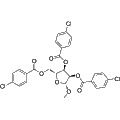
    β-D-Ribofuranoside,methyl,tris(4-chlorobenzoate)

    β-D-Ribofuranoside, methyl, tris(4-chlorobenzoate) is a biochemical reagent utilized in glycobiology research, specifically targeting the structure and function of carbohydrates. It facilitates the study of glycan formation and degradation, enzyme activity, and protein-glycan interactions. This compound plays a significant role in elucidating the complexities of glycan biology and is applicable in various fields, including basic research, biomedicine, and biotechnology.

    100 mg
    $95.00
    500 mg
    $150.00
    All 4 sizes
  • Phenyl α-D-galactopyranoside
    Cat. No.
    A90786

    Phenyl α-D-galactopyranoside

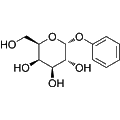
    Phenyl α-D-galactopyranoside is a biochemical assay reagent that serves as a substrate for galactosidases. This compound exhibits specific biological activity, facilitating the study of enzymatic activity in various biochemical assays. It is commonly used in research applications focused on carbohydrate metabolism and enzyme kinetics.

    Out of stock

    All 3 sizes
  • 1,2,3-Tri-O-benzoyl-4,6-dideoxy-4-iodo-α-L-glucopyranose
    Cat. No.
    A90794

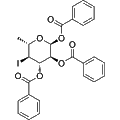
    1,2,3-Tri-O-benzoyl-4,6-dideoxy-4-iodo-α-L-glucopyranose

    1,2,3-Tri-O-benzoyl-4,6-dideoxy-4-iodo-α-L-glucopyranose is a biochemical reagent targeting carbohydrate synthesis and modification pathways in glycobiology. This compound serves as an important tool for studying glycan structures, their biosynthetic mechanisms, and the interactions between glycans and proteins. Applications include exploring the roles of glycan modifications in biological processes, advancing knowledge in basic research, biomedicine, and biotechnology.

    Out of stock

    All 3 sizes
  • Ganglioside GM2, Asialo
    Cat. No.
    A90799

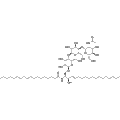
    Ganglioside GM2, Asialo

    Synonyms: Gangliotriosylceramide

    Ganglioside GM2, Asialo is a glycosphingolipid that lacks a sialic acid residue, distinguishing it from ganglioside M2. It primarily serves as a biochemical assay reagent and is relevant in the study of neurodegenerative diseases such as Tay-Sachs and Sandhoff disease, which are characterized by lysosomal hexosaminidase A and B deficiencies. Asialo-GM2 is also known to interact with various bacteria, notably Pseudomonas, which can be isolated from cystic fibrosis patients. This product consists of a mixture of asialo-GM2 molecular species featuring fatty acyl chains of variable length, facilitating diverse research applications.

    0.1 mg
    $1,440.00
    All 1 sizes
  • β-D-Glucopyranoside,phenylmethyl,2,3,4,6-tetraacetate
    Cat. No.
    A90806

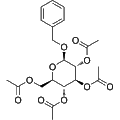
    β-D-Glucopyranoside,phenylmethyl,2,3,4,6-tetraacetate

    β-D-Glucopyranoside, phenylmethyl, 2,3,4,6-tetraacetate is a glycobiology reagent that facilitates the study of glycan structures and their biological functions. This compound acts as a glucose-derived substrate in enzymatic reactions, aiding in the understanding of carbohydrate metabolism and glycan recognition processes. Its applications extend to fundamental research in biomedicine and biotechnology, providing insights into the roles of carbohydrates in cellular interactions and signaling pathways.

    100 mg
    $60.00
    250 mg
    $110.00
    All 3 sizes
  • 1,2,3,4,6-Penta-O-pivaloyl-D-mannopyranose
    Cat. No.
    A90807

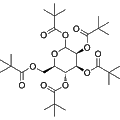
    1,2,3,4,6-Penta-O-pivaloyl-D-mannopyranose

    1,2,3,4,6-Penta-O-pivaloyl-D-mannopyranose is a biochemical assay reagent that serves as a versatile building block in carbohydrate chemistry. This compound facilitates the synthesis of various glycosides and oligosaccharides, making it valuable for studies in glycoprotein development and carbohydrate-based therapeutics. Its applications extend to investigative research in enzymatic activity and carbohydrate recognition processes.

    Out of stock

    All 3 sizes
  • Allyl 2-(acetylamino)-2-deoxy-3,6-bis-O-benzyl-β-D-glucopyranoside
    Cat. No.
    A90811

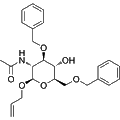
    Allyl 2-(acetylamino)-2-deoxy-3,6-bis-O-benzyl-β-D-glucopyranoside

    Allyl 2-(acetylamino)-2-deoxy-3,6-bis-O-benzyl-β-D-glucopyranoside is a specialized biochemical assay reagent. This compound serves as a substrate in various enzymatic reactions, enabling the study of glycosylation processes. Its unique structure allows for the assessment of enzyme activity and specificity, making it valuable in carbohydrate chemistry and glycobiology research applications.

    Out of stock

    All 3 sizes
  • α-D-Glucopyranoside,methyl,2,3,4,6-tetraacetate
    Cat. No.
    A90815

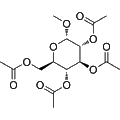
    α-D-Glucopyranoside,methyl,2,3,4,6-tetraacetate

    α-D-Glucopyranoside, methyl, 2,3,4,6-tetraacetate is a biochemical reagent utilized in glycobiology research. This compound serves as a valuable tool for studying the structure and synthesis of carbohydrates, as well as their interactions with proteins. Its applications extend to investigating glycan formation and degradation, enzymatic processes, and the biological significance of glycans. This reagent is essential for advancing knowledge in areas such as basic research, biomedicine, and biotechnology.

    50 mg
    $105.00
    100 mg
    $165.00
    All 4 sizes
  • 2,3,4,6-Tetra-O-pivaloyl-β-D-glucopyranosyl isothiocyanate
    Cat. No.
    A90817

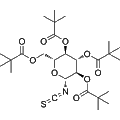
    2,3,4,6-Tetra-O-pivaloyl-β-D-glucopyranosyl isothiocyanate

    2,3,4,6-Tetra-O-pivaloyl-β-D-glucopyranosyl isothiocyanate is a biochemical assay reagent used in glycobiology research, focusing on the structure and function of carbohydrates. This compound facilitates studies on glycan formation and degradation, enzyme activities, and protein-glycan interactions, contributing to a deeper understanding of the role of glycans in biological systems. Its applications span basic research, biomedicine, and biotechnology, making it essential for advancing knowledge in carbohydrate chemistry.

    Out of stock

    All 3 sizes
  • Sucrose 4,6-methyl orthoester
    Cat. No.
    A90837

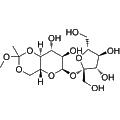
    Sucrose 4,6-methyl orthoester

    Sucrose 4,6-methyl orthoester is a biochemical reagent targeting glycobiology, specifically involved in the synthesis and modification of glycan structures. This compound plays a crucial role in studying carbohydrate chemistry, enzyme interactions in glycan metabolism, and the biological functions of glycans in various systems. Its applications span fundamental research, biomedicine, and biotechnological development, providing insights into the complex roles sugars play in biology.

    Out of stock

    All 3 sizes
  • Acetylcellulose
    Cat. No.
    A90857

    Acetylcellulose

    Synonyms: Cellulose monoacetate

    Acetylcellulose is a biochemical assay reagent primarily utilized as a biological material in various life science research applications. Its unique properties make it suitable for studies involving drug delivery, membrane technology, and biochemical interactions. Acetylcellulose serves as a versatile tool for researchers exploring the behavior of organic compounds in biological systems.

    1 g
    $20.00
    5 g
    $45.00
    All 4 sizes
  • 4'-Hydroxy atomoxetine β-D-glucuronide
    Cat. No.
    A90864

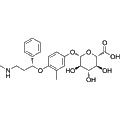
    4'-Hydroxy atomoxetine β-D-glucuronide

    4'-Hydroxy atomoxetine β-D-glucuronide is a biochemical assay reagent that serves as a conjugated metabolite of atomoxetine. This compound is utilized in the study of drug metabolism and pharmacokinetics, particularly in assays that investigate glucuronidation pathways. Its role in research includes evaluating the effects of atomoxetine on neural signaling and its pharmacological impacts in various biological systems.

    1 mg
    $1,070.00
    All 1 sizes

Items 501-525 of 1090

Added to your cart

View Cart Checkout

    Loading...