Carbohydrates & Glycobiology

Carbohydrates for glycobiology research range from sugars and sugar alcohols to amino sugars and polysaccharides. Sugar alcohols such as D-Sorbitol and maltitol are used as osmotic agents, stabilizers and enzyme substrates. Among the sugars, lactulose is a synthetic disaccharide built from galactose and fructose. Glucosamine and its salts represent the amino sugars, which are building blocks of glycosaminoglycans and chitin. Polysaccharides include hyaluronic acid, a glycosaminoglycan of the extracellular matrix, and chitosan, the deacetylated form of chitin. Protected sugars such as D-Xylofuranose, 1,2,3,5-tetraacetate serve as starting materials for nucleoside synthesis. The category belongs to Biochemical Assay Reagents, next to Acyl-CoA & Cofactors and Chelators & Bifunctional Chelators.

Items 601-625 of 1090

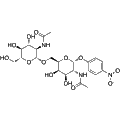
  • GlcNAc1-β-6GalNAc-α-PNP
    Cat. No.
    A91160

    GlcNAc1-β-6GalNAc-α-PNP

    GlcNAc1-β-6GalNAc-α-PNP is a biochemical reagent designed for glycobiology research, targeting the study of glycan structures and functions. This compound serves as a substrate for glycosyltransferases, facilitating the investigation of glycan biosynthesis and degradation processes. Its use in assays can enhance understanding of protein-glycan interactions and their implications in various biological systems, with applications spanning basic research, biomedicine, and biotechnology.

    Out of stock

    All 3 sizes
  • Fast Red RC salt, 97%
    Cat. No.
    A91161

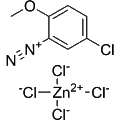
    Fast Red RC salt, 97%

    Fast Red RC salt is a chromogenic substrate primarily targeting sugars. It is utilized in plant science for the detection of aminotransferase activity and serves as a valuable marker for phosphatase activity in various diagnostic procedures. This reagent aids in the investigation of enzymatic processes and is integral for research focusing on enzyme-linked reactions.

    Out of stock

    All 3 sizes
  • 4-Methylumbelliferyl-α-L-rhamnopyranoside
    Cat. No.
    A91162

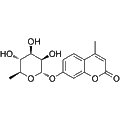
    4-Methylumbelliferyl-α-L-rhamnopyranoside

    4-Methylumbelliferyl-α-L-rhamnopyranoside is a biochemical reagent that serves as a substrate for glycosidases, facilitating the study of enzyme activity in glycobiology. This compound is instrumental in investigating carbohydrate chemistry and the enzymatic pathways involved in glycan formation and degradation. Its fluorescence upon hydrolysis allows for real-time monitoring of glycan metabolism, supporting research in basic biology, biomedicine, and biotechnological applications.

    10 mg
    $85.00
    25 mg
    $155.00
    All 5 sizes
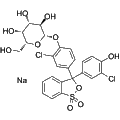
  • Chlorophenol red β-D-galactopyranoside sodium
    Cat. No.
    A91165

    Chlorophenol red β-D-galactopyranoside sodium

    Synonyms: CPRG sodium

    Chlorophenol red β-D-galactopyranoside sodium is a chromogenic substrate specifically designed for the enzyme β-galactosidase. Upon hydrolysis by β-galactosidase, it releases chlorophenol red, resulting in a color transition from pale yellow to purple-red in neutral to alkaline conditions. This shift can be quantitatively assessed through spectrophotometric analysis at wavelengths of 540-572 nm, making it an invaluable tool for colorimetric assays in enzyme activity studies and related research applications.

    25 mg
    $215.00
    50 mg
    $335.00
    All 3 sizes
  • 1,3,4,6-Tetra-O-acetyl-2-azido-2-deoxy-α-D-mannopyranose
    Cat. No.
    A91191

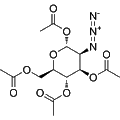
    1,3,4,6-Tetra-O-acetyl-2-azido-2-deoxy-α-D-mannopyranose

    1,3,4,6-Tetra-O-acetyl-2-azido-2-deoxy-α-D-mannopyranose is a click chemistry reagent featuring an azide functional group that facilitates copper-catalyzed azide-alkyne cycloaddition (CuAAc) with alkynes. This compound is essential for bioconjugation applications and is involved in strain-promoted alkyne-azide cycloaddition (SPAAC) reactions with DBCO or BCN moieties. It serves as a valuable tool in life sciences for the development of complex biomolecules and in biochemical assays.

    10 mg
    $205.00
    50 mg
    $505.00
    All 4 sizes
  • 6-Phosphogluconic acid tricyclohexylammonium
    Cat. No.
    A91193

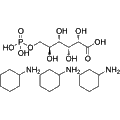
    6-Phosphogluconic acid tricyclohexylammonium

    6-Phosphogluconic acid tricyclohexylammonium acts as an important biochemical reagent in glycobiology research. It is utilized for studying the structure, synthesis, and biological roles of carbohydrates, contributing to the understanding of glycan formation and degradation as well as protein-glycan interactions. This compound supports various applications in basic research, biomedicine, and biotechnology, facilitating advancements in the understanding of glycans' significance in biological systems.

    Out of stock

    All 3 sizes
  • Phenylmethyl 2,3,4-tris-O-(phenylmethyl)-α-D-mannopyranoside
    Cat. No.
    A91197

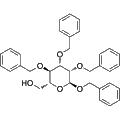
    Phenylmethyl 2,3,4-tris-O-(phenylmethyl)-α-D-mannopyranoside

    Phenylmethyl 2,3,4-tris-O-(phenylmethyl)-α-D-mannopyranoside is a biochemical reagent targeting glycobiology, specifically in the study of glycan structures and interactions. It plays a crucial role in exploring carbohydrate chemistry, enzymatic processes related to glycan synthesis and degradation, and the recognition of glycans by proteins. This compound facilitates significant research in fields such as biomedicine and biotechnology, enhancing understanding of the biological roles of carbohydrates.

    100 mg
    $250.00
    500 mg
    $845.00
    All 3 sizes
  • 3A-Amino-3A-deoxy-(2AS,3AS)-α-cyclodextrin
    Cat. No.
    A91200

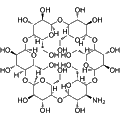
    3A-Amino-3A-deoxy-(2AS,3AS)-α-cyclodextrin

    Synonyms: 3A-Amino-3A-deoxy-(2AS,3AS)-alpha-cyclodextrin

    3A-Amino-3A-deoxy-(2AS,3AS)-α-cyclodextrin is a biochemical assay reagent utilized in life science research. This compound serves as a versatile biological material, facilitating the study of molecular interactions and drug delivery systems. Its unique structure allows for encapsulation and stabilization of various bioactive compounds, enhancing their solubility and therapeutic potential in experimental applications.

    Out of stock

    All 3 sizes
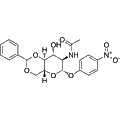
  • p-Nitrophenyl 2-acetamido-2-deoxy-4,6-benzylidene-β-D-glucopyranoside
    Cat. No.
    A91201

    p-Nitrophenyl 2-acetamido-2-deoxy-4,6-benzylidene-β-D-glucopyranoside

    p-Nitrophenyl 2-acetamido-2-deoxy-4,6-benzylidene-β-D-glucopyranoside functions as a biochemical assay reagent, primarily targeting glycosidase enzymes. This compound is utilized in enzymatic assays to measure enzyme activity, aiding in the investigation of carbohydrate metabolism and related pathways. Its sensitivity to glycosidase activity makes it a valuable tool in glycoprotein and glycolipid research applications.

    Out of stock

    All 3 sizes
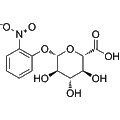
  • 2-Nitrophenyl β-D-glucopyranosiduronic acid
    Cat. No.
    A91204

    2-Nitrophenyl β-D-glucopyranosiduronic acid

    2-Nitrophenyl β-D-glucopyranosiduronic acid serves as a biochemical reagent in glycobiology research, targeting the study of glycan structure and function. This compound plays a critical role in investigations of carbohydrate chemistry and the enzymatic processes involved in glycan synthesis and degradation. Its applications extend to understanding protein-glycan interactions and the biological significance of glycans, making it essential for advancements in basic research, biomedicine, and biotechnology.

    Out of stock

    All 3 sizes
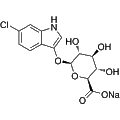
  • 6-Chloro-3-indolyl b-D-glucuronide sodium
    Cat. No.
    A91213

    6-Chloro-3-indolyl b-D-glucuronide sodium

    6-Chloro-3-indolyl β-D-glucuronide sodium is a biochemical reagent that serves as a chromogenic substrate for the detection of β-glucuronidase activity. Upon hydrolysis, it produces a colored product, facilitating the study of enzyme kinetics and activity in various biological samples. This compound is widely used in research applications involving the identification and characterization of β-glucuronidase, contributing to areas such as pharmacology and toxicology.

    Out of stock

    All 3 sizes
  • Heparin IV-A sodium
    Cat. No.
    A91219

    Heparin IV-A sodium

    Synonyms: N-Acetyl-de-O-sulfated heparin (Heparin IV-A) (sodium)

    Heparin IV-A sodium is an anticoagulant that primarily targets antithrombin III, thereby inhibiting clot formation. Its key biological activity includes preventing thrombus development and has substantial applications in biochemical assays and studies involving coagulation pathways. This reagent is essential for research related to vascular biology, hematology, and therapeutic drug development.

    5 mg
    $135.00
    10 mg
    $225.00
    All 4 sizes
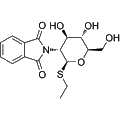
  • Ethyl 2-deoxy-2-phthalimido-β-D-thioglucopyranoside
    Cat. No.
    A91228

    Ethyl 2-deoxy-2-phthalimido-β-D-thioglucopyranoside

    Ethyl 2-deoxy-2-phthalimido-β-D-thioglucopyranoside is a specialized reagent utilized in glycobiology, targeting glycoconjugates and glycan structures. This compound is integral to studies involving carbohydrate chemistry, the enzymology of glycan synthesis and degradation, as well as protein-glycan interactions. Its applications extend across basic research, biomedicine, and biotechnology, facilitating the understanding of the complex roles of sugars in biological systems.

    250 mg
    $30.00
    500 mg
    $45.00
    All 5 sizes
  • 2,4,7,8,9-Pentaacetyl-D-N-acetylglycolylneuraminic acid methyl ester
    Cat. No.
    A91229

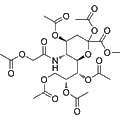
    2,4,7,8,9-Pentaacetyl-D-N-acetylglycolylneuraminic acid methyl ester

    2,4,7,8,9-Pentaacetyl-D-N-acetylglycolylneuraminic acid methyl ester is a specialized biochemical reagent targeting glycobiology applications. This compound plays a critical role in the investigation of sugar structures, glycan formation, and protein-glycan interactions. Its utilization aids in elucidating the biological functions of glycans, enhancing understanding in basic research, biomedicine, and biotechnology.

    1 mg
    $190.00
    5 mg
    $295.00
    All 3 sizes
  • 1-Naphthyl-β-D-glucuronide sodium
    Cat. No.
    A91230

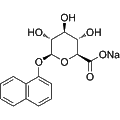
    1-Naphthyl-β-D-glucuronide sodium

    1-Naphthyl-β-D-glucuronide sodium is a biochemical reagent primarily utilized for studying glucuronidation processes. This compound serves as a substrate for UDP-glucuronosyltransferases, facilitating the investigation of enzyme activity and metabolic pathways involving glucuronidation. Its applications extend to toxicology, pharmacology, and drug metabolism research, making it a valuable tool in elucidating the role of conjugation in drug efficacy and clearance.

    1 mg
    $210.00
    5 mg
    $285.00
    All 3 sizes
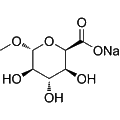
  • Methyl α-L-Idopyranosiduronic Acid Sodium Salt
    Cat. No.
    A91231

    Methyl α-L-Idopyranosiduronic Acid Sodium Salt

    Methyl α-L-Idopyranosiduronic Acid Sodium Salt is a biochemical reagent utilized in glycobiology research, targeting the structure and function of carbohydrates. It plays a critical role in studying glycan synthesis, degradation, and protein-glycan interactions. This compound is essential for investigating the biological significance of glycans in various physiological and pathological processes, offering valuable insights for basic research, biomedicine, and biotechnology applications.

    1 mg
    $145.00
    5 mg
    $590.00
    All 3 sizes
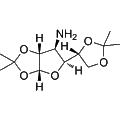
  • 3-Amino-3-deoxy-1,2:5,6-di-O-isopropylidene-α-D-glucofuranose
    Cat. No.
    A91245

    3-Amino-3-deoxy-1,2:5,6-di-O-isopropylidene-α-D-glucofuranose

    3-Amino-3-deoxy-1,2:5,6-di-O-isopropylidene-α-D-glucofuranose serves as a versatile biochemical assay reagent. Its structure allows for effective participation in carbohydrate-related biochemical reactions and is valuable for studying glycosylation processes. This compound is particularly relevant for applications in glycomics research and the development of carbohydrate-based therapeutics.

    Out of stock

    All 3 sizes
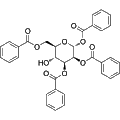
  • α-D-Mannopyranose,1,2,3,6-tetrabenzoate
    Cat. No.
    A91249

    α-D-Mannopyranose,1,2,3,6-tetrabenzoate

    α-D-Mannopyranose, 1,2,3,6-tetrabenzoate is a biochemical reagent utilized primarily in glycobiology studies. This compound serves as a versatile tool for investigating the structure, synthesis, and biological activities of carbohydrates, enabling research into glycan formation, degradation, and protein-glycan interactions. Its applications extend to various fields, including basic research, biomedicine, and biotechnology, facilitating a deeper understanding of the role of glycans in biological systems.

    Out of stock

    All 3 sizes
  • D-Galactopyranose,4-deoxy-4-fluoro,tetraacetate
    Cat. No.
    A91250

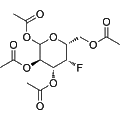
    D-Galactopyranose,4-deoxy-4-fluoro,tetraacetate

    D-Galactopyranose, 4-deoxy-4-fluoro, tetraacetate serves as a biochemical reagent in glycobiology, targeting carbohydrate structures and functions. This compound is instrumental in studying glycan synthesis, enzymatic processes associated with carbohydrate metabolism, and protein-glycan interactions. Its applications extend to fundamental research in biomedicine and biotechnology, facilitating advances in the understanding of glycan roles in various biological systems.

    5 mg
    $195.00
    10 mg
    $325.00
    All 3 sizes
  • Benzyl β-D-Lactoside Heptaacetate
    Cat. No.
    A91252

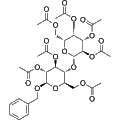
    Benzyl β-D-Lactoside Heptaacetate

    Benzyl β-D-Lactoside Heptaacetate is a biochemical reagent employed in glycobiology, focusing on the study of carbohydrates and their biological roles. This compound plays a crucial role in the synthesis and recognition of glycans, enabling researchers to investigate carbohydrate chemistry and enzyme interactions involving glycan formation and degradation. Its applications extend to fundamental research in various biological systems, as well as its relevance in biomedicine and biotechnology.

    100 mg
    $110.00
    250 mg
    $195.00
    All 3 sizes
  • α-D-Mannopyranose, 3-O-(phenylmethyl)-, 1,2,4,6-tetraacetate
    Cat. No.
    A91262

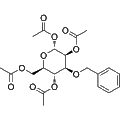
    α-D-Mannopyranose, 3-O-(phenylmethyl)-, 1,2,4,6-tetraacetate

    α-D-Mannopyranose, 3-O-(phenylmethyl)-, 1,2,4,6-tetraacetate, a glycoside derivative, primarily targets glycan interactions in glycobiology. This reagent is instrumental in studying the structure, synthesis, and biological functions of carbohydrates, facilitating research on glycan formation, degradation, and protein-glycan recognition. Its applications extend to fundamental research in biomedicine and biotechnology, advancing understanding of glycans' roles in various biological processes.

    25 mg
    $105.00
    50 mg
    $160.00
    All 5 sizes
  • α-D-Glucopyranose,2,4-bis-O-(phenylmethyl),triacetate
    Cat. No.
    A91269

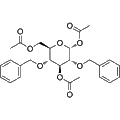
    α-D-Glucopyranose,2,4-bis-O-(phenylmethyl),triacetate

    α-D-Glucopyranose, 2,4-bis-O-(phenylmethyl), triacetate is a key biochemical reagent utilized in glycobiology research, focusing on the study of carbohydrate structure, synthesis, and function. This compound serves as a valuable tool for investigating glycan formation and degradation, as well as protein-glycan interactions. Its applications extend to fundamental research in biomedicine and biotechnology, contributing to a deeper understanding of glycan roles in biological systems.

    Out of stock

    All 3 sizes
  • p-Nitrophenyl 2,3,4,6-tetra-O-acetyl-α-D-mannopyranoside
    Cat. No.
    A91271

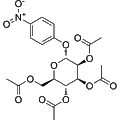
    p-Nitrophenyl 2,3,4,6-tetra-O-acetyl-α-D-mannopyranoside

    p-Nitrophenyl 2,3,4,6-tetra-O-acetyl-α-D-mannopyranoside serves as a substrate for glycosyltransferases and is primarily utilized in glycobiology research. This compound facilitates the study of glycan structures, their biosynthesis, and enzymatic processes involving carbohydrate metabolism. Its application extends to understanding protein-glycan interactions and the biological significance of glycans in various systems, making it an essential tool for advancements in basic research, biomedicine, and biotechnology.

    250 mg
    $45.00
    1 g
    $125.00
    All 4 sizes
  • 4-Methylumbelliferyl β-D-mannopyranoside
    Cat. No.
    A91274

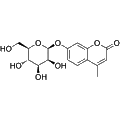
    4-Methylumbelliferyl β-D-mannopyranoside

    4-Methylumbelliferyl β-D-mannopyranoside serves as a substrate for β-mannosidase, facilitating the study of this enzyme's activity and its associated deficiencies. This reagent is particularly valuable in biochemical assays aimed at elucidating β-mannosidase function, helping researchers to understand its role in glycan metabolism. The compound demonstrates varying reactivity and inhibitory effects across different substrates, making it a versatile tool for enzymatic studies.

    10 mg
    $175.00
    25 mg
    $220.00
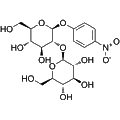
    All 3 sizes
  • 4-Nitrophenyl 2-O-β-D-glucopyranosyl-β-D-glucopyranoside
    Cat. No.
    A91277

    4-Nitrophenyl 2-O-β-D-glucopyranosyl-β-D-glucopyranoside

    4-Nitrophenyl 2-O-β-D-glucopyranosyl-β-D-glucopyranoside is a specialized biochemical reagent utilized in glycobiology. This compound serves as a substrate for glycosidases, facilitating the study of glycan structure and enzymatic processes related to carbohydrate metabolism. Its application extends to understanding protein-glycan interactions and exploring the biological roles of glycans in various systems, making it essential for research in basic science, biomedicine, and biotechnology.

    0.5 mg
    $175.00
    1 mg
    $230.00
    All 3 sizes

Items 601-625 of 1090

Added to your cart

View Cart Checkout

    Loading...