Carbohydrates & Glycobiology

Carbohydrates for glycobiology research range from sugars and sugar alcohols to amino sugars and polysaccharides. Sugar alcohols such as D-Sorbitol and maltitol are used as osmotic agents, stabilizers and enzyme substrates. Among the sugars, lactulose is a synthetic disaccharide built from galactose and fructose. Glucosamine and its salts represent the amino sugars, which are building blocks of glycosaminoglycans and chitin. Polysaccharides include hyaluronic acid, a glycosaminoglycan of the extracellular matrix, and chitosan, the deacetylated form of chitin. Protected sugars such as D-Xylofuranose, 1,2,3,5-tetraacetate serve as starting materials for nucleoside synthesis. The category belongs to Biochemical Assay Reagents, next to Acyl-CoA & Cofactors and Chelators & Bifunctional Chelators.

Items 651-675 of 1090

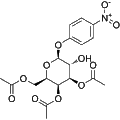
  • β-D-Galactopyranoside,4-nitrophenyl,3,4,6-triacetate
    Cat. No.
    A91423

    β-D-Galactopyranoside,4-nitrophenyl,3,4,6-triacetate

    β-D-Galactopyranoside, 4-nitrophenyl, 3,4,6-triacetate serves as a biochemical reagent in glycobiology research, focusing on the structural and functional analysis of carbohydrates. This compound is utilized in studies related to glycan synthesis and degradation, as well as protein-glycan interactions. Its role in unraveling the complexities of glycans enhances understanding in various areas, including basic research, biomedicine, and biotechnology.

    Out of stock

    All 3 sizes
  • N-5-Carboxypentyl-deoxymannojirimycin
    Cat. No.
    A91425

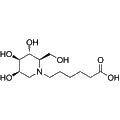
    N-5-Carboxypentyl-deoxymannojirimycin

    N-5-Carboxypentyl-deoxymannojirimycin is a biochemical reagent utilized in glycobiology research, specifically targeting the enzymatic processes involved in glycan formation and degradation. Its structure is designed to investigate the interactions between proteins and glycans, shedding light on the biological roles of sugars in various systems. This compound is instrumental for researchers studying carbohydrate chemistry and enzymatic recognition pathways, contributing to advancements in basic research, biomedicine, and biotechnology.

    Out of stock

    All 3 sizes
  • 3-Hydroxykynurenine-O-β-glucoside
    Cat. No.
    A91426

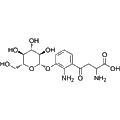
    3-Hydroxykynurenine-O-β-glucoside

    3-Hydroxykynurenine-O-β-glucoside is a biochemical reagent that plays a pivotal role in glycobiology research. This compound is utilized for studying carbohydrate chemistry, glycan formation, and the enzymatic processes involved in glycan degradation. It aids in understanding protein-glycan interactions and the functional significance of glycans within various biological systems, making it essential for advancements in basic research, biomedicine, and biotechnology.

    1 mg
    $330.00
    All 1 sizes
  • 2,3-O-(1-Methylethylidene)-L-lyxonic acid γ-lactone
    Cat. No.
    A91430

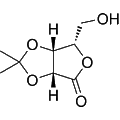
    2,3-O-(1-Methylethylidene)-L-lyxonic acid γ-lactone

    2,3-O-(1-Methylethylidene)-L-lyxonic acid γ-lactone is a biochemical reagent targeting key processes in glycobiology. This compound is essential for studying the structure, synthesis, and function of carbohydrates, as well as the enzymatic mechanisms that govern glycan formation and degradation. Applications include research into protein-glycan interactions and the role of glycans in various biological systems, making it a vital tool in basic research, biomedicine, and biotechnology.

    25 mg
    $45.00
    50 mg
    $65.00
    All 5 sizes
  • Fmoc-Ser-Ribose(diBoc)-5-phosphatediAllyl
    Cat. No.
    A91442

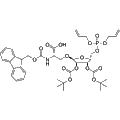
    Fmoc-Ser-Ribose(diBoc)-5-phosphatediAllyl

    Fmoc-Ser-Ribose(diBoc)-5-phosphatediAllyl is a reagent designed for protein modification through phosphorylation. This compound facilitates the selective introduction of phosphoserine residues into peptide and protein structures. It is particularly valuable in studies involving post-translational modifications and in understanding protein functions in cellular signaling pathways.

    Out of stock

    All 3 sizes
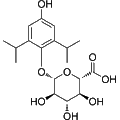
  • 4-Hydroxy propofol 1-O-β-D-glucuronide
    Cat. No.
    A91445

    4-Hydroxy propofol 1-O-β-D-glucuronide

    4-Hydroxy propofol 1-O-β-D-glucuronide is a glucuronide conjugate primarily utilized in biochemical assays to investigate glycobiology. This compound plays a vital role in studying carbohydrate structure, metabolism, and the interactions between proteins and glycans. It is valuable for exploring glycan synthesis and degradation mechanisms, making it applicable in fundamental research, biomedicine, and biotechnological applications focused on glycan-related processes.

    Out of stock

    All 3 sizes
  • Amylose azure
    Cat. No.
    A91446

    Amylose azure

    Synonyms: Amylose-Remazol Brilliant Blue R

    Amylose azure, also known as Amylose-Remazol Brilliant Blue R, serves as a biochemical reagent primarily utilized for the detection of amylose in starches. This compound exhibits a distinct binding affinity for amylose, enabling its use in various analytical methods including colorimetric assays. Its application extends to studying carbohydrate interactions and starch composition in food science and plant biology research.

    Out of stock

    All 3 sizes
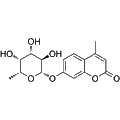
  • 4-Methylumbelliferyl β-D-fucoside
    Cat. No.
    A91449

    4-Methylumbelliferyl β-D-fucoside

    4-Methylumbelliferyl β-D-fucoside is a fluorogenic substrate for the enzymatic detection of fucosidase activity. Upon hydrolysis by fucosidases, it releases 4-methylumbelliferone, which exhibits high fluorescent properties. This reagent is widely used in biochemical assays to study fucosidase activity in various biological samples, facilitating research in glycoprotein metabolism and cellular signaling pathways.

    25 mg
    $355.00
    50 mg
    $550.00
    All 4 sizes
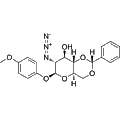
  • 4-Methoxyphenyl 2-azido-4,6-O-benzylidene-2-deoxy-β-D-glucopyranoside
    Cat. No.
    A91452

    4-Methoxyphenyl 2-azido-4,6-O-benzylidene-2-deoxy-β-D-glucopyranoside

    4-Methoxyphenyl 2-azido-4,6-O-benzylidene-2-deoxy-β-D-glucopyranoside is a specialized reagent for glycobiology research, targeting the study of glycan structures and their biological functions. This compound facilitates investigations into carbohydrate chemistry, enzymatic processes related to glycan synthesis and degradation, as well as protein-glycan interactions. It plays a crucial role in understanding glycans' contributions to various biological systems, with applications spanning basic research, biomedicine, and biotechnology.

    Out of stock

    All 3 sizes
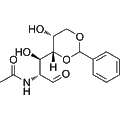
  • 2-(Acetylamino)-2-deoxy-4,6-O-(phenylmethylene)-D-galactose
    Cat. No.
    A91453

    2-(Acetylamino)-2-deoxy-4,6-O-(phenylmethylene)-D-galactose

    2-(Acetylamino)-2-deoxy-4,6-O-(phenylmethylene)-D-galactose is a biochemical reagent utilized in glycobiology research, focusing on sugar structures and their biological implications. Its application encompasses the study of carbohydrate chemistry, enzymatic processes in glycan formation and degradation, and protein-glycan interactions. This compound plays a significant role in elucidating glycans' functions in various biological systems, contributing to advancements in basic research, biomedicine, and biotechnology.

    50 mg
    $135.00
    100 mg
    $205.00
    All 4 sizes
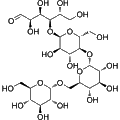
  • 6-α-D-Glucopyranosyl maltotriose
    Cat. No.
    A91457

    6-α-D-Glucopyranosyl maltotriose

    6-α-D-Glucopyranosyl maltotriose is a biochemical reagent utilized in glycobiology research, targeting the structure and function of glycan molecules. It plays a pivotal role in studying carbohydrate chemistry, enzymatic processes involved in glycan synthesis and degradation, and protein-glycan interactions. This compound is essential for investigations into the biological roles of glycans, contributing to advancements in basic research, biomedicine, and biotechnology.

    1 mg
    $560.00
    5 mg
    $1,400.00
    All 5 sizes
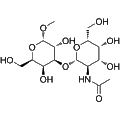
  • GalNAc1-b-3Gal-α-Ome
    Cat. No.
    A91467

    GalNAc1-b-3Gal-α-Ome

    Synonyms: Methyl 3-O-[2-(acetylamino)-2-deoxy-β-D-galactopyranosyl]-α-D-galactopyranoside

    GalNAc1-b-3Gal-α-Ome is a glycobiology reagent that serves as a methylated derivative of a disaccharide, specifically designed to probe the biology and interactions of glycans. Its primary mechanism involves the study of glycan structures and their biological functions, supporting research in carbohydrate chemistry and enzymatic processes related to glycan formation and degradation. This compound is valuable for investigating protein-glycan recognition and elucidating the role of glycans in various biological systems and disease mechanisms.

    Out of stock

    All 3 sizes
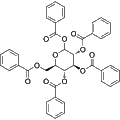
  • 1,2,3,4,6-Penta-O-benzoyl-D-glucopyranoside
    Cat. No.
    A91468

    1,2,3,4,6-Penta-O-benzoyl-D-glucopyranoside

    1,2,3,4,6-Penta-O-benzoyl-D-glucopyranoside is a reagent utilized in glycobiology for the study of carbohydrate structures and their biological significance. It plays a crucial role in analyzing glycan synthesis, degradation, and protein-glycan interactions. This compound supports various research applications in basic science, biomedicine, and biotechnology, aiding in the exploration of glycan roles in cellular processes and disease mechanisms.

    Out of stock

    All 3 sizes
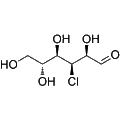
  • 3-Chloro-3-deoxy-D-glucose
    Cat. No.
    A91477

    3-Chloro-3-deoxy-D-glucose

    3-Chloro-3-deoxy-D-glucose is a biochemical reagent targeting key processes in glycobiology. It plays a critical role in the study of carbohydrate structure and synthesis, enzymatic processes involved in glycan formation and degradation, and protein-glycan interactions. This compound is essential for research in various applications including basic biological research, biomedicine, and biotechnology, aiding in the understanding of glycans' roles in biological systems.

    25 mg
    $125.00
    50 mg
    $215.00
    All 4 sizes
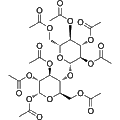
  • α-D-Cellobiose octaacetate, 98%
    Cat. No.
    A91494

    α-D-Cellobiose octaacetate, 98%

    Synonyms: alpha-D-Cellobiose octaacetate; 98%

    α-D-Cellobiose octaacetate is a glycosidase substrate that serves as a valuable tool in glycobiology research. This compound facilitates the study of glycosidase enzyme activity, assisting in the understanding of carbohydrate metabolism and cell signaling processes. Its acetate modifications enhance solubility and reactivity, making it suitable for various laboratory applications aimed at exploring carbohydrate interactions and enzymatic functions.

    1 g
    $25.00
    5 g
    $45.00
    All 2 sizes
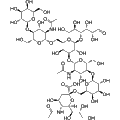
  • Sialyllacto-N-neohexaose II
    Cat. No.
    A91495

    Sialyllacto-N-neohexaose II

    Sialyllacto-N-neohexaose II is a glycan derivative that targets glycobiology applications, facilitating studies on carbohydrate structures and their biological roles. This compound plays a crucial role in understanding the enzymatic processes involved in glycan synthesis and degradation, as well as protein-glycan interactions. Its utility extends to basic research and various biotechnological applications, providing essential insights into the evolution and functionality of glycans in biological systems.

    Out of stock

    All 3 sizes
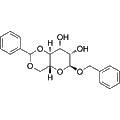
  • Phenylmethyl 4,6-O-(phenylmethylene)-α-D-mannopyranoside
    Cat. No.
    A91497

    Phenylmethyl 4,6-O-(phenylmethylene)-α-D-mannopyranoside

    Phenylmethyl 4,6-O-(phenylmethylene)-α-D-mannopyranoside serves as a biochemical reagent in glycobiology, targeting carbohydrate structures and their biological roles. It facilitates the study of glycan synthesis, modification, and interactions, contributing to our understanding of protein-glycan recognition and the significance of glycans in cellular processes. This compound is essential for research applications focusing on carbohydrate chemistry, enzymatic pathways, and the implications of glycosylation in both basic science and therapeutic development.

    Out of stock

    All 3 sizes
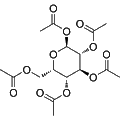
  • α-L-Idopyranose,1,2,3,4,6-pentaacetate
    Cat. No.
    A91498

    α-L-Idopyranose,1,2,3,4,6-pentaacetate

    α-L-Idopyranose, 1,2,3,4,6-pentaacetate is a biochemical reagent utilized in glycobiology research, focusing on the study of sugar structures and their biological functions. It plays a crucial role in carbohydrate chemistry and is essential for investigating glycan formation, degradation, and protein-glycan interactions. This compound aids in exploring the evolutionary aspects of glycans and their significance in various biological systems, making it a valuable tool for both basic research and biotechnological applications.

    100 mg
    $290.00
    1 g
    $2,100.00
    All 2 sizes
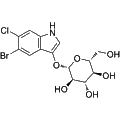
  • 5-Bromo-6-chloro-3-indolyl-β-D-glucopyranoside
    Cat. No.
    A91501

    5-Bromo-6-chloro-3-indolyl-β-D-glucopyranoside

    5-Bromo-6-chloro-3-indolyl-β-D-glucopyranoside is a biochemical assay reagent that serves as a substrate for glycosyltransferase activity. This compound is utilized in glycobiology research to study glycosylation processes and to evaluate enzyme functions. Its ability to release a detectable chromogenic product upon enzymatic reaction makes it a valuable tool for various experimental applications.

    Out of stock

    All 3 sizes
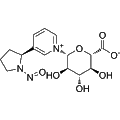
  • N′-Nitrosonornicotine N-glucuronide
    Cat. No.
    A91505

    N′-Nitrosonornicotine N-glucuronide

    N′-Nitrosonornicotine N-glucuronide is utilized in glycobiology research, targeting the exploration of carbohydrate structures and their biological significance. This compound plays a crucial role in studying glycan synthesis, degradation, and interactions with proteins, contributing to our understanding of glycan functions within biological systems. It is essential for advancing knowledge in basic research, biomedicine, and biotechnology.

    Out of stock

    All 3 sizes
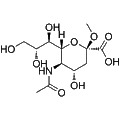
  • N-Acetyl-2-O-methyl-β-neuraminic acid
    Cat. No.
    A91516

    N-Acetyl-2-O-methyl-β-neuraminic acid

    N-Acetyl-2-O-methyl-β-neuraminic acid is a biochemical reagent that primarily targets glycobiology. This compound plays a significant role in the study of sugar structures, their synthesis, and biological functions. Research applications include carbohydrate chemistry, glycan formation and degradation enzymology, and exploration of protein-glycan interactions, contributing to advancements in basic research, biomedicine, and biotechnology.

    Out of stock

    All 3 sizes
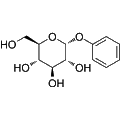
  • Phenyl α-D-glucopyranoside
    Cat. No.
    A91517

    Phenyl α-D-glucopyranoside

    Synonyms: Phenyl α-D-Glucoside

    Phenyl α-D-glucopyranoside is a biochemical assay reagent that serves as a biological material in various life science research applications. It is utilized for studying carbohydrate metabolism and glycosylation processes. Additionally, this compound can be employed in the development of enzymatic assays and the exploration of glycan interactions in biochemical pathways.

    Out of stock

    All 3 sizes
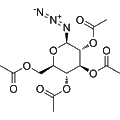
  • 2,3,4,6-Tetra-O-acetyl-β-D-galactopyranosyl azide
    Cat. No.
    A91519

    2,3,4,6-Tetra-O-acetyl-β-D-galactopyranosyl azide

    2,3,4,6-Tetra-O-acetyl-β-D-galactopyranosyl azide is a click chemistry reagent featuring an azide group that facilitates copper-catalyzed azide-alkyne cycloaddition (CuAAc) and strain-promoted alkyne-azide cycloaddition (SPAAC) with alkyne-containing compounds, such as DBCO and BCN. This compound serves as a valuable biochemical assay reagent in various life science research applications, particularly in glycosylation studies and bioconjugation. Its stable acetylated form enhances solubility and reactivity, making it an effective tool for the synthesis of complex biomolecules and labeled substrates.

    1 g
    $220.00
    All 1 sizes
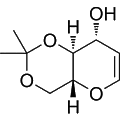
  • 4,6-O-Isopropylidene-D-glucal
    Cat. No.
    A91525

    4,6-O-Isopropylidene-D-glucal

    4,6-O-Isopropylidene-D-glucal is a biochemical reagent utilized in glycobiology, primarily for the study of carbohydrate structures and their biological implications. This compound facilitates research on the synthesis and metabolism of glycans, protein-glycan interactions, and the role of carbohydrates in cellular processes. Applications include investigations into the enzymatic mechanisms of glycan formation and degradation, as well as the exploration of glycans' contributions to health and disease in biomedical contexts.

    Out of stock

    All 3 sizes
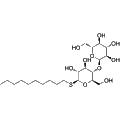
  • Decyl beta-d-thiomaltopyranoside
    Cat. No.
    A91535

    Decyl beta-d-thiomaltopyranoside

    Synonyms: Decyl 4-O-α-D-glucopyranosyl-1-thio-β-D-glucopyranoside

    Decyl beta-d-thiomaltopyranoside is a biochemical assay reagent that functions as a detergents for membrane protein solubilization and purification. This compound contains a thioether group, enhancing its ability to disrupt lipid bilayers while maintaining protein structure. It is widely utilized in studies involving membrane proteins, enabling researchers to investigate their biological functions and interactions in physiological environments.

    Out of stock

    All 3 sizes
Items 651-675 of 1090

Added to your cart

View Cart Checkout

    Loading...