Carbohydrates & Glycobiology

Carbohydrates for glycobiology research range from sugars and sugar alcohols to amino sugars and polysaccharides. Sugar alcohols such as D-Sorbitol and maltitol are used as osmotic agents, stabilizers and enzyme substrates. Among the sugars, lactulose is a synthetic disaccharide built from galactose and fructose. Glucosamine and its salts represent the amino sugars, which are building blocks of glycosaminoglycans and chitin. Polysaccharides include hyaluronic acid, a glycosaminoglycan of the extracellular matrix, and chitosan, the deacetylated form of chitin. Protected sugars such as D-Xylofuranose, 1,2,3,5-tetraacetate serve as starting materials for nucleoside synthesis. The category belongs to Biochemical Assay Reagents, next to Acyl-CoA & Cofactors and Chelators & Bifunctional Chelators.

Items 826-850 of 1090

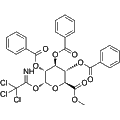
  • 2,3,4-Tri-O-benzoyl-α-D-glucuronic acid methyl ester,trichloroacetimidate
    Cat. No.
    A92156

    2,3,4-Tri-O-benzoyl-α-D-glucuronic acid methyl ester,trichloroacetimidate

    2,3,4-Tri-O-benzoyl-α-D-glucuronic acid methyl ester, trichloroacetimidate is a specialized reagent targeting glycosylation processes in glycobiology research. This compound plays a significant role in the study of carbohydrate structures, synthetic pathways, and glycan interactions within biological systems. Its use enhances understanding of glycan-mediated recognition events and contributes to advancements in biomedicine and biotechnology.

    100 mg
    $350.00
    500 mg
    $1,540.00
    All 3 sizes
  • Benzyl 2-deoxy-2-phthalimido-3,6-di-O-benzyl-β-D-glucopyranoside
    Cat. No.
    A92158

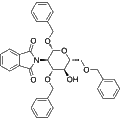
    Benzyl 2-deoxy-2-phthalimido-3,6-di-O-benzyl-β-D-glucopyranoside

    Benzyl 2-deoxy-2-phthalimido-3,6-di-O-benzyl-β-D-glucopyranoside is a biochemical assay reagent designed for the study of glycosylation processes. This compound can serve as a substrate in glycosidase assays and is useful in elucidating the mechanisms of glycan interactions. Its significant role in carbohydrate chemistry makes it valuable for research in enzymology and drug development applications.

    5 mg
    $110.00
    10 mg
    $175.00
    All 5 sizes
  • Fusidic acid acyl β-D-glucuronide
    Cat. No.
    A92165

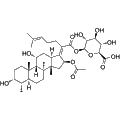
    Fusidic acid acyl β-D-glucuronide

    Fusidic acid acyl β-D-glucuronide is a derivative of fusidic acid that acts as a biochemical assay reagent. It is primarily employed in research to investigate the metabolic pathways and pharmacokinetics of fusidic acid, particularly its glucuronidation process. This compound plays a crucial role in studying drug interactions and impacts on therapeutic efficacy, thus facilitating advancements in pharmacological research.

    Out of stock

    All 3 sizes
  • Glucosulfamide
    Cat. No.
    A92168

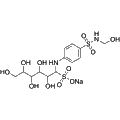
    Glucosulfamide

    Glucosulfamide is a sulfonamide compound primarily utilized as an anti-infective agent. It exhibits significant biochemical activity, making it suitable for various assay applications. Additionally, glucosulfamide can serve as an effective solvent preservative in laboratory settings.

    Out of stock

    All 3 sizes
  • 3-O-(Phenylmethyl)-D-mannose
    Cat. No.
    A92176

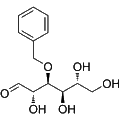
    3-O-(Phenylmethyl)-D-mannose

    3-O-(Phenylmethyl)-D-mannose is a biochemical reagent that targets glycobiology, focusing on the structure and function of sugars. Its key biological activity involves influencing carbohydrate interactions and aiding in the study of glycan biosynthesis and recognition mechanisms. This compound is integral to research applications in enzymology, protein-glycan interactions, and the broader implications of glycans in biological systems, supporting advancements in basic research, biomedicine, and biotechnology.

    Out of stock

    All 3 sizes
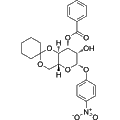
  • β-D-Mannopyranoside,4-nitrophenyl 4,6-O-cyclohexylidene,3-benzoate
    Cat. No.
    A92179

    β-D-Mannopyranoside,4-nitrophenyl 4,6-O-cyclohexylidene,3-benzoate

    β-D-Mannopyranoside, 4-nitrophenyl 4,6-O-cyclohexylidene, 3-benzoate is a biochemical reagent designed for applications in glycobiology. It facilitates the study of carbohydrate structures and their interactions, aiding in the understanding of glycan synthesis and degradation, as well as protein-glycan recognition. This compound is crucial for advancing research in areas such as basic science, biomedicine, and biotechnology, where detailed analyses of glycan functions are essential.

    Out of stock

    All 3 sizes
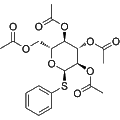
  • Phenyl 2,3,4,6-tetra-O-acetyl-α-D-thiomannopyranoside
    Cat. No.
    A92181

    Phenyl 2,3,4,6-tetra-O-acetyl-α-D-thiomannopyranoside

    Phenyl 2,3,4,6-tetra-O-acetyl-α-D-thiomannopyranoside is a biochemical reagent targeting the study of glycobiology. This compound facilitates research into the structure and synthesis of carbohydrates, as well as their biological functions and evolutionary roles. It is essential for investigating protein-glycan interactions and enzymatic processes involved in glycan formation and degradation, making it valuable for applications in basic research, biomedicine, and biotechnology.

    250 mg
    $55.00
    1 g
    $140.00
    All 3 sizes
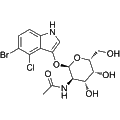
  • 5-Bromo-4-chloro-3-indolyl 2-acetamido-2-deoxy-α-D-galactopyranoside
    Cat. No.
    A92183

    5-Bromo-4-chloro-3-indolyl 2-acetamido-2-deoxy-α-D-galactopyranoside

    5-Bromo-4-chloro-3-indolyl 2-acetamido-2-deoxy-α-D-galactopyranoside serves as a chemical reagent in glycobiology, focusing on the study of carbohydrate structures and their biological functions. This compound is utilized in examining glycan synthesis, degradation pathways, and protein-glycan interactions, which play critical roles in various biological processes. Its applications extend to fundamental research, biomedicine, and advancements in biotechnology, facilitating a deeper understanding of glycan biology.

    1 mg
    $350.00
    2.5 mg
    $655.00
    All 3 sizes
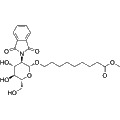
  • 8-Methoxycarbonyloctyl-2-deoxy-2-phthalimido-β-D-glucopyranoside
    Cat. No.
    A92185

    8-Methoxycarbonyloctyl-2-deoxy-2-phthalimido-β-D-glucopyranoside

    8-Methoxycarbonyloctyl-2-deoxy-2-phthalimido-β-D-glucopyranoside serves as a biochemical reagent targeting glycosylation processes in glycobiology. This compound facilitates the exploration of carbohydrate structures and their biological functions. Applications include studying glycan synthesis, enzymatic degradation, and protein-glycan interactions, contributing valuable insights into biological systems and potential biomedical advancements. It is an essential tool for researchers investigating the complex roles of glycans in various physiological and pathological contexts.

    Out of stock

    All 3 sizes
  • 6-O-α-D-Mannopyranosyl-D-mannose
    Cat. No.
    A92188

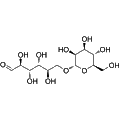
    6-O-α-D-Mannopyranosyl-D-mannose

    6-O-α-D-Mannopyranosyl-D-mannose is a biochemical reagent that targets glycobiology research. It plays a crucial role in studying the structure and synthesis of carbohydrates, as well as the enzymatic processes involved in glycan formation and degradation. This compound is essential for investigating protein-glycan interactions and understanding the biological functions of glycans, making it valuable for applications in basic research, biomedicine, and biotechnology.

    1 mg
    $250.00
    5 mg
    $645.00
    All 4 sizes
  • D-Mannose,3-amino-3-deoxy hydrochloride
    Cat. No.
    A92198

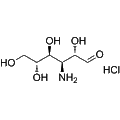
    D-Mannose,3-amino-3-deoxy hydrochloride

    D-Mannose, 3-amino-3-deoxy hydrochloride, is a biochemical reagent utilized in glycobiology research, specifically targeting the study of carbohydrate structures and functionalities. It plays a pivotal role in investigating protein-glycan interactions, glycan biosynthesis, and the enzymatic mechanisms governing glycan degradation. Its applications extend to essential areas such as biomedicine and biotechnology, facilitating advancements in understanding glycan dynamics in biological systems.

    50 mg
    $80.00
    100 mg
    $120.00
    All 4 sizes
  • Benzyl 2,3,4-Tri-O-benzyl-D-glucuronate
    Cat. No.
    A92199

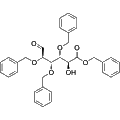
    Benzyl 2,3,4-Tri-O-benzyl-D-glucuronate

    Benzyl 2,3,4-Tri-O-benzyl-D-glucuronate is a biochemical reagent targeting glycobiology applications. It plays a crucial role in the study of glycan structures and their biological functions, facilitating research in carbohydrate chemistry and enzymology related to glycan formation and breakdown. This compound enables investigations into protein-glycan interactions, enhancing the understanding of glycans' roles in biological systems and their implications in biomedicine and biotechnology.

    Out of stock

    All 3 sizes
  • 3,4,6-Tris-O-(phenylmethyl)-2-deoxy-D-arabino-hexopyranose
    Cat. No.
    A92203

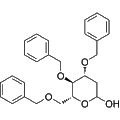
    3,4,6-Tris-O-(phenylmethyl)-2-deoxy-D-arabino-hexopyranose

    3,4,6-Tris-O-(phenylmethyl)-2-deoxy-D-arabino-hexopyranose is a specialized reagent utilized in glycobiology to investigate carbohydrate biology. This compound assists in studying glycan synthesis, degradation, and the interactions between proteins and glycans, providing insights into their roles in various biological processes. Its application extends to basic research and advancements in biomedicine and biotechnology, facilitating the understanding of glycan structures and their functional implications.

    Out of stock

    All 3 sizes
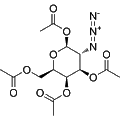
  • 1,3,4,6-Tetra-O-acetyl-2-azido-2-deoxy-β-D-galactopyranose
    Cat. No.
    A92205

    1,3,4,6-Tetra-O-acetyl-2-azido-2-deoxy-β-D-galactopyranose

    1,3,4,6-Tetra-O-acetyl-2-azido-2-deoxy-β-D-galactopyranose is an azido-modified sugar reagent primarily utilized in glycobiology studies. It serves as a substrate for various enzymatic reactions and plays a crucial role in the synthesis and modification of glycans. This compound facilitates research into carbohydrate structures, protein-glycan interactions, and the broader implications of glycans in biological processes, contributing valuable insights for biomedicine and biotechnology applications.

    Out of stock

    All 3 sizes
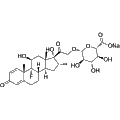
  • Dexamethasone β-D-glucuronide sodium
    Cat. No.
    A92210

    Dexamethasone β-D-glucuronide sodium

    Dexamethasone β-D-glucuronide sodium is a biochemical reagent utilized in glycobiology research, specifically targeting glycan structure and function. This compound plays a significant role in exploring carbohydrate chemistry and the enzymatic processes involved in glycan synthesis and degradation. Its application extends to the investigation of protein-glycan interactions and the biological significance of glycans in various systems, making it essential for studies in basic research, biomedicine, and biotechnology.

    1 mg
    $420.00
    10 mg
    $3,365.00
    All 2 sizes
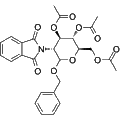
  • Benzyl 2-deoxy-2-phthalimido-3,4,6-tri-O-acetyl-β-D-glucopyranoside
    Cat. No.
    A92212

    Benzyl 2-deoxy-2-phthalimido-3,4,6-tri-O-acetyl-β-D-glucopyranoside

    Benzyl 2-deoxy-2-phthalimido-3,4,6-tri-O-acetyl-β-D-glucopyranoside is a specialized biochemical reagent targeting glycobiology. This compound plays a crucial role in studying the structure and function of carbohydrates, including glycan synthesis and degradation, as well as protein-glycan interactions. It is extensively utilized in basic research and biomedicine to explore the biological implications of glycans in various systems.

    100 mg
    $105.00
    250 mg
    $210.00
    All 3 sizes
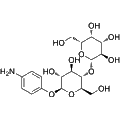
  • p-Aminophenyl β-D-lactopyranoside
    Cat. No.
    A92223

    p-Aminophenyl β-D-lactopyranoside

    p-Aminophenyl β-D-lactopyranoside is a biochemical reagent utilized in glycobiology research, targeting the study of carbohydrate structures and their biological roles. This compound serves as a substrate for various glycosyltransferases, enabling the investigation of carbohydrate synthesis and enzymatic functions. It facilitates research into protein-glycan interactions and the involvement of glycans in cellular processes, contributing to advancements in biomedicine and biotechnology.

    5 mg
    $110.00
    10 mg
    $180.00
    All 4 sizes
  • α-D-Galactofuranose,1,2-O-(1-methylethylidene),3-acetate
    Cat. No.
    A92225

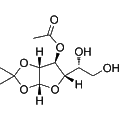
    α-D-Galactofuranose,1,2-O-(1-methylethylidene),3-acetate

    α-D-Galactofuranose, 1,2-O-(1-methylethylidene),3-acetate is a specialized biochemical reagent employed in glycobiology. It plays a crucial role in studying the structure, synthesis, and biological functions of glycans. This compound is instrumental in carbohydrate chemistry, analyses of enzyme-mediated glycan processes, and investigations into protein-glycan interactions, making it valuable for basic research, biomedicine, and biotechnology applications.

    Out of stock

    All 3 sizes
  • Benzyl 2-acetamido-2-deoxy-3-O-(2',3',4',6'-tetra- O-acetyl-β-D-galactopyranosyl)-α-D-galactopyranoside
    Cat. No.
    A92226

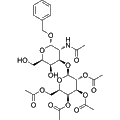
    Benzyl 2-acetamido-2-deoxy-3-O-(2',3',4',6'-tetra- O-acetyl-β-D-galactopyranosyl)-α-D-galactopyranoside

    Benzyl 2-acetamido-2-deoxy-3-O-(2',3',4',6'-tetra-O-acetyl-β-D-galactopyranosyl)-α-D-galactopyranoside serves as a biochemical reagent for glycobiology research, specifically targeting glycan interactions and modifications. It facilitates the investigation of carbohydrate structures, synthesis pathways, and enzymatic processes involved in glycan formation and degradation. This compound is crucial for studying protein-glycan recognition and the biological roles of glycans in various systems, making it a valuable tool in basic research, biomedicine, and biotechnology applications.

    Out of stock

    All 3 sizes
  • 3-Nitrophenyl α-D-galactopyranoside
    Cat. No.
    A92230

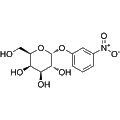
    3-Nitrophenyl α-D-galactopyranoside

    3-Nitrophenyl α-D-galactopyranoside serves as a substrate for the enzymatic activity of galactosidases, facilitating biochemical assays in glycobiology research. This compound enables the study of glycosylation patterns and enzyme kinetics, aiding in the understanding of carbohydrate-active enzymes and their roles in various biological processes. Its application extends to assessing enzyme functionality and characterizing galactose-containing oligosaccharides in a variety of research contexts.

    25 mg
    $45.00
    50 mg
    $65.00
    All 5 sizes
  • 1-Azido-1-deoxy-β-D-lactopyranoside
    Cat. No.
    A92232

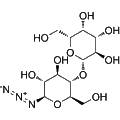
    1-Azido-1-deoxy-β-D-lactopyranoside

    1-Azido-1-deoxy-β-D-lactopyranoside is a biochemical assay reagent that serves as a useful tool in glycobiology research. This compound facilitates the study of glycan structures and interactions due to its azide functional group, allowing for click chemistry applications. It is suitable for the investigation of glycosylation processes and the characterization of carbohydrate-related biological events.

    Out of stock

    All 3 sizes
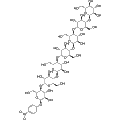
  • 4-Nitrophenyl-α-D-maltoheptaoside
    Cat. No.
    A92239

    4-Nitrophenyl-α-D-maltoheptaoside

    4-Nitrophenyl-α-D-maltoheptaoside is a biochemical reagent utilized in glycobiology research, particularly as a substrate to study glycosylation processes. Its functional role facilitates investigations into carbohydrate chemistry, enzymatic glycan formation and degradation, and protein-glycan interactions. This compound is essential for exploring the biological roles of glycans in various systems and contributes significantly to advancements in basic research, biomedicine, and biotechnology.

    Out of stock

    All 3 sizes
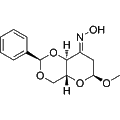
  • Methyl 4,6-O-benzylidene-2-deoxy-α-D-erythro-hexopyranosid-3-ulose oxime
    Cat. No.
    A92244

    Methyl 4,6-O-benzylidene-2-deoxy-α-D-erythro-hexopyranosid-3-ulose oxime

    Methyl 4,6-O-benzylidene-2-deoxy-α-D-erythro-hexopyranosid-3-ulose oxime serves as a biochemical assay reagent primarily utilized in glycobiology research. This compound plays a crucial role in the study of carbohydrate chemistry, glycan synthesis and degradation, and protein-glycan interactions. Applications include investigations into glycan structures and their biological significance, contributing to advancements in basic research, biomedicine, and biotechnology.

    Out of stock

    All 3 sizes
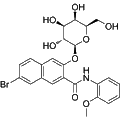
  • Naphthol AS-BI β-D-galactopyranoside
    Cat. No.
    A92249

    Naphthol AS-BI β-D-galactopyranoside

    Naphthol AS-BI β-D-galactopyranoside serves as a biochemical assay reagent that specifically targets β-galactosidase enzymes. Upon hydrolysis, it produces naphthol, which can be detected colorimetrically, making it useful for quantifying β-galactosidase activity in various biological samples. This compound has essential applications in enzyme assays and monitoring gene expression in research settings.

    Out of stock

    All 3 sizes
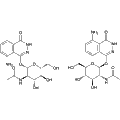
  • 2-Aminophthalylhydrazido-N-acetyl-β-D-glucosaminide
    Cat. No.
    A92251

    2-Aminophthalylhydrazido-N-acetyl-β-D-glucosaminide

    2-Aminophthalylhydrazido-N-acetyl-β-D-glucosaminide functions as a biochemical assay reagent that facilitates the detection of N-acetyl-β-D-glucosamine derivatives. This compound exhibits key biological activity as a chromogenic substrate for glycosylation studies, enabling researchers to investigate enzymatic activities in carbohydrate metabolism. Its applications extend to various biochemical and enzymatic assays, contributing to a deeper understanding of glycoprotein interactions and cellular processes.

    Out of stock

    All 3 sizes

Items 826-850 of 1090

Added to your cart

View Cart Checkout

    Loading...