Carbohydrates & Glycobiology

Carbohydrates for glycobiology research range from sugars and sugar alcohols to amino sugars and polysaccharides. Sugar alcohols such as D-Sorbitol and maltitol are used as osmotic agents, stabilizers and enzyme substrates. Among the sugars, lactulose is a synthetic disaccharide built from galactose and fructose. Glucosamine and its salts represent the amino sugars, which are building blocks of glycosaminoglycans and chitin. Polysaccharides include hyaluronic acid, a glycosaminoglycan of the extracellular matrix, and chitosan, the deacetylated form of chitin. Protected sugars such as D-Xylofuranose, 1,2,3,5-tetraacetate serve as starting materials for nucleoside synthesis. The category belongs to Biochemical Assay Reagents, next to Acyl-CoA & Cofactors and Chelators & Bifunctional Chelators.

Items 776-800 of 1090

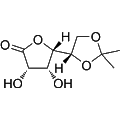
  • 5,6-Isopropylidene-L-gulonic acid γ-lactone
    Cat. No.
    A91897

    5,6-Isopropylidene-L-gulonic acid γ-lactone

    5,6-Isopropylidene-L-gulonic acid γ-lactone is a biochemical reagent utilized in glycobiology research, focusing on carbohydrate chemistry and the enzymatic processes related to glycan formation and degradation. This compound serves as a valuable tool for studying protein-glycan interactions and the biological functions of glycans. Its applications extend to fundamental research in biomedicine and biotechnology, facilitating advancements in understanding the roles of carbohydrates in various biological systems.

    100 mg
    $65.00
    1 g
    $195.00
    All 3 sizes
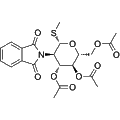
  • Methyl 3,4,6-tri-O-acetyl-2-deoxy-2-phthalimido-1-thio-β-D-glucopyranoside
    Cat. No.
    A91908

    Methyl 3,4,6-tri-O-acetyl-2-deoxy-2-phthalimido-1-thio-β-D-glucopyranoside

    Methyl 3,4,6-tri-O-acetyl-2-deoxy-2-phthalimido-1-thio-β-D-glucopyranoside is a specialized reagent targeting glycobiology. It is utilized to investigate the structure and function of glycans, facilitating studies in carbohydrate chemistry and enzymatic processes involved in glycan synthesis and degradation. This compound plays a critical role in exploring protein-glycan interactions and their implications in various biological systems, contributing to advancements in basic research, biomedicine, and biotechnology.

    Out of stock

    All 3 sizes
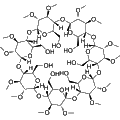
  • Heptakis(2,3-dimethyl)-β-cyclodextrin
    Cat. No.
    A91912

    Heptakis(2,3-dimethyl)-β-cyclodextrin

    Heptakis(2,3-dimethyl)-β-cyclodextrin is a versatile biochemical assay reagent that functions as a host molecule for encapsulating various guest compounds. Its unique structure enhances solubility and stability, making it particularly useful in drug delivery and analytical applications. This compound plays a significant role in studies involving molecular recognition and interaction, facilitating a range of research in pharmacology, biochemistry, and environmental science.

    10 mg
    $240.00
    25 mg
    $325.00
    All 3 sizes
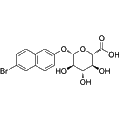
  • 6-Bromo-2-naphthalenyl β-D-glucopyranosiduronic acid
    Cat. No.
    A91918

    6-Bromo-2-naphthalenyl β-D-glucopyranosiduronic acid

    6-Bromo-2-naphthalenyl β-D-glucopyranosiduronic acid serves as a biochemical assay reagent primarily utilized for studying glycosylation processes. This compound can facilitate the analysis of enzyme kinetics and substrate specificity, making it valuable for enzyme activity assays. Its unique structural features enable researchers to investigate the role of glucuronides in various biological systems, aiding in the exploration of metabolic pathways and drug development.

    Out of stock

    All 3 sizes
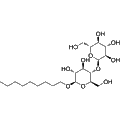
  • n-Nonyl β-D-maltopyranoside
    Cat. No.
    A91920

    n-Nonyl β-D-maltopyranoside

    n-Nonyl β-D-maltopyranoside is a non-ionic detergent primarily utilized for solubilizing membrane proteins and enhancing their stability during biochemical assays. This compound facilitates the study of membrane protein structure and function, making it essential for various research applications in biochemistry and molecular biology. Its unique properties allow for effective extraction and purification of membrane-associated biomolecules, thus supporting diverse experimental workflows.

    Out of stock

    All 3 sizes
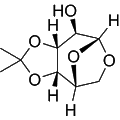
  • 1,6-Anhydro-3,4-O-(1-methylethylidene)-β-D-galactopyranose
    Cat. No.
    A91923

    1,6-Anhydro-3,4-O-(1-methylethylidene)-β-D-galactopyranose

    1,6-Anhydro-3,4-O-(1-methylethylidene)-β-D-galactopyranose serves as a key biochemical reagent in glycobiology, focusing on the intricate structures and functions of carbohydrates. This compound plays a significant role in studying glycan synthesis, enzymatic processes involved in glycan metabolism, and the interactions between glycans and proteins. It is applicable in various research areas, including fundamental biological research, biomedicine, and biotechnology, facilitating advancements in the understanding of carbohydrate biology.

    25 mg
    $75.00
    50 mg
    $115.00
    All 4 sizes
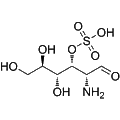
  • Glucosamine 3-sulfate
    Cat. No.
    A91925

    Glucosamine 3-sulfate

    Glucosamine 3-sulfate is a biochemical reagent targeting glycobiology. It plays a crucial role in the study of sugar structures, synthesis, and biological functions, facilitating research on carbohydrate chemistry, glycan formation, and protein-glycan interactions. This compound is essential for investigating the roles of glycans in various biological systems, contributing to advancements in basic research, biomedicine, and biotechnology.

    Out of stock

    All 3 sizes
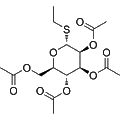
  • α-D-Mannopyranoside,ethyl 1-thio,2,3,4,6-tetraacetate
    Cat. No.
    A91934

    α-D-Mannopyranoside,ethyl 1-thio,2,3,4,6-tetraacetate

    α-D-Mannopyranoside, ethyl 1-thio, 2,3,4,6-tetraacetate is a chemical reagent utilized in glycobiology research, specifically targeting the study of carbohydrates and their biological significance. This compound plays a crucial role in investigating glycan structure and synthesis, enzyme interactions in glycan formation and degradation, and protein-glycan recognition mechanisms. It serves as a vital tool for advancing understanding in areas such as basic research, biomedicine, and biotechnology.

    100 mg
    $60.00
    1 g
    $170.00
    All 3 sizes
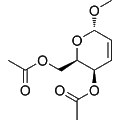
  • α-D-threo-Hex-2-enopyranoside,methyl 2,3-dideoxy-4,6-diacetate
    Cat. No.
    A91944

    α-D-threo-Hex-2-enopyranoside,methyl 2,3-dideoxy-4,6-diacetate

    α-D-threo-Hex-2-enopyranoside, methyl 2,3-dideoxy-4,6-diacetate is a specialized biochemical reagent designed for research in glycobiology. Its structural features facilitate investigations into carbohydrate chemistry and enzymatic processes involved in glycan biosynthesis and degradation. This compound is instrumental in studying protein-glycan interactions and the functional roles of glycans in various biological systems, making it essential for advancing research in basic science, biomedicine, and biotechnology.

    Out of stock

    All 3 sizes
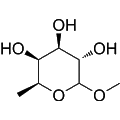
  • Methyl fucopyranoside
    Cat. No.
    A91947

    Methyl fucopyranoside

    Methyl fucopyranoside is a biochemical reagent primarily utilized in glycobiology research. It plays a significant role in the study of sugar structures, synthesis, and their biological functions. Applications of this compound include investigations into carbohydrate chemistry, glycan formation and degradation enzymology, and protein-glycan interactions, highlighting its importance in basic research, biomedicine, and biotechnology.

    100 mg
    $35.00
    250 mg
    $60.00
    All 3 sizes
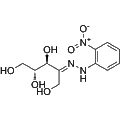
  • D-Ribulose o-nitrophenylhydrazone
    Cat. No.
    A91953

    D-Ribulose o-nitrophenylhydrazone

    D-Ribulose o-nitrophenylhydrazone is a biochemical reagent utilized in glycobiology, specifically targeting the interactions and functions of glycans. This compound serves as a key tool in studying carbohydrate chemistry, facilitating the investigation of glycan structure, synthesis, and recognition by proteins. Its applications extend to various research areas, including basic research, biomedicine, and biotechnology, enhancing the understanding of glycan's roles in biological systems.

    Out of stock

    All 3 sizes
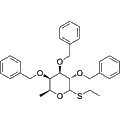
  • Ethyl 6-deoxy-2,3,4-tris-O-(phenylmethyl)-1-thio-L-galactopyranoside
    Cat. No.
    A91964

    Ethyl 6-deoxy-2,3,4-tris-O-(phenylmethyl)-1-thio-L-galactopyranoside

    Ethyl 6-deoxy-2,3,4-tris-O-(phenylmethyl)-1-thio-L-galactopyranoside serves as a biochemical reagent in glycobiology, targeting the intricate relationships between carbohydrates and biological systems. Its unique structure enhances the study of glycan formation, degradation, and protein-glycan interactions. This compound is essential for advancing research in carbohydrate chemistry, enzymatic activity, and their implications in biomedicine and biotechnology.

    25 mg
    $90.00
    50 mg
    $130.00
    All 3 sizes
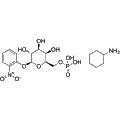
  • o-Nitrophenyl β-D-galactopyranoside-6-phosphate cyclohexylammonium
    Cat. No.
    A91969

    o-Nitrophenyl β-D-galactopyranoside-6-phosphate cyclohexylammonium

    o-Nitrophenyl β-D-galactopyranoside-6-phosphate cyclohexylammonium is a chromogenic substrate specifically designed for the detection of β-galactosidase activity. This reagent enables the rapid identification and quantification of β-galactosidase, facilitating studies in molecular biology and biochemistry. Its utility in biochemical assays makes it an invaluable tool for researchers investigating gene expression and enzyme functionality.

    5 mg
    $120.00
    10 mg
    $195.00
    All 3 sizes
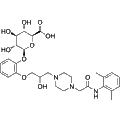
  • Desmethyl ranolazine β-D-glucuronide
    Cat. No.
    A91972

    Desmethyl ranolazine β-D-glucuronide

    Desmethyl ranolazine β-D-glucuronide is a biochemical reagent targeting glycobiology. It plays a crucial role in studying the structure, synthesis, and biological functions of carbohydrates, as well as protein-glycan interactions. This compound aids in the exploration of glycan formation and degradation processes, making it valuable for research in biomedicine and biotechnology.

    Out of stock

    All 3 sizes
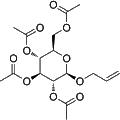
  • Allyl-tetra-O-acetyl-β-D-glucopyranoside,98%
    Cat. No.
    A91978

    Allyl-tetra-O-acetyl-β-D-glucopyranoside,98%

    Allyl-tetra-O-acetyl-β-D-glucopyranoside is a glycoside compound that serves as a target for various enzymatic reactions in glycobiology. This reagent plays a crucial role in the synthesis of glycoproteins and glycan modifications, facilitating studies on carbohydrate-protein interactions. Its application extends to the exploration of biological pathways involving sugars and their derivatives in cell signaling, immunity, and disease processes.

    50 mg
    $25.00
    100 mg
    $35.00
    All 2 sizes
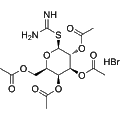
  • 2-(2,3,4,6-Tetra-O-acetyl-β-D-galactopyranosyl)thiopseudourea hydrobromide
    Cat. No.
    A91979

    2-(2,3,4,6-Tetra-O-acetyl-β-D-galactopyranosyl)thiopseudourea hydrobromide

    2-(2,3,4,6-Tetra-O-acetyl-β-D-galactopyranosyl)thiopseudourea hydrobromide is a biochemical reagent designed for glycobiology research. It facilitates the study of glycan structure, synthesis, and interaction with proteins, aiding in the understanding of carbohydrate chemistry and enzymatic processes related to glycan formation and degradation. This compound is essential for exploring the biological roles of glycans in various systems, contributing to advancements in basic research, biomedicine, and biotechnology.

    5 mg
    $150.00
    10 mg
    $260.00
    All 3 sizes
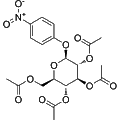
  • 4-Nitrophenyl 2,3,4,6-tetra-O-acetyl-β-D-glucopyranoside
    Cat. No.
    A91982

    4-Nitrophenyl 2,3,4,6-tetra-O-acetyl-β-D-glucopyranoside

    4-Nitrophenyl 2,3,4,6-tetra-O-acetyl-β-D-glucopyranoside is a biochemical assay reagent that serves as a substrate for glycosidases. Upon enzymatic cleavage, it releases 4-nitrophenol, which can be quantitatively measured, facilitating the study of enzyme kinetics and carbohydrate metabolism. This compound is widely utilized in research applications focused on enzyme activity assays and carbohydrate analysis.

    100 mg
    $40.00
    1 g
    $120.00
    All 3 sizes
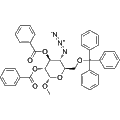
  • Methyl 4-Azido-2,3-di-O-benzoyl-4-deoxy-6-O-trityl-α-D-glucopyranoside
    Cat. No.
    A91989

    Methyl 4-Azido-2,3-di-O-benzoyl-4-deoxy-6-O-trityl-α-D-glucopyranoside

    Methyl 4-Azido-2,3-di-O-benzoyl-4-deoxy-6-O-trityl-α-D-glucopyranoside functions primarily as a biochemical tool in glycobiology, focusing on the study of carbohydrate structures and their biological significance. This compound is utilized in the synthesis of glycan analogs, facilitating research into glycan-protein interactions and metabolic pathways involving carbohydrates. Its applications extend to the exploration of glycan roles in various biological phenomena, reinforcing its importance in both academic and industrial biotechnology research.

    Out of stock

    All 3 sizes
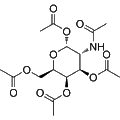
  • α-D-Galactopyranose,2-(acetylamino)-2-deoxy-,1,3,4,6-tetraacetate
    Cat. No.
    A91994

    α-D-Galactopyranose,2-(acetylamino)-2-deoxy-,1,3,4,6-tetraacetate

    α-D-Galactopyranose, 2-(acetylamino)-2-deoxy-, 1,3,4,6-tetraacetate is a glycan derivative utilized in glycobiology research. This compound plays a pivotal role in studying the structure and functions of carbohydrates, including their synthesis and recognition in biological systems. It is particularly valuable for investigations focused on protein-glycan interactions and the enzymatic processes involved in glycan metabolism. Its applications extend to basic research, biomedicine, and biotechnology, providing essential insights into the role of carbohydrates in various biological phenomena.

    250 mg
    $20.00
    1 g
    $45.00
    All 3 sizes
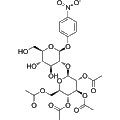
  • Nitrophenyl 2-O-(2,3,4,6-Tri-O-acetyl-α-D-mannopyranosyl)-α-D-mannopyranoside
    Cat. No.
    A91996

    Nitrophenyl 2-O-(2,3,4,6-Tri-O-acetyl-α-D-mannopyranosyl)-α-D-mannopyranoside

    Nitrophenyl 2-O-(2,3,4,6-Tri-O-acetyl-α-D-mannopyranosyl)-α-D-mannopyranoside is a biochemical reagent employed in glycobiology. It serves as a substrate for studying glycan-binding proteins and enzyme activity related to glycan metabolism. This compound facilitates research into the structure and function of carbohydrates, elucidating their roles in biological processes and potential applications in therapeutic development and biotechnological innovations.

    Out of stock

    All 3 sizes
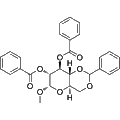
  • Methyl 2,3-Di-O-benzoyl-4,6-O-benzylidene-α-D-glucopyranoside
    Cat. No.
    A91998

    Methyl 2,3-Di-O-benzoyl-4,6-O-benzylidene-α-D-glucopyranoside

    Methyl 2,3-Di-O-benzoyl-4,6-O-benzylidene-α-D-glucopyranoside is a biochemical reagent primarily employed in glycobiology. This compound facilitates the study of glycan structures, synthesis, and their functional roles in biological systems. It is particularly useful in research focusing on carbohydrate chemistry, the enzymatic processes involved in glycan metabolism, and protein-glycan interactions, contributing to advancements in basic research, biomedicine, and biotechnology.

    Out of stock

    All 3 sizes
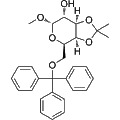
  • Methyl 3,4-O-Isopropylidene-6-O-trityl-α-D-galactopyranoside
    Cat. No.
    A92000

    Methyl 3,4-O-Isopropylidene-6-O-trityl-α-D-galactopyranoside

    Methyl 3,4-O-Isopropylidene-6-O-trityl-α-D-galactopyranoside is a specialized reagent in glycobiology, targeting the study of glycan structures and their biological functions. This compound facilitates research on carbohydrate chemistry and enzyme activities involved in glycan synthesis and degradation. Its applications extend to understanding protein-glycan interactions and the roles of glycans in various biological systems, contributing to advancements in basic research, biomedicine, and biotechnology.

    Out of stock

    All 3 sizes
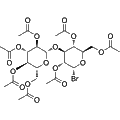
  • 2,3,4,6-Tetra-O-acetyl-β-D-glucose
    Cat. No.
    A92030

    2,3,4,6-Tetra-O-acetyl-β-D-glucose

    Synonyms: Acetobromolaminaribiose

    2,3,4,6-Tetra-O-acetyl-β-D-glucose is a crucial reagent in glycobiology, targeting the study of carbohydrate structures and their biological roles. This compound serves as an important tool in the synthesis and characterization of glycan derivatives, facilitating research in carbohydrate chemistry and enzymatic processes. Its applications extend to exploring protein-glycan interactions and understanding the significance of glycans in various biological systems, making it valuable for basic research and biotechnological advancements.

    5 mg
    $320.00
    50 mg
    $2,460.00
    All 3 sizes
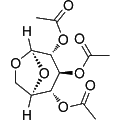
  • β-D-Glucopyranose,1,6-anhydro,2,3,4-triacetate
    Cat. No.
    A92031

    β-D-Glucopyranose,1,6-anhydro,2,3,4-triacetate

    β-D-Glucopyranose,1,6-anhydro,2,3,4-triacetate is a specialized biochemical reagent utilized in glycobiology research. It plays a critical role in studying carbohydrate structures, synthesis, and biological functions. This compound aids in elucidating the enzymatic processes involved in glycan formation and degradation, as well as exploring protein-glycan interactions and their implications in various biological systems. Its utility in both basic research and biotechnological applications makes it an essential tool for advancing the understanding of glycomics.

    5 mg
    $20.00
    10 mg
    $40.00
    All 2 sizes
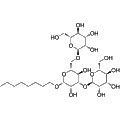
  • n-Octyl 3,6-Di-O-(α-D-mannopyranosyl)-β-D-mannopyranoside
    Cat. No.
    A92033

    n-Octyl 3,6-Di-O-(α-D-mannopyranosyl)-β-D-mannopyranoside

    n-Octyl 3,6-Di-O-(α-D-mannopyranosyl)-β-D-mannopyranoside serves as a biochemical reagent in glycobiology research, targeting carbohydrate interactions. It is instrumental in studying the structure, synthesis, and biological functions of glycans, as well as their roles in various biological processes. This compound aids in understanding glycan-related enzymology and protein-glycan recognition, making it valuable for both fundamental research and applications in biomedicine and biotechnology.

    Out of stock

    All 3 sizes

Items 776-800 of 1090

Added to your cart

View Cart Checkout

    Loading...