Carbohydrates & Glycobiology

Carbohydrates for glycobiology research range from sugars and sugar alcohols to amino sugars and polysaccharides. Sugar alcohols such as D-Sorbitol and maltitol are used as osmotic agents, stabilizers and enzyme substrates. Among the sugars, lactulose is a synthetic disaccharide built from galactose and fructose. Glucosamine and its salts represent the amino sugars, which are building blocks of glycosaminoglycans and chitin. Polysaccharides include hyaluronic acid, a glycosaminoglycan of the extracellular matrix, and chitosan, the deacetylated form of chitin. Protected sugars such as D-Xylofuranose, 1,2,3,5-tetraacetate serve as starting materials for nucleoside synthesis. The category belongs to Biochemical Assay Reagents, next to Acyl-CoA & Cofactors and Chelators & Bifunctional Chelators.

Items 951-975 of 1090

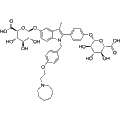
  • Bazedoxifene bis-β-D-glucuronide
    Cat. No.
    A92700

    Bazedoxifene bis-β-D-glucuronide

    Bazedoxifene bis-β-D-glucuronide is a biochemical reagent utilized in glycobiology research. This compound facilitates the study of carbohydrate chemistry, glycan structure, synthesis, and degradation, as well as protein-glycan interactions. Its applications extend to diverse areas of basic research, biomedicine, and biotechnology, aiding in the exploration of the biological roles of glycans.

    Out of stock

    All 3 sizes
  • D-Ribofuranose,2,3,5-tris-O-(phenylmethyl)-,1-acetate
    Cat. No.
    A92704

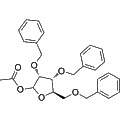
    D-Ribofuranose,2,3,5-tris-O-(phenylmethyl)-,1-acetate

    D-Ribofuranose, 2,3,5-tris-O-(phenylmethyl)-, 1-acetate is a biochemical reagent primarily utilized in glycobiology. It plays a crucial role in studying the structure and synthesis of carbohydrates, as well as the enzymatic processes involved in glycan formation and degradation. This compound facilitates research into protein-glycan interactions and the biological significance of glycans, making it valuable for investigations in basic research, biomedicine, and biotechnology.

    Out of stock

    All 3 sizes
  • 4-Nitrophenyl 4,6-O-(phenylmethylene)-α-D-mannopyranoside
    Cat. No.
    A92705

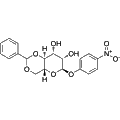
    4-Nitrophenyl 4,6-O-(phenylmethylene)-α-D-mannopyranoside

    4-Nitrophenyl 4,6-O-(phenylmethylene)-α-D-mannopyranoside is a biochemical reagent utilized in glycobiology. This compound serves as a substrate for glycosidases, facilitating the study of enzymatic glycan synthesis and degradation. Its application extends to investigations of glycan-protein interactions and the biological roles of carbohydrates, making it essential for advancing research in basic science, biomedicine, and biotechnology.

    25 mg
    $135.00
    50 mg
    $175.00
    All 4 sizes
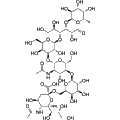
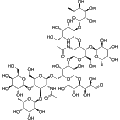
  • Fucosyl-lacto-N-sialylpentaose c
    Cat. No.
    A92711

    Fucosyl-lacto-N-sialylpentaose c

    Synonyms: F-LST-c

    Fucosyl-lacto-N-sialylpentaose c (F-LST-c) is a biochemical assay reagent primarily utilized for research applications in glycomics and cell biology. This compound features a fucosylated and sialylated lacto-N-pentaose structure, facilitating investigations into cellular interactions and signaling pathways. F-LST-c serves as a valuable tool for studying carbohydrate-protein interactions, contributing to the understanding of various biological processes such as immune response and cell adhesion.

    Out of stock

    All 3 sizes
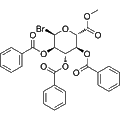
  • α-D-Glucopyranuronic acid,1-bromo-1-deoxy,methyl ester,2,3,4-tribenzoate
    Cat. No.
    A92713

    α-D-Glucopyranuronic acid,1-bromo-1-deoxy,methyl ester,2,3,4-tribenzoate

    α-D-Glucopyranuronic acid, 1-bromo-1-deoxy, methyl ester, 2,3,4-tribenzoate is a specialized biochemical reagent targeting glycobiology. This compound plays a significant role in the study of carbohydrate chemistry and the enzymatic processes involved in glycan formation and degradation. Its utility extends to research applications focused on protein-glycan interactions and the functional roles of glycans in various biological systems, contributing to advancements in basic research, biomedicine, and biotechnology.

    50 mg
    $110.00
    100 mg
    $175.00
    All 3 sizes
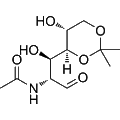
  • 2-(Acetylamino)-2-deoxy-4,6-O-(1-methylethylidene)-D-glucose
    Cat. No.
    A92715

    2-(Acetylamino)-2-deoxy-4,6-O-(1-methylethylidene)-D-glucose

    2-(Acetylamino)-2-deoxy-4,6-O-(1-methylethylidene)-D-glucose serves as a biochemical reagent in glycobiology, targeting carbohydrate interactions within biological systems. This compound facilitates the study of glycan structure and synthesis, enzyme activity related to glycan formation and degradation, and protein-glycan recognition. Its applications span basic research, biomedicine, and biotechnology, providing valuable insights into the evolution and biological functions of carbohydrates.

    Out of stock

    All 3 sizes
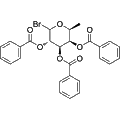
  • Bromo 2,3,4-Tri-O-benzoyl-L-fucopyranose
    Cat. No.
    A92716

    Bromo 2,3,4-Tri-O-benzoyl-L-fucopyranose

    Bromo 2,3,4-Tri-O-benzoyl-L-fucopyranose is a biochemical reagent that serves as a key tool in glycobiology, focusing on the structure and synthesis of glycans. This compound facilitates the study of carbohydrate chemistry and the enzymatic processes involved in glycan formation and degradation. Its applications extend to protein-glycan interactions and elucidating the role of glycans in various biological systems, making it an essential resource for researchers in basic science, biomedicine, and biotechnology.

    Out of stock

    All 3 sizes
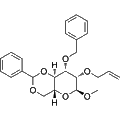
  • Methyl 2-O-allyl-3-O-benzyl-4,6-O-benzylidene-α-D-mannopyranoside
    Cat. No.
    A92722

    Methyl 2-O-allyl-3-O-benzyl-4,6-O-benzylidene-α-D-mannopyranoside

    Methyl 2-O-allyl-3-O-benzyl-4,6-O-benzylidene-α-D-mannopyranoside targets glycobiology, focusing on the interactions and modifications of carbohydrates. It serves as a biochemical reagent for investigating the structure and synthesis of glycans, along with their biological roles and implications in enzymology and protein-glycan recognition. This compound is essential for advancing research in basic biology, biomedicine, and biotechnology relating to glycan dynamics.

    Out of stock

    All 3 sizes
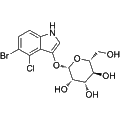
  • 5-Bromo-4-chloro-1H-indol-3-yl-β-D-mannopyranoside
    Cat. No.
    A92724

    5-Bromo-4-chloro-1H-indol-3-yl-β-D-mannopyranoside

    5-Bromo-4-chloro-1H-indol-3-yl-β-D-mannopyranoside is a biochemical assay reagent that primarily targets glycan interactions. This compound is instrumental in glycobiology research, facilitating studies on carbohydrate-protein interactions and glycosylation processes. Its application may provide insights into the roles of carbohydrates in various biological systems, aiding in the understanding of cell signaling and recognition events.

    Out of stock

    All 3 sizes
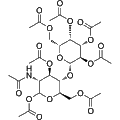
  • N-Acetyllactosamine Heptaacetate
    Cat. No.
    A92726

    N-Acetyllactosamine Heptaacetate

    N-Acetyllactosamine Heptaacetate is a biochemical reagent that plays a crucial role in glycobiology research. It facilitates the study of glycan structure, synthesis, and biology, enabling investigations into carbohydrate chemistry, enzymatic processes, and protein-glycan interactions. Applications of this compound extend to various fields including basic research, biomedicine, and biotechnology, fostering a deeper understanding of glycans in biological systems.

    25 mg
    $345.00
    50 mg
    $605.00
    All 3 sizes
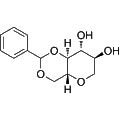
  • 1,5-Anhydro-4,6-O-(phenylmethylene)-D-glucitol
    Cat. No.
    A92729

    1,5-Anhydro-4,6-O-(phenylmethylene)-D-glucitol

    1,5-Anhydro-4,6-O-(phenylmethylene)-D-glucitol functions as a biochemical reagent in glycobiology research. It plays a critical role in studies focused on the structure, synthesis, and biological functions of carbohydrates. This compound is essential for examining enzyme activity in glycan formation and degradation, as well as protein-glycan interactions within various biological systems. Applications include fundamental research in glycobiology, biomedicine, and biotechnology.

    100 mg
    $95.00
    500 mg
    $235.00
    All 5 sizes
  • Methyl-β-D-thiogalactoside
    Cat. No.
    A92732

    Methyl-β-D-thiogalactoside

    Synonyms: Methyl-beta-D-thiogalactoside

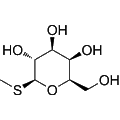
    Methyl-β-D-thiogalactoside is a biochemical assay reagent that acts as a substrate for β-galactosidase enzymes. Its primary mechanism involves the cleavage of the galactosidic bond, releasing methylthiol and galactose. This compound is widely used in molecular biology for studying gene expression and enzyme activity, as well as in the development of lactose analogs for various biological applications.

    100 mg
    $80.00
    250 mg
    $120.00
    All 4 sizes
  • 4-Methylumbelliferyl-β-D-lactoside
    Cat. No.
    A92737

    4-Methylumbelliferyl-β-D-lactoside

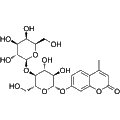
    4-Methylumbelliferyl-β-D-lactoside is a fluorogenic substrate primarily targeting β-galactosidase, facilitating the study of enzyme activity in glycobiology. This compound is widely utilized in biochemical assays for the detection and quantification of β-galactosidase activity, making it valuable for research applications involving carbohydrate metabolism and glycan interactions.

    Out of stock

    All 3 sizes
  • 3,4,6-Tri-O-acetyl-β-D-mannopyranose 1,2-methyl orthoacetate
    Cat. No.
    A92738

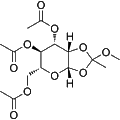
    3,4,6-Tri-O-acetyl-β-D-mannopyranose 1,2-methyl orthoacetate

    3,4,6-Tri-O-acetyl-β-D-mannopyranose 1,2-methyl orthoacetate serves as a biochemical reagent targeting the study of glycoproteins and glycoconjugates in glycobiology. This compound exhibits key biological activity in the synthesis and analysis of glycan structures, contributing to the understanding of carbohydrate chemistry and enzymatic processes involved in glycan metabolism. It is applicable in a range of research areas including basic research, biomedicine, and biotechnology, facilitating investigations into protein-glycan interactions and the functional roles of carbohydrates in biological systems.

    5 mg
    $30.00
    10 mg
    $50.00
    All 7 sizes
  • 1,5-Anhydro-D-mannitol peracetate
    Cat. No.
    A92744

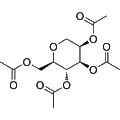
    1,5-Anhydro-D-mannitol peracetate

    1,5-Anhydro-D-mannitol peracetate acts as a biochemical assay reagent, primarily utilized for carbohydrate analysis in various research applications. Its structural properties enable the identification and quantification of sugars in biological samples, facilitating studies in metabolic pathways and related biochemical processes. This compound is essential for researchers working in fields such as glycobiology and analytical chemistry.

    Out of stock

    All 3 sizes
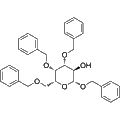
  • Phenylmethyl 3,4,6-tris-O-(phenylmethyl)-β-D-galactopyranoside
    Cat. No.
    A92745

    Phenylmethyl 3,4,6-tris-O-(phenylmethyl)-β-D-galactopyranoside

    Phenylmethyl 3,4,6-tris-O-(phenylmethyl)-β-D-galactopyranoside is a biochemical reagent that targets glycan structures in glycobiology research. This compound plays a crucial role in studying carbohydrate chemistry and facilitating the enzymatic processes involved in glycan formation and degradation. Its applications extend to investigations of protein-glycan interactions and the biological functions of glycans, making it an essential tool in basic research, biomedicine, and biotechnology.

    100 mg
    $385.00
    250 mg
    $755.00
    All 3 sizes
  • D-Galactonic acid,2-(acetylamino)-2-deoxy,γ-lactone
    Cat. No.
    A92746

    D-Galactonic acid,2-(acetylamino)-2-deoxy,γ-lactone

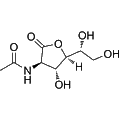
    D-Galactonic acid, 2-(acetylamino)-2-deoxy, γ-lactone is a specialized biochemical reagent targeting glycobiology. It plays a crucial role in the study of carbohydrate structures and the enzymatic processes involved in glycan formation and degradation. This compound is instrumental for research applications exploring protein-glycan interactions and the functional significance of glycans in biological systems, contributing to advancements in basic research, biomedicine, and biotechnology.

    Out of stock

    All 3 sizes
  • Methyl β-D-mannopyranoside isopropylate
    Cat. No.
    A92748

    Methyl β-D-mannopyranoside isopropylate

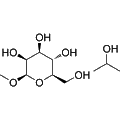
    Methyl β-D-mannopyranoside isopropylate is a crucial reagent in glycobiology, targeting carbohydrate chemistry and glycan metabolism. This compound facilitates the study of glycan synthesis, degradation, and protein-glycan interactions, aiding researchers in elucidating the roles of carbohydrates in biological systems. Its applications extend to basic research, biomedicine, and biotechnological advancements, contributing significantly to the understanding of glycan functions and their impact on cellular processes.

    25 mg
    $100.00
    50 mg
    $145.00
    All 3 sizes
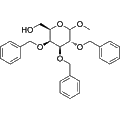
  • Methyl 2,3,4-Tri-O-benzyl-D-galactopyranoside
    Cat. No.
    A92751

    Methyl 2,3,4-Tri-O-benzyl-D-galactopyranoside

    Methyl 2,3,4-Tri-O-benzyl-D-galactopyranoside is a biochemical reagent that serves as a useful tool in glycobiology research. It acts as a glycosyl donor for the synthesis of glycoconjugates, facilitating investigations into carbohydrate chemistry and enzymatic processes involved in glycan formation and degradation. This compound is instrumental in studying protein-glycan interactions and the biological roles of glycans, making it valuable for applications in basic research, biomedicine, and biotechnology.

    Out of stock

    All 3 sizes
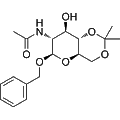
  • Benzyl 2-acetamido-2-deoxy-4,6-O-isopropylidene-β-D-glucopyranoside
    Cat. No.
    A92759

    Benzyl 2-acetamido-2-deoxy-4,6-O-isopropylidene-β-D-glucopyranoside

    Benzyl 2-acetamido-2-deoxy-4,6-O-isopropylidene-β-D-glucopyranoside serves as a versatile biochemical reagent with applications in carbohydrate chemistry. This compound is utilized to facilitate studies on glycosylation and reaction mechanisms involving glycan structures. Its unique protective groups allow for selective transformations, making it valuable in the synthesis of complex carbohydrates and glycosides for various biological assays.

    100 mg
    $200.00
    250 mg
    $395.00
    All 4 sizes
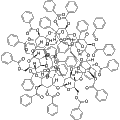
  • Heptakis(2,3,6-tri-O-benzoyl)-β-cyclodextrin
    Cat. No.
    A92776

    Heptakis(2,3,6-tri-O-benzoyl)-β-cyclodextrin

    Synonyms: β-Cyclodextrin perbenzoate

    Heptakis(2,3,6-tri-O-benzoyl)-β-cyclodextrin functions as a biochemical assay reagent, primarily targeting the solubilization and stabilization of hydrophobic compounds. This modified cyclodextrin enhances the bioavailability of various drugs and biomolecules, making it valuable in pharmaceutical formulations and drug delivery systems. Its applicability extends to studies investigating host-guest interactions and molecular recognition processes in biochemical research.

    Out of stock

    All 3 sizes
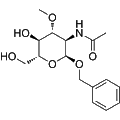
  • Phenylmethyl 2-(acetylamino)-2-deoxy-3-O-methyl-α-D-glucopyranoside
    Cat. No.
    A92777

    Phenylmethyl 2-(acetylamino)-2-deoxy-3-O-methyl-α-D-glucopyranoside

    Phenylmethyl 2-(acetylamino)-2-deoxy-3-O-methyl-α-D-glucopyranoside is a biochemical reagent targeting the study of glycan structures and dynamics. This compound plays a crucial role in glycobiology by facilitating the exploration of carbohydrate chemistry, glycan biosynthesis, and protein-glycan interactions. Its applications extend across basic research, biomedicine, and biotechnology, contributing to a better understanding of the functions and significance of glycans in various biological systems.

    5 mg
    $180.00
    All 1 sizes
  • Trifucosyllacto-N-hexaose
    Cat. No.
    A92782

    Trifucosyllacto-N-hexaose

    Trifucosyllacto-N-hexaose is a complex carbohydrate utilized in glycobiology research, focusing on the structure and function of glycans. This reagent is essential for studying carbohydrate-protein interactions, glycan biosynthesis, and the biological roles of glycans in various systems. Applications of Trifucosyllacto-N-hexaose span basic research, biomedicine, and biotechnological advancements related to glycosylation processes.

    Out of stock

    All 3 sizes
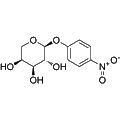
  • p-Nitrophenyl α-L-arabinopyranoside
    Cat. No.
    A92784

    p-Nitrophenyl α-L-arabinopyranoside

    p-Nitrophenyl α-L-arabinopyranoside is a biochemical assay reagent designed to measure enzyme activity through hydrolysis. The compound is specifically hydrolyzed by recombinant BgaA (rBgaA) obtained from E. coli BL21 (DE3) strain harboring pEBGA29. Its primary application lies in the detection and quantification of enzyme activity, making it a valuable tool in various biochemical studies.

    50 mg
    $95.00
    100 mg
    $145.00
    All 3 sizes
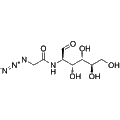
  • 2-[(Azidoacetyl)amino]-2-deoxy-D-glucose, 98%
    Cat. No.
    A92794

    2-[(Azidoacetyl)amino]-2-deoxy-D-glucose, 98%

    2-[(Azidoacetyl)amino]-2-deoxy-D-glucose is a modified sugar that functions as a bioorthogonal reagent. It is utilized to study glycan interactions and modifications in glycobiology research. This compound can aid in the labeling and visualization of glycoconjugates, facilitating the investigation of cellular processes and signaling events that involve carbohydrate molecules.

    Out of stock

    All 3 sizes
Items 951-975 of 1090

Added to your cart

View Cart Checkout

    Loading...