Impurities & Reference Standards

Impurities & Reference Standards collects environmental contaminants, industrial chemicals and drug stereoisomers. Many entries are substances monitored in environmental and food analysis, such as the plasticizer dimethyl phthalate and the polycyclic aromatic hydrocarbon fluorene. Flame retardants are represented by the organophosphate triphenyl phosphate and by brominated compounds. Perfluorodecanoic acid belongs to the per- and polyfluoroalkyl substances (PFAS), a class known for persistence in the environment. A second group holds enantiomers and isomers of research compounds, such as (R)-Asundexian, the (R)-enantiomer of the factor XIa inhibitor asundexian. Such isomers support stereochemical comparison and the development of chromatographic separation methods. Process-related and degradation compounds of individual drugs are listed separately under Drug Impurity.

Items 251-275 of 361

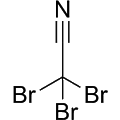
  • Tribromoacetonitrile
    Cat. No.
    A95535

    Tribromoacetonitrile

    Tribromoacetonitrile is a nitrogen-containing disinfection byproduct that primarily targets disinfection byproducts (DBPs). This compound exhibits significant bioactivity related to cytotoxicity and genotoxicity, making it relevant for studies on water quality and environmental health. It is commonly utilized in research examining the formation, effects, and regulation of DBPs in chlorinated water systems.

    2.5 mg
    $365.00
    All 1 sizes
  • Derritol
    Cat. No.
    A95601

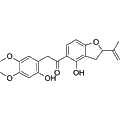
    Derritol

    Derritol is a degradation product of rotenone, resulting from the loss of the C-6 and C-6a carbon atoms. This compound is utilized in the study of rotenone metabolism and ecological impacts, particularly in research involving pesticide biodegradation and environmental toxicology. Derritol is valuable for understanding the fate of rotenone in natural systems and its implications for aquatic life.

    Out of stock

    All 3 sizes
  • 4-Sulfo-N-(4-aminobenzyl)-1,8-naphthalimide potassium
    Cat. No.
    A95691

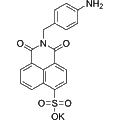
    4-Sulfo-N-(4-aminobenzyl)-1,8-naphthalimide potassium

    4-Sulfo-N-(4-aminobenzyl)-1,8-naphthalimide potassium is a structural analog of 1,8-naphthalimide designed to serve as a negative control in research settings. This compound does not exhibit biological activity, making it an ideal reference for assessing the specificity of clathrin inhibitors, such as 3-Sulfo-N-benzyl-1,8-naphthalimide, potassium salt. Its use in experimental protocols helps validate findings related to clathrin-mediated endocytosis and other related molecular processes.

    Out of stock

    All 3 sizes
  • 1,1-Dibromoacetone
    Cat. No.
    A95765

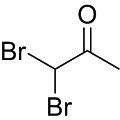
    1,1-Dibromoacetone

    1,1-Dibromoacetone is a dibromide reagent featuring two bromine atoms attached to an acetone backbone. This compound serves as an important intermediate in organic synthesis and can be utilized in various chemical transformations. Its biological activity may make it relevant for research applications focused on halogenated compounds in medicinal chemistry and related fields.

    25 mg
    $1,275.00
    All 1 sizes
  • 1,1-Dibromo-3,3-dichloroacetone
    Cat. No.
    A95774

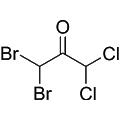
    1,1-Dibromo-3,3-dichloroacetone

    1,1-Dibromo-3,3-dichloroacetone is a halogenated compound that serves as a disinfection byproduct (DBP) formed during the use of chlorine or chloramine in water treatment, particularly in the presence of elevated bromide levels. Its primary mechanism involves the reactivity of brominated and chlorinated species, making it relevant in studies of water safety and disinfection processes. This compound can be utilized in research examining the formation and implications of DBPs in drinking water and wastewater treatment.

    25 mg
    $1,275.00
    All 1 sizes
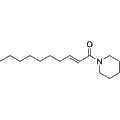
  • (2E)-Decenoylpiperidide
    Cat. No.
    A95900

    (2E)-Decenoylpiperidide

    (2E)-Decenoylpiperidide is a synthetic analog of Sarmentine, primarily targeting plant systems as a phytotoxic agent. This compound exhibits significant toxicity towards barnyard grass, making it a valuable tool for studying plant defense mechanisms and herbicide development. Its effectiveness in inhibiting plant growth positions (2E)-Decenoylpiperidide as a useful reagent in agricultural and botanical research applications.

    Out of stock

    All 3 sizes
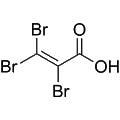
  • 2,3,3-Tribromopropenoic acid
    Cat. No.
    A96046

    2,3,3-Tribromopropenoic acid

    2,3,3-Tribromopropenoic acid is a brominated derivative of propenoic acid, primarily identified as a polar aromatic compound. It acts as a disinfection byproduct formed during water chlorination, demonstrating notable cytotoxic effects in chronic cytotoxicity assays using mammalian cells. This compound is valuable for research into environmental toxicity, water safety, and cell exposure studies.

    25 mg
    $1,275.00
    All 1 sizes
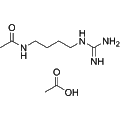
  • Acetylagmatine acetate
    Cat. No.
    A96438

    Acetylagmatine acetate

    Synonyms: N-Acetylagmatine acetate

    Acetylagmatine acetate is an N-acetylated derivative of agmatine, produced through the enzymatic action of agmatine N-acetyltransferase, which utilizes acetyl-CoA and agmatine as substrates. This compound acts as a neuromodulator and neurotransmitter within the mammalian central nervous system, contributing to various physiological processes. Acetylagmatine acetate is of interest in research focusing on neurobiology, stress response, and potential therapeutic applications related to mood disorders and cognitive function.

    Out of stock

    All 3 sizes
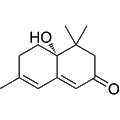
  • (+)-(6R)-Eucomegastigmane A
    Cat. No.
    A96603

    (+)-(6R)-Eucomegastigmane A

    (+)-(6R)-Eucomegastigmane A is a grandisinane enantiomer isolated from the leaves of Eucommia ulmoides. This compound exhibits significant biological activity, including potential anti-inflammatory and antioxidant properties. It is of interest for research applications aimed at exploring the therapeutic effects of natural products in conditions related to oxidative stress and inflammation.

    Out of stock

    All 3 sizes
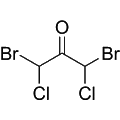
  • 1,3-Dibromo-1,3-dichloroacetone
    Cat. No.
    A96807

    1,3-Dibromo-1,3-dichloroacetone

    1,3-Dibromo-1,3-dichloroacetone is a halogenated compound classified as a disinfection byproduct (DBP) formed when chlorine or chloramine disinfection processes are applied in the presence of elevated bromide concentrations. This reagent is primarily utilized in studies focused on the formation and effects of halogenated DBPs in water treatment, with implications for public health and environmental research. Its role in elucidating the behavior and risks associated with disinfection practices makes it a valuable tool in chemical research and toxicological assessments.

    25 mg
    $1,275.00
    All 1 sizes
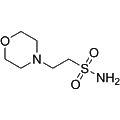
  • 2-(Morpholin-4-yl)ethane-1-sulfonamide
    Cat. No.
    A97115

    2-(Morpholin-4-yl)ethane-1-sulfonamide

    2-(Morpholin-4-yl)ethane-1-sulfonamide is a byproduct generated during the synthesis of diazo compounds. It serves as an important intermediate in organic synthesis processes, facilitating the study of reaction pathways and mechanisms. This compound may be utilized in various chemical research applications, including the development of new synthetic routes and the exploration of diazo compound characteristics.

    25 mg
    $130.00
    50 mg
    $190.00
    All 5 sizes
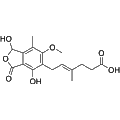
  • 3-Hydroxymycophenolic acid
    Cat. No.
    A97218

    3-Hydroxymycophenolic acid

    3-Hydroxymycophenolic acid is a microbial transformation product of Mycophenolic acid, specifically produced by Cunninghamella echinulata. This compound exhibits low cytotoxicity towards AGS cells and fibroblasts, making it a suitable candidate for biological studies. Its primary applications include research into immune-mediated renal diseases, allowing for a better understanding of therapeutic strategies and mechanisms in immunology.

    Out of stock

    All 3 sizes
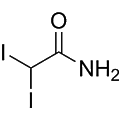
  • Diiodoacetamide
    Cat. No.
    A97304

    Diiodoacetamide

    Diiodoacetamide is a disinfection by-product (DBP) relevant in drinking water quality studies. This iodo-haloacetamide compound is formed during the chlorination process and has been identified as a potential health risk due to its ability to form reactive species. Its analysis is essential for understanding the impact of DBPs on human health and for guiding regulations on water treatment processes. Researchers utilize Diiodoacetamide in studies investigating DBP formation and toxicological assessments.

    1 mg
    $185.00
    5 mg
    $410.00
    All 3 sizes
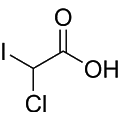
  • Chloroiodoacetic acid
    Cat. No.
    A97318

    Chloroiodoacetic acid

    Chloroiodoacetic acid is a disinfection byproduct (DBP) formed during the chlorination of water. This compound is of significant interest in environmental and health research due to its potential toxicity and effects on human health. It is commonly used in studies investigating the formation and regulation of DBPs in treated water, enabling researchers to assess the risks associated with chlorinated drinking water sources.

    1 mg
    $255.00
    5 mg
    $655.00
    All 3 sizes
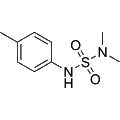
  • N,N-dimethyl-N'-p-tolylsulfamide
    Cat. No.
    A97462

    N,N-dimethyl-N'-p-tolylsulfamide

    Synonyms: DMST

    N,N-dimethyl-N'-p-tolylsulfamide (DMST) is a hydrolysis product of Tolylfluanid, functioning primarily as a metabolite in environmental studies. This compound exhibits a notable photodegradation rate in coastal seawater, surpassing that observed in deionized water and regular seawater. DMST is utilized in research applications aimed at understanding the environmental fate of pesticide metabolites and assessing their ecological impact.

    Out of stock

    All 3 sizes
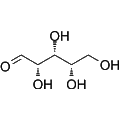
  • L-Xylose
    Cat. No.
    A97733

    L-Xylose

    Synonyms: L-(-)-Xylose

    L-Xylose is the levorotatory isomer of xylose, serving as an essential raw material in pharmaceutical synthesis. This rare sugar has various applications in creating bioactive compounds and is utilized in studies related to carbohydrate metabolism and absorption. Its unique properties make it valuable for research in glycosylation processes and metabolic pathways.

    500 mg
    $20.00
    1 g
    $25.00
    All 6 sizes
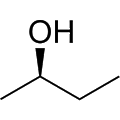
  • (R)-(-)-2-Butanol
    Cat. No.
    A97862

    (R)-(-)-2-Butanol

    (R)-(-)-2-Butanol is the chiral isomer of 2-Butanol, known for its role in signaling behaviors among the white grub beetle, Dasylepida ishigakiensis, where it attracts males. This compound serves as an important intermediate in pharmaceutical synthesis through coupling reactions, making it valuable for research in synthetic organic chemistry and biochemistry applications. Its unique properties facilitate investigations into chiral environment effects and the development of enantioselective processes.

    200 mg
    $25.00
    1 g
    $30.00
    All 3 sizes
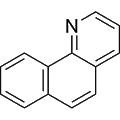
  • Benzo[h]quinoline
    Cat. No.
    A97972

    Benzo[h]quinoline

    Synonyms: α-Naphthoquinoline

    Benzo[h]quinoline is an environmental pollutant known for its mutagenic properties. It has been identified as a compound of interest in studies exploring its effects on genetic mutations. Additionally, derivatives of Benzo[h]quinoline demonstrate the ability to interact with G-quadruplex structures, making them valuable tools for research in molecular biology and cancer studies.

    200 mg
    $20.00
    5 g
    $25.00
    All 7 sizes
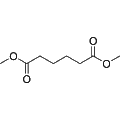
  • Dimethyl adipate
    Cat. No.
    A98346

    Dimethyl adipate

    Synonyms: Hexanedioic acid dimethyl ester

    Dimethyl adipate, also known as hexanedioic acid dimethyl ester, functions primarily as a plasticizer due to its ability to enhance the flexibility and durability of polymer materials. This aliphatic dicarboxylate compound is also utilized as an intermediate in various organic synthesis pathways, contributing to the development of diverse chemical products. Its properties make it relevant in research applications focused on material science and polymer chemistry.

    25 g
    $20.00
    50 g
    $25.00
    All 4 sizes
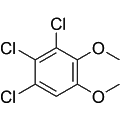
  • 3,4,5-Trichloroveratrole
    Cat. No.
    A98820

    3,4,5-Trichloroveratrole

    3,4,5-Trichloroveratrole is a biodegradation product resulting from the O-methylation of tri- and tetrachloroguaiacols by bacteria. These chloroguaiacols are commonly generated as byproducts during the bleaching of wood pulp in paper manufacturing. This compound may be utilized in research aimed at understanding microbial degradation pathways and the environmental impact of chlorinated compounds. Additionally, its study can provide insights into bioremediation strategies for the removal of chlorinated pollutants.

    25 mg
    $1,275.00
    All 1 sizes
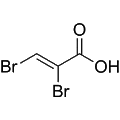
  • 2,3-Dibromoacrylic acid
    Cat. No.
    A98867

    2,3-Dibromoacrylic acid

    2,3-Dibromoacrylic acid is a dibromo derivative of acrylic acid, which is recognized as the simplest unsaturated carboxylic acid. This compound serves as an important chemical intermediate in various organic synthesis pathways. Its unique structure and reactivity make it valuable for research applications in the development of new materials and pharmaceuticals, including the study of chemical reactivity and functional group transformations.

    25 mg
    $1,275.00
    50 mg
    $1,625.00
    All 3 sizes
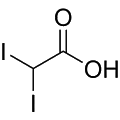
  • Diiodoacetic acid
    Cat. No.
    A98885

    Diiodoacetic acid

    Diiodoacetic acid is a disinfection by-product (DBP) generated during the chlorination process of drinking water. This compound is of significant interest in environmental research due to its potential health impacts and occurrence in treated water sources. It is utilized in studies investigating the formation and degradation of organic DBPs, contributing to an understanding of water quality and safety.

    5 mg
    $50.00
    10 mg
    $80.00
    All 5 sizes
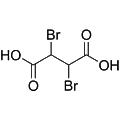
  • 2,3-Dibromosuccinic acid
    Cat. No.
    A98907

    2,3-Dibromosuccinic acid

    2,3-Dibromosuccinic acid serves as an isomeric counterpart of (±)-2,3-Dibromosuccinic acid, effectively functioning as an experimental control in biochemical assays. This compound plays a crucial role as a key intermediate in the synthesis of various dicarboxylic acid derivatives, facilitating research in organic and medicinal chemistry. Its application extends to studies on enzymatic reactions and metabolic pathways, contributing valuable insights into the behavior of brominated succinic acids in biological systems.

    25 g
    $25.00
    All 1 sizes
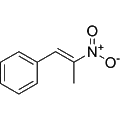
  • 1-Phenyl-2-nitropropene
    Cat. No.
    A98974

    1-Phenyl-2-nitropropene

    1-Phenyl-2-nitropropene is a reduction product of acetophenone that serves as a precursor for the synthesis of chiral amines. This compound exhibits significant utility in organic chemistry, particularly in asymmetric synthesis and the development of pharmaceutical intermediates. Its reactivity and structural properties make it valuable for research applications in amine functionalization and enantioselective reactions.

    1 mg
    $65.00
    5 mg
    $195.00
    All 2 sizes
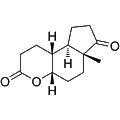
  • δ-Lactone
    Cat. No.
    B10146

    δ-Lactone

    δ-Lactone is an A-ring degradation product that serves as a crucial intermediate in the synthesis of steroid hormones, including Estrone and Estradiol, along with their derivatives. Its role in the biosynthesis of these important compounds makes it valuable for research in endocrinology and steroid biochemistry. This reagent is essential for studies related to hormone synthesis and metabolic pathways involving estrogenic activity.

    25 g
    $25.00
    50 g
    $45.00
    All 3 sizes

Items 251-275 of 361

Added to your cart

View Cart Checkout

    Loading...