Impurities & Reference Standards

Impurities & Reference Standards collects environmental contaminants, industrial chemicals and drug stereoisomers. Many entries are substances monitored in environmental and food analysis, such as the plasticizer dimethyl phthalate and the polycyclic aromatic hydrocarbon fluorene. Flame retardants are represented by the organophosphate triphenyl phosphate and by brominated compounds. Perfluorodecanoic acid belongs to the per- and polyfluoroalkyl substances (PFAS), a class known for persistence in the environment. A second group holds enantiomers and isomers of research compounds, such as (R)-Asundexian, the (R)-enantiomer of the factor XIa inhibitor asundexian. Such isomers support stereochemical comparison and the development of chromatographic separation methods. Process-related and degradation compounds of individual drugs are listed separately under Drug Impurity.

Items 226-250 of 361

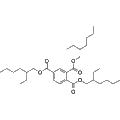
  • Trioctyl trimellitate
    Cat. No.
    A93474

    Trioctyl trimellitate

    Synonyms: TOTM

    Trioctyl trimellitate (TOTM) is a high-performance plasticizer primarily targeting polyvinyl chloride (PVC) polymers. It enhances material flexibility by modifying the interactions between PVC molecular chains, thus improving plasticity. TOTM is of particular interest in research concerning the safety and compatibility of materials used in medical devices.

    1 mg
    $20.00
    5 g
    $25.00
    All 4 sizes
  • Diisobutyl hydrogen phosphate
    Cat. No.
    A93573

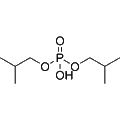
    Diisobutyl hydrogen phosphate

    Diisobutyl hydrogen phosphate is a flame retardant that functions by disrupting the combustion process. It exhibits effective thermal resistance, making it valuable for enhancing the fire safety of various materials. This compound is widely utilized in polymer formulations and coatings, contributing to the development of safer and more durable fire-resistant products.

    5 mg
    $150.00
    10 mg
    $240.00
    All 3 sizes
  • Antiblaze 100
    Cat. No.
    A93607

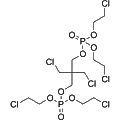
    Antiblaze 100

    Synonyms: Antiblaze V6

    Antiblaze 100 is a halogenated organophosphate that functions as a flame retardant through the inhibition of combustion processes. This compound demonstrates effective flame-retardant properties, making it suitable for incorporation in various polymers and materials. Its application is significant in enhancing fire safety in consumer products, textiles, and electronics, contributing to compliance with safety regulations and standards in fire prevention.

    1 mg
    $120.00
    5 mg
    $245.00
    All 3 sizes
  • Butyl diphenyl phosphate
    Cat. No.
    A93630

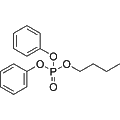
    Butyl diphenyl phosphate

    Butyl diphenyl phosphate is a chemical compound primarily serving as a flame retardant. It functions by inhibiting the combustion of materials, making it valuable in the production of fire-resistant plastics and coatings. This reagent is essential for research into the development of safer materials in various industrial applications.

    5 mg
    $55.00
    10 mg
    $90.00
    All 5 sizes
  • Bisphenol A bis(diphenyl phosphate)
    Cat. No.
    A93716

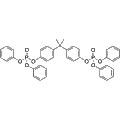
    Bisphenol A bis(diphenyl phosphate)

    Bisphenol A bis(diphenyl phosphate) acts primarily as a flame retardant. It exhibits significant efficacy in both condensed phase and gas phase action, making it valuable for enhancing fire resistance in various materials. This compound is widely used in research focused on material safety, fire resistance properties, and the development of flame-retardant polymers.

    10 mg
    $20.00
    25 mg
    $30.00
    All 6 sizes
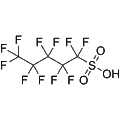
  • Perfluoropentanesulfonic acid
    Cat. No.
    A93929

    Perfluoropentanesulfonic acid

    Synonyms: PFPeS

    Perfluoropentanesulfonic acid (PFPeS) is a per- and polyfluoroalkyl substance (PFAS) that is widely recognized for its strong chemical stability and persistence in the environment. It serves as a critical target in research focused on environmental monitoring and the assessment of PFAS contamination in wastewater systems. Its biological activity includes potential impacts on human health and ecosystems, making it essential for studies investigating PFAS effects and remediation strategies.

    Out of stock

    All 3 sizes
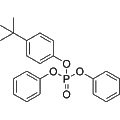
  • 4-(tert-Butyl)phenyl diphenyl phosphate
    Cat. No.
    A93935

    4-(tert-Butyl)phenyl diphenyl phosphate

    Synonyms: p-t-Butylphenyl diphenyl phosphate

    4-(tert-Butyl)phenyl diphenyl phosphate functions primarily as a flame retardant. It exhibits effective thermal stability and is utilized to enhance the fire resistance of various materials. Its applications extend to the formulation of lubricants, where it aids in improving performance and durability under high-temperature conditions. This compound is a valuable reagent in research focusing on fire safety and material science.

    10 mg
    $25.00
    25 mg
    $55.00
    All 4 sizes
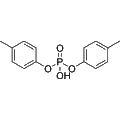
  • Di-p-Tolyl phosphate
    Cat. No.
    A93966

    Di-p-Tolyl phosphate

    Di-p-Tolyl phosphate functions primarily as a flame retardant, effectively inhibiting the spread of flames in various materials. Its chemical properties enhance the fire resistance of polymers and textiles, making it valuable in both industrial and consumer applications. This reagent is widely used in research focused on fire safety and material science, contributing to the development of safer products.

    5 mg
    $95.00
    10 mg
    $150.00
    All 3 sizes
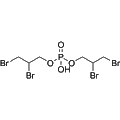
  • Bis(2,3-dibromopropyl) hydrogen phosphate
    Cat. No.
    A93977

    Bis(2,3-dibromopropyl) hydrogen phosphate

    Bis(2,3-dibromopropyl) hydrogen phosphate functions as a flame retardant through its ability to release phosphoric acid upon thermal decomposition, effectively interrupting combustion reactions. This compound is utilized in various materials to enhance fire resistance, making it valuable in polymer and textile industries. Its application in research aids in the development of safer, flame-resistant materials that comply with stringent safety regulations.

    1 mg
    $80.00
    5 mg
    $200.00
    All 4 sizes
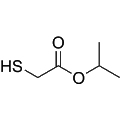
  • Propan-2-yl 2-sulfanylacetate
    Cat. No.
    A94005

    Propan-2-yl 2-sulfanylacetate

    Synonyms: Isopropyl thioglycolate

    Propan-2-yl 2-sulfanylacetate, also known as isopropyl thioglycolate, acts as a stabilizer for dyes and serves as a valuable additive in flame retardants. This compound enhances the thermal stability and fire resistance of materials. Additionally, it can be utilized in the formulation of metal cleaning agents, contributing to effective surface maintenance and treatment.

    25 mg
    $20.00
    50 mg
    $35.00
    All 5 sizes
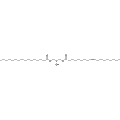
  • 1-Oleoyl-3-palmitoylglycerol
    Cat. No.
    A94071

    1-Oleoyl-3-palmitoylglycerol

    1-Oleoyl-3-palmitoylglycerol is a byproduct formed during the isomerization of diacylglycerol. This compound can be utilized in biochemical studies to investigate lipid metabolism and regulatory mechanisms associated with energy storage and utilization. Its role as a structural analog in lipid signaling pathways makes it a valuable reagent for researchers studying glycerolipids and their biological functions.

    5 mg
    $110.00
    10 mg
    $180.00
    All 5 sizes
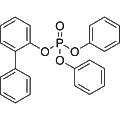
  • 2-Biphenylyl phenyl phosphate
    Cat. No.
    A94090

    2-Biphenylyl phenyl phosphate

    Synonyms: o-Phenylphenyl bisphenyl phosphate

    2-Biphenylyl phenyl phosphate primarily functions as a flame retardant, effectively inhibiting combustion in polymeric materials. Its application as a plastic additive enhances thermal stability and fire resistance, making it valuable for the development of safer materials in various industrial contexts. This compound is widely utilized in research focused on improving fire safety standards and material engineering.

    10 mg
    $30.00
    25 mg
    $55.00
    All 4 sizes
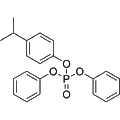
  • 4-(1-Methylethyl)phenyl diphenyl phosphate
    Cat. No.
    A94189

    4-(1-Methylethyl)phenyl diphenyl phosphate

    4-(1-Methylethyl)phenyl diphenyl phosphate acts as a flame retardant through its ability to disrupt the combustion process in various materials. This compound is essential in enhancing fire safety in plastics, textiles, and coatings, making it valuable for researchers studying fire retardancy mechanisms and applications in materials science. Its effectiveness and stability under thermal conditions make it suitable for use in both laboratory and industrial environments.

    5 mg
    $35.00
    10 mg
    $60.00
    All 5 sizes
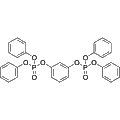
  • 1,3-Phenylene tetraphenyl bis(phosphate)
    Cat. No.
    A94280

    1,3-Phenylene tetraphenyl bis(phosphate)

    Synonyms: Tetraphenyl resorcinol bis(diphenylphosphate)

    1,3-Phenylene tetraphenyl bis(phosphate) is a highly effective flame retardant with a primary mechanism of inhibiting ignition and reducing flammability in various materials. This compound finds extensive application in the development of fire-resistant plastics, textiles, and coatings, contributing to enhanced safety in numerous industrial and consumer products. Its chemical structure allows for optimal dispersion and performance in fire prevention strategies, making it a valuable reagent in research focused on material safety and fire retardancy.

    5 mg
    $30.00
    10 mg
    $45.00
    All 5 sizes
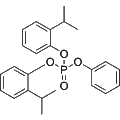
  • Bis(2-isopropylphenyl) phenyl phosphate
    Cat. No.
    A94506

    Bis(2-isopropylphenyl) phenyl phosphate

    Bis(2-isopropylphenyl) phenyl phosphate is a flame retardant that functions by interrupting the combustion process. This compound exhibits significant effectiveness in reducing flammability in various materials, making it valuable in applications requiring enhanced fire safety. Its ability to form a protective char layer contributes to its utility in the development of fire-resistant products. Research in material science and safety testing often employs this compound to evaluate its performance in flame retardancy.

    5 mg
    $150.00
    10 mg
    $240.00
    All 4 sizes
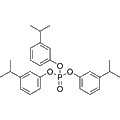
  • Tris(3-isopropylphenyl) phosphate
    Cat. No.
    A94632

    Tris(3-isopropylphenyl) phosphate

    Tris(3-isopropylphenyl) phosphate acts as a flame retardant by interfering with the combustion process. This compound is utilized in various applications to enhance fire safety in materials, providing protection against ignition and flame spread. Its efficacy makes it a valuable reagent in the research and development of fire-resistant products across multiple industries.

    5 mg
    $45.00
    10 mg
    $75.00
    All 4 sizes
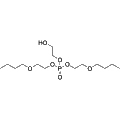
  • Bis(2-butoxyethyl) 2-hydroxyethyl phosphate
    Cat. No.
    A94692

    Bis(2-butoxyethyl) 2-hydroxyethyl phosphate

    Bis(2-butoxyethyl) 2-hydroxyethyl phosphate acts as a flame retardant by promoting the formation of a protective char layer upon thermal degradation. This phosphorous-containing compound effectively reduces flammability, making it suitable for use in a variety of polymeric materials. Its applications extend to enhancing fire resistance in textiles, plastics, and coatings, contributing to improved safety standards in consumer and industrial products.

    5 mg
    $190.00
    10 mg
    $305.00
    All 3 sizes
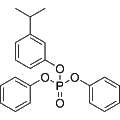
  • 3-Isopropylphenyl diphenyl phosphate
    Cat. No.
    A94795

    3-Isopropylphenyl diphenyl phosphate

    3-Isopropylphenyl diphenyl phosphate is a flame retardant that inhibits combustion by disrupting the thermal degradation of materials. Its primary mechanism involves the formation of a protective char layer, enhancing fire resistance in polymers and other substrates. This compound is utilized in research applications focused on improving the safety and performance of materials in various industries, including construction and electronics.

    5 mg
    $55.00
    10 mg
    $85.00
    All 5 sizes
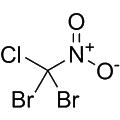
  • Dibromochloronitromethane
    Cat. No.
    A94833

    Dibromochloronitromethane

    Dibromochloronitromethane is a halonitromethane compound recognized for its role as a disinfection by-product (DBP) in drinking water. It has been identified in various studies related to water quality and safety, serving as a key marker for assessing the presence of DBPs. This compound is essential for research focused on environmental health, specifically in the analysis and mitigation of the effects of water disinfection processes.

    5 mg
    $230.00
    10 mg
    $380.00
    All 2 sizes
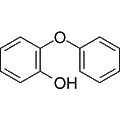
  • 2-Phenoxyphenol
    Cat. No.
    A95065

    2-Phenoxyphenol

    Synonyms: o-Phenoxyphenol

    2-Phenoxyphenol is a significant product formed through the photocatalytic reduction and dechlorination of Triclosan. This compound exhibits low toxicity, making it suitable for use as a chemical raw material in various applications. Its primary biological activity is linked to its role in the transformation of environmental pollutants, facilitating research into sustainable chemical processes and remediation technology.

    25 mg
    $25.00
    100 mg
    $30.00
    All 5 sizes
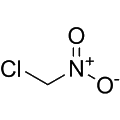
  • Chloronitromethane
    Cat. No.
    A95076

    Chloronitromethane

    Chloronitromethane is a member of the halonitromethanes class, identified as a disinfection by-product in drinking water. This compound is formed through the chlorination of organic matter and can serve as a key indicator in studies of water quality and environmental health. Research applications include investigations into the occurrence, formation mechanisms, and possible health effects of chlorine-derived DBPs.

    50 mg
    $480.00
    All 1 sizes
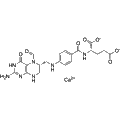
  • Calcium dextrofolinate
    Cat. No.
    A95104

    Calcium dextrofolinate

    Synonyms: (6R)-Leucovorin calcium; (6R)-Folinic acid calcium

    Calcium dextrofolinate is a stereoisomer of Calcium folinate, functioning primarily as a rescue agent for mitigating methotrexate-induced toxicity. This biological folic acid derivative promotes rapid cellular recovery by enhancing nucleotide synthesis and counteracting the effects of antifolate therapies. It is commonly used in clinical settings to protect healthy tissues during cancer treatment, making it a valuable reagent for research in cancer pharmacology and toxicology.

    1 mg
    $385.00
    5 mg
    $985.00
    All 6 sizes
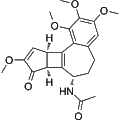
  • γ-Lumicolchicine
    Cat. No.
    A95133

    γ-Lumicolchicine

    γ-Lumicolchicine is an inactive analogue of Colchicine, serving as a valuable experimental control in studies of Colchicine's pharmacological effects. This compound provides a means to differentiate between the specific actions of Colchicine and background activities in cellular assays. It is particularly useful in research applications examining microtubule dynamics, inflammation, and related cellular processes.

    1 mg
    $305.00
    5 mg
    $625.00
    All 5 sizes
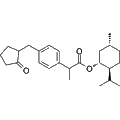
  • Loxoprofen L-menthol ester
    Cat. No.
    A95142

    Loxoprofen L-menthol ester

    Loxoprofen L-menthol ester is a degradation product of Loxoprofen sodium, a non-steroidal anti-inflammatory compound known for its analgesic and antipyretic effects. This ester is relevant in pharmacological research for studying metabolic pathways and the stability of non-steroidal anti-inflammatory drugs. Its potential applications include evaluating drug efficacy and safety profiles in various therapeutic contexts.

    5 mg
    $75.00
    10 mg
    $125.00
    All 5 sizes
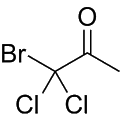
  • 1-Bromo-1,1-dichloroacetone
    Cat. No.
    A95251

    1-Bromo-1,1-dichloroacetone

    1-Bromo-1,1-dichloroacetone is a chlorine dioxide disinfection byproduct (DBP) that emerges during the disinfection of drinking water. This compound is significant for studies focusing on the formation and regulation of DBPs, as well as their potential health effects. Its identification and characterization are crucial for understanding water quality and safety, making it relevant for environmental research and water treatment applications.

    25 mg
    $300.00
    50 mg
    $545.00
    All 3 sizes

Items 226-250 of 361

Added to your cart

View Cart Checkout

    Loading...