Impurities & Reference Standards

Impurities & Reference Standards collects environmental contaminants, industrial chemicals and drug stereoisomers. Many entries are substances monitored in environmental and food analysis, such as the plasticizer dimethyl phthalate and the polycyclic aromatic hydrocarbon fluorene. Flame retardants are represented by the organophosphate triphenyl phosphate and by brominated compounds. Perfluorodecanoic acid belongs to the per- and polyfluoroalkyl substances (PFAS), a class known for persistence in the environment. A second group holds enantiomers and isomers of research compounds, such as (R)-Asundexian, the (R)-enantiomer of the factor XIa inhibitor asundexian. Such isomers support stereochemical comparison and the development of chromatographic separation methods. Process-related and degradation compounds of individual drugs are listed separately under Drug Impurity.

Items 201-225 of 361

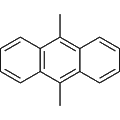
  • 9,10-Dimethylanthracene
    Cat. No.
    A88876

    9,10-Dimethylanthracene

    9,10-Dimethylanthracene is a polycyclic aromatic hydrocarbon recognized for its ability to induce DNA damage. This compound serves as an important tool in research focused on the carcinogenic potential of environmental pollutants, allowing for the investigation of mechanisms underlying toxicological effects and cancer risk assessment. Its role in studying the biochemical pathways of DNA interaction makes it essential for advancing knowledge in environmental health and safety research.

    25 mg
    $25.00
    250 mg
    $30.00
    All 5 sizes
  • 1-Ethenylpyrene
    Cat. No.
    A89054

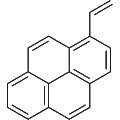
    1-Ethenylpyrene

    Synonyms: 1-Vinylpyrene

    1-Ethenylpyrene is recognized for its role as an anti-chemical carcinogen, primarily targeting the inhibition of skin tumor formation. It effectively obstructs the initiation of tumors induced by carcinogenic agents such as DMBA and Benzo[a]pyrene. This compound is valuable for research in cancer biology, specifically in studies focusing on tumorigenesis and chemical carcinogenesis prevention.

    5 mg
    $35.00
    10 mg
    $45.00
    All 5 sizes
  • 2-Ethylhexyl 2,3,4,5-tetrabromobenzoate
    Cat. No.
    A89349

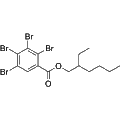
    2-Ethylhexyl 2,3,4,5-tetrabromobenzoate

    2-Ethylhexyl 2,3,4,5-tetrabromobenzoate is a brominated flame retardant that functions by improving the fire resistance of various materials. This compound exhibits effective thermal stability and can inhibit combustion processes, making it valuable in the formulation of fire-retardant polymeric materials. Its applications extend to plastic and textile industries, where reducing flammability is critical for safety and compliance standards.

    5 mg
    $95.00
    10 mg
    $160.00
    All 5 sizes
  • Tris(3-chloropropyl) phosphate
    Cat. No.
    A89384

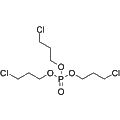
    Tris(3-chloropropyl) phosphate

    Tris(3-chloropropyl) phosphate functions primarily as a flame retardant through its ability to form a protective char layer during combustion. It exhibits effective thermal stability and reduces flammability in various materials, making it suitable for research focused on fire safety and material science. This compound can be utilized in studies investigating the enhancement of fire resistance in polymers and textiles.

    5 mg
    $65.00
    10 mg
    $105.00
    All 4 sizes
  • Dioctyl adipate
    Cat. No.
    A89438

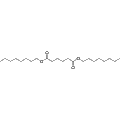
    Dioctyl adipate

    Dioctyl adipate is an organic compound primarily utilized as a plasticizer, enhancing the flexibility and durability of polymer materials. Its ability to lower the glass transition temperature and improve the processing characteristics of various plastics makes it invaluable in manufacturing applications. Dioctyl adipate is commonly used in PVC and other polyolefin formulations, contributing to improved performance in a wide range of industrial and consumer products.

    25 mg
    $20.00
    25 g
    $25.00
    All 4 sizes
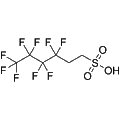
  • 1H,1H,2H,2H-Perfluorohexanesulfonic acid
    Cat. No.
    A89543

    1H,1H,2H,2H-Perfluorohexanesulfonic acid

    Synonyms: 4:2 FTSA

    1H,1H,2H,2H-Perfluorohexanesulfonic acid is a short-chain perfluoroalkyl sulfonic acid that exhibits strong binding affinity to human serum albumin. This compound is utilized in biological research to investigate interactions with proteins and other biomolecules, contributing to the understanding of its physiological effects. Its unique structure makes it a valuable reagent for studies focused on environmental science and toxicology, particularly in assessing the impacts of perfluoroalkyl substances on human health and ecosystems.

    5 mg
    $70.00
    10 mg
    $115.00
    All 2 sizes
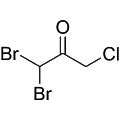
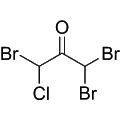
  • 1,1-Dibromo-3-chloroacetone
    Cat. No.
    A89690

    1,1-Dibromo-3-chloroacetone

    1,1-Dibromo-3-chloroacetone is a halogenated compound that acts as a disinfection byproduct, primarily targeting ozone and chlorine-chloramine systems. It is formed at elevated bromide concentrations when chlorine or chloramine is utilized as secondary disinfectants. This reagent is instrumental in studying the formation and effects of disinfection byproducts in water treatment processes, aiding research into the implications for public health and environmental safety.

    25 mg
    $1,275.00
    All 1 sizes
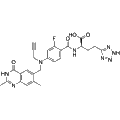
  • (R)-Plevitrexed
    Cat. No.
    A89762

    (R)-Plevitrexed

    Synonyms: (R)-ZD 9331; (R)-BGC9331

    (R)-Plevitrexed is a enantiomer of Plevitrexed, targeting thymidylate synthase (TS) as a potent inhibitor. While exhibiting reduced biological activity compared to its counterpart, (R)-Plevitrexed serves as a valuable click chemistry reagent due to its alkyne group. It is capable of undergoing copper-catalyzed azide-alkyne cycloaddition (CuAAc), facilitating efficient labeling and conjugation in various biological research applications.

    25 mg
    $2,285.00
    50 mg
    $2,935.00
    All 3 sizes
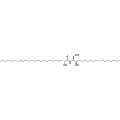
  • C24 (2'(R)-Hydroxy) dihydro ceramide (d18:0/24:0)
    Cat. No.
    A89788

    C24 (2'(R)-Hydroxy) dihydro ceramide (d18:0/24:0)

    Synonyms: (R)-2'-Hydroxy cer(d18:0/24:0); (R)-2'-Hydroxy ceramide (d18:0/24:0); N-(R)-α-C24 Dihydro ceramide (d18:0/24:0)

    C24 (2'(R)-Hydroxy) dihydro ceramide (d18:0/24:0) is the 2R-isomer of the dihydro ceramide variant. This compound is implicated in lipid metabolism and cellular signaling pathways, playing a crucial role in cell differentiation and apoptosis. It serves as an important reagent for research in sphingolipid biology and its associated mechanisms in various physiological and pathological processes.

    0.5 mg
    $435.00
    1 mg
    $695.00
    All 2 sizes
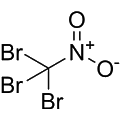
  • Tribromonitromethane
    Cat. No.
    A89916

    Tribromonitromethane

    Tribromonitromethane is a halonitromethane compound recognized as a disinfection by-product (DBP) in drinking water. This compound's formation and concentration are critical for understanding the implications of water treatment processes and their effects on public health. Tribromonitromethane is important for research applications focusing on the identification and mitigation of DBPs in water quality studies.

    Out of stock

    All 3 sizes
  • 1,1,3-Tribromo-3-chloroacetone
    Cat. No.
    A89925

    1,1,3-Tribromo-3-chloroacetone

    1,1,3-Tribromo-3-chloroacetone acts as a halogenated disinfection byproduct (DBP), interacting with chlorine or chloramine in the presence of elevated bromide levels. This compound is crucial for studies evaluating the formation and behavior of DBPs during water treatment processes. Its role in assessing the impacts of disinfection methods on environmental and human health makes it an important reagent in chemical research focused on water quality and safety.

    25 mg
    $1,275.00
    All 1 sizes
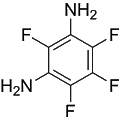
  • 1,3-Diaminotetrafluorobenzene
    Cat. No.
    A90477

    1,3-Diaminotetrafluorobenzene

    Synonyms: 2,4,5,6-Tetrafluorobenzene-1,3-diamine

    1,3-Diaminotetrafluorobenzene is a carcinogenic compound classified as an aniline derivative. It exhibits significant carcinogenic activity, making it a crucial reagent for research into cancer biology and toxicology. Its application in studies focused on understanding the mechanisms of carcinogenesis provides valuable insights into potential health risks associated with exposure to similar compounds.

    5 mg
    $40.00
    10 mg
    $60.00
    All 5 sizes
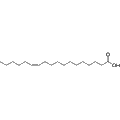
  • 12(Z)-Octadecenoic acid
    Cat. No.
    A90592

    12(Z)-Octadecenoic acid

    Synonyms: cis-12-Octadecenoic acid

    12(Z)-Octadecenoic acid is the cis-12 isomer of octadecenoic acid, characterized by its unsaturated fatty acid structure. This compound exhibits significant biological activity, including potential roles in lipid metabolism and cell membrane dynamics. It is commonly utilized in research related to fatty acid biochemistry, metabolic disorders, and the investigation of fatty acid-induced signaling pathways.

    Out of stock

    All 3 sizes
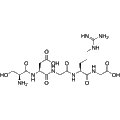
  • Ser-Asp-Gly-Arg-Gly
    Cat. No.
    A90847

    Ser-Asp-Gly-Arg-Gly

    Synonyms: SDGRG

    Ser-Asp-Gly-Arg-Gly serves as a negative control of the widely studied GRGDS peptide, which is known for its role in cell adhesion and signaling. By acting as a decoy, this peptide helps to elucidate the specific interactions and biological pathways mediated by GRGDS. Researchers can utilize Ser-Asp-Gly-Arg-Gly in experiments aimed at investigating integrin functions, cellular responses, and the effects of peptide competition in various biological systems.

    Out of stock

    All 3 sizes
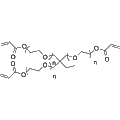
  • Trimethylolpropane ethoxylate triacrylate (MW 428)
    Cat. No.
    A91258

    Trimethylolpropane ethoxylate triacrylate (MW 428)

    Synonyms: ETPTA

    Trimethylolpropane ethoxylate triacrylate (ETPTA) functions as a plasticizer, enhancing the flexibility and durability of polymer composites. With a molecular weight of 428, ETPTA serves as a crucial component in the synthesis of nanocomposites, improving their mechanical properties and overall performance. Its applications extend to various fields, including materials science and polymer engineering, where enhanced material properties are essential for advanced applications.

    5 g
    $20.00
    10 g
    $30.00
    All 5 sizes
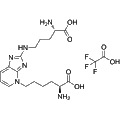
  • Pentosidine TFA
    Cat. No.
    A91736

    Pentosidine TFA

    Pentosidine TFA is an advanced glycation end product (AGE) that forms cross-links and possesses fluorescent properties. This compound serves as a valuable biomarker for various conditions including diabetes, aging, uremia, and the non-enzymatic modification of long-lived proteins. Its presence in human tissues facilitates research into the mechanisms of the Maillard reaction and its contributions to aging and related diseases.

    0.5 mg
    $270.00
    1 mg
    $510.00
    All 4 sizes
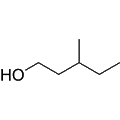
  • 3-Methylpentan-1-ol
    Cat. No.
    A91831

    3-Methylpentan-1-ol

    3-Methylpentan-1-ol is a hexanol isomer that functions primarily as a solvent and intermediate in organic synthesis. It exhibits properties that make it valuable in various chemical research applications, including the development of new formulations and the synthesis of complex organic compounds. Its unique structure and reactivity profile enhance its utility in chemical laboratories.

    1 mg
    $20.00
    5 mg
    $25.00
    All 5 sizes
  • Bromodichloroacetonitrile
    Cat. No.
    A91914

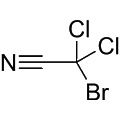
    Bromodichloroacetonitrile

    Bromodichloroacetonitrile is a nitrogen-containing disinfection byproduct that primarily targets the formation of harmful disinfection byproducts (DBPs) in treated water. This compound is utilized in environmental research to investigate its occurrence and impact on water quality, as well as its potential health risks associated with exposure. Its application in various studies helps to further understand the implications of DBPs in drinking water systems and their regulation.

    2 mg
    $80.00
    5 mg
    $95.00
    All 4 sizes
  • Bromodichloronitromethane
    Cat. No.
    A91943

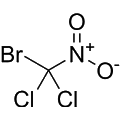
    Bromodichloronitromethane

    Bromodichloronitromethane, a member of the halonitromethanes class, acts as a disinfection by-product (DBP) found in drinking water. Its primary mechanism involves the formation during water treatment processes, posing potential health risks due to its toxicity. This compound is relevant for research in water quality and public health, particularly in studies assessing the impact of DBPs on human health and environmental safety.

    5 mg
    $235.00
    10 mg
    $385.00
    All 2 sizes
  • Dibromochloroacetamide
    Cat. No.
    A92255

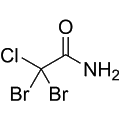
    Dibromochloroacetamide

    Dibromochloroacetamide is a haloacetamide compound that primarily targets disinfection byproducts (DBPs). It is significant in the study of water quality and safety, as it has been identified as a byproduct of drinking water chlorination. This reagent is essential for researchers investigating the health effects and environmental implications of DBPs in potable water systems.

    2.5 mg
    $345.00
    25 mg
    $1,275.00
    All 2 sizes
  • Chrysene
    Cat. No.
    A92742

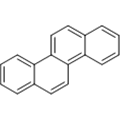
    Chrysene

    Chrysene is a high molecular weight polycyclic aromatic hydrocarbon (PAH) recognized for its role as a carcinogenic inducer. This compound exhibits significant potential for inducing malignancies in various biological systems, making it a valuable tool for cancer research. Chrysene is commonly used in studies aimed at elucidating the mechanisms of carcinogenesis and understanding the effects of environmental pollutants on human health.

    500 mg
    $30.00
    All 1 sizes
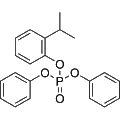
  • 2-(1-Methylethyl)phenyl diphenyl phosphate
    Cat. No.
    A93341

    2-(1-Methylethyl)phenyl diphenyl phosphate

    2-(1-Methylethyl)phenyl diphenyl phosphate functions primarily as a flame retardant by inhibiting the combustion process in materials. Its chemical properties allow it to be integrated into various substrates to enhance fire resistance, making it an important additive in the plastics and textiles industries. Research applications include material safety evaluations and the development of protective coatings.

    25 mg
    $65.00
    50 mg
    $95.00
    All 6 sizes
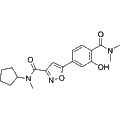
  • PFI-6N
    Cat. No.
    A93368

    PFI-6N

    PFI-6N is a negative control compound designed to provide a baseline for studies involving PFI-6. It is inactive against YEATS domains, specifically MLLT1/3 and YEATS2/4, due to the modification of its amide group that prevents methylation. This compound serves as an essential tool in research applications that require a comparison to active agents targeting the YEATS protein family.

    Out of stock

    All 3 sizes
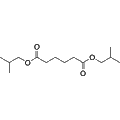
  • Diisobutyl adipate
    Cat. No.
    A93372

    Diisobutyl adipate

    Diisobutyl adipate is a plasticizer that enhances the flexibility and durability of polymer materials. Additionally, it serves as a useful compound in the formulation of antibacterial drugs, acting as a preservative to prolong shelf life and maintain efficacy. Its applications extend to various fields, including chemical research and development in materials science and pharmaceuticals.

    25 mg
    $1,275.00
    All 1 sizes
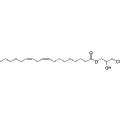
  • 1-Linoleoyl-3-chloropropanediol
    Cat. No.
    A93418

    1-Linoleoyl-3-chloropropanediol

    Synonyms: Rac-1-Linoleoyl-3-chloropropanediol

    1-Linoleoyl-3-chloropropanediol is a lipid molecule that serves as a bioactive compound in various biochemical research applications. This compound is utilized for investigating lipid metabolism and membrane dynamics, as well as exploring its potential effects on cellular signaling pathways. Its unique structure allows for the study of various lipid-related biological processes, providing insights into cellular functions and responses.

    10 mg
    $215.00
    25 mg
    $365.00
    All 3 sizes

Items 201-225 of 361

Added to your cart

View Cart Checkout

    Loading...