- Cat. No.
- A20263
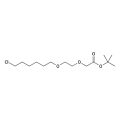
Boc-C1-PEG2-C4-Cl
Synonyms: PROTAC Linker 1
Boc-C1-PEG2-C4-Cl (PROTAC Linker 1) is a PROTAC linker utilized to connect the respective tyrosine kinase inhibitor (TKI) to the E3 recruiting ligand.
Search by product name, CAS, target or catalog number. Press Down Arrow to reach product suggestions, Tab to move between links, and Escape to close suggestions.
PROTAC linkers connect the target-protein ligand and the E3 ligase ligand of a proteolysis-targeting chimera (PROTAC). Linker length, flexibility and attachment chemistry influence whether the two ligands can bring the target and the ligase together in a ternary complex. The range includes alkyl-chain and polyethylene glycol (PEG) linkers, such as NH2-C2-NH-Boc and Cl-C6-PEG4-O-CH2COOH, with reactive or protected ends for stepwise synthesis. Some linkers already carry a ligase-binding group, for example VH032-PEG5-C6-Cl for von Hippel-Lindau (VHL) and Pomalidomide-PEG4-C-COOH for cereblon. Ready-made ligand-linker conjugates and complete degraders are listed in the neighboring PROTAC categories.
Synonyms: PROTAC Linker 1
Boc-C1-PEG2-C4-Cl (PROTAC Linker 1) is a PROTAC linker utilized to connect the respective tyrosine kinase inhibitor (TKI) to the E3 recruiting ligand.
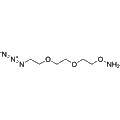
Aminooxy-PEG2-azide is a PEG-based PROTAC linker that facilitates the synthesis of protein degraders. This non-cleavable 2-unit PEG linker is also utilized in the preparation of antibody-drug conjugates (ADCs). As a versatile click chemistry reagent, it features an azide group capable of undergoing copper-catalyzed azide-alkyne cycloaddition (CuAAc) with alkyne-containing molecules, as well as strain-promoted alkyne-azide cycloaddition (SPAAC) reactions with DBCO or BCN groups. Its applications are essential in advancing targeted protein degradation and ADC development.
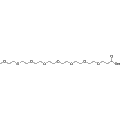
m-PEG7-CH2CH2COOH is a PEG-based PROTAC linker designed to facilitate the synthesis of targeted protein degraders. It serves as a non-cleavable linker in the development of antibody-drug conjugates (ADCs), enhancing the delivery of therapeutic agents. This compound is crucial for researchers working on PROTAC technology and ADC chemistry, enabling better modulation of protein levels in various biological systems. Its unique structure supports effective conjugation and stability for experimental applications in drug development.
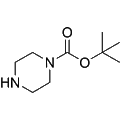
N-Boc-piperazine is a versatile alkyl/ether-based linker utilized in the synthesis of PROTACs, specifically for the development of PD-1/PD-L1 degrader-1. Its unique structure facilitates the formation of bifunctional molecules, enabling targeted protein degradation. This compound is essential for research applications focused on enhancing cancer immunotherapy and understanding the mechanisms of targeted protein modulation.
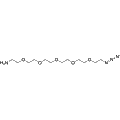
Azido-PEG5-amine is a PEG-based linker designed for PROTAC (Proteolysis Targeting Chimeras) applications, facilitating the synthesis of novel degrader molecules. This compound features an azide functional group that enables its participation in copper-catalyzed azide-alkyne cycloaddition (CuAAc) with alkyne-containing substrates, as well as in strain-promoted alkyne-azide cycloaddition (SPAAC) reactions with DBCO or BCN groups. Azido-PEG5-amine is essential for researchers exploring targeted protein degradation and enhancing drug discovery efforts.
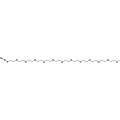
m-PEG12-azide is a PEG-based PROTAC linker designed for the synthesis of targeted protein degraders. It features an azide functional group that facilitates copper-catalyzed azide-alkyne cycloaddition (CuAAc) reactions with alkyne-containing molecules. Additionally, m-PEG12-azide is suitable for strain-promoted alkyne-azide cycloaddition (SPAAC) with DBCO or BCN derivatives. This compound is ideal for applications in chemical biology and drug discovery, particularly in the design of innovative PROTACs.
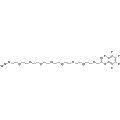
Azido-PEG8-CH2COO-PFP is a PEGylated PROTAC linker designed to facilitate the synthesis of targeted protein degraders. Functioning as a click chemistry reagent, it features an azide group that engages in copper-catalyzed azide-alkyne cycloaddition (CuAAc) with alkyne-containing molecules. Additionally, it is compatible with strain-promoted alkyne-azide cycloaddition (SPAAC) reactions involving DBCO or BCN groups. This compound is essential for researchers focused on developing novel therapeutic strategies through protein modulation.
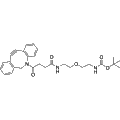
DBCO-PEG1-NH-Boc is a PEG-based linkerso designed for use in the synthesis of PROTACs (Proteolysis Targeting Chimeras). It features a dibenzocyclooctyne (DBCO) functional group, enabling efficient strain-promoted alkyne-azide cycloaddition (SPAAC) with azide-containing biomolecules. This reagent is integral in developing targeted protein degradation strategies, facilitating the specific modulation of protein levels in cellular studies.
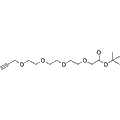
Propargyl-PEG3-OCH2-Boc is a PEG-based PROTAC linker designed for the synthesis of targeted protein degraders. This compound features an alkyne group, enabling it to participate in copper-catalyzed azide-alkyne cycloaddition (CuAAc) reactions with azide-containing molecules. Its unique properties make it a valuable tool in the development of PROTACs for targeted therapeutics and mechanistic studies in cellular biology.
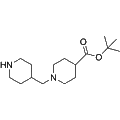
Piperidine-C-piperidine-Boc is a PROTAC linker known for its role in targeted protein degradation, specifically in the design of CDK2 degrader 2. This compound facilitates the selective ubiquitination and subsequent proteasomal degradation of target proteins, making it essential for research in cancer biology and therapeutic development. Its unique structure enables researchers to explore novel therapeutic avenues through the modulation of protein levels in various biological contexts.
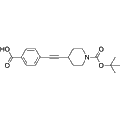
Boc-Pip-alkyne-Ph-COOH is a PROTAC linker designed for use in the synthesis of targeted protein degraders. It facilitates the development of PROTACs, including ARD-266, which effectively promotes degradation of the androgen receptor in AR-positive prostate cancer cell lines such as LNCaP, VCaP, and 22Rv1, exhibiting DC50 values of 0.2-1 nM. This compound features an alkyne group that enables copper-catalyzed azide-alkyne cycloaddition (CuAAc), making it essential for click chemistry applications in chemical biology research.
Out of stock
All 3 sizes
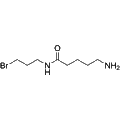
5-Amino-N-(3-bromopropyl)pentanamide is a specialized PROTAC linker that facilitates the formation of protein degrader compounds. It plays a critical role in the synthesis of the PROTAC TBL1X degrader-1, enabling targeted degradation of specific proteins within cellular pathways. This compound is essential for researchers studying targeted protein degradation and developing novel therapeutic strategies in drug development.
Out of stock
All 3 sizes