- Cat. No.
- A15865
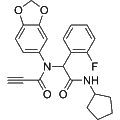
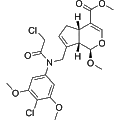
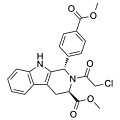
RSL3
Synonyms: 1S,3R-RSL3
RSL3 is a ferroptosis activator in a VDAC-independent manner,exhibiting selectivity for tumor cells bearing oncogenic RAS.
Search by product name, CAS, target or catalog number. Press Down Arrow to reach product suggestions, Tab to move between links, and Escape to close suggestions.
Ferroptosis inducers and inhibitors are used to study an iron-dependent form of regulated cell death. The term was introduced in 2012 for erastin-triggered cell death that differs from apoptosis and requires iron. Erastin depletes glutathione by inhibiting system xc-, the cystine/glutamate antiporter that supplies cysteine to cells. Glutathione peroxidase 4 (GPX4) reduces phospholipid hydroperoxides, and its inhibition lets lipid peroxidation accumulate to lethal levels. RSL3 and ML-210 inhibit GPX4 directly and are standard inducers in cell models. Ferrostatin-1 and liproxstatin-1 act in the opposite direction by trapping lipid radicals. Liproxstatin-1 protected mice with inducible Gpx4 deletion from acute renal failure in a 2014 study. Iron chelators such as deferiprone help to confirm the iron dependence of the process.
Synonyms: 1S,3R-RSL3
RSL3 is a ferroptosis activator in a VDAC-independent manner,exhibiting selectivity for tumor cells bearing oncogenic RAS.
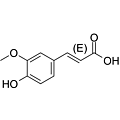
(E)-Ferulic acid is a isomer of Ferulic acid which is an aromatic compound, abundant in plant cell walls. (E)-Ferulic acid shows a potent ability to remove reactive oxygen species (ROS) and inhibits lipid peroxidation. (E)-Ferulic acid exerts both anti-proliferation and anti-migration effects in the human lung cancer cell line H1299.
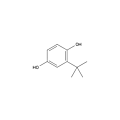
Synonyms: tert-Butylhydroquinone
TBHQ (tert-Butylhydroquinone) is a widely used Nrf2 activator, protects against Doxorubicin (DOX)-induced cardiotoxicity through activation of Nrf2.
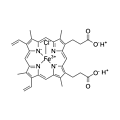
Synonyms: Hemin chloride
Hemin is an iron-containing porphyrin. Hemin is an Heme oxygenase (HO)-1 inducer.
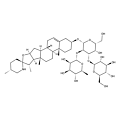
Solasonine is a naturally occurring steroidal glycoalkaloid isolated from *Solanum melongena* (eggplant), known for its anti-infective, anticancer, and neurogenesis-promoting properties. It acts as a ferroptosis inducer by disrupting the glutathione redox system through inhibition of glutathione peroxidase 4 (GPX4). By promoting ferroptotic cell death in hepatocellular carcinoma (HCC) cells, Solasonine serves as a valuable compound for investigating ferroptosis mechanisms and developing novel anticancer strategies.
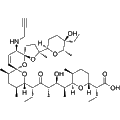
Ironomycin is an apoptosis and ferroptosis inducer that targets critical pathways in cancer biology. This compound demonstrates selective inhibitory effects against mantle cell lymphoma (MCL) cells by inducing cell cycle arrest and promoting apoptosis and ferroptosis. Ironomycin causes double-strand DNA breaks and activates the unfolded protein response (UPR), particularly through the IRE1α signaling pathway. The combination of Ironomycin with Ibrutinib yields a synergistic effect, making it a valuable reagent for studying MCL and exploring therapeutic strategies in cancer research.
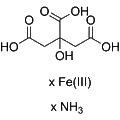
Synonyms: Ammonium ferric citrate; FAC
Ammonium iron(III) citrate serves as a ferroptosis activator through the induction of intracellular iron overload. By increasing cellular iron levels, it promotes oxidative stress and contributes to ferroptotic cell death. This compound is valuable for research involving cellular iron metabolism, oxidative stress studies, and investigations into ferroptosis-related pathways. Additionally, it may enhance protein production, making it relevant for applications in biochemical assays and cellular biology research.
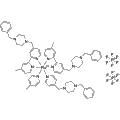
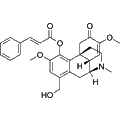
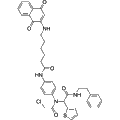
Ferroptosis Inducer-6 is a potent inducer of ferroptosis, primarily functioning through the generation of reactive oxygen species (ROS) and the induction of oxidative stress and mitochondrial damage. This compound exhibits anti-tumor activity and serves as a valuable tool for research in type I and II photodynamic therapy. Its ability to trigger ferroptotic cell death makes it significant for studies focused on cancer treatment and exploring the mechanisms of cell death pathways.
Out of stock
All 3 sizes
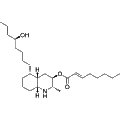
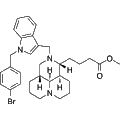
Lepadin E is a potent ferroptosis inducer that activates cell death through the classical p53-SLC7A11-GPX4 pathway. By promoting p53 expression and downregulating SLC7A11 and GPX4, Lepadin E enhances reactive oxygen species (ROS) and lipid peroxide production while increasing ACSL4 expression. This mechanism underlies its significant antitumor efficacy, making Lepadin E a valuable tool for studying ferroptosis in cancer research.
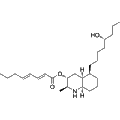
Lepadin H is a potent ferroptosis and apoptosis inducer, demonstrating significant in vitro cytotoxicity and in vivo antitumor efficacy against cancer cells. This compound functions by decreasing the levels of GPX4 and SLC7A11, while enhancing p53 and ACSL4 expression. Lepadin H promotes the generation of lipid hydroperoxides and increases reactive oxygen species (ROS), leading to a reduction in cellular glutathione (GSH) levels and lipid peroxidation. Additionally, it causes G2/M phase cell cycle arrest and inhibits the clonogenic growth and migration of melanoma cells, making it a valuable tool for cancer research.
AX-53802 is a potent ferroptosis inducer that targets glutathione peroxidase 4 (GPX4) with an IC50 value of 0.34 µM. This compound covalently binds to GPX4, facilitating membrane translocation and subsequent triggering of ferroptotic cell death. In combination with FAK/Src inhibitors, AX-53802 enhances the induction of cell death, making it a valuable tool for cancer research and studies involving ferroptosis mechanisms.
Out of stock
All 3 sizes
Ferroptosis inducer-7 selectively induces ferroptosis via the inositol 1,4,5-trisphosphate receptor (IP3R) and calcium release-activated calcium channel protein (ORAI). This compound demonstrates significant biological activity in alleviating symptoms of anemia, suppressing activation of bone marrow cytotoxic T lymphocytes (CTLs), and enhancing hematopoietic function in cases of immune-mediated bone marrow failure. Ferroptosis inducer-7 is valuable for research applications focused on aplastic anemia and related hematological conditions.
Out of stock
All 3 sizes
Anticancer agent 147 is a ferroptosis inducer that promotes intracellular accumulation of Fe2+, reactive oxygen species (ROS), and malondialdehyde (MDA). This compound enhances endoplasmic reticulum (ER) stress and upregulates the expression of activating transcription factor ATF3. Anticancer agent 147 exhibits significant anti-liver cancer effects in both in vitro and in vivo models, making it a valuable tool for research in cancer therapy and cell death mechanisms.
GIC-20 is a dual inducer of apoptosis and ferroptosis, acting on key cellular pathways involved in programmed cell death. This compound demonstrates significant antitumor efficacy, particularly against fibrosarcoma. GIC-20 is valuable for research applications aimed at exploring mechanisms of cell death and potential therapeutic strategies in cancer biology.
Out of stock
All 3 sizes
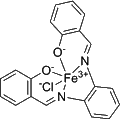
Chlorido[N,N'-disalicylidene-1,2-phenylenediamine]iron(III) acts as a ferroptosis inducer by generating lipid-based reactive oxygen species (ROS). This compound is instrumental for research exploring the mechanisms of ferroptosis, a form of regulated cell death characterized by iron-dependent lipid peroxidation. It is valuable for studies investigating cancer biology, neurodegenerative diseases, and other conditions where ferroptosis plays a critical role.
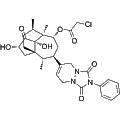
Ferroptocide is a potent inducer of ferroptosis, a form of regulated cell death characterized by iron-dependent lipid peroxidation. It effectively induces oxidative stress, resulting in G2/M cell cycle arrest and apoptosis in LNCaP cells, and significantly reduces cell viability in both LNCaP and TRAMP-C1 prostate cancer cell lines. Ferroptocide serves as a valuable tool for investigating mitochondrial autophagy and evaluating its potential to trigger immunogenic cell death (ICD) in prostate cancer research.
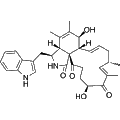
Chaetoglobosin E is a potent ferroptosis inducer that targets and downregulates GPX4 expression in human tumor cell lines. It exhibits significant cytotoxic effects, with IC50 values of 9.14 μM against MDA-MB231 cells and 7.47 μM against A549 cells. The compound elevates intracellular Fe2+ levels and increases the lipid peroxidation marker malondialdehyde (MDA), resulting in mitochondrial alterations and the induction of ferroptosis. Chaetoglobosin E serves as a valuable tool for cancer research and the study of ferroptosis mechanisms.
Out of stock
All 3 sizes
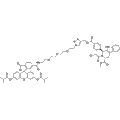
Fluorescein-diisobutyrate-6-amide is a potent ferroptosis inducer targeting the cell death pathway associated with iron metabolism. This compound primarily promotes oxidative stress, leading to lipid peroxidation and subsequent cell apoptosis. Fluorescein-diisobutyrate-6-amide is valuable for research applications in cancer biology, particularly in understanding ferroptosis mechanisms and exploring novel therapeutic strategies against various malignancies.
Out of stock
All 3 sizes
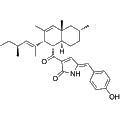
Talaroconvolutin A is a potent ferroptosis inducer that primarily acts by elevating reactive oxygen species (ROS) levels while bypassing the GPX4 pathway. This compound downregulates the expression of solute carrier family 7 member 11 (SLC7A11) and enhances arachidonic acid lipoxygenase 3 (ALOXE3) levels. Talaroconvolutin A demonstrates significant cytotoxicity in colorectal cancer cells (HCT116) and bladder cancer cells (SW480), with IC50 values of 1.22 μM and 1.4 μM, respectively. This reagent is valuable for researching ferroptosis mechanisms and therapeutic strategies in colorectal and bladder cancers.
Out of stock
All 3 sizes
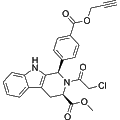
(1R,3R)-Ferroptosis inducer-1 is a selective ferroptosis inducer that demonstrates significant antitumor activity. This compound promotes ferroptotic cell death, a form of regulated necrosis characterized by lipid peroxidation, making it valuable for research in cancer biology. It has potential applications in the study of therapeutic strategies targeting ferroptosis in various cancer types.
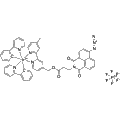
NA-Ir is a potent ferroptosis inducer that targets mitochondrial DNA (mtDNA) and activates the cGAS-STING signaling pathway, promoting ferritinophagy. It generates reactive oxygen species (ROS) through photodynamic therapy (PDT) while depleting glutathione (GSH) and downregulating glutathione peroxidase 4 (GPX4), leading to lipid peroxidation and the initiation of ferroptosis. NA-Ir demonstrates increased anticancer efficacy when exposed to light, selectively impairing cancer cells characterized by elevated levels of hydrogen sulfide (H2S).
Out of stock
All 3 sizes
Ferroptosis inducer-8 is a potent ferroptosis inducer that selectively targets other cell death pathways. It functions by modulating the expression of ACSL4, GPX4, and FTH1, thereby disrupting iron homeostasis and impairing the GSH/GPX4 antioxidant defense system. This mechanism facilitates lipid peroxidation and promotes reactive oxygen species (ROS) production. Ferroptosis inducer-8 has demonstrated efficacy in inhibiting tumor growth, making it a valuable tool for research in triple-negative breast cancer (TNBC) and other malignancies.
Out of stock
All 3 sizes
BG11 is a potent ferroptosis inducer that promotes the accumulation of Fe2+ ions and intracellular lipid peroxides, leading to ferroptotic cell death. It modulates the expression of apoptotic regulators such as Bax and Bcl-2, facilitating apoptosis in MDA-MB-231 breast cancer cells. Furthermore, BG11 causes G0/G1 and S phase cell cycle arrest, significantly inhibiting the proliferation, migration, and invasion of triple-negative breast cancer (TNBC) cells, with IC50 values of 0.49 μM for MDA-MB-231 and 0.52 μM for BT549. In preclinical mouse models, BG11 demonstrates notable antitumor efficacy.
Out of stock
All 3 sizes
Anti-TNBC agent-13 is a ferroptosis inducer designed to target and inhibit GPX4 activity. By promoting the accumulation of lipid peroxides, it triggers cell death specifically in triple-negative breast cancer (TNBC) cells. This compound serves as a valuable research tool for studying ferroptosis and its therapeutic potential in TNBC.
Out of stock
All 3 sizes