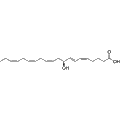
Fatty Acids & Derivatives

Fatty acids and derivatives include saturated, unsaturated and branched-chain acids together with their esters. Fatty acids are carboxylic acids with hydrocarbon chains, and they form the acyl components of most membrane and storage lipids. Polyunsaturated examples are α-linolenic acid, an essential omega-3 fatty acid, and arachidonic acid, the omega-6 precursor of prostaglandins and leukotrienes. Nonadecanoic acid is an odd-chain saturated fatty acid that appears as a reference compound in lipid analysis. Fatty acid methyl esters (FAMEs), such as methyl oleate, are standard analytes in gas chromatography of lipids. 10-OAHSA belongs to the fatty acid esters of hydroxy fatty acids (FAHFAs), a lipid class found in mammalian adipose tissue. Dicarboxylic acids such as sebacic acid are listed as well.

Items 26-50 of 291

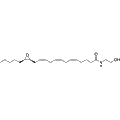
  • (±)14(15)-EET Ethanolamide
    Cat. No.
    A48691

    (±)14(15)-EET Ethanolamide

    Synonyms: (±)14(15)-Epoxy eicosatrienoyl ethanolamide

    (±)14(15)-EET Ethanolamide is a fatty acid monoepoxide that primarily targets lipid signaling pathways. This compound exhibits anti-inflammatory properties and is significant in the study of Pseudomonas aeruginosa infections and respiratory diseases. Researchers can utilize (±)14(15)-EET Ethanolamide to investigate its potential therapeutic roles and molecular mechanisms within these contexts.

    Out of stock

    All 3 sizes
  • FASN-IN-6
    Cat. No.
    A49296

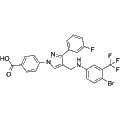
    FASN-IN-6

    FASN-IN-6 is a potent inhibitor of fatty acid biosynthesis (FAB). It demonstrates significant antibacterial activity, exhibiting minimum inhibitory concentrations (MIC) of 1 μg/mL against Staphylococcus aureus ATCC 25923 and 4 μg/mL against Enterococcus faecalis ATCC 29212. This compound is valuable for research applications focused on bacterial fatty acid biosynthesis and the development of novel antibacterial strategies.

    Out of stock

    All 3 sizes
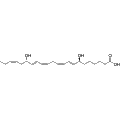
  • 17(R)-Resolvin D4
    Cat. No.
    A49528

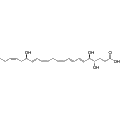
    17(R)-Resolvin D4

    Synonyms: 17(R)-RvD4

    17(R)-Resolvin D4 is the R-enantiomer of Resolvin D4, a specialized pro-resolving mediator known for its anti-inflammatory properties. This compound plays a crucial role in promoting the resolution of inflammation, particularly during S. aureus infections. Its biological activity makes it valuable in research investigating inflammatory processes and the mechanisms of resolution in various disease models.

    0.01 mg
    $280.00
    0.025 mg
    $670.00
    All 4 sizes
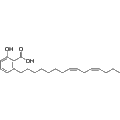
  • Anacardic acid diene
    Cat. No.
    A49878

    Anacardic acid diene

    Synonyms: Anacardic acid 15:2

    Anacardic acid diene is a polyunsaturated fatty acid that targets various biological processes. It demonstrates significant antibacterial activity against methicillin-resistant Staphylococcus aureus (MRSA) and Streptococcus mutans, with minimum inhibitory concentrations (MICs) of 12.5 and 6.25 μg/mL, respectively. Additionally, Anacardic acid diene exhibits schistosomicidal properties against adult Schistosoma mansoni worms at a concentration of 100 μM and acts as a time-dependent inhibitor of soybean lipoxygenase-1. This compound is valuable for research into antibacterial agents, schistosomiasis treatment, and lipoxygenase inhibition.

    0.5 mg
    $145.00
    1 mg
    $270.00
    All 4 sizes
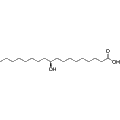
  • 10(S)-Hydroxystearic acid
    Cat. No.
    A50363

    10(S)-Hydroxystearic acid

    Synonyms: (S)-10-Hydroxyoctadecanoic acid; (S)-10-HSA

    10(S)-Hydroxystearic acid, a hydroxy fatty acid and a derivative of oleic acid, primarily functions as a drug derivative. This compound exhibits significant biological activity relevant to infection research, making it a valuable reagent for studying disease mechanisms and potential therapeutic interventions. Its unique properties facilitate investigations into lipid metabolism and inflammation pathways.

    Out of stock

    All 3 sizes
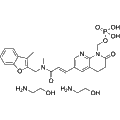
  • Afabicin diolamine
    Cat. No.
    A50554

    Afabicin diolamine

    Synonyms: Debio 1450 diolamine; AFN-1720 diolamine

    Afabicin diolamine is the proagent of Debio1452, specifically designed to target Staphylococcus species by inhibiting FabI, a crucial enzyme in fatty acid biosynthesis. This compound demonstrates potent antibacterial activity against Staphylococcus without significant effects on other Gram-positive or Gram-negative organisms. It is invaluable for research applications focused on staphylococcal infections and fatty acid metabolism.

    25 mg
    $1,275.00
    50 mg
    $1,625.00
    All 3 sizes
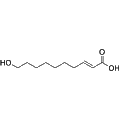
  • Royal Jelly acid
    Cat. No.
    A52233

    Royal Jelly acid

    Synonyms: (E)-Queen Bee Acid; (E)-10-Hydroxy-2-decenoic acid

    Royal Jelly Acid, also known as (E)-Queen Bee Acid, is a significant fatty acid derived from royal jelly that demonstrates oral bioavailability. This compound exhibits notable biological activities, including anti-inflammatory, anticancer, antimalarial, antiprotozoal, and neuroregulatory effects. Royal Jelly Acid is applicable in research across multiple fields, such as cancer biology, infectious diseases, immune responses, and neurological disorders.

    25 mg
    $25.00
    50 mg
    $35.00
    All 5 sizes
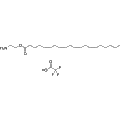
  • Virodhamine TFA
    Cat. No.
    A59260

    Virodhamine TFA

    Virodhamine TFA is an endocannabinoid that targets cannabinoid (CB) receptors, acting as an antagonist of the CB1 receptor while functioning as an agonist for the CB2 receptor. This compound induces megakaryocytic differentiation through the activation of MAPK signaling pathways and the production of reactive oxygen species (ROS). Virodhamine TFA is valuable for research related to neurological disorders, including Alzheimer's and Parkinson's diseases, offering insights into the modulation of neurotransmission and cellular differentiation.

    25 mg
    $1,275.00
    50 mg
    $1,625.00
    All 3 sizes
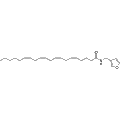
  • UCM707
    Cat. No.
    A59344

    UCM707

    UCM707 is a potent and selective endocannabinoid uptake inhibitor. By inhibiting the reuptake of anandamide, it enhances its hypokinetic and antinociceptive effects, making it a valuable tool for studying the endocannabinoid system. This compound is useful in research applications related to pain management and the modulation of motor activity.

    1 mg
    $55.00
    5 mg
    $160.00
    All 5 sizes
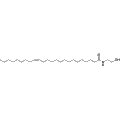
  • Nervonoyl ethanolamide
    Cat. No.
    A59356

    Nervonoyl ethanolamide

    Synonyms: NEA

    Nervonoyl ethanolamide (NEA) acts on the endocannabinoid system as a neuromodulator, influencing both presynaptic and postsynaptic signaling pathways. In addition to its role in modulating neural activity, NEA is also useful in the investigation of inflammatory processes. This compound provides valuable insights for research focused on neurobiology and inflammation-related studies.

    1 mg
    $100.00
    5 mg
    $255.00
    All 3 sizes
  • Resolvin D5 n-3 DPA
    Cat. No.
    A60851

    Resolvin D5 n-3 DPA

    Resolvin D5 n-3 DPA is a specialized proresolving lipid mediator derived from docosapentaenoic acid. It acts as an agonist for GPR101, GPR12, and GPR84, displaying EC50 values of 4.6 pM, 14 pM, and 1.5 pM, respectively. This compound exhibits potent anti-inflammatory and pro-resolution properties, effectively reducing cell adhesion on TNF-α-activated human endothelial monolayers. Furthermore, Resolvin D5 n-3 DPA enhances leukocyte functions, promoting the phagocytic activity of neutrophils and macrophages, making it valuable in research related to intestinal inflammation.

    Out of stock

    All 3 sizes
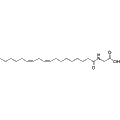
  • 1a,1b-Dihomo prostaglandin E2
    Cat. No.
    A64488

    1a,1b-Dihomo prostaglandin E2

    Synonyms: 1a,1b-Dihomo PGE2

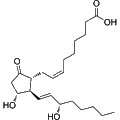
    1a,1b-Dihomo Prostaglandin E2 (PGE2) is an unsaturated fatty acid that serves as a bioactive lipid mediator. This compound demonstrates significant involvement in inflammatory responses and immune modulation, particularly within activated macrophages. It is frequently utilized in research to study the biochemical pathways of prostaglandin metabolism and the functional roles of eicosanoids in cellular signaling and inflammation.

    0.5 mg
    $345.00
    1 mg
    $385.00
    All 3 sizes
  • Butyryl-L-carnitine chloride
    Cat. No.
    A65880

    Butyryl-L-carnitine chloride

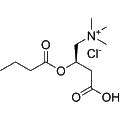
    Butyryl-L-carnitine chloride is an acylcarnitine that plays a crucial role in fatty acid metabolism by facilitating the transport of long-chain fatty acids into the mitochondria for β-oxidation. This compound has demonstrated significant biological activity in metabolic studies and is often used in research applications investigating mitochondrial function, energy metabolism, and related metabolic disorders. Additionally, it serves as a valuable biomarker in clinical studies focused on metabolic health.

    5 mg
    $55.00
    10 mg
    $95.00
    All 5 sizes
  • 10-Hydroxyhexadecanoic acid
    Cat. No.
    A65942

    10-Hydroxyhexadecanoic acid

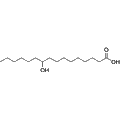
    10-Hydroxyhexadecanoic acid is a hydroxy fatty acid that targets key lipid transport processes. It effectively promotes cholesterol efflux via the transporters ABCA1 and ABCG1, thereby mitigating excess intracellular cholesterol accumulation. This reagent is valuable for research applications related to anti-atherosclerosis and lipid metabolism.

    5 mg
    $80.00
    10 mg
    $125.00
    All 5 sizes
  • (17E)-Prostaglandin F3α
    Cat. No.
    A67838

    (17E)-Prostaglandin F3α

    Synonyms: 17-trans-PGF3α

    (17E)-Prostaglandin F3α is a double bond isomer of Prostaglandin F3α, functioning primarily through the prostaglandin pathway. This compound exhibits significant anti-inflammatory properties, making it valuable for research into inflammation-related conditions and the biological effects of dietary fatty acids. Its potential role as a metabolite of trans dietary fatty acids further supports its relevance in nutritional and metabolic studies.

    Out of stock

    All 3 sizes
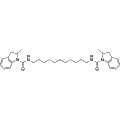
  • Prostaglandin F3α
    Cat. No.
    A67842

    Prostaglandin F3α

    Synonyms: PGF3α

    Prostaglandin F3α (PGF3α) is a bioactive lipid mediator derived from eicosapentaenoic acid (EPA) known for its anti-cancer and anti-inflammatory properties. It functions as a substrate for the ATP-binding cassette transporter ABCC4, exhibiting a Km of 12.1 μM. PGF3α is particularly relevant for research involving metabolic conditions, including diabetes, offering insights into its underlying mechanisms and potential therapeutic targets.

    0.05 mg
    $130.00
    0.1 mg
    $230.00
    All 4 sizes
  • Linoleoyl glycine
    Cat. No.
    A68190

    Linoleoyl glycine

    Linoleoyl glycine is a modified polyunsaturated fatty acid that primarily targets human KCNQ1/KCNE1 channels. It has been shown to activate these channels when expressed in Xenopus oocytes, demonstrating significant potential for research in cardiac ion channel physiology. This compound can be utilized to study the modulation of membrane potentials and the effects of fatty acid derivatives on channel activity.

    1 mg
    $155.00
    5 mg
    $355.00
    All 7 sizes
  • Bay-02752
    Cat. No.
    A69256

    Bay-02752

    Synonyms: Bay o 2752

    Bay-02752 is a lipid-lowering agent that primarily inhibits acyl-CoA activity in liver microsomes, exhibiting an IC50 of 0.95 μg/mL. This compound effectively reduces intestinal cholesterol absorption in rat models and has been shown to inhibit gallstone formation in hamsters. Bay-02752 serves as a valuable research tool for studying lipid metabolism and potential therapeutic strategies for hyperlipidemia.

    25 mg
    $1,275.00
    50 mg
    $1,625.00
    All 3 sizes
  • Methyl arachidate
    Cat. No.
    A69419

    Methyl arachidate

    Synonyms: Methyl icosanoate

    Methyl arachidate, also known as methyl icosanoate, is a lipid component that specifically inhibits leukotriene A4 hydrolase (LTA4H). This compound is derived from various flowering plants and exhibits no antifeedant activity against Leptinotarsa decemlineata, making it a relevant candidate for studies in lipid metabolism and plant-insect interactions. Its unique properties can be useful in research applications focusing on lipid function and bioactivity in plant systems.

    100 mg
    $20.00
    500 mg
    $25.00
    All 4 sizes
  • Acyl coenzyme A synthetase
    Cat. No.
    A69607

    Acyl coenzyme A synthetase

    Synonyms: ACS

    Acyl coenzyme A synthetase (ACS) primarily targets acetyl-CoA synthetase and plays a crucial role in fatty acid metabolism. This enzyme catalyzes the activation of fatty acids by coenzyme A through a two-step thioesterification reaction, resulting in the production of acyl-CoA. Acyl-CoA is essential for various anabolic and catabolic lipid metabolism pathways and is involved in the TCA cycle during aerobic respiration, making it a vital component in energy production and metabolic regulation studies.

    100 mg
    $110.00
    All 1 sizes
  • 14(S)-HDHA
    Cat. No.
    A70173

    14(S)-HDHA

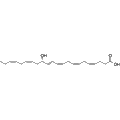
    Synonyms: 14(S)-HDoHE

    14(S)-HDHA is an oxygenation product derived from Docosahexaenoic acid (DHA), targeting the carbon 14-lipoxygenation pathway. It serves as a significant biomarker for assessing the activation of this pathway, and it is essential for research applications focusing on lipid metabolism and inflammatory processes. 14(S)-HDHA can be utilized in studies examining the impact of DHA on cellular signaling and potential therapeutic roles in various disease states.

    0.025 mg
    $150.00
    All 1 sizes
  • (±)14-HDHA
    Cat. No.
    A70349

    (±)14-HDHA

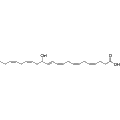
    Synonyms: (±)14-HDoHE; 14-hydroxy Docosahexaenoic acid

    (±)14-HDHA is an oxygenation product of Docosahexaenoic acid (DHA), specifically functioning as a target for lipoxygenase pathways. It serves as a key marker for the activation of the carbon 14-lipoxygenation pathway related to DHA metabolism. This compound is valuable for research in lipid biochemistry and its role in inflammatory processes, shedding light on potential therapeutic targets in various diseases.

    0.025 mg
    $160.00
    0.05 mg
    $555.00
    All 3 sizes
  • Myristoyl coenzyme A triammonium
    Cat. No.
    A70375

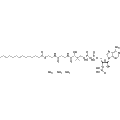
    Myristoyl coenzyme A triammonium

    Synonyms: 14:0 Coenzyme A triammonium; S-Tetradecanoate-CoA triammonium; S-Tetradecanoate-coenzyme A triammonium

    Myristoyl coenzyme A triammonium is an activated form of long-chain fatty acids, specifically classified as a long-chain acyl-CoA. It plays a significant role as a lipid metabolite, involved in various metabolic processes. This compound is essential for studying lipid metabolism, fatty acid synthesis, and related biochemical pathways in cellular and molecular research applications.

    1 mg
    $270.00
    All 1 sizes
  • (±)17(18)-DiHETE
    Cat. No.
    A70465

    (±)17(18)-DiHETE

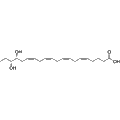
    (±)17(18)-DiHETE is an oxidized lipid and a metabolite of Eicosapentaenoic Acid, an essential omega-3 long-chain polyunsaturated fatty acid. This compound exhibits bioactive properties that may influence inflammatory processes and cellular signaling pathways. It is widely utilized in research applications focused on lipid metabolism, oxidative stress, and the role of oxylipins in various physiological and pathological conditions.

    Out of stock

    All 3 sizes
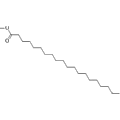
  • 9(S)-HEPE
    Cat. No.
    A70604

    9(S)-HEPE

    9(S)-HEPE, a hydroxy fatty acid, is a bioactive metabolite of eicosapentaenoic acid. This compound plays a crucial role in inflammatory response modulation and has been shown to exhibit beneficial effects on vascular health. Its research applications extend to studies involving lipid metabolism, inflammatory processes, and potential therapeutic effects in cardiovascular diseases.

    0.025 mg
    $445.00
    0.05 mg
    $840.00
    All 3 sizes

Items 26-50 of 291

Added to your cart

View Cart Checkout

    Loading...