Fatty Acids & Derivatives

Fatty acids and derivatives include saturated, unsaturated and branched-chain acids together with their esters. Fatty acids are carboxylic acids with hydrocarbon chains, and they form the acyl components of most membrane and storage lipids. Polyunsaturated examples are α-linolenic acid, an essential omega-3 fatty acid, and arachidonic acid, the omega-6 precursor of prostaglandins and leukotrienes. Nonadecanoic acid is an odd-chain saturated fatty acid that appears as a reference compound in lipid analysis. Fatty acid methyl esters (FAMEs), such as methyl oleate, are standard analytes in gas chromatography of lipids. 10-OAHSA belongs to the fatty acid esters of hydroxy fatty acids (FAHFAs), a lipid class found in mammalian adipose tissue. Dicarboxylic acids such as sebacic acid are listed as well.

Items 101-125 of 291

  • 6,9,12,15-Hexadecatetraenoic acid-ethyl ester
    Cat. No.
    A73574

    6,9,12,15-Hexadecatetraenoic acid-ethyl ester

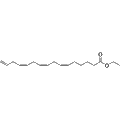
    6,9,12,15-Hexadecatetraenoic acid-ethyl ester is a polyunsaturated fatty acid that exhibits significant biological activity, particularly in lipid metabolism. This compound has been shown to effectively reduce plasma triglyceride levels in murine models, making it valuable for research related to metabolic disorders and cardiovascular health. Its applications include studying the effects of n-1 PUFAs on lipid profiles and investigating potential therapeutic strategies for hyperlipidemia.

    2 mg
    $995.00
    All 1 sizes
  • Cytochrome P450
    Cat. No.
    A73686

    Cytochrome P450

    Cytochrome P450 refers to a family of monooxygenase enzymes that facilitate the conversion of fatty acids into terminal alkenes through the utilization of hydrogen peroxide as a co-substrate. As membrane-bound hemoproteins, these enzymes are integral to various biological processes, including drug detoxification, cellular metabolism, and maintenance of homeostasis. Their study is crucial for understanding metabolic pathways and responses to environmental changes, making them valuable reagents for pharmacological and biochemical research applications.

    0.5 mg
    $1,040.00
    All 1 sizes
  • Idroxioleic acid
    Cat. No.
    A73766

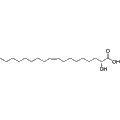
    Idroxioleic acid

    Synonyms: (R)-2-Hydroxyoleic acid; (R)-2-OHOA; (R)-LAM561

    Idroxioleic acid, also known as (R)-2-Hydroxyoleic acid, is an orally active fatty acid that primarily targets membrane lipid composition and structure. It has been shown to exhibit antitumor activities, making it a valuable tool for cancer research. Its ability to modulate membrane dynamics provides insights into the biochemical pathways involved in tumor progression and offers potential therapeutic avenues for treatment.

    25 mg
    $1,275.00
    All 1 sizes
  • γ-Linolenoyl-CoA
    Cat. No.
    A73769

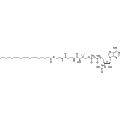
    γ-Linolenoyl-CoA

    Synonyms: 6Z,9Z; 12Z-Octadecatrienoyl-coenzyme A; γ-Linolenoylcoenzyme A; 12Z-Octadecatrienoyl-CoA

    γ-Linolenoyl-CoA is a fatty acyl-CoA derivative that serves as a key intermediate in lipid metabolism. It plays a significant role in the biosynthesis of polyunsaturated fatty acids and is essential for studying lipid profiles in various biological systems. This compound is particularly valuable in lipidomics research for the analysis of fatty acid-CoA species using LC-MS/MS techniques.

    5 mg
    $1,495.00
    All 1 sizes
  • rel-Sanleng acid
    Cat. No.
    A73864

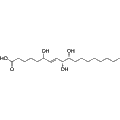
    rel-Sanleng acid

    Rel-Sanleng acid is a selectively oxidized lipid compound, specifically (9R*,10S*,7E)-6,9,10-trihydroxyoctadec-7-enoic acid, isolated from Hedyotis corymbosa. This compound serves as a valuable biochemical marker, enabling the differentiation of Hedyotis corymbosa from the closely related species Hedyotis diffusa. Its unique structure and biological activity make it useful in studies involving lipid signaling and metabolite profiling.

    Out of stock

    All 3 sizes
  • Dihomo-γ-Linolenic acid methyl ester
    Cat. No.
    A73870

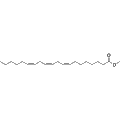
    Dihomo-γ-Linolenic acid methyl ester

    Dihomo-γ-Linolenic acid methyl ester is an n-6 polyunsaturated fatty acid that serves as a precursor to arachidonic acid and is primarily metabolized to the anti-inflammatory eicosanoid prostaglandin E1 through the cyclooxygenase (COX) pathway. This compound exhibits notable anti-inflammatory and anti-proliferative properties, making it valuable in research related to inflammation and cell proliferation. Its applications extend to studies on inflammatory diseases and potential therapeutic interventions.

    1 mg
    $155.00
    5 mg
    $360.00
    All 5 sizes
  • Decanoyl coenzyme A triammonium
    Cat. No.
    A73970

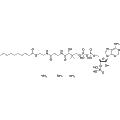
    Decanoyl coenzyme A triammonium

    Synonyms: Decanoyl-COA triammonium; 10:0 Coenzyme A

    Decanoyl Coenzyme A triammonium serves as a primer in the fatty acid elongation pathway, specifically within Mycobacterium smegmatis. This compound plays a critical role in the biosynthesis of long-chain fatty acids, facilitating the elongation process. Researchers can utilize Decanoyl CoA triammonium for studies related to lipid metabolism and the exploration of cellular mechanisms in mycobacterial species.

    Out of stock

    All 3 sizes
  • Omega-3 acid ethyl esters
    Cat. No.
    A74015

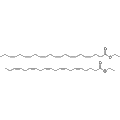
    Omega-3 acid ethyl esters

    Synonyms: P-OM3

    Omega-3 acid ethyl esters are omega-3 polyunsaturated fatty acids that primarily target lipid metabolism. These compounds exhibit significant potential in reducing triglyceride levels and supporting cardiovascular health. They are commonly utilized in research related to severe hypertriglyceridemia and other cardiovascular diseases, providing insights into lipid regulation and cardiovascular risk factors.

    Out of stock

    All 3 sizes
  • (5Z,14Z)-5,14-Eicosadienoic acid
    Cat. No.
    A74057

    (5Z,14Z)-5,14-Eicosadienoic acid

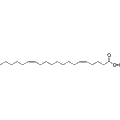
    (5Z,14Z)-5,14-Eicosadienoic acid is a ω-6 fatty acid characterized by its 20-carbon chain and two double bonds at the 5th and 14th positions. This compound plays a significant role in biological processes, including cell membrane structure and signaling pathways. Its applications extend to research in lipid metabolism, inflammatory responses, and various physiological functions.

    Out of stock

    All 3 sizes
  • (S)-3-Hydroxyhexanoyl-CoA
    Cat. No.
    A74080

    (S)-3-Hydroxyhexanoyl-CoA

    Synonyms: L-3-Hydroxyhexanoyl-CoA

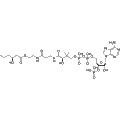
    (S)-3-Hydroxyhexanoyl-CoA is a hydroxy fatty acyl-CoA that plays a crucial role in fatty acid metabolism. It functions as a substrate for various enzymatic reactions involved in the biosynthesis and degradation of fatty acids. This compound is particularly relevant in studies focused on lipid metabolism, mitochondrial function, and metabolic disorders. It serves as an important reagent for researchers investigating the roles of hydroxy fatty acids in cellular processes.

    Out of stock

    All 3 sizes
  • 9(Z),12(E)-Octadecadienoic Acid
    Cat. No.
    A74124

    9(Z),12(E)-Octadecadienoic Acid

    Synonyms: C18:2(9E,12Z); C18:2 n-6

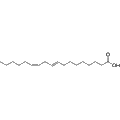
    9(Z),12(E)-Octadecadienoic Acid is an unsaturated fatty acid that exhibits properties similar to those of linoleic acid. This compound plays a key role in various biological processes, including regulation of inflammation and lipid metabolism. It is primarily utilized in research focused on fatty acid physiology, nutrition, and the effects of dietary fats on health. Additionally, alterations in its levels have been observed in animal models following specific dietary interventions, indicating its significance in metabolic studies.

    Out of stock

    All 3 sizes
  • cis-11,14-Eicosadienoic acid methyl ester
    Cat. No.
    A74134

    cis-11,14-Eicosadienoic acid methyl ester

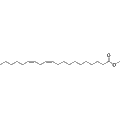
    Cis-11,14-Eicosadienoic acid methyl ester is a lipid-soluble derivative of the ω-6 fatty acid 11(Z),14(Z)-eicosadienoic acid, classified as a polyunsaturated fatty acid (PUFA). This compound exhibits biological activity by competitively inhibiting inosine 5’-monophosphate dehydrogenase (Ki=3.1 μM) and blocking LTB4 binding to its receptors on neutrophils (Ki=3.0 μM). Furthermore, serum levels of eicosadienoic acids have been shown to negatively correlate with sleep disturbance. In vivo, eicosadienoic acids can be converted by desaturases into eicosatrienoic acids, which are recognized as potent vasodilators, making this compound relevant for cardiovascular research.

    50 mg
    $280.00
    100 mg
    $320.00
    All 2 sizes
  • (±)11(12)-EpETE
    Cat. No.
    A74139

    (±)11(12)-EpETE

    Synonyms: (±)11,12-EEQ; (±)11,12-Epoxyeicosatetraenoic acid

    (±)11(12)-EpETE, also known as (±)11,12-EEQ, is a hydroxylated derivative of eicosapentaenoic acid (EPA), a critical component of omega-3 polyunsaturated fatty acids (PUFAs). This compound plays a significant role in cellular signaling and inflammatory processes, making it vital for studying the biological effects of omega-3 fatty acids. Its applications include research into cardiovascular health, inflammation, and metabolic pathways associated with PUFA metabolism.

    0.025 mg
    $85.00
    0.05 mg
    $155.00
    All 4 sizes
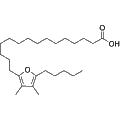
  • 3,4-Dimethyl-5-pentyl-2-furanpentadecanoic acid
    Cat. No.
    A74173

    3,4-Dimethyl-5-pentyl-2-furanpentadecanoic acid

    3,4-Dimethyl-5-pentyl-2-furanpentadecanoic acid is a serum metabolic marker that plays a significant role in lipid metabolism. This compound can serve as a potential biomarker in research applications aimed at understanding metabolic disorders and the effects of various dietary components. Pre-treatment with lauric acid has been demonstrated to specifically enhance the serum levels of this metabolite, providing insights into its physiological relevance.

    Out of stock

    All 3 sizes
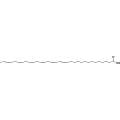
  • Dotriaconta-14,17,20,23,26,29-hexaenoic acid
    Cat. No.
    A74198

    Dotriaconta-14,17,20,23,26,29-hexaenoic acid

    Dotriaconta-14,17,20,23,26,29-hexaenoic acid is a very long-chain polyunsaturated fatty acid (VLCPUFA) that plays a potential role in retinal function and health. While its specific mechanisms of action remain largely unexplored, this C32:6 fatty acid is believed to influence photoreceptor cell activity and may be involved in developmental processes within the retina. Research applications include studies on macular degeneration and the biosynthesis of fatty acids in neural tissues.

    0.5 mg
    $210.00
    1 mg
    $380.00
    All 2 sizes
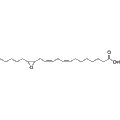
  • (±)14(15)-EpEDE
    Cat. No.
    A74256

    (±)14(15)-EpEDE

    Synonyms: (±)14,15-Epoxyeicosadienoic acid

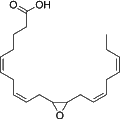
    (±)14(15)-EpEDE is a polyunsaturated fatty acid that serves as a key regulator of cellular signaling pathways. It is known to modulate various biological activities, including inflammation and endothelial function. This compound has applications in vascular research, particularly in studies involving endothelial cells and the investigation of cardiovascular diseases.

    0.025 mg
    $140.00
    0.05 mg
    $260.00
    All 4 sizes
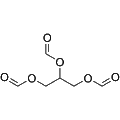
  • Glyceryl Triformate
    Cat. No.
    A74297

    Glyceryl Triformate

    Synonyms: Triglyceride

    Glyceryl Triformate is a triglyceride that serves as a primary storage and transport form of fatty acids within cells and plasma. It participates in lipoprotein formation with cholesterol esters and is crucial in lipid metabolism and circulation. Elevated levels of Glyceryl Triformate can lead to hypertriglyceridemia, increasing the risk of atherosclerotic cardiovascular disease and pancreatitis, making it significant for research in metabolic disorders and cardiovascular health.

    50 mg
    $175.00
    100 mg
    $275.00
    All 4 sizes
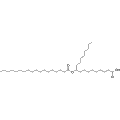
  • 10-SAHSA
    Cat. No.
    A74299

    10-SAHSA

    10-SAHSA is an endogenous lipid classified as a branched fatty acid ester of hydroxy fatty acids (FAHFAs). It plays a significant role in various biological processes, particularly in metabolic regulation and inflammation modulation. Research applications include the investigation of lipid signaling pathways and their implications in metabolic disorders and immune responses.

    1 mg
    $140.00
    5 mg
    $560.00
    All 3 sizes
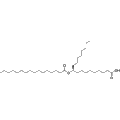
  • 10(S)-PAHSA
    Cat. No.
    A74321

    10(S)-PAHSA

    10(S)-PAHSA is a stereoisomer of 10-PAHSA and is categorized as an endogenous lipid within the family of branched fatty acid esters of hydroxy fatty acids (FAHFAs). This compound is known to exhibit various biological activities, such as modulating metabolic processes and influencing insulin sensitivity. It serves as a valuable research tool for studying lipid metabolism, inflammatory responses, and potential therapeutic interventions in conditions like diabetes and obesity.

    Out of stock

    All 3 sizes
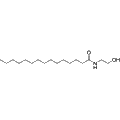
  • Pentadecanoyl ethanolamide
    Cat. No.
    A74323

    Pentadecanoyl ethanolamide

    Pentadecanoyl ethanolamide is an endogenous lipid amide derivative, specifically a N-acylethanolamine. It exhibits anticonvulsant activity in electroshock models in mice while demonstrating low toxicity. This compound is primarily utilized in research exploring the neuroprotective effects of lipid amides and their potential therapeutic applications in seizure disorders.

    5 mg
    $110.00
    10 mg
    $210.00
    All 5 sizes
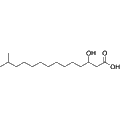
  • iso-C15:0 3-OH
    Cat. No.
    A74361

    iso-C15:0 3-OH

    iso-C15:0 3-OH is a fatty acid known for its potent biological activity and is derived from the bacterium strain PLRT. This strain, characterized as a rod-shaped, Gram-negative, chemo-organotrophic, and strictly aerobic organism, was isolated from the feces of the mollusc Aplysia punctata. iso-C15:0 3-OH is utilized in studies investigating lipid metabolism and microbial interactions, making it a valuable reagent for chemical research in microbiology and metabolic pathways.

    Out of stock

    All 3 sizes
  • 9(S)-HpOTrE
    Cat. No.
    A74362

    9(S)-HpOTrE

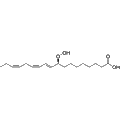
    9(S)-HpOTrE is a monohydroperoxy polyunsaturated fatty acid generated through the action of 5-lipoxygenase on α-linolenic acid. It exhibits key biological activities as a substrate for further oxidation, leading to the formation of 9,16-dihydroperoxy acid. Additionally, 9(S)-HpOTrE can be metabolized into colnelenic acid by divinyl ether synthase, typically found in garlic and potato microsomes. This compound is valuable in research applications focused on lipid biochemistry and the study of oxidative signaling pathways.

    0.1 mg
    $320.00
    0.5 mg
    $760.00
    All 3 sizes
  • Erucic acid sodium
    Cat. No.
    A74363

    Erucic acid sodium

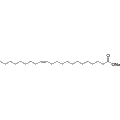
    Erucic acid sodium is a monounsaturated fatty acid (MUFA) derived from the seeds of Raphanus sativus L. This compound can effectively cross the blood-brain barrier (BBB) and has demonstrated potential in normalizing the accumulation of very long-chain fatty acids in the brain. Research indicates that erucic acid sodium may enhance cognitive function and exhibit protective effects against dementia-related impairments.

    10 mg
    $55.00
    All 1 sizes
  • 4-hydroxy Nonenal Mercapturic Acid
    Cat. No.
    A74395

    4-hydroxy Nonenal Mercapturic Acid

    4-Hydroxy Nonenal Mercapturic Acid (4-HNE) is a metabolic product formed from the peroxidation of ω-6 polyunsaturated fatty acids, including linoleic acid, dihomo-γ-linolenic acid, and arachidonic acid. This compound is primarily involved in the detoxification pathways, rapidly cleared from plasma, and excreted in the urine as mercapturic acid conjugates. Research applications encompass investigations into oxidative stress, lipid peroxidation, and the resulting effects on cellular signaling and disease mechanisms, particularly in relation to inflammation and metabolic disorders. The identification of its various metabolites enriches understanding of metabolic and detoxification processes in vivo.

    1 mg
    $230.00
    5 mg
    $1,025.00
    All 3 sizes
  • Decanoyl-L-carnitine
    Cat. No.
    A74432

    Decanoyl-L-carnitine

    Synonyms: (-)-Decanoylcarnitine

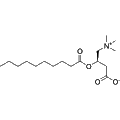
    Decanoyl-L-carnitine is a diagnostic metabolite biomarker known for its role in stimulating the formation of desaturated fatty acid metabolites from [1-14C]-22:4 (n-6) and [1-14C]-22:5 (n-3). This compound is valuable for research applications focused on lipid metabolism and fatty acid profiling, providing insights into metabolic pathways and their implications in various biological processes. Its activity may aid in understanding metabolic disorders and the roles of fatty acids in health and disease.

    5 mg
    $25.00
    10 mg
    $40.00
    All 5 sizes

Items 101-125 of 291

Added to your cart

View Cart Checkout

    Loading...