Sphingolipids

Sphingolipids are membrane lipids built on a sphingoid base, with ceramide as their central intermediate. In cells, serine and palmitoyl-coenzyme A condense into sphingoid bases, which are then N-acylated to ceramides and extended into sphingomyelin and glycosphingolipids. Ceramides of defined chain length are represented by C6 Ceramide, C8-Ceramide and C24:1-Ceramide, which differ in how they partition into membranes. Glycosphingolipids include Cerebroside B, N-Acetylpsychosine and Ganglioside GT1b (bovine) ammonium, a sialylated ganglioside of neuronal membranes. Compounds directed at the biosynthetic enzymes are listed as well, among them the sphingomyelin synthase inhibitor malabaricone C and the sphingosine kinase inhibitor SKI-I.

Items 26-50 of 203

  • Globotriaosylsphingosine
    Cat. No.
    A66008

    Globotriaosylsphingosine

    Synonyms: Lyso-Gb3; Lyso-GL3

    Globotriaosylsphingosine (Lyso-Gb3) primarily targets Globotriaosylceramide and demonstrates significant inhibitory effects on fibroblast growth, differentiation into myofibroblasts, and collagen synthesis. This compound is valuable for research into Fabry disease and its associated cellular pathways, providing insights into the disease's pathophysiology and potential therapeutic interventions.

    1 mg
    $750.00
    5 mg
    $1,560.00
    All 2 sizes
  • C2 Adamantanyl globotriaosylceramide (d18:1/2:0)
    Cat. No.
    A67843

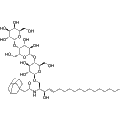
    C2 Adamantanyl globotriaosylceramide (d18:1/2:0)

    Synonyms: AdaGb3; Adamantyl Gb3; C2 Adamantanyl Ceramide Trihexoside (d18:1/2:0)

    C2 Adamantanyl globotriaosylceramide (d18:1/2:0) is a water-soluble analog of globotriaosylceramide that acts as a bioactive sphingolipid. This compound effectively reverses multidrug resistance in MDR1-expressing MDCK cells, facilitating enhanced drug uptake and efficacy. Additionally, it exhibits a high affinity for verotoxin (VT), making it a valuable tool for research into sphingolipid-related cellular responses and mechanisms of drug resistance.

    1 mg
    $530.00
    All 1 sizes
  • Sphingolipid E
    Cat. No.
    A69625

    Sphingolipid E

    Synonyms: SLE

    Sphingolipid E is a synthetic pseudoceramide sphingolipid that mimics type 2 ceramide, featuring a metastable lamellar structure. This compound serves as a potential drug carrier, facilitating controlled molecule penetration within the lipid matrix of the intercellular space of the stratum corneum. Sphingolipid E is valuable for research exploring lipid-based drug delivery systems and skin permeation studies.

    Out of stock

    All 3 sizes
  • C18-Ceramide
    Cat. No.
    A71122

    C18-Ceramide

    C18-Ceramide primarily interacts with ceramide pathways, demonstrating versatile physiological functions in cellular processes. This bioactive lipid is involved in modulating key proteins associated with endoplasmic reticulum stress, the PI3K/AKT signaling pathway, and SNARE complex dynamics. C18-Ceramide can induce apoptosis, promote autophagy, and regulate exocytosis through its effects on these pathways, making it valuable for investigations into neuronal injury mechanisms in neuroscience and therapeutic strategies for cancers, including glioma, in oncology research.

    1 mg
    $25.00
    5 mg
    $50.00
    All 6 sizes
  • C20 Ceramide
    Cat. No.
    A71221

    C20 Ceramide

    Synonyms: N-Arachidoyl-D-sphingosine

    C20 Ceramide (N-Arachidoyl-D-sphingosine) is a natural 20-carbon ceramide that functions as a critical signaling molecule in various biological processes. Its mechanism involves modulation of cellular responses related to sphingolipid metabolism, making it significant for research in cell signaling, apoptosis, and inflammation. C20 Ceramide is widely utilized in studies investigating lipid metabolism, skin barrier function, and potential therapeutic targets in various diseases.

    1 mg
    $25.00
    5 mg
    $60.00
    All 6 sizes
  • C18:1-Ceramide
    Cat. No.
    A71398

    C18:1-Ceramide

    C18:1-Ceramide is a specific subspecies of ceramide that plays a significant role in cellular signaling and metabolism. This lipid has been implicated in the regulation of insulin sensitivity and is a valuable tool for research into type 2 diabetes and related metabolic disorders. Researchers can utilize C18:1-Ceramide to investigate its effects on cellular pathways and lipid metabolism.

    1 mg
    $30.00
    5 mg
    $65.00
    All 7 sizes
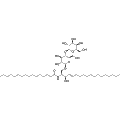
  • Galactosylceramide
    Cat. No.
    A71516

    Galactosylceramide

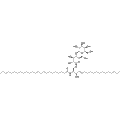
    Galactosylceramide (GalC) is a sphingolipid that primarily targets glucosylceramide, playing a significant role in various physiological and pathological processes. It is associated with lysosomal storage disorders, including Gaucher disease, and is implicated in neurodegenerative diseases characterized by the accumulation of glucosylceramide. Galactosylceramide is used in research to explore its influence on cell signaling, membrane dynamics, and disease mechanisms.

    5 mg
    $45.00
    10 mg
    $80.00
    All 3 sizes
  • LacCer (d18:1/16:0)
    Cat. No.
    A71773

    LacCer (d18:1/16:0)

    Synonyms: C16 Lactosylceramide (d18:1/16:0)

    LacCer (d18:1/16:0) is a bioactive sphingolipid that primarily targets membrane microdomains, interacting with Lyn kinase and the αi subunits of inhibitory G protein-coupled receptors (GPCRs). Its elevated levels are associated with insulin resistance, particularly noted in cattle, and it shows upregulation in models of Niemann-Pick type C1 disease, a neurodegenerative cholesterol-sphingolipid lysosomal storage disorder. LacCer (d18:1/16:0) serves as a valuable reagent for research into metabolic and neurodegenerative diseases, providing insights into sphingolipid metabolism and cell signaling.

    1 mg
    $480.00
    5 mg
    $990.00
    All 2 sizes
  • Glucosylceramide (gaucher's spleen)
    Cat. No.
    A71838

    Glucosylceramide (gaucher's spleen)

    Synonyms: Glucocerebrosides; Gaucher cerebroside; GluCers (gaucher's spleen)

    Glucosylceramide is a sphingolipid that plays a significant role in cellular signaling and membrane structure. This compound is found in both neuronal and non-neuronal mammalian tissues, as well as in trace amounts in various plant species. Elevated levels of glucosylceramides contribute to cellular protection and facilitate cell proliferation, but they are also associated with obesity-related insulin resistance in murine models and neurodegenerative deficits specific to neuronopathic Gaucher disease. This reagent can be utilized in studies exploring lipid metabolism, cellular signaling pathways, and the pathophysiology of related metabolic disorders.

    1 mg
    $175.00
    5 mg
    $685.00
    All 3 sizes
  • Endoglycoceramidase I (EGCase I)
    Cat. No.
    A72611

    Endoglycoceramidase I (EGCase I)

    Endoglycoceramidase I (EGCase I) is an enzyme that acts as a glycosidase, facilitating the transglycosylation of glycosphingolipids (GSLs). It transfers the sugar moiety of GSLs to the primary hydroxyl group of various 1-alkanols, making it a valuable tool in biochemical and enzymatic studies. EGCase I is utilized in research applications that require the manipulation of glycosidic linkages and the analysis of glycan structures.

    50 mg
    $100.00
    All 1 sizes
  • (E/Z)-C20 Ceramide
    Cat. No.
    A72634

    (E/Z)-C20 Ceramide

    Synonyms: (E/Z)-N-Arachidoyl-D-sphingosine

    (E/Z)-C20 Ceramide, a dual isomeric mixture of (Z)-C20 Ceramide and (E)-C20 Ceramide, primarily targets sphingomyelin. It plays a crucial role in the regulation of membrane fluidity and cellular signaling pathways. This compound is widely utilized in research exploring cell membrane dynamics, lipid metabolism, and the role of sphingolipids in various biological processes.

    1 mg
    $105.00
    5 mg
    $330.00
    All 2 sizes
  • C18 Ceramide-1-phosphate (d18:1/18:0) ammonium salt
    Cat. No.
    A72694

    C18 Ceramide-1-phosphate (d18:1/18:0) ammonium salt

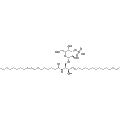
    C18 Ceramide-1-phosphate (d18:1/18:0) ammonium salt is a bioactive lipid that promotes cellular migration. It has been shown to enhance the migration of mouse bone marrow-derived multipotent stromal cells and human umbilical vein endothelial cells at concentrations ranging from 0.5 to 5 µM. Additionally, C18 Ceramide-1-phosphate (d18:1/18:0) levels are elevated in CFPAC-1 pancreatic ductal adenocarcinoma cells compared to pancreatic cancer stem cells, making it a valuable tool for studying cancer biology and cell migration mechanisms.

    1 mg
    $315.00
    5 mg
    $1,625.00
    All 2 sizes
  • C2 Dihydroceramide
    Cat. No.
    A72779

    C2 Dihydroceramide

    C2 Dihydroceramide is a ceramide derivative that promotes the ABCA1-mediated cholesterol efflux to apolipoprotein A-I (apoA-I). This compound is notable for its ability to enhance cholesterol transport without inducing cytotoxic effects. C2 Dihydroceramide serves as a valuable tool in research focusing on lipid metabolism and cardiovascular health.

    1 mg
    $55.00
    5 mg
    $170.00
    All 3 sizes
  • C32 Ceramide
    Cat. No.
    A72857

    C32 Ceramide

    C32 Ceramide is a naturally occurring sphingolipid primarily involved in maintaining skin barrier integrity. Its presence in the stratum corneum of human and nude mouse skin indicates its critical role in skin hydration and protection against environmental stressors. C32 Ceramide is widely utilized in dermatological research for studying skin disorders, barrier function, and the physiology of lipid metabolism.

    1 mg
    $155.00
    5 mg
    $510.00
    All 2 sizes
  • EOS (d18:1/30:0/18:2)
    Cat. No.
    A73131

    EOS (d18:1/30:0/18:2)

    Synonyms: N-(30-Linoleoyloxy-triacontanoyl)-sphingosine

    EOS (d18:1/30:0/18:2) is a ceramide that plays a critical role in maintaining the structural integrity and barrier function of the outer epidermis. This lipid molecule is implicated in various biological processes, including skin hydration and inflammation regulation. Its unique composition makes it valuable for research in dermatological studies and investigations into skin barrier disorders.

    1 mg
    $960.00
    All 1 sizes
  • Sphingolipid ceramide N-deacylase (SCDase)
    Cat. No.
    A73148

    Sphingolipid ceramide N-deacylase (SCDase)

    Sphingolipid ceramide N-deacylase (SCDase) specifically targets the N-acyl linkage in glycosphingolipids, facilitating the conversion of these compounds into lysoglycosphingolipids. This enzymatic activity plays a crucial role in sphingolipid metabolism, influencing cell signaling and membrane dynamics. SCDase is valuable for research focused on sphingolipid biology and its implications in various pathological conditions.

    100 mg
    $800.00
    All 1 sizes
  • Cer(d18:2_22:0)
    Cat. No.
    A73315

    Cer(d18:2_22:0)

    Cer(d18:2_22:0) is a sphingolipid metabolite with potential implications as a biomarker for Metachromatic Leukodystrophy. Its presence and levels in biological samples may assist in the diagnosis and monitoring of this neurodegenerative disorder. Research applications include studying the lipid profiles associated with various diseases, particularly those related to myelin metabolism.

    Out of stock

    All 3 sizes
  • N,N-Dihexyl sphingosine (d18:1/6:0/6:0)
    Cat. No.
    A73342

    N,N-Dihexyl sphingosine (d18:1/6:0/6:0)

    Synonyms: N,N-Dihexyl-D-erythro-sphingosine

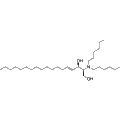
    N,N-Dihexyl sphingosine (d18:1/6:0/6:0) is a synthetic analog of C18-Ceramide that serves as a sphingolipid modulator. It has been shown to exhibit significant effects on cellular signaling pathways and lipid metabolism. This compound is valuable for studying the roles of ceramides in various biological processes, including cell proliferation, apoptosis, and inflammation, making it a useful tool in lipid research and therapeutic investigations.

    Out of stock

    All 3 sizes
  • N-Octadecenoyl-(cis-9)-sulfatide
    Cat. No.
    A73446

    N-Octadecenoyl-(cis-9)-sulfatide

    N-Octadecenoyl-(cis-9)-sulfatide serves as a specific glucosyl ceramide analog. This glycolipid is primarily located in the brains of mice and is utilized as a standard for the quantification of C18:13 '-mergogalactosyllactose in dry blood stains from patients diagnosed with metachromatic leukodystrophy (MLD). Its application in ultra-high performance liquid chromatography-mass spectrometry (UPLC-MS) facilitates precise detection and analysis for research into lysosomal storage disorders.

    1 mg
    $855.00
    All 1 sizes
  • LacCer(d18:1/24:0)
    Cat. No.
    A73462

    LacCer(d18:1/24:0)

    LacCer(d18:1/24:0) is a glycosphingolipid that plays a significant role in cell membrane integrity and signaling pathways. This lipid is primarily present in plasma and has been associated with critical illness outcomes following cardiac surgery. Research involving LacCer(d18:1/24:0) may provide insights into its function in lipid metabolism and its potential implications in various diseases.

    Out of stock

    All 3 sizes
  • Ganglioside GM1 ammonium
    Cat. No.
    A73649

    Ganglioside GM1 ammonium

    Synonyms: GM1 (d18:1/C18:0) ammonium; C18 Ganglioside GM1 (d18:1/18:0) ammonium

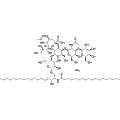
    Ganglioside GM1 ammonium is a monosialylated ganglioside that serves as a key component in cellular membranes, particularly in the brain. It provides neuroprotection by exhibiting anti-inflammatory properties and modulating membrane fluidity, which enhances the retention of gangliosides in lipid rafts. Ganglioside GM1 ammonium plays a critical role in neuronal differentiation and potentiates responses to neurotrophic factors, while also protecting neurons from excitotoxic damage. This compound is relevant in the study of neurodegenerative diseases, including Alzheimer’s disease, and offers insight into therapeutic strategies for neuroprotection and cell survival.

    Out of stock

    All 3 sizes
  • C24:1 Ganglioside GM2 (d18:1/24:1)
    Cat. No.
    A73748

    C24:1 Ganglioside GM2 (d18:1/24:1)

    Synonyms: C24:1-GM2

    C24:1 Ganglioside GM2 (d18:1/24:1) is a monosialylated ganglioside featuring nervonic acid. Its primary mechanism involves modulating cell signaling and influencing neural development. This compound is commonly utilized in biochemical studies focused on neurobiology, particularly in exploring the role of gangliosides in nervous system function and various neurodegenerative conditions.

    Out of stock

    All 3 sizes
  • C20-Dihydrosphingomyelin
    Cat. No.
    A73895

    C20-Dihydrosphingomyelin

    Synonyms: C20-DHSM; DHSM (d18:0/20:0)

    C20-Dihydrosphingomyelin (C20-DHSM) is a saturated derivative of sphingomyelin that serves as a critical component of cellular sphingolipids. Its levels are notably affected by metabolic states, such as a significant reduction observed after intermittent fasting. C20-Dihydrosphingomyelin is suitable for applications in liposome formulation and other research involving lipid bilayers, contributing to the understanding of membrane dynamics and cellular signaling pathways.

    Out of stock

    All 3 sizes
  • C16 Galactosylceramide
    Cat. No.
    A73939

    C16 Galactosylceramide

    C16 Galactosylceramide is a sphingolipid compound that plays a crucial role in lipid metabolism and immune regulation. Its biological activity is essential for understanding cellular processes related to diabetes and other metabolic disorders. This reagent is suitable for research applications focused on the mechanisms of lipid signaling and immune responses.

    1 mg
    $145.00
    5 mg
    $405.00
    All 3 sizes
  • Sphingomyelin (d18:1,C14:0)
    Cat. No.
    A74291

    Sphingomyelin (d18:1,C14:0)

    Synonyms: SM (d18:1/14:0)

    Sphingomyelin (d18:1,C14:0) is a significant sphingolipid that plays a critical role in membrane integrity and organization in mammalian cells. It enhances membrane molecular order, which is essential for various cellular processes including signaling and membrane trafficking. This compound is widely utilized in research focused on cell membrane dynamics, neurobiology, and lipid metabolism.

    1 mg
    $610.00
    25 mg
    $1,780.00
    All 4 sizes

Items 26-50 of 203

Added to your cart

View Cart Checkout

    Loading...