Anti-infectives

Anti-infectives brings together compounds that act on bacteria, fungi and viruses in microbiology research. They are used to study microbial growth, drug resistance and host-pathogen interactions. Its seven subcategories are Antibiotic, Bacterial, Fungal, Mycobacterium tuberculosis, HIV (human immunodeficiency virus), Dengue Virus and Flavivirus. Antibacterial examples include the oxazolidinone linezolid, the carbapenems imipenem and meropenem, and the glycylcycline tigecycline. Bedaquiline, a diarylquinoline, and pretomanid, a nitroimidazole, are used in Mycobacterium tuberculosis research. Among the antivirals, nelfinavir inhibits HIV-1 protease, an enzyme required for viral maturation. Compounds for a single viral enzyme or virus, such as reverse transcriptase or influenza virus, also have their own Microbiology categories.

1 Item

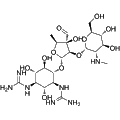
  • Streptomycin
    Cat. No.
    A46313

    Streptomycin

    Synonyms: Agrept; Agrimycin; Streptomycin A

    Streptomycin is an aminoglycoside antibiotic primarily targeting bacterial protein synthesis by binding to ribosomal RNA. It exhibits potent activity against Mycobacterium tuberculosis, making it essential for tuberculosis research. In addition, Streptomycin demonstrates bactericidal properties against various bacterial infections and interferes with nucleic acid interactions. Furthermore, this compound acts as a blocker of stretch-activated and mechanosensitive ion channels in neurons and cardiac myocytes, enabling its use in studies related to electrophysiological processes.

    50 mg
    $25.00
    100 mg
    $30.00
    All 5 sizes

1 Item

Added to your cart

View Cart Checkout

    Loading...