Anti-infectives

Anti-infectives brings together compounds that act on bacteria, fungi and viruses in microbiology research. They are used to study microbial growth, drug resistance and host-pathogen interactions. Its seven subcategories are Antibiotic, Bacterial, Fungal, Mycobacterium tuberculosis, HIV (human immunodeficiency virus), Dengue Virus and Flavivirus. Antibacterial examples include the oxazolidinone linezolid, the carbapenems imipenem and meropenem, and the glycylcycline tigecycline. Bedaquiline, a diarylquinoline, and pretomanid, a nitroimidazole, are used in Mycobacterium tuberculosis research. Among the antivirals, nelfinavir inhibits HIV-1 protease, an enzyme required for viral maturation. Compounds for a single viral enzyme or virus, such as reverse transcriptase or influenza virus, also have their own Microbiology categories.

1 Item

  • FC-14369
    Cat. No.
    A51339

    FC-14369

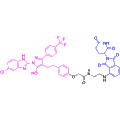
    FC-14369 is a PROTAC degrader that selectively targets the HIV-1 Nef protein, exhibiting a DC50 value of 160 nM. By engaging both Nef and the Cereblon E3 ubiquitin ligase, FC-14369 facilitates the ubiquitination and subsequent proteasomal degradation of Nef, leading to the restoration of CD4 and MHC-I expression on the cell surface and effectively inhibiting HIV-1 replication. This compound is valuable for research focused on HIV infection and AIDS, advancing understanding of therapeutic strategies in viral infections.

    1 mg
    $1,150.00
    5 mg
    $3,545.00
    All 3 sizes

1 Item

Added to your cart

View Cart Checkout

    Loading...