Fungal

Antifungal compounds in Fungal act on fungal membranes, ergosterol synthesis and other targets in yeasts and molds. Ergosterol is the main sterol of fungal membranes, so its synthesis pathway is the most common antifungal target. Azoles such as fluconazole, miconazole and oxiconazole inhibit lanosterol 14α-demethylase, a cytochrome P450 enzyme needed for ergosterol synthesis. Terbinafine and liranaftate inhibit squalene epoxidase at an earlier step of the same pathway. The morpholine amorolfine blocks later steps of ergosterol synthesis, while the polyene natamycin binds ergosterol itself. Thiabendazole, a benzimidazole, is also listed for fungal and parasitology research.

4 Items

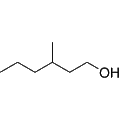
  • 3-Methyl-1-hexanol
    Cat. No.
    A27665

    3-Methyl-1-hexanol

    3-Methyl-1-hexanol is a microbial antagonist with antifungal properties, derived from the fungus Aureobasidium pullulans. This volatile organic compound exhibits effective inhibitory activity against pathogens such as Alternaria alternate and Botrytis cinerea. It serves as a valuable tool for research focused on microbial infections and fungal disease management.

    Out of stock

    All 3 sizes
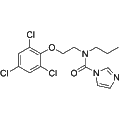
  • Prochloraz
    Cat. No.
    A33199

    Prochloraz

    Synonyms: BTS 40542

    Prochloraz is an imidazole antifungal agent that primarily functions as a dual antagonist of estrogen receptors (ER) and androgen receptors (AR), as well as an aromatase inhibitor with IC50 values of 25 μM, 4 μM, and 0.3 μM, respectively. Additionally, Prochloraz activates the aryl hydrocarbon receptor (AhR) with an EC50 of 1 μM. This compound is useful in research focused on endocrine disruption and antifungal activity, making it a valuable tool for studies in toxicology and pharmacology.

    200 mg
    $25.00
    250 mg
    $40.00
    All 4 sizes
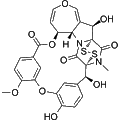
  • Emestrin
    Cat. No.
    A49059

    Emestrin

    Emestrin is a mycotoxin derived from E. striata, functioning primarily as an antimicrobial agent. It demonstrates significant activity against various fungi, including C. albicans and C. neoformans, as well as multiple bacteria, such as E. coli and MRSA, with IC50 values ranging from 0.6 to 4.55 μg/mL. Additionally, Emestrin acts as a CCR2 antagonist with an IC50 of 5.4 μM in isolated human monocytes and has been shown to induce apoptosis in HL-60 cells at a concentration of 0.1 μg/mL. In vivo studies indicate that Emestrin can induce tissue necrosis in heart, thymus, and liver at doses between 18 to 30 mg/kg in mice.

    1 mg
    $425.00
    5 mg
    $1,420.00
    All 2 sizes
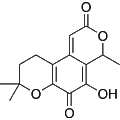
  • Fuscin
    Cat. No.
    B21790

    Fuscin

    Fuscin is a fungal metabolite that acts as a CCR5 receptor antagonist, exhibiting notable anti-HIV activity. Additionally, it has been identified as an inhibitor of respiration and oxidative phosphorylation, as well as a disruptor of mitochondrial SH-dependent transport-linked functions. This compound serves as a valuable tool in research related to HIV infection and mitochondrial function.

    1 mg
    $565.00
    5 mg
    $1,740.00
    All 2 sizes

4 Items

Added to your cart

View Cart Checkout

    Loading...