Bacterial

Bacterial lists antibacterial compounds that act on bacterial cell walls, protein synthesis and DNA replication. The range covers the main structural classes of antibacterial agents and their molecular targets. Fluoroquinolones such as enoxacin and fleroxacin inhibit DNA gyrase and topoisomerase IV, while aminoglycosides such as tobramycin bind the 30S ribosomal subunit. Cell-wall inhibitors include the cephalosporin cefdinir and the glycopeptide teicoplanin, and the macrolide roxithromycin binds the 50S subunit. Isoniazid and ethionamide, which inhibit mycolic acid synthesis, are used in mycobacterial research.

8 Items

  • Tilmicosin
    Cat. No.
    A16748

    Tilmicosin

    Synonyms: LY-177370; EL-870

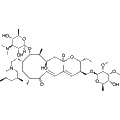
    Tilmicosin is a macrolide antibiotic and calcium channel antagonist that targets the bacterial ribosome's 50S subunit, effectively inhibiting protein synthesis. It possesses significant antimicrobial activity and is primarily utilized in treating respiratory diseases in livestock, including cattle, sheep, and pigs. Additionally, Tilmicosin exhibits immunomodulatory and anti-inflammatory properties, making it a valuable reagent in veterinary medicine research.

    100 mg
    $25.00
    500 mg
    $35.00
    All 3 sizes
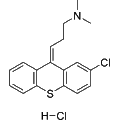
  • Chlorprothixene hydrochloride
    Cat. No.
    A17623

    Chlorprothixene hydrochloride

    Chlorprothixene hydrochloride functions as an antagonist of dopamine and histamine receptors, exhibiting Kis of 18 nM for hD1, 2.96 nM for hD2, 4.56 nM for hD3, 9 nM for hD5, and 3.75 nM for hH1 receptors. This compound demonstrates significant antipsychotic activity, making it a valuable tool for research into neuropharmacology and the mechanisms underlying psychotic disorders. Its receptor modulation also indicates potential applications in the study of bacterial inhibition mechanisms, providing insights into the interplay between neurotransmitter systems and microbial pathogenesis.

    50 mg
    $20.00
    100 mg
    $25.00
    All 4 sizes
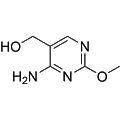
  • Bacimethrin
    Cat. No.
    A27998

    Bacimethrin

    Synonyms: NSC 66577

    Bacimethrin (NSC 66577) is an antibacterial agent that acts as an antagonist of thiamin biosynthesis. This compound effectively inhibits the growth of various bacteria and yeast, making it a valuable tool in microbiological research. Its application extends to studies investigating bacterial resistance mechanisms and the development of new antibacterial therapies.

    5 mg
    $30.00
    10 mg
    $45.00
    All 7 sizes
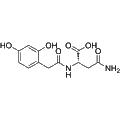
  • 2,4-Dihydroxyphenylacetylasparagine
    Cat. No.
    A47526

    2,4-Dihydroxyphenylacetylasparagine

    2,4-Dihydroxyphenylacetylasparagine acts as a potent and selective antagonist of glutamate. It effectively inhibits glutamate binding to rat brain synaptic membranes, making it a valuable tool for studying glutamatergic signaling pathways. This compound is utilized in research applications focused on neurological disorders and synaptic transmission.

    10 mg
    $140.00
    50 mg
    $545.00
    All 2 sizes
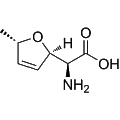
  • Furanomycin
    Cat. No.
    A48753

    Furanomycin

    Furanomycin is an anti-bacterial agent that exhibits broad-spectrum efficacy against both Gram-positive and Gram-negative bacteria. This compound inhibits the bacteriophage of Escherichia coli and acts as a competitive antagonist of L-isoleucine, making it a valuable tool for exploring bacterial resistance mechanisms and characterizing amino acid transport pathways. Its diverse biological activity supports a range of research applications in microbiology and antibiotic discovery.

    Out of stock

    All 3 sizes
  • LasR antagonist 1
    Cat. No.
    A48772

    LasR antagonist 1

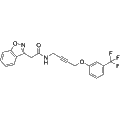
    LasR antagonist 1 is a selective antagonist of the LasR receptor, exhibiting an IC50 of 0.4 μM. This compound effectively modulates quorum sensing in the opportunistic pathogen Pseudomonas aeruginosa, making it a valuable tool for studying bacterial communication and biofilm formation. Research applications include investigations into quorum sensing mechanisms and potential therapeutic strategies against P. aeruginosa infections.

    Out of stock

    All 3 sizes
  • V-06-018
    Cat. No.
    A49219

    V-06-018

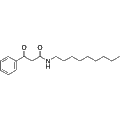
    V-06-018 is a potent antagonist of the LasR receptor, exhibiting an IC50 value of 5.2 µM. This compound serves as a valuable chemical probe for investigating quorum sensing mechanisms in Pseudomonas aeruginosa. Its ability to disrupt LasR-mediated signaling makes it a key tool for studying bacterial communication and developing strategies against biofilm-associated infections.

    25 mg
    $1,275.00
    50 mg
    $1,625.00
    All 3 sizes
  • Neoaureothin
    Cat. No.
    A49958

    Neoaureothin

    Synonyms: NSC 260179; Spectinabilin

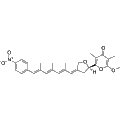
    Neoaureothin is a bacterial metabolite derived from Streptomyces that functions as an androgen receptor (AR) antagonist. It effectively inhibits the binding of dihydrotestosterone (DHT) to ARs, demonstrating an IC50 of 13 μM, and significantly reduces DHT-induced prostate-specific antigen expression in LNCaP cells with an IC50 of 1.75 nM. Additionally, Neoaureothin exhibits cytotoxic effects on A549, HCT116, and HepG2 cell lines with IC50 values of 34.3, 47, and 37.2 μg/mL, respectively. It also displays potent nematocidal activity against B. xylophilus, with an LC50 of 0.84 μg/mL, and enhances the survival of P. densiflora trees infected with this nematode.

    0.5 mg
    $490.00
    2.5 mg
    $1,760.00
    All 2 sizes

8 Items

Added to your cart

View Cart Checkout

    Loading...