Anti-infectives

Anti-infectives brings together compounds that act on bacteria, fungi and viruses in microbiology research. They are used to study microbial growth, drug resistance and host-pathogen interactions. Its seven subcategories are Antibiotic, Bacterial, Fungal, Mycobacterium tuberculosis, HIV (human immunodeficiency virus), Dengue Virus and Flavivirus. Antibacterial examples include the oxazolidinone linezolid, the carbapenems imipenem and meropenem, and the glycylcycline tigecycline. Bedaquiline, a diarylquinoline, and pretomanid, a nitroimidazole, are used in Mycobacterium tuberculosis research. Among the antivirals, nelfinavir inhibits HIV-1 protease, an enzyme required for viral maturation. Compounds for a single viral enzyme or virus, such as reverse transcriptase or influenza virus, also have their own Microbiology categories.

1 Item

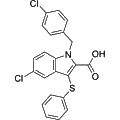
  • nTZDpa
    Cat. No.
    A39990

    nTZDpa

    nTZDpa is a partial agonist of PPARG and functions as an antibiotic. It exhibits significant antibacterial activity, particularly against both growing and persistent strains of Staphylococcus aureus, through the mechanism of lipid bilayer disruption. This compound is valuable for research applications focused on antibiotic resistance and the exploration of novel therapeutic strategies against bacterial infections.

    5 mg
    $250.00
    10 mg
    $695.00
    All 3 sizes

1 Item

Added to your cart

View Cart Checkout

    Loading...