β-lactamase

Beta-lactamase inhibitors block the bacterial enzymes that hydrolyze the β-lactam ring. Enzymatic destruction of penicillin by bacteria was described in 1940, and the structural classes of these enzymes were set out in 1980. Clavulanic acid, reported in 1977 from Streptomyces clavuligerus, is a β-lactam that inactivates serine β-lactamases, as do sulbactam and tazobactam. Avibactam and durlobactam sodium belong to the diazabicyclooctanes, a non-β-lactam scaffold that forms a reversible covalent adduct with the enzyme. The list also holds β-lactam substrates such as ceftazidime and cephalothin sodium, which serve as reference compounds when hydrolysis by different enzymes is compared. Compounds for other microbial targets appear under the sibling category Anti-infectives.

1 Item

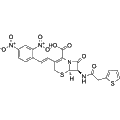
  • Nitrocefin
    Cat. No.
    A46317

    Nitrocefin

    Nitrocefin is a chromogenic substrate specifically targeting β-lactamase enzymes. It displays a characteristic color shift from yellow to red upon hydrolysis of the β-lactam ring, enabling visual quantification of β-lactamase activity. This reagent is widely utilized in studies of enzyme inhibition and the development of β-lactamase-resistant antibiotics.

    1 mg
    $55.00
    5 mg
    $115.00
    All 6 sizes

1 Item

Added to your cart

View Cart Checkout

    Loading...