SARS-CoV

SARS-CoV research compounds target coronavirus enzymes and the host responses engaged by infection. Severe acute respiratory syndrome coronavirus (SARS-CoV) and the related SARS-CoV-2 are betacoronaviruses with a single-stranded RNA genome. The main protease, also called 3C-like protease (3CLpro), cuts the viral polyproteins into functional units and is inhibited by the dipeptidyl compound GC376 sodium. Remdesivir is an adenosine nucleotide analog prodrug that the viral RNA-dependent RNA polymerase incorporates into new RNA strands. Grazoprevir, first developed against the hepatitis C virus nonstructural protein 3/4A (NS3/4A) protease, is listed among repurposed protease inhibitors. Host-directed compounds include glucocorticoid receptor agonists such as dexamethasone and the tyrosine kinase inhibitor imatinib.

1 Item

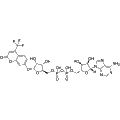
  • TFMU-ADPr
    Cat. No.
    A44564

    TFMU-ADPr

    TFMU-ADPr is a selective reporter substrate that targets the SARS-CoV-2 Macro1 protein, displaying an IC50 of 0.59 μM. This compound emits fluorescence at 502 nm (or 495 nm) upon enzymatic hydrolysis by Poly(ADP-ribose) Glycohydrolase (PARG) and ADP-ribosylhydrolase 3. TFMU-ADPr binds to the ADPr-binding site of Macro1, providing a robust method for assessing the activity of poly(ADP-ribose) hydrolases. Its applications extend to evaluating small-molecule inhibitors under in vitro conditions, investigating ADP-ribosyl catabolic enzyme mechanisms, and detecting PAR hydrolase activity in whole-cell lysates, making it a valuable tool for COVID-19-related research.

    Out of stock

    All 3 sizes

1 Item

Added to your cart

View Cart Checkout

    Loading...