Parasite

Antiparasitic compounds in Parasite act on malaria parasites, coccidia, other protozoa and parasitic worms. Parasites depend on enzymes, transporters and ion channels that differ from those of their hosts, which makes them useful subjects for comparative biochemistry. Antimalarial compounds include the cinchona alkaloid quinine and artemether, a methyl ether derivative of artemisinin that carries an endoperoxide bridge. Nitazoxanide is a thiazolide studied against both protozoa and helminths, and diclazuril is a triazine compound active against coccidia. The macrocyclic lactone doramectin belongs to the avermectin family, which acts on glutamate-gated chloride channels of nematodes and arthropods. Sulfonamides such as sulfadoxine and nitroimidazoles such as metronidazole extend the range of antiprotozoal classes.

1 Item

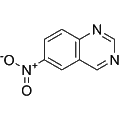
  • 6-Nitroquinazoline
    Cat. No.
    A53086

    6-Nitroquinazoline

    6-Nitroquinazoline is an antimalarial agent that functions by interfering with the biochemical processes essential for the survival of the malaria parasite. This compound has been identified as a substrate for human liver aldehyde oxidase, suggesting its potential involvement in metabolic pathways. Its biological activity makes it valuable for research in antimalarial drug development and metabolic studies.

    Out of stock

    All 3 sizes

1 Item

Added to your cart

View Cart Checkout

    Loading...