Anti-infectives

Anti-infectives brings together compounds that act on bacteria, fungi and viruses in microbiology research. They are used to study microbial growth, drug resistance and host-pathogen interactions. Its seven subcategories are Antibiotic, Bacterial, Fungal, Mycobacterium tuberculosis, HIV (human immunodeficiency virus), Dengue Virus and Flavivirus. Antibacterial examples include the oxazolidinone linezolid, the carbapenems imipenem and meropenem, and the glycylcycline tigecycline. Bedaquiline, a diarylquinoline, and pretomanid, a nitroimidazole, are used in Mycobacterium tuberculosis research. Among the antivirals, nelfinavir inhibits HIV-1 protease, an enzyme required for viral maturation. Compounds for a single viral enzyme or virus, such as reverse transcriptase or influenza virus, also have their own Microbiology categories.

19 Items

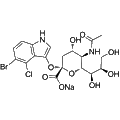
  • X-Neu5Ac sodium
    Cat. No.
    A13950

    X-Neu5Ac sodium

    Synonyms: X-NeuNAc

    X-Neu5Ac sodium is a neuraminidase substrate that facilitates the chromogenic assay of neuraminidase activity in bacterial expression systems. This compound has a Km value of 0.89 mM for neuraminidase, making it an effective tool for studying neuraminidase function and inhibition. Its use in research applications provides insights into bacterial mechanisms and potential therapeutic targets for bacterial infections.

    5 mg
    $30.00
    10 mg
    $45.00
    All 6 sizes
  • UDP-rhamnose
    Cat. No.
    A33189

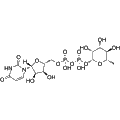
    UDP-rhamnose

    UDP-rhamnose is the activated form of rhamnose that plays a crucial role in the synthesis of rhamnose-containing glycans in fungi. This nucleotide sugar acts as a key substrate for glycosyltransferases, enabling the assembly of polysaccharides involved in the fungal cell wall. UDP-rhamnose is utilized in research focused on understanding fungal pathogenesis and the development of therapeutics for fungal infections.

    1 mg
    $90.00
    5 mg
    $220.00
    All 2 sizes
  • X-GalNAc
    Cat. No.
    A44561

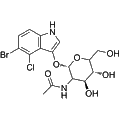
    X-GalNAc

    X-GalNAc is a chromogenic substrate that specifically targets N-acetyl-β-galactosidase. This reagent is utilized in molecular biology to detect the presence of cloned DNA inserts in bacterial colonies cultured on agar plates. The enzymatic hydrolysis of X-GalNAc results in a distinct color change, facilitating easy identification of recombinant bacterial clones in various genetic research applications.

    25 mg
    $50.00
    50 mg
    $80.00
    All 2 sizes
  • Plazomicin sulfate
    Cat. No.
    A46369

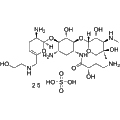
    Plazomicin sulfate

    Synonyms: ACHN 490 sulfate

    Plazomicin sulfate is a semi-synthetic aminoglycoside antibiotic that primarily targets bacterial ribosomes to disrupt protein synthesis. It functions as a substrate for aminoglycoside acetyltransferase and aminoglycoside phosphotransferase while remaining unmodified by several common aminoglycoside-modifying enzymes. Plazomicin sulfate exhibits selective inhibition of MATE2-K and demonstrates significant efficacy against multidrug-resistant bacteria, including carbapenem-resistant Enterobacterales. This compound is valuable for research applications focusing on antibiotic resistance and the mechanisms of action of aminoglycosides.

    5 mg
    $245.00
    10 mg
    $405.00
    All 2 sizes
  • Aurantimycin A
    Cat. No.
    A46882

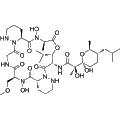
    Aurantimycin A

    Aurantimycin A is a depsipeptide antibiotic that targets Gram-positive bacteria, demonstrating potent antimicrobial activity. As a substrate of the LieAB transporter, it facilitates the study of bacterial resistance mechanisms and transporter functions. This compound is valuable for research in antibiotic development and microbial pathogenesis.

    Out of stock

    All 3 sizes
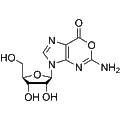
  • Oxanosine
    Cat. No.
    A47768

    Oxanosine

    Oxanosine is an antibiotic derived from the Streptomyces MG265-CF34 strain, exhibiting notable anti-tumor properties. This compound functions as a substrate for adenosine deaminase, highlighting its potential utility in various research applications related to microbial activity and cancer treatment. Its unique biochemical interactions make it a valuable reagent for studies in antibiotic development and tumor biology.

    1 mg
    $1,130.00
    All 1 sizes
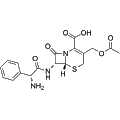
  • Cefaloglycin
    Cat. No.
    A48377

    Cefaloglycin

    Synonyms: Cephaloglycin

    Cefaloglycin is a nephrotoxic β-lactam cephalosporin antibiotic that exhibits significant antibacterial activity, specifically targeting Gram-positive cocci, excluding enterococci. Its mechanism involves inhibition of bacterial cell wall synthesis, making it effective in clinical settings requiring treatment of specific bacterial infections. Additionally, Cefaloglycin has been shown to interfere with mitochondrial substrate uptake and respiration, adding to its profile as a compound of interest in biochemical and pharmacological research.

    5 mg
    $165.00
    10 mg
    $270.00
    All 5 sizes
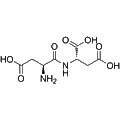
  • Di-aspartic acid
    Cat. No.
    A48916

    Di-aspartic acid

    Di-aspartic acid (Aspartylaspartate) serves as a growth substrate for several bacterial species, including Porphyromonas gingivalis, Prevotella intermedia, Prevotella nigrescens, and Fusobacterium nucleatum. Its ability to support the growth of these bacteria makes it a valuable tool in microbiological research, particularly in studies related to periodontal disease and oral microbiome dynamics.

    1 mg
    $25.00
    5 mg
    $50.00
    All 7 sizes
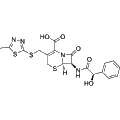
  • Cefcanel
    Cat. No.
    A49622

    Cefcanel

    Cefcanel is an orally active cephalosporin antibiotic targeting bacterial cell wall synthesis. It exhibits effective antibacterial activity against methicillin-susceptible strains of Staphylococcus aureus and Staphylococcus epidermidis, as well as Haemophilus influenzae and Moraxella catarrhalis. Cefcanel serves as a substrate for hydrolysis by various beta-lactamases, including TEM-1, TEM-3, and Moraxella Bro-1, making it a valuable tool for research on antibiotic resistance mechanisms and bacterial susceptibility testing.

    25 mg
    $1,275.00
    50 mg
    $1,625.00
    All 3 sizes
  • 2A/2B Dengue protease substrate
    Cat. No.
    A50729

    2A/2B Dengue protease substrate

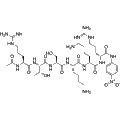
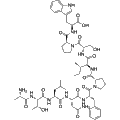
    2A/2B Dengue protease substrate (Ac-RTSKKR-pNA) is a polypeptide substrate designed for the Dengue NS2B-NS3 protease. This substrate facilitates the understanding of protease activity by serving as a valuable tool in the development of selective inhibitors targeting the Dengue NS2B-NS3 protease. Its efficacy in research applications enhances the study of dengue virus pathogenesis and potential therapeutic strategies.

    Out of stock

    All 3 sizes
  • Ac-EVKKQR-pNA
    Cat. No.
    A50737

    Ac-EVKKQR-pNA

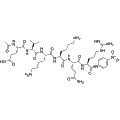
    Ac-EVKKQR-pNA is a competitive chromogenic para-nitroanilide substrate designed to probe the NS2B-NS3 cleavage site. This reagent includes a readily hydrolyzable para-nitroanilide at the P1’ position, enhancing its reactivity. It is primarily used in studies of dengue virus type 2 and other flavivirus infections, facilitating the exploration of viral protease activity and potential therapeutic interventions.

    Out of stock

    All 3 sizes
  • Fluorescent HIV Substrate
    Cat. No.
    A51454

    Fluorescent HIV Substrate

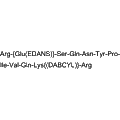
    Fluorescent HIV Substrate is specifically designed to facilitate the study of HIV protease activity. This highly sensitive substrate emits fluorescence upon cleavage by the HIV protease, enabling real-time monitoring of enzymatic activity. It serves as an essential tool in HIV research, helping to evaluate protease inhibitors and advance therapeutic strategies against HIV infection.

    Out of stock

    All 3 sizes
  • HIV Protease Substrate IV
    Cat. No.
    A51828

    HIV Protease Substrate IV

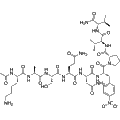
    HIV Protease Substrate IV is a specific substrate designed for HIV protease. It facilitates the quantitative assessment of HIV-1 protease activity, enabling researchers to study the enzyme's function and evaluate potential inhibitors. This substrate is particularly useful in the development of antiviral therapies targeting HIV protease, contributing to the understanding of HIV pathogenesis and treatment strategies.

    Out of stock

    All 3 sizes
  • HIV-1, HIV-2 Protease Substrate
    Cat. No.
    A51831

    HIV-1, HIV-2 Protease Substrate

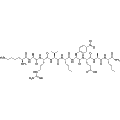
    HIV-1, HIV-2 Protease Substrate is a specific substrate designed for the enzymatic activity of HIV-1 and HIV-2 proteases. This substrate contains four residues that allow for conservative substitutions, facilitating studies on substrate binding and protease activity. It is a valuable tool for research focused on HIV protease function and the development of antiviral therapies.

    Out of stock

    All 3 sizes
  • HIV Protease Substrate 1
    Cat. No.
    A51842

    HIV Protease Substrate 1

    HIV Protease Substrate 1 is a fluorogenic substrate specifically designed for the study of HIV protease activity. This reagent allows for the quantitative assessment of enzymatic function, facilitating investigations into HIV protease inhibitors and their effects on viral replication. It is particularly useful in the development of antiviral therapies and for studying the proteolytic processing of HIV proteins.

    25 mg
    $1,275.00
    All 1 sizes
  • HIV Protease Substrate I
    Cat. No.
    A51844

    HIV Protease Substrate I

    HIV Protease Substrate I is a chromogenic substrate specifically designed for the HIV-1 protease. It contains the optimal cleavage site recognized by the enzyme, enabling accurate assessment of protease activity. This substrate is valuable for studying HIV-1 protease function and kinetics, as well as for evaluating the efficacy of protease inhibitors in research applications.

    Out of stock

    All 3 sizes
  • Arg-Val-(Nle-p-nitro)-Phe-Glu-Ala-Nle-NH2
    Cat. No.
    A51852

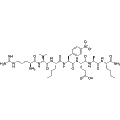
    Arg-Val-(Nle-p-nitro)-Phe-Glu-Ala-Nle-NH2

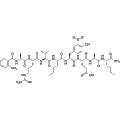
    Arg-Val-(Nle-p-nitro)-Phe-Glu-Ala-Nle-NH2 is a fluorogenic substrate specifically designed for assessing the activity of HIV-1 protease. This compound exhibits a strong interaction with the enzyme, facilitating the measurement of protease activity in research applications related to HIV-1 pathogenesis and antiviral drug development. Its utility in protease assays makes it a valuable tool for studying HIV-1 enzymatic function and evaluating potential therapeutic interventions.

    Out of stock

    All 3 sizes
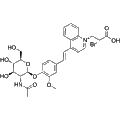
  • VLPA-GlcNAc
    Cat. No.
    A89708

    VLPA-GlcNAc

    VLPA-GlcNAc is a chromogenic glucosaminide substrate that serves as a valuable tool for the identification of Candida species. It can be utilized in the preparation of specialized agar media, facilitating the differentiation of Candida strains based on their enzymatic activity. This reagent is essential in microbiological research and diagnostics, particularly in clinical settings where rapid identification of fungal pathogens is crucial.

    Out of stock

    All 3 sizes
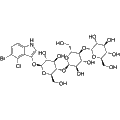
  • 5-Bromo-4-chloro-3-indolyl-α-D-maltotrioside
    Cat. No.
    A91421

    5-Bromo-4-chloro-3-indolyl-α-D-maltotrioside

    5-Bromo-4-chloro-3-indolyl-α-D-maltotrioside functions as a sensitive enzyme substrate with chemiluminescent properties. It facilitates the detection of various enzymatic activities, making it suitable for diagnostic assays aimed at identifying bacterial and fungal infections, as well as other diseases. Its utility in research applications enhances the reliability of assays in clinical microbiology and molecular diagnostics.

    Out of stock

    All 3 sizes

19 Items

Added to your cart

View Cart Checkout

    Loading...