Acyl-CoA & Cofactors

Acyl-coenzyme A (acyl-CoA) compounds and enzyme cofactors supply activated substrates and redox carriers for assays. Acyl-CoA thioesters carry acyl groups through fatty acid metabolism and serve as substrates for acyltransferases, dehydrogenases and carboxylases. Crotonyl-CoA is a short-chain unsaturated thioester and the acyl donor for histone lysine crotonylation. Reduced nicotinamide adenine dinucleotide (NADH) and its phosphorylated form NADPH donate electrons to dehydrogenases and reductases. NADPH is offered in several salt forms, including NADPH tetrasodium salt. Sapropterin dihydrochloride is a synthetic form of tetrahydrobiopterin, the cofactor of aromatic amino acid hydroxylases and nitric oxide synthases. Coenzyme FO, a deazaflavin, is the precursor of coenzyme F420 and a light-harvesting chromophore in some DNA photolyases.

Items 51-75 of 520

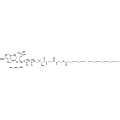
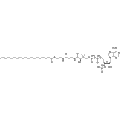
  • Nonadecanoyl-CoA
    Cat. No.
    A73467

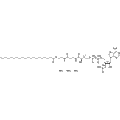
    Nonadecanoyl-CoA

    Synonyms: Coenzyme A,S-nonadecanoate

    Nonadecanoyl-CoA is a derivative of nonadecanoic acid that functions as a coenzyme A variant. It demonstrates inhibitory activity against stearoyl-CoA, making it a valuable tool for studying lipid metabolism and fatty acid synthesis. This reagent can be utilized in research applications exploring metabolic pathways and enzyme regulation associated with long-chain fatty acids.

    Out of stock

    All 3 sizes
  • Arachidoyl-CoA triammonium
    Cat. No.
    A73471

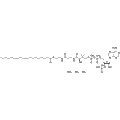
    Arachidoyl-CoA triammonium

    Arachidoyl-CoA triammonium is a coenzyme A derivative that plays a crucial role in fatty acid metabolism through the esterification of arachidonic acid and a long-chain fatty alcohol. This compound facilitates the activation of fatty acids for subsequent incorporation into lipid biosynthesis and serves as a substrate for various enzymatic reactions. Researchers utilize Arachidoyl-CoA triammonium in studies related to lipid metabolism, membrane biology, and metabolic regulation.

    1 mg
    $390.00
    5 mg
    $1,000.00
    All 2 sizes
  • Folitixorin calcium
    Cat. No.
    A73476

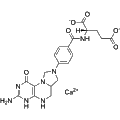
    Folitixorin calcium

    Synonyms: 5,10-Methylenetetrafolate calcium; ANX-510

    Folitixorin calcium is a cofactor and an analog of leucovorin that enhances the efficacy of 5-fluorouracil (5-FU) by modulating its cytotoxic effects. This compound is particularly relevant in adjuvant cancer research, where it may improve therapeutic outcomes for patients undergoing chemotherapy. Its unique properties make it a valuable tool for studying the mechanisms of drug potentiation in oncological models.

    25 mg
    $2,940.00
    50 mg
    $4,045.00
    All 3 sizes
  • 18:2 (n6) Coenzyme A triammonium
    Cat. No.
    A73552

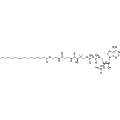
    18:2 (n6) Coenzyme A triammonium

    18:2 (n6) Coenzyme A triammonium is a coenzyme that serves as a crucial acyl donor in various metabolic pathways. Its biological activity primarily involves the regulation of lysophospholipid acyltransferase, playing a significant role in adipocyte differentiation. This reagent is valuable for research investigating lipid metabolism and cellular differentiation processes.

    Out of stock

    All 3 sizes
  • Succinyl CoA (disodium)
    Cat. No.
    A73672

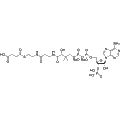
    Succinyl CoA (disodium)

    Synonyms: Succinyl-coenzyme A (disodium); S-(Hydrogen succinyl)coenzyme A (disodium)

    Succinyl CoA (disodium) is a crucial coenzyme A derivative that plays an essential role in the tricarboxylic acid cycle. This metabolite serves as a key precursor for heme biosynthesis and gluconeogenesis, highlighting its importance in energy metabolism and red blood cell formation. Deficiencies in Succinyl CoA due to cobalamin deficiency can result in growth retardation, impaired heme synthesis, and neurological issues. Research applications for Succinyl CoA (disodium) include investigating metabolic, neurological, and hematological disorders such as porphyria linked to vitamin B12 deficiencies.

    Out of stock

    All 3 sizes
  • Deamino-NAD
    Cat. No.
    A73732

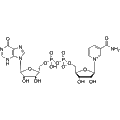
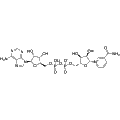
    Deamino-NAD

    Deamino-NAD is a structural analog of NAD+ that serves as a substrate for glyceraldehyde 3-phosphate dehydrogenase (GPDH) in glycolytic pathways. With a Km of 2300 pM and a Kd of 112 pM, it is utilized in biochemical studies to explore carbohydrate metabolism and enzyme kinetics. Its role as a GPDH substrate makes it valuable for research applications in metabolic regulation and enzyme activity assays.

    Out of stock

    All 3 sizes
  • Pentanoyl coenzyme A
    Cat. No.
    A73785

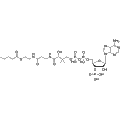
    Pentanoyl coenzyme A

    Synonyms: Valeryl-CoA; Valeryl-coenzyme A; Pentanoyl coenzyme A free acid

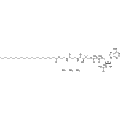
    Pentanoyl Coenzyme A is a short-chain fatty acyl-CoA that plays a crucial role in fatty acid metabolism. As a metabolite of 3-oxovalproyl-CoA, it participates in various biochemical pathways related to energy production and lipid synthesis. This compound is important for research applications involving metabolic studies and the exploration of lipid-related disorders.

    Out of stock

    All 3 sizes
  • 22:6 Coenzyme A
    Cat. No.
    A73872

    22:6 Coenzyme A

    Synonyms: Docosahexaenoyl coenzyme A triammonium

    22:6 Coenzyme A is a coenzyme characterized by its 22 carbon atoms and 6 unsaturated bonds. It functions primarily as an acyl substrate in biochemical pathways and is essential for studying the mechanisms of lysophospholipid acyltransferase activities. Research applications include investigations into adipocyte differentiation and the metabolic roles of long-chain fatty acids in cellular processes.

    Out of stock

    All 3 sizes
  • Benzoyl coenzyme A
    Cat. No.
    A73949

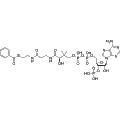
    Benzoyl coenzyme A

    Synonyms: Benzoyl CoA

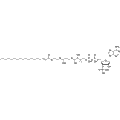
    Benzoyl coenzyme A (Benzoyl CoA) is a derivative of coenzyme A, characterized by the attachment of the benzoyl group to its mercaptan group. It serves as a crucial substrate in acyl transfer reactions, facilitating various enzymatic processes. Benzoyl coenzyme A is an important metabolic intermediate used in research applications related to enzyme substrate specificity, metabolic regulation, and studies of drug metabolism.

    Out of stock

    All 3 sizes
  • Succinyl CoA
    Cat. No.
    A74435

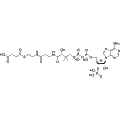
    Succinyl CoA

    Synonyms: Succinyl-coenzyme A; S-(Hydrogen succinyl)coenzyme A

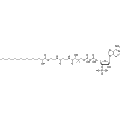
    Succinyl CoA, a key coenzyme A derivative, serves as a crucial intermediate in the tricarboxylic acid cycle. It is synthesized from α-ketoglutarate or propionyl-CoA and functions as an essential precursor for heme biosynthesis and gluconeogenesis. Deficiency of Succinyl CoA, particularly due to cobalamin deficiency, is associated with growth retardation, impaired heme synthesis, tissue glycine accumulation, and neurological disorders. This compound is valuable for research into metabolic, neurological, and hematological conditions, including those resulting from vitamin B12 deficiency that leads to reduced Succinyl CoA levels.

    Out of stock

    All 3 sizes
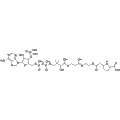
  • Pantothenoylcysteine
    Cat. No.
    A74464

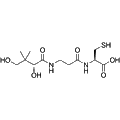
    Pantothenoylcysteine

    Pantothenoylcysteine is a biosynthetic precursor of Coenzyme A (CoA), essential for various cellular metabolic processes. This compound plays a crucial role in the study of microbial metabolism and the regulation of CoA-dependent pathways. Its applications extend to investigating metabolic disorders associated with CoA deficiency and assessing its impact on cellular energy dynamics.

    Out of stock

    All 3 sizes
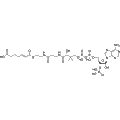
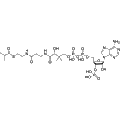
  • Isobutyryl-CoA
    Cat. No.
    A76724

    Isobutyryl-CoA

    Synonyms: Isobutyryl-coenzyme A

    Isobutyryl-CoA is a substrate for isobutyryl-CoA dehydrogenase, playing a critical role in fatty acid metabolism. It is involved in the biochemical pathway of isobutyric acid degradation and is crucial for energy production in certain bacterial species. This compound is valuable for research in metabolic pathways, enzymatic activity, and biochemical assays related to cellular energy metabolism.

    Out of stock

    All 3 sizes
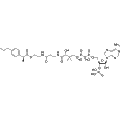
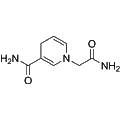
  • Caricotamide
    Cat. No.
    A77442

    Caricotamide

    Synonyms: EP-0152R

    Caricotamide is a coenzyme of quinone oxidoreductase 2 (NQO2), which plays a critical role in cellular defense against oxidative stress. It effectively enhances the catalytic activity of NQO2, leading to increased anticancer efficacy when used in conjunction with Tretazicar. This compound is valuable in cancer research, particularly for studies exploring the mechanisms of oxidative stress and its impact on cancer therapeutics.

    25 mg
    $1,275.00
    50 mg
    $1,625.00
    All 3 sizes
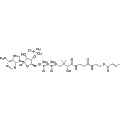
  • 2-Butenoyl coenzyme A lithium
    Cat. No.
    A87393

    2-Butenoyl coenzyme A lithium

    2-Butenoyl coenzyme A lithium serves as a substrate and inactivator of Plasmodium falciparum enoyl-β-hydroxyacyl-acyl carrier protein (ACP) reductase, as well as other enoyl-CoA reductases. This compound interacts with short-chain and medium-chain CoA dehydrogenases and glutaryl-CoA dehydrogenase but exhibits no activity against wild-type isovaleryl-CoA dehydrogenase. In addition to its role in the L-isoleucine catabolic pathway, 2-Butenoyl coenzyme A lithium is useful for studying 3-ketothiolase activity and has relevance in research focused on 3-ketothiolase deficiency.

    1 mg
    $380.00
    5 mg
    $985.00
    All 2 sizes
  • NAD+ lithium
    Cat. No.
    A87467

    NAD+ lithium

    Synonyms: β-DPN lithium; β-NAD lithium; β-Nicotinamide Adenine Dinucleotide lithium

    NAD+ lithium (β-DPN lithium) is a lithium salt of nicotinamide adenine dinucleotide, serving as a vital coenzyme in REDOX reactions. This compound plays a significant role in various cellular functions, influencing metabolic pathways, DNA repair mechanisms, chromatin remodeling, cellular aging processes, and immune cell activities. Its diverse biological activity makes it a valuable tool for research in fields such as biochemistry, molecular biology, and gerontology.

    100 mg
    $25.00
    500 mg
    $40.00
    All 2 sizes
  • Palmitoleoyl-CoA
    Cat. No.
    A88892

    Palmitoleoyl-CoA

    Palmitoleoyl-CoA is a key biochemical assay reagent that plays a significant role in cellular metabolism, particularly in β-oxidation within mitochondria. It is known to induce the cardiac mitochondrial membrane permeability transition, leading to mitochondrial dysfunction. Additionally, Palmitoleoyl-CoA modulates metabolic processes through allosteric regulation of AMPK β1-isoforms, making it a valuable tool for research on metabolic signaling pathways and cardiovascular function.

    5 mg
    $370.00
    All 1 sizes
  • 22:0 Coenzyme A triammonium
    Cat. No.
    A88950

    22:0 Coenzyme A triammonium

    22:0 Coenzyme A triammonium is a derivative of coenzyme A (CoA) that incorporates behenic acid, a saturated 22-carbon fatty acid. This compound serves as a substrate for the enzyme AmFAR1, facilitating studies into fatty acid metabolism and related biochemical pathways. It is a valuable reagent for research on lipid biochemistry and cellular processes influenced by fatty acid-CoA interactions.

    1 mg
    $310.00
    All 1 sizes
  • Ferredoxin-NADP reductase
    Cat. No.
    A88969

    Ferredoxin-NADP reductase

    Ferredoxin-NADP reductase primarily targets ferredoxin in the photosynthetic electron transfer chain, facilitating the conversion of NADP+ to NADPH. This enzyme plays a crucial role in photosynthesis by mediating the transfer of electrons, thus contributing to the generation of reducing power essential for biosynthetic processes. It is widely utilized in research focusing on photosynthetic mechanisms, metabolic pathway analyses, and the study of plant electron transport systems.

    10 mg
    $1,700.00
    All 1 sizes
  • (2E)-Octadecenoyl-CoA
    Cat. No.
    A88985

    (2E)-Octadecenoyl-CoA

    Synonyms: (2E)-Octadecenoyl-coenzyme A

    (2E)-Octadecenoyl-CoA is a Coenzyme A derivative that serves as an important acyl-CoA molecule. It plays a critical role in lipid metabolism and fatty acid synthesis by participating in various biochemical pathways. This compound is valuable for research applications focused on cellular energy production and metabolic regulation.

    Out of stock

    All 3 sizes
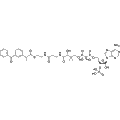
  • 2-Hydroxypalmitoyl-CoA
    Cat. No.
    A89238

    2-Hydroxypalmitoyl-CoA

    Synonyms: 2-Hydroxypalmitoyl-coenzyme A

    2-Hydroxypalmitoyl-CoA is a hydroxy fatty-acyl-CoA derivative that acts as a crucial coenzyme A metabolite. It is involved in various metabolic pathways, particularly in lipid metabolism and cellular energy regulation. This compound is utilized in research applications studying fatty acid synthesis, lipid signaling, and mitochondrial function, making it an important tool for investigations into metabolic disorders and related diseases.

    Out of stock

    All 3 sizes
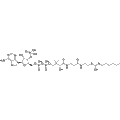
  • (2S,5S)-5-Carboxymethylproline-CoA
    Cat. No.
    A89589

    (2S,5S)-5-Carboxymethylproline-CoA

    Synonyms: (2S,5S)-5-Carboxymethylproline-coenzyme A

    (2S,5S)-5-Carboxymethylproline-CoA is a Coenzyme A derivative that plays a crucial role in various biochemical pathways. This compound is utilized in research focused on metabolic processes and enzyme regulation, particularly those involving proline metabolism and post-translational modifications. Its application enhances the understanding of cellular functions and the roles of CoA in lipid and amino acid metabolism.

    Out of stock

    All 3 sizes
  • 6-Carboxyhex-2-enoyl-CoA
    Cat. No.
    A89599

    6-Carboxyhex-2-enoyl-CoA

    Synonyms: 6-Carboxyhex-2-enoyl-coenzyme A

    6-Carboxyhex-2-enoyl-CoA is a coenzyme A derivative that plays a crucial role in fatty acid metabolism. This compound is involved in various biochemical pathways, serving as an important intermediate for the synthesis and degradation of fatty acids. Its potential applications include studies on metabolic regulation and lipid biosynthesis research.

    Out of stock

    All 3 sizes
  • Ibuprofenyl-CoA
    Cat. No.
    A89601

    Ibuprofenyl-CoA

    Synonyms: Ibuprofenyl-coenzyme A

    Ibuprofenyl-CoA is a coenzyme A derivative that acts as a substrate for various enzymatic reactions. It plays a critical role in metabolic pathways involving ibuprofen, facilitating its conversion into active metabolites. This compound is useful for research applications focused on drug metabolism and pharmacokinetics, particularly in studies examining nonsteroidal anti-inflammatory drug (NSAID) effects on cellular processes.

    Out of stock

    All 3 sizes
  • Ketoprofen-CoA
    Cat. No.
    A89623

    Ketoprofen-CoA

    Synonyms: Ketoprofen-coenzyme A

    Ketoprofen-CoA is a coenzyme A derivative that serves as a pharmacologically relevant compound in biological research. It is primarily utilized in studies investigating drug metabolism and pharmacokinetics, specifically related to non-steroidal anti-inflammatory drugs (NSAIDs). Ketoprofen-CoA's activity in modulating inflammatory processes makes it a valuable tool for understanding the biochemical pathways of pain and inflammation in various experimental models.

    Out of stock

    All 3 sizes
  • 2-Azaoctanoyl-CoA
    Cat. No.
    A89624

    2-Azaoctanoyl-CoA

    2-Azaoctanoyl-CoA is a coenzyme A derivative that acts as an acyl donor in biochemical pathways. This compound is primarily utilized in the study of fatty acid metabolism and enzyme activity related to acyl-CoA synthetases. Its role in metabolic research makes it a valuable reagent for investigating lipid biosynthesis and regulation within various biological systems.

    Out of stock

    All 3 sizes

Items 51-75 of 520

Added to your cart

View Cart Checkout

    Loading...