Acyl-CoA & Cofactors

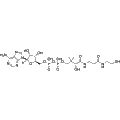
Acyl-coenzyme A (acyl-CoA) compounds and enzyme cofactors supply activated substrates and redox carriers for assays. Acyl-CoA thioesters carry acyl groups through fatty acid metabolism and serve as substrates for acyltransferases, dehydrogenases and carboxylases. Crotonyl-CoA is a short-chain unsaturated thioester and the acyl donor for histone lysine crotonylation. Reduced nicotinamide adenine dinucleotide (NADH) and its phosphorylated form NADPH donate electrons to dehydrogenases and reductases. NADPH is offered in several salt forms, including NADPH tetrasodium salt. Sapropterin dihydrochloride is a synthetic form of tetrahydrobiopterin, the cofactor of aromatic amino acid hydroxylases and nitric oxide synthases. Coenzyme FO, a deazaflavin, is the precursor of coenzyme F420 and a light-harvesting chromophore in some DNA photolyases.

Items 26-50 of 520

  • FAD-dependent glucose dehydrogenase
    Cat. No.
    A71606

    FAD-dependent glucose dehydrogenase

    Synonyms: FAD-GDH; Glucose 1-dehydrogenase

    FAD-dependent glucose dehydrogenase (EC 1.1.5.9) is an enzyme that primarily targets glucose through its coenzyme FAD. This enzyme is notable for its insensitivity to oxygen and exhibits high substrate specificity for glucose, making it particularly suitable for glucose biosensor applications. Its stable performance under varying conditions enhances its utility in biochemical research and diagnostic tool development.

    1 mg
    $50.00
    All 1 sizes
  • Coenzyme A trilithium
    Cat. No.
    A71618

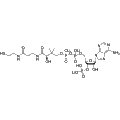
    Coenzyme A trilithium

    Coenzyme A trilithium is a vital cofactor that functions as an acyl group carrier and carbonyl-activating agent, integral to the citric acid cycle and fatty acid metabolism. This compound is crucial for the oxidation of pyruvate and facilitates the metabolism of both short- and long-chain carboxylic acids. Its broad biological activity makes it an important reagent in metabolic research and studies involving energy production pathways.

    10 mg
    $145.00
    25 mg
    $295.00
    All 2 sizes
  • L-Carnitine tartrate
    Cat. No.
    A71676

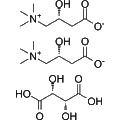
    L-Carnitine tartrate

    L-Carnitine tartrate is a critical cofactor for the mitochondrial β-oxidation pathway, facilitating the transport of long-chain fatty acyl-CoAs into the mitochondria for their degradation. In addition to its role in energy metabolism, L-Carnitine tartrate exhibits antioxidant properties. This compound is useful in research focused on metabolic disorders and inborn errors of metabolism, where it can help address metabolic imbalances.

    25 g
    $20.00
    All 1 sizes
  • Oleoyl coenzyme A lithium
    Cat. No.
    A71813

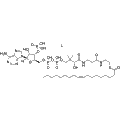
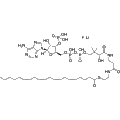
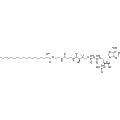
    Oleoyl coenzyme A lithium

    Synonyms: Oleoyl-CoA lithium

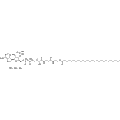
    Oleoyl coenzyme A lithium is a thioester formed from oleic acid and coenzyme A. It serves as an important metabolite in Escherichia coli and mouse models, playing a critical role in fatty acid metabolism. This compound is utilized in research to investigate metabolic pathways and the regulation of lipid synthesis. Its role in cellular energy metabolism makes it valuable for studies in biochemistry and metabolism.

    1 mg
    $200.00
    5 mg
    $515.00
    All 2 sizes
  • Lauroyl coenzyme A lithium
    Cat. No.
    A71912

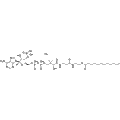
    Lauroyl coenzyme A lithium

    Lauroyl coenzyme A lithium is a derivative of coenzyme A that plays a critical role in fatty acid metabolism and lipid biosynthesis. This reagent facilitates the transport and activation of long-chain fatty acids, including lauric acid, by covalently binding them to coenzyme A. Lauroyl coenzyme A lithium is widely utilized in research applications focusing on fatty acid synthesis, lipid metabolism, and related biochemical pathways.

    1 mg
    $175.00
    All 1 sizes
  • Dephospho-CoA
    Cat. No.
    A71971

    Dephospho-CoA

    Dephospho-CoA is a critical substrate for GTP-dependent Dephospho-CoA kinase (DPCK), catalyzing the final step in the biosynthesis of coenzyme A (CoA). This compound plays a vital role in energy metabolism and cellular signal transduction processes. Research applications include investigations into cancer, specifically regarding the regulation of cell proliferation, as well as studies on metabolic disorders such as mitochondrial dysfunction.

    1 mg
    $110.00
    5 mg
    $360.00
    All 3 sizes
  • CoA-S-S-CoA
    Cat. No.
    A72264

    CoA-S-S-CoA

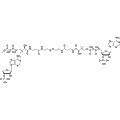
    CoA-S-S-CoA is an endogenous metabolite primarily involved in cellular metabolism, acting as a substrate for the NOXA2 enzyme. This compound plays a critical role in redox regulation and cellular signaling pathways. Its utility in research encompasses studies related to oxidative stress and metabolic functions in various biological contexts.

    1 mg
    $190.00
    5 mg
    $490.00
    All 3 sizes
  • Succinyl-CoA synthetase
    Cat. No.
    A72334

    Succinyl-CoA synthetase

    Succinyl-CoA synthetase is an enzyme that catalyzes the substrate-level phosphorylation step in the tricarboxylic acid cycle. This enzyme plays a crucial role in mitochondrial metabolism by facilitating the conversion of succinyl-CoA to succinate while generating ATP or GTP. Its activity is essential for energy production and metabolic regulation in various biological processes, making it a valuable target for research in bioenergetics and mitochondrial function.

    550 mg
    $860.00
    All 1 sizes
  • Uridine diphosphate glucuronic acid ammonium
    Cat. No.
    A72347

    Uridine diphosphate glucuronic acid ammonium

    Synonyms: UDP-α-D-glucuronic acid ammonium

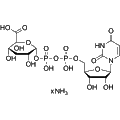
    Uridine diphosphate glucuronic acid ammonium (UDP-GlcA) is a cofactor involved in various biochemical pathways, primarily serving as a substrate for C4-epimerases and decarboxylases. It plays a critical role in sugar nucleotide biosynthesis, facilitating the production of UDP-galacturonic acid and UDP-pentose derivatives. As a glucuronic acid donor, UDP-GlcA is valuable in research focused on the conjugation of bilirubin within the endoplasmic reticulum, providing insights into metabolic processes and drug metabolism.

    1 mg
    $45.00
    5 mg
    $105.00
    All 6 sizes
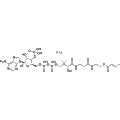
  • (E)-Cinnamoyl-coA
    Cat. No.
    A72374

    (E)-Cinnamoyl-coA

    Synonyms: (E)-Cinnamoyl-coenzyme A

    (E)-Cinnamoyl-CoA serves as a substrate for 2-hydroxyglutaryl-CoA dehydratase, playing a critical role in various biochemical pathways. This compound is important for studies involving fatty acid metabolism and the regulation of lipid biosynthesis. Its application in research can enhance the understanding of cellular processes that involve CoA derivatives and their enzymatic interactions.

    1 mg
    $170.00
    5 mg
    $405.00
    All 2 sizes
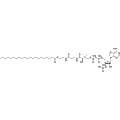
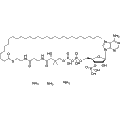
  • 16:0 Coenzyme A triammonium
    Cat. No.
    A72412

    16:0 Coenzyme A triammonium

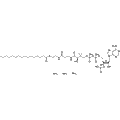
    16:0 Coenzyme A triammonium is a form of palmitoyl-CoA primarily involved in acylation processes. It acts as a substrate for protein acyl transferases (PATs), facilitating the transfer of the palmitoyl group to free thiol groups on target proteins. This compound is essential for studying palmitoylation mechanisms and exploring the functional roles of lipid modifications in cellular processes.

    1 mg
    $385.00
    5 mg
    $985.00
    All 2 sizes
  • 26:0 Coenzyme A
    Cat. No.
    A72416

    26:0 Coenzyme A

    Synonyms: Hexacosanoyl coenzyme A triammonium

    26:0 Coenzyme A is a derivative of coenzyme A that serves as a substrate for 1-acylglycerol-3-phosphate-O-acyltransferase isoform 11 (AGPAT11). This compound plays a critical role in lipid metabolism and fatty acid biosynthesis. It is useful in research applications focused on metabolic pathways involving glycerolipids and enzyme characterization.

    1 mg
    $310.00
    5 mg
    $945.00
    All 2 sizes
  • Cyclohexanoyl coenzyme A
    Cat. No.
    A72582

    Cyclohexanoyl coenzyme A

    Synonyms: CHCoA; Cyclohexanecarboxyl-CoA; Cyclohexanoyl CoA

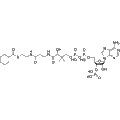
    Cyclohexanoyl coenzyme A is the active form of cyclohexane carboxylic acid (CHC), primarily involved in the anaerobic degradation processes in Rhodopseudomonas palustris. This compound plays a crucial role in lipid metabolism and microbial ecology research, facilitating studies on anaerobic bacteria and their carbon cycling pathways. Its utility in biochemical assays allows for the investigation of COA-dependent enzymatic reactions and metabolic regulation.

    0.5 mg
    $210.00
    1 mg
    $240.00
    All 4 sizes
  • Arachidonoyl coenzyme A lithium
    Cat. No.
    A72588

    Arachidonoyl coenzyme A lithium

    Arachidonoyl coenzyme A lithium is an unsaturated fatty acyl coenzyme A that targets the arachidonic CoA metabolic pathway. This compound plays a critical role in the synthesis of bioactive lipids involved in inflammation and cell signaling. It is utilized in research applications focusing on lipid metabolism, signaling pathways, and related physiological processes.

    5 mg
    $730.00
    All 1 sizes
  • Benzoyl coenzyme A trilithium
    Cat. No.
    A72668

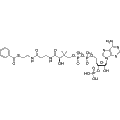
    Benzoyl coenzyme A trilithium

    Synonyms: Benzoyl CoA trilithium

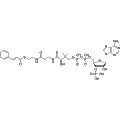
    Benzoyl coenzyme A trilithium is an important intermediate in the CoA-dependent epoxide pathway, primarily targeting benzoyl coenzyme A. This reagent is useful for investigating the metabolic processes associated with benzoate, facilitating research into enzymatic pathways and metabolic conversions in various biological systems.

    1 mg
    $320.00
    5 mg
    $710.00
    All 2 sizes
  • Sapropterin
    Cat. No.
    A72886

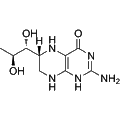
    Sapropterin

    Synonyms: (6R)-BH4; (6R)-Tetrahydro-L-biopterin

    Sapropterin, also known as (6R)-Tetrahydro-L-biopterin, serves as an essential cofactor for phenylalanine hydroxylase (PAH), playing a crucial role in the metabolism of phenylalanine. Its primary biological activity includes the reduction of blood phenylalanine levels, making it a valuable reagent in research on phenylketonuria (PKU). Additionally, Sapropterin has been implicated in the exacerbation of experimental autoimmune encephalomyelitis (EAE), providing insights into its potential effects on autoimmune conditions.

    25 mg
    $1,275.00
    All 1 sizes
  • 12:0 Coenzyme A triammonium
    Cat. No.
    A73013

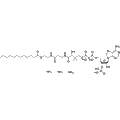
    12:0 Coenzyme A triammonium

    Synonyms: Lauroyl coenzyme A triammonium; S-Dodecanoate-CoA triammonium

    12:0 Coenzyme A triammonium is an intermediary in fatty acid metabolism, specifically targeting coenzyme A. It plays a crucial role in lipid biosynthesis and fatty acid transport, facilitating the movement of long-chain fatty acids, including lauric acid. This compound is essential for studies focused on lipid metabolism and enzymatic pathways involved in fatty acid synthesis.

    1 mg
    $310.00
    5 mg
    $790.00
    All 2 sizes
  • Malate dehydrogenase oxaloacetate-decarboxylating, NADP+
    Cat. No.
    A73084

    Malate dehydrogenase oxaloacetate-decarboxylating, NADP+

    Malate dehydrogenase (oxaloacetate-decarboxylating, NADP+) functions primarily as a redox agent, playing a crucial role in cellular metabolic pathways. This enzyme catalyzes the reduction of oxaloacetate to malate, particularly in the leaves of higher plants, thus participating in key metabolic processes. Its activity is relevant for research into metabolic disorders, including diabetes and obesity, making it a valuable tool for investigating these diseases.

    Out of stock

    All 3 sizes
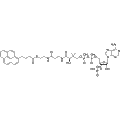
  • 1-Pyrenebutanoyl-CoA
    Cat. No.
    A73118

    1-Pyrenebutanoyl-CoA

    Synonyms: S-1-Pyrenebutanoate-CoA; Coenzyme A,S-1-pyrenebutanoate

    1-Pyrenebutanoyl-CoA is a coenzyme A derivative that functions as a non-competitive inhibitor of phosphorylating respiration in rat liver mitochondria, with a Ki value of 2 μM. Additionally, it acts as a competitive inhibitor of carnitine palmitoyl-CoA transferase and octanoyl-CoA transferase, exhibiting Ki values of 2.1 μM and 15 μM, respectively. This compound is important for studying mitochondrial function and metabolic pathways involving fatty acids and energy production.

    Out of stock

    All 3 sizes
  • 2-Hydroxystearoyl-CoA
    Cat. No.
    A73185

    2-Hydroxystearoyl-CoA

    2-Hydroxystearoyl-CoA is a derivative of octadecanoic acid that targets coenzyme A (CoA). This metabolite is implicated in lipid metabolism and may influence the progression of hepatocellular carcinoma (HCC) in individuals with diabetes. It is useful for research aimed at understanding metabolic disorders and their links to cancer development.

    Out of stock

    All 3 sizes
  • β-Methylcrotonyl coenzyme A lithium
    Cat. No.
    A73222

    β-Methylcrotonyl coenzyme A lithium

    β-Methylcrotonyl coenzyme A lithium is an essential intermediate in leucine metabolism that targets β-methylcrotonyl coenzyme A carboxylase (MCCase). This compound serves as a substrate for investigating the specificity and kinetic parameters of MCCase, making it valuable for enzymatic studies related to amino acid metabolism and potential metabolic disorders.

    5 mg
    $500.00
    10 mg
    $820.00
    All 2 sizes
  • Heneicosanoyl-CoA
    Cat. No.
    A73229

    Heneicosanoyl-CoA

    Heneicosanoyl-CoA is a fatty acyl-CoA derivative that serves as a substrate for Very Long-Chain Acyl-CoA Dehydrogenase (VLCAD). It plays a critical role in the anaerobic electron transfer flavoprotein (ETF) assay, facilitating the investigation of fatty acid oxidation pathways. This compound is essential for studying metabolic disorders related to VLCAD and other acyl-CoA metabolism in various biological systems.

    Out of stock

    All 3 sizes
  • 30:0 Coenzyme A ammonium
    Cat. No.
    A73264

    30:0 Coenzyme A ammonium

    30:0 Coenzyme A ammonium is an essential cofactor involved in diverse metabolic pathways, notably within the citric acid cycle and fatty acid metabolism. Its role is critical for the synthesis and degradation of fatty acids, facilitating energy production and biosynthetic processes. This reagent is valuable for research applications in metabolism, biochemistry, and cellular energy regulation.

    Out of stock

    All 3 sizes
  • Hexanoyl coenzyme A trilithium
    Cat. No.
    A73271

    Hexanoyl coenzyme A trilithium

    Hexanoyl Coenzyme A trilithium serves as a hexanoyl-based medium-chain fatty acyl coenzyme A, prevalent across all organisms. It functions as a precursor for cannabinoid biosynthesis and acts as a competitive inhibitor of medium-chain acyl coenzyme A dehydrogenase (MCAD). This reagent is valuable for research applications focused on lipid metabolism and cannabinoid synthesis pathways.

    Out of stock

    All 3 sizes
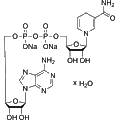
  • NADH disodium hydrate
    Cat. No.
    A73459

    NADH disodium hydrate

    Synonyms: Disodium NADH hydrate

    NADH disodium hydrate serves as a reduced coenzyme, functioning primarily as an electron donor in various metabolic pathways. It is integral to cellular energy metabolism, facilitating key processes such as glycolysis, β-oxidation, and the tricarboxylic acid (TCA) cycle. Additionally, NADH disodium hydrate participates in ADP-ribosylation reactions as a donor of ADP-ribose units and acts as a precursor for cyclic ADP-ribose, making it valuable for research in energy dynamics and metabolic regulation.

    500 mg
    $80.00
    1 g
    $115.00
    All 3 sizes

Items 26-50 of 520

Added to your cart

View Cart Checkout

    Loading...