Biochemical Assay Reagents

Biochemical Assay Reagents collects small molecules used to prepare, run and calibrate biochemical and cell-based assays. Vitamins and cofactors such as niacin, riboflavin and biotin sit alongside sugars, sugar alcohols and amino acids such as L-arginine. Enzyme substrates and metal-ion chelators complete the range, including the calcium chelator 1,2-bis(2-aminophenoxy)ethane-N,N,N′,N′-tetraacetic acid (BAPTA). Three subcategories group related reagents, namely Carbohydrates & Glycobiology, Acyl-CoA & Cofactors for acyl-coenzyme A (acyl-CoA) compounds, and Chelators & Bifunctional Chelators. Most of these compounds act as substrates, cofactors, standards or buffer components rather than as inhibitors of a defined target.

14 Items

  • 5'-Guanylic acid
    Cat. No.
    A21224

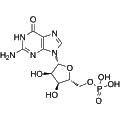
    5'-Guanylic acid

    Synonyms: 5'-GMP; 5'-guanosine monophosphate

    5'-Guanylic acid is a purine nucleotide that serves as a crucial regulator in energy metabolism, signal transduction, and gene expression. It influences the expression of genes associated with fatty acid metabolism and acts as a weak agonist for ionotropic glutamate receptors (iGluR), thereby modulating glutamatergic activity and exhibiting neuroprotective properties. However, at elevated concentrations, 5'-Guanylic acid can induce neuronal cell death. This reagent is valuable for research in metabolic regulation and neurobiology.

    50 mg
    $25.00
    100 mg
    $30.00
    All 5 sizes
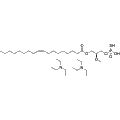
  • (2S)-OMPT triethylamine, in ethanol:chloroform (1:1), 98%
    Cat. No.
    A35842

    (2S)-OMPT triethylamine, in ethanol:chloroform (1:1), 98%

    (2S)-OMPT triethylamine, in ethanol:chloroform (1:1), 98% is a selective agonist for the LPA3 G-protein-coupled receptor. This compound triggers downstream signaling events by activating calcium ion influx and promoting IL-6 release in cancer cells. Additionally, it has been shown to activate MAPK and Akt signaling pathways, making it valuable for research applications focused on ovarian cancer.

    0.5 mg
    $130.00
    1 mg
    $240.00
    All 4 sizes
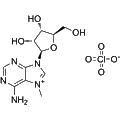
  • 7-Methyladenosine perchlorate
    Cat. No.
    A57970

    7-Methyladenosine perchlorate

    7-Methyladenosine perchlorate is a synthetic analog of adenosine that acts as an agonist at adenosine receptors. This compound effectively modulates cellular signaling pathways, making it a valuable reagent for investigating adenosine-related biological processes. Additionally, 7-Methyladenosine perchlorate holds potential as a tool in compound development, particularly as an inhibitor for biochemical assays.

    2.5 mg
    $340.00
    10 mg
    $1,285.00
    All 3 sizes
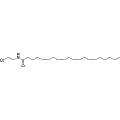
  • ACEA
    Cat. No.
    A59173

    ACEA

    Synonyms: Arachidonyl-2-chloroethylamide

    ACEA (arachidonyl-2'-chloroacetamide) is a synthetic compound that acts as an agonist of the cannabinoid receptor CB1. It modulates the endocannabinoid system, influencing physiological processes including appetite regulation, pain perception, mood, and memory. This biochemical assay reagent is essential for research exploring the pharmacological effects and therapeutic potential of cannabinoid signaling.

    5 mg
    $115.00
    10 mg
    $215.00
    All 4 sizes
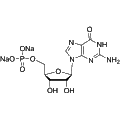
  • 5'-Guanylic acid disodium salt
    Cat. No.
    A67077

    5'-Guanylic acid disodium salt

    Synonyms: 5'-GMP disodium salt; 5'-guanosine monophosphate disodium salt

    5'-Guanylic acid disodium salt is a purine nucleotide that primarily functions as a signaling molecule in various physiological processes, including energy metabolism and gene expression regulation. It plays a crucial role in modulating genes associated with fatty acid metabolism. Additionally, this compound acts as a weak agonist for ionotropic glutamate receptors (iGluR), thereby reducing glutamatergic activity and exerting neuroprotective effects. However, at elevated concentrations, 5'-Guanylic acid disodium salt can induce neuronal cell death, making it valuable for studies on neuroprotection and excitotoxicity.

    100 mg
    $25.00
    500 mg
    $30.00
    All 5 sizes
  • 3-Hydroxyoctanoic acid
    Cat. No.
    A71356

    3-Hydroxyoctanoic acid

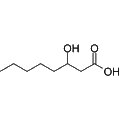
    3-Hydroxyoctanoic acid acts as an agonist for the orphan receptor GPR109B, promoting an increase in intracellular calcium levels in human neutrophils expressing this receptor. This hydroxylated fatty acid, which occurs in the lipopolysaccharides of Pseudomonas aeruginosa and in poly(3-hydroxyalkanoate) produced by Pseudomonas oleophores, plays a role in metabolic studies. Research indicates that 3-hydroxyoctanoic acid interferes with lipolysis in human adipocytes and demonstrates significant changes in plasma levels under various dietary conditions, making it a valuable reagent for biochemical assays focused on metabolic regulation and related disorders.

    5 mg
    $25.00
    10 mg
    $45.00
    All 6 sizes
  • 2,4-Thiazolidinedione
    Cat. No.
    A87300

    2,4-Thiazolidinedione

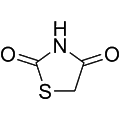
    2,4-Thiazolidinedione is a biochemical reagent primarily known for its role as a PPAR gamma agonist, targeting peroxisome proliferator-activated receptors. This compound exhibits significant biological activity in modulating insulin sensitivity and glucose metabolism, making it useful in research focused on diabetes, obesity, and metabolic disorders. Its applications extend to studies investigating cellular processes and the effects of thiazolidinediones in various biological systems.

    5 g
    $20.00
    25 g
    $25.00
    All 5 sizes
  • CGS 21680 sodium
    Cat. No.
    A90590

    CGS 21680 sodium

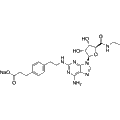
    CGS 21680 sodium is an adenosine A2A receptor agonist that selectively activates the A2A receptor, influencing various signaling pathways. This compound exhibits biological activities such as modulation of neurotransmission and anti-inflammatory effects, making it useful in research involving neurological and cardiovascular studies. It is commonly employed in biochemical assays to explore the roles of adenosine receptors in cellular processes and their potential therapeutic applications.

    Out of stock

    All 3 sizes
  • Recanaclotide
    Cat. No.
    A90699

    Recanaclotide

    Synonyms: IW-9179

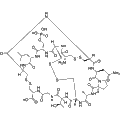
    Recanaclotide is a biochemical reagent that acts as a selective guanylate cyclase-C receptor agonist. It has been shown to modulate gastrointestinal motility and fluid secretion, making it relevant for research on gastroparesis, functional dyspepsia, and various gastrointestinal disorders. This compound provides valuable insights into gut physiology and potential therapeutic interventions.

    Out of stock

    All 3 sizes
  • 1-Methylpsilocin
    Cat. No.
    A92502

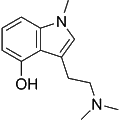
    1-Methylpsilocin

    1-Methylpsilocin is a biochemical assay reagent that primarily acts as a selective agonist of serotonin receptors, particularly the 5-HT2A subtype. It exhibits notable hallucinogenic properties and influences various neural pathways associated with mood and perception. This compound is utilized in research applications focused on neuropharmacology, psychopharmacology, and studies investigating the mechanisms of psychedelic compounds.

    10 mg
    $265.00
    25 mg
    $525.00
    All 3 sizes
  • 5'-Ethylcarboxamido-2',3'-isopropylidene adenosine
    Cat. No.
    A92970

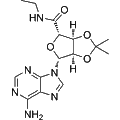
    5'-Ethylcarboxamido-2',3'-isopropylidene adenosine

    5'-Ethylcarboxamido-2',3'-isopropylidene adenosine is a selective agonist targeting A2B adenosine receptors. This compound enhances A2B receptor activity, making it valuable for investigating the physiological roles of adenosine signaling in various biological processes. It serves as a pertinent tool in biochemical assays and research applications aimed at understanding adenosine's effects and its potential as a therapeutic target in drug development.

    Out of stock

    All 3 sizes
  • Clenhexerol
    Cat. No.
    A94933

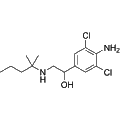
    Clenhexerol

    Clenhexerol is a selective beta-adrenergic agonist that primarily targets beta-2 adrenergic receptors. This compound exhibits biological activity by stimulating smooth muscle relaxation and inducing bronchodilation. It is commonly used as a biochemical assay reagent control in research focused on respiratory diseases, pharmacological studies, and the exploration of adrenergic signaling pathways.

    5 mg
    $240.00
    10 mg
    $395.00
    All 2 sizes
  • Adenosine 3′-monophosphate
    Cat. No.
    B21310

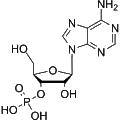
    Adenosine 3′-monophosphate

    Synonyms: 3′-AMP

    Adenosine 3'-monophosphate (3'-AMP) is a nucleotide that serves as a potent agonist for cyclic AMP production. It enhances cyclic AMP levels in a concentration-dependent manner in NG108-15 cells, making it valuable for studying cellular signaling pathways. Additionally, 3'-AMP is utilized in clinical laboratory settings to assess acid phosphatase activity in human serum, aiding in the diagnosis of conditions such as prostate cancer, metastatic breast cancer, and Gaucher’s disease. Furthermore, it exhibits the ability to inhibit the proliferation of human aortic and coronary vascular smooth muscle cells through the activation of A2B receptors.

    1 mg
    $105.00
    5 mg
    $250.00
    All 6 sizes
  • 1,1-Dimethyl-4-phenylpiperazinium iodide
    Cat. No.
    B21361

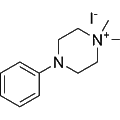
    1,1-Dimethyl-4-phenylpiperazinium iodide

    Synonyms: 1,1-Dimethyl-4-phenylpiperazin-1-ium iodide

    1,1-Dimethyl-4-phenylpiperazinium iodide is a biochemical assay reagent that functions as a cholinergic agonist, primarily targeting nicotinic and muscarinic acetylcholine receptors. This compound is utilized in various research applications to study neurotransmission, muscle contraction, and signal transduction pathways. Its ability to evoke physiological responses makes it valuable in pharmacological and neurobiological studies.

    100 mg
    $20.00
    250 mg
    $40.00
    All 3 sizes

14 Items

Added to your cart

View Cart Checkout

    Loading...