Carbohydrates & Glycobiology

Carbohydrates for glycobiology research range from sugars and sugar alcohols to amino sugars and polysaccharides. Sugar alcohols such as D-Sorbitol and maltitol are used as osmotic agents, stabilizers and enzyme substrates. Among the sugars, lactulose is a synthetic disaccharide built from galactose and fructose. Glucosamine and its salts represent the amino sugars, which are building blocks of glycosaminoglycans and chitin. Polysaccharides include hyaluronic acid, a glycosaminoglycan of the extracellular matrix, and chitosan, the deacetylated form of chitin. Protected sugars such as D-Xylofuranose, 1,2,3,5-tetraacetate serve as starting materials for nucleoside synthesis. The category belongs to Biochemical Assay Reagents, next to Acyl-CoA & Cofactors and Chelators & Bifunctional Chelators.

Items 201-225 of 1090

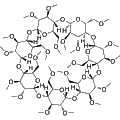
  • Heptakis(2,3,6-tri-O-methyl)-β-cyclodextrin
    Cat. No.
    A88984

    Heptakis(2,3,6-tri-O-methyl)-β-cyclodextrin

    Synonyms: Trimethyl-beta-cyclodextrin

    Heptakis(2,3,6-tri-O-methyl)-β-cyclodextrin is a modified cyclodextrin that serves as a versatile biochemical assay reagent. This compound exhibits enhanced solubilization properties, facilitating the study of various hydrophobic compounds in biological systems. Its applications include drug delivery research, formulation development, and assessment of molecular interactions within biochemical assays.

    250 mg
    $25.00
    1 g
    $75.00
    All 3 sizes
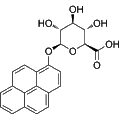
  • 1-Hydroxypyrene β-D-glucuronide
    Cat. No.
    A88990

    1-Hydroxypyrene β-D-glucuronide

    1-Hydroxypyrene β-D-glucuronide is a biochemical reagent primarily utilized for studying glucuronidation pathways. This compound serves as a crucial metabolite in the assessment of polycyclic aromatic hydrocarbon exposure and toxicity, particularly in environmental and clinical research. Its application extends to exploring the pharmacokinetics and biological effects of various drugs and pollutants within metabolic systems.

    1 mg
    $215.00
    All 1 sizes
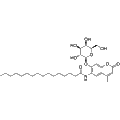
  • 6-Hexadecanoylamino-4-methylumbelliferyl β-D-galactopyranoside
    Cat. No.
    A88995

    6-Hexadecanoylamino-4-methylumbelliferyl β-D-galactopyranoside

    6-Hexadecanoylamino-4-methylumbelliferyl β-D-galactopyranoside serves as a fluorescent substrate for the detection of β-galactosidase activity. This compound is valuable in biochemical assays to monitor the efficiency of enzyme-catalyzed reactions. Additionally, it is commonly utilized in the analysis of polysaccharides and the study of carbohydrate enzymology, making it an important tool in various areas of biomedical research.

    1 mg
    $290.00
    5 mg
    $740.00
    All 2 sizes
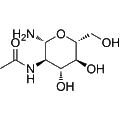
  • 2-(Acetylamino)-2-deoxy-β-D-glucopyranosylamine
    Cat. No.
    A88999

    2-(Acetylamino)-2-deoxy-β-D-glucopyranosylamine

    2-(Acetylamino)-2-deoxy-β-D-glucopyranosylamine is a biochemical reagent that targets glycobiology research. It serves as a crucial tool for investigating the structure and synthesis of glycans, as well as their biological functions and interactions with proteins. This compound facilitates studies on carbohydrate chemistry and the enzymatic processes involved in glycan formation and degradation, making it valuable for applications in basic research, biomedicine, and biotechnology.

    1 mg
    $40.00
    5 mg
    $75.00
    All 5 sizes
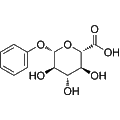
  • Phenyl-β-D-glucuronide
    Cat. No.
    A89000

    Phenyl-β-D-glucuronide

    Synonyms: Phenyl-Beta-D-Glucuronide

    Phenyl-β-D-glucuronide is a biochemical assay reagent that serves as a substrate for uridine diphosphate-glucuronosyltransferases (UGTs). This compound is utilized in research applications to study glucuronidation pathways and evaluate drug metabolism in various biological systems. Its role in assessing the activity of UGT enzymes makes it an important tool for pharmacokinetic studies and toxicological assessments.

    25 mg
    $160.00
    50 mg
    $245.00
    All 3 sizes
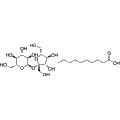
  • Sucrose monodecanoate
    Cat. No.
    A89002

    Sucrose monodecanoate

    Synonyms: Sucrose monocaprate

    Sucrose monodecanoate is a biochemical assay reagent that serves as a versatile organic compound for various life science research applications. This compound can be utilized to study membrane dynamics, lipid interactions, and surfactant properties, making it valuable in biochemical and biophysical assays. It is particularly effective in exploring cellular processes and enhancing the understanding of lipid bilayers.

    50 mg
    $45.00
    100 mg
    $70.00
    All 2 sizes
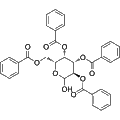
  • D-Galactopyranose,2,3,4,6-tetrabenzoate
    Cat. No.
    A89006

    D-Galactopyranose,2,3,4,6-tetrabenzoate

    D-Galactopyranose, 2,3,4,6-tetrabenzoate is a structural analog of galactose, primarily utilized in glycobiology research. This compound serves as a valuable tool for studying glycan structure, synthesis, and biological functions. Its applications extend to investigating carbohydrate chemistry, enzymatic processes of glycan modification, and protein-glycan interactions, contributing to a deeper understanding of glycan roles in various biological systems.

    50 mg
    $30.00
    100 mg
    $50.00
    All 4 sizes
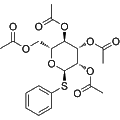
  • Phenyl 1-thio-α-D-mannopyranoside 2,3,4,6-tetraacetate
    Cat. No.
    A89046

    Phenyl 1-thio-α-D-mannopyranoside 2,3,4,6-tetraacetate

    Synonyms: Phenyl 2,3,4,6-tetra-O-acetyl-1-thio-α-D-mannopyranoside

    Phenyl 1-thio-α-D-mannopyranoside 2,3,4,6-tetraacetate is a biochemical assay reagent that serves as a substrate for glycosyltransferase enzymes and is utilized in glycan-related studies. Its ability to mimic natural glycan structures makes it valuable for investigating carbohydrate-protein interactions and enzyme specificity in various biological contexts. This compound enhances the understanding of glycosylation processes and their implications in cellular functions and disease mechanisms.

    100 mg
    $20.00
    250 mg
    $30.00
    All 3 sizes
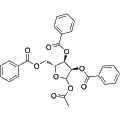
  • 1-O-Acetyl-2,3,5-tri-O-benzoyl-D-ribofuranose
    Cat. No.
    A89050

    1-O-Acetyl-2,3,5-tri-O-benzoyl-D-ribofuranose

    1-O-Acetyl-2,3,5-tri-O-benzoyl-D-ribofuranose is a biochemical reagent that functions as a key precursor in carbohydrate chemistry. This compound exhibits reactivity with trimethylsilylacetylene in the presence of EtAlCl2, leading to the formation of 1-deoxy-1-trimethylsilylalkynyl-D-ribofuranose. It is valuable for various applications in glycoscience and organic synthesis, facilitating the exploration of ribofuranose derivatives and their biological significance.

    10 g
    $20.00
    25 g
    $40.00
    All 5 sizes
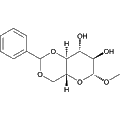
  • Methyl 4,6-O-Benzylidene-β-D-glucopyranoside
    Cat. No.
    A89077

    Methyl 4,6-O-Benzylidene-β-D-glucopyranoside

    Methyl 4,6-O-Benzylidene-β-D-glucopyranoside serves as a biochemical reagent in glycobiology, specifically targeting carbohydrate structures and interactions. This compound aids in the exploration of glycan synthesis and degradation processes, and facilitates the study of protein-glycan recognition mechanisms. Its applications extend to fundamental research, biomedicine, and biotechnology, making it essential for investigations into the biological roles of carbohydrates in various systems.

    25 mg
    $30.00
    50 mg
    $45.00
    All 3 sizes
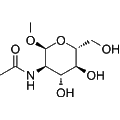
  • Methyl 2-acetamido-2-deoxy-alpha-d-glucopyranoside
    Cat. No.
    A89093

    Methyl 2-acetamido-2-deoxy-alpha-d-glucopyranoside

    Synonyms: Methyl N-acetyl-α-D-glucosaminide

    Methyl 2-acetamido-2-deoxy-alpha-D-glucopyranoside is a biochemical assay reagent that serves as a useful substrate for enzymatic reactions involving glycosyltransferases. Its structural similarity to naturally occurring glycosides makes it an important tool in glycomics and carbohydrate chemistry research. This compound can be employed in various studies related to carbohydrate metabolism and enzymatic specificity, facilitating investigations in cellular biology and related fields.

    100 mg
    $30.00
    250 mg
    $60.00
    All 5 sizes
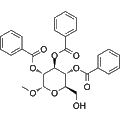
  • Methyl 2,3,4-Tri-O-benzoyl-α-D-glucopyranoside
    Cat. No.
    A89103

    Methyl 2,3,4-Tri-O-benzoyl-α-D-glucopyranoside

    Synonyms: Methyl 2,3,4-Tri-O-benzoyl-alpha-D-glucopyranoside

    Methyl 2,3,4-Tri-O-benzoyl-α-D-glucopyranoside is a biochemical assay reagent primarily utilized for its role in glycosylation processes. This compound serves as a model substrate for studying enzyme activity and carbohydrate interactions in biochemical research. Its detailed structural properties make it valuable for applications involving carbohydrate chemistry and glycoprotein synthesis.

    100 mg
    $95.00
    250 mg
    $155.00
    All 3 sizes
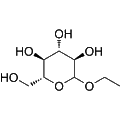
  • Ethyl α-D-glucopyranoside
    Cat. No.
    A89104

    Ethyl α-D-glucopyranoside

    Synonyms: Ethyl D-glucopyranoside

    Ethyl α-D-glucopyranoside is a carbohydrate compound primarily used as a biochemical assay reagent. It plays a crucial role in glycobiology research by serving as a substrate for glycosylation studies and enzyme activity assays. This reagent facilitates the investigation of carbohydrate-related biological processes, making it valuable for studies in molecular biology and biochemistry.

    25 mg
    $25.00
    50 mg
    $35.00
    All 5 sizes
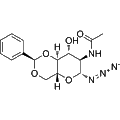
  • 2-Acetamido-4,6-O-benzylidene-2-deoxy-β-D-glucopyranosyl
    Cat. No.
    A89135

    2-Acetamido-4,6-O-benzylidene-2-deoxy-β-D-glucopyranosyl

    2-Acetamido-4,6-O-benzylidene-2-deoxy-β-D-glucopyranosyl is a specialized biochemical reagent targeting glycobiology. It plays a crucial role in the study of carbohydrate structures, including their synthesis, enzymatic interactions, and biological functions. This compound is essential for investigating glycan formation, protein-glycan recognition, and the implications of glycans in various biological systems, making it valuable for basic research, biomedicine, and biotechnological applications.

    10 mg
    $110.00
    50 mg
    $130.00
    All 3 sizes
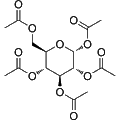
  • α-D-Glucose pentaacetate
    Cat. No.
    A89167

    α-D-Glucose pentaacetate

    Synonyms: Penta-O-acetyl-α-D-glucopyranose

    α-D-Glucose pentaacetate is a synthetic derivative of glucose, characterized by the acetylation of hydroxyl groups. This compound serves as a valuable tool in carbohydrate chemistry, particularly in the synthesis and modification of glycosides and oligosaccharides. Its applications include studying enzyme interactions and exploring metabolic pathways involving carbohydrates.

    1 mg
    $20.00
    2.5 mg
    $25.00
    All 4 sizes
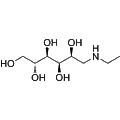
  • N-Ethyl-D-glucamine
    Cat. No.
    A89174

    N-Ethyl-D-glucamine

    N-Ethyl-D-glucamine is a glucose derivative that primarily functions as a buffer and chelating agent. Its ability to regulate pH and complex with metal ions makes it a valuable reagent in biochemical assays. This compound is commonly employed in a variety of research applications, including studies involving enzymatic reactions and metal ion interactions.

    1 g
    $20.00
    5 g
    $25.00
    All 6 sizes
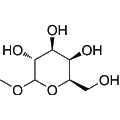
  • Methyl-D-galactoside
    Cat. No.
    A89181

    Methyl-D-galactoside

    Synonyms: Methyl-D-Galactopyranoside; 1-O-Methyl-D-Galactoside

    Methyl-D-galactoside is a biochemical reagent that serves as a competitive inhibitor of galactoside-binding proteins. It is utilized in research to study carbohydrate-protein interactions and glycosylation processes. This compound is particularly valuable in assays focusing on lectin activity and the characterization of glycan structures.

    1 g
    $20.00
    5 g
    $60.00
    All 3 sizes
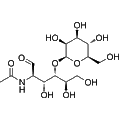
  • 2-(Acetylamino)-2-deoxy-4-O-β-D-mannopyranosyl-D-glucose
    Cat. No.
    A89192

    2-(Acetylamino)-2-deoxy-4-O-β-D-mannopyranosyl-D-glucose

    2-(Acetylamino)-2-deoxy-4-O-β-D-mannopyranosyl-D-glucose is a biochemical reagent targeting glycobiology research. It facilitates the investigation of carbohydrate structure, synthesis, and enzymatic processes related to glycan formation and degradation. This compound plays a crucial role in studying protein-glycan interactions and the biological significance of glycans, making it a valuable tool for researchers in basic science, biomedicine, and biotechnology applications.

    1 mg
    $400.00
    5 mg
    $1,025.00
    All 4 sizes
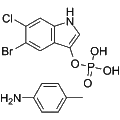
  • 5-Bromo-6-chloro-3-indolyl phosphate p-toluidine
    Cat. No.
    A89205

    5-Bromo-6-chloro-3-indolyl phosphate p-toluidine

    Synonyms: Magenta phosphate

    5-Bromo-6-chloro-3-indolyl phosphate p-toluidine is a substrate for alkaline phosphatase, facilitating the visualization of enzyme activity. Upon hydrolysis by alkaline phosphatase, it generates an insoluble magenta product, which serves as a colorimetric indicator. This reagent is widely used in various biological research applications, including histochemistry and enzyme assays, to assess alkaline phosphatase activity in cells and tissues.

    100 mg
    $25.00
    200 mg
    $35.00
    All 5 sizes
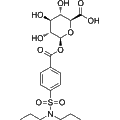
  • Probenecid acyl β-D-glucuronide
    Cat. No.
    A89207

    Probenecid acyl β-D-glucuronide

    Probenecid acyl β-D-glucuronide is a biochemical assay reagent that plays a crucial role in glycobiology research. This compound facilitates the study of carbohydrate chemistry, glycan formation, and protein-glycan interactions, thereby aiding investigations into the structure and function of glycan-related biomolecules. Its applications extend to fundamental research, biomedicine, and biotechnology, making it an essential tool for exploring the intricate roles of glycans in various biological systems.

    1 mg
    $560.00
    All 1 sizes
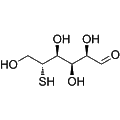
  • Thioglucose
    Cat. No.
    A89213

    Thioglucose

    Thioglucose is a biochemical reagent utilized in glycobiology research, targeting carbohydrate chemistry and enzymatic processes involved in glycan formation and degradation. It plays a critical role in studying protein-glycan interactions and the biological functions of carbohydrates within various systems. Thioglucose contributes to advancements in fundamental research, biomedicine, and biotechnology by aiding in the understanding of glycan structure, synthesis, and evolution.

    5 mg
    $55.00
    10 mg
    $85.00
    All 5 sizes
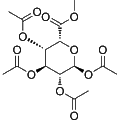
  • Methyl 1,2,3,4-Tetra-O-acetyl-α-L-idopyranuronate
    Cat. No.
    A89223

    Methyl 1,2,3,4-Tetra-O-acetyl-α-L-idopyranuronate

    Methyl 1,2,3,4-Tetra-O-acetyl-α-L-idopyranuronate is a key biochemical reagent utilized in glycolbiological studies. Its primary target involves the synthesis and structural analysis of glycan components, facilitating investigations into carbohydrate chemistry and enzymatic processes associated with glycan formation and degradation. This compound is essential for exploring protein-glycan interactions and elucidating the roles of glycans in various biological systems, bridging fundamental research with applications in biomedicine and biotechnology.

    Out of stock

    All 3 sizes
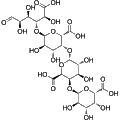
  • Tetragalacturonic acid
    Cat. No.
    A89248

    Tetragalacturonic acid

    Tetragalacturonic acid is a biochemical assay reagent that serves as a structural component of pectin, exhibiting significant biological activity in plant cell walls. It plays a critical role in various assays, particularly in studying pectin metabolism and its effects on plant physiology. This compound is essential for investigations related to cell wall integrity, plant development, and interactions with biotic and abiotic factors.

    5 mg
    $460.00
    50 mg
    $3,560.00
    All 2 sizes
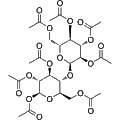
  • β-D-Maltose octaacetate
    Cat. No.
    A89249

    β-D-Maltose octaacetate

    Synonyms: Octaacetyl-β-maltose; β-D-Maltopyranose octaacetate

    β-D-Maltose octaacetate is a synthetic derivative of maltose, characterized by the acetylation of its hydroxyl groups. This compound serves as a useful tool in glycosylation and carbohydrate chemistry, facilitating the study of saccharide interactions and enzymatic processes. Its unique structure allows for applications in biological assays and research involving sugar metabolism and recognition.

    25 g
    $20.00
    50 g
    $35.00
    All 3 sizes
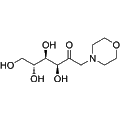
  • 1-Deoxy-1-morpholino-D-fructose
    Cat. No.
    A89259

    1-Deoxy-1-morpholino-D-fructose

    1-Deoxy-1-morpholino-D-fructose is a sugar analog that primarily inhibits glycosylation processes in biological systems. This compound is valuable for research in carbohydrate chemistry, particularly in studying sugar metabolism and glycoprotein synthesis. Its distinctive structure allows for investigation into the roles of specific sugars in cellular mechanisms and signaling pathways.

    100 mg
    $130.00
    250 mg
    $250.00
    All 4 sizes

Items 201-225 of 1090

Added to your cart

View Cart Checkout

    Loading...