Carbohydrates & Glycobiology

Carbohydrates for glycobiology research range from sugars and sugar alcohols to amino sugars and polysaccharides. Sugar alcohols such as D-Sorbitol and maltitol are used as osmotic agents, stabilizers and enzyme substrates. Among the sugars, lactulose is a synthetic disaccharide built from galactose and fructose. Glucosamine and its salts represent the amino sugars, which are building blocks of glycosaminoglycans and chitin. Polysaccharides include hyaluronic acid, a glycosaminoglycan of the extracellular matrix, and chitosan, the deacetylated form of chitin. Protected sugars such as D-Xylofuranose, 1,2,3,5-tetraacetate serve as starting materials for nucleoside synthesis. The category belongs to Biochemical Assay Reagents, next to Acyl-CoA & Cofactors and Chelators & Bifunctional Chelators.

Items 1026-1050 of 1090

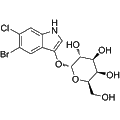
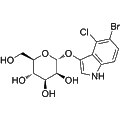
  • 5-Bromo-6-chloro-1H-indol-3-yl α-D-galactopyranoside
    Cat. No.
    A93126

    5-Bromo-6-chloro-1H-indol-3-yl α-D-galactopyranoside

    5-Bromo-6-chloro-1H-indol-3-yl α-D-galactopyranoside serves as a biochemical assay reagent, targeting glycosylation processes in glycobiology research. This compound is utilized to study the interactions and functions of glycosylated molecules, offering insights into carbohydrate chemistry and its biological implications. Its application extends to investigating enzyme activity related to glycosidases and other glycan-modifying enzymes.

    Out of stock

    All 3 sizes
  • N-Dodecyl alpha-D-maltoside
    Cat. No.
    A93141

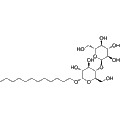
    N-Dodecyl alpha-D-maltoside

    N-Dodecyl alpha-D-maltoside is a non-ionic detergent that effectively solubilizes membrane proteins and lipids, maintaining their native structure. It is widely used in biochemical studies for protein purification, membrane protein stabilization, and in the preparation of membrane extracts. This reagent is essential for researchers focusing on membrane biology and protein interactions.

    50 mg
    $100.00
    100 mg
    $145.00
    All 3 sizes
  • Octadecylthioethyl 4-O-α-D-galactopyranosyl-β-D-galactopyranoside
    Cat. No.
    A93155

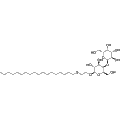
    Octadecylthioethyl 4-O-α-D-galactopyranosyl-β-D-galactopyranoside

    Octadecylthioethyl 4-O-α-D-galactopyranosyl-β-D-galactopyranoside serves as a glycolipid receptor, facilitating the examination of lipid regulation mechanisms. This compound is instrumental in biochemical assays, enabling researchers to investigate the interactions and functions of glycolipids in cellular processes. Its applications span various fields, including cell biology and biochemistry, contributing to the understanding of lipid-mediated signaling pathways.

    Out of stock

    All 3 sizes
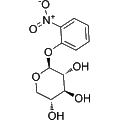
  • 2-Nitrophenyl b-D-xylopyranoside
    Cat. No.
    A93156

    2-Nitrophenyl b-D-xylopyranoside

    2-Nitrophenyl β-D-xylopyranoside is a synthetic sugar derivative utilized as a biochemical reagent. It serves as a substrate for various glycosyltransferases and can elucidate the interaction mechanisms between enzymes, proteins, and carbohydrates. This compound is particularly valuable in studies of glycosylation processes and enzyme kinetics within carbohydrate metabolism research.

    50 mg
    $45.00
    100 mg
    $75.00
    All 4 sizes
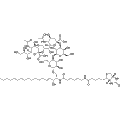
  • N-Hexanoyl-biotin-disialoganglioside GD3
    Cat. No.
    A93199

    N-Hexanoyl-biotin-disialoganglioside GD3

    N-Hexanoyl-biotin-disialoganglioside GD3 is an ester compound that functions as a molecular probe for studying ganglioside interactions. Its biotinylated structure allows for targeted binding and detection in various biological assays. This reagent is primarily used in glycosphingolipid research and for investigating cell surface markers in cancer and neuronal studies, facilitating insights into cell signaling and pathology.

    Out of stock

    All 3 sizes
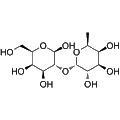
  • Blood group H disaccharide
    Cat. No.
    A93254

    Blood group H disaccharide

    Synonyms: Blood Group H

    Blood Group H Disaccharide is a carbohydrate consisting of fucose and galactose linked through α1-2 glycosidic bonds, serving as the precursor for ABO blood group antigens. This disaccharide is integral in research focused on carbohydrate-protein interactions and the biosynthesis of blood group antigens, which are crucial for immune recognition and transfusion compatibility. Additionally, it functions as a diagnostic reagent for identifying ABO blood group phenotypes, enhancing its utility in clinical and biochemical applications.

    Out of stock

    All 3 sizes
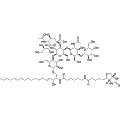
  • N-Hexanoyl-biotin-monosialoganglioside GM1
    Cat. No.
    A93256

    N-Hexanoyl-biotin-monosialoganglioside GM1

    N-Hexanoyl-biotin-monosialoganglioside GM1 is an ester derivative that serves as a biotinylated analog of GM1 ganglioside. This compound exhibits significant biological activity by facilitating specific interactions with glycoproteins and glycolipids. It is commonly utilized in research applications involving cell surface receptor studies, cellular signaling pathways, and ganglioside-related biological processes.

    Out of stock

    All 3 sizes
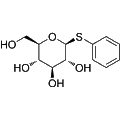
  • Phenyl-1-thio-β-D-glucopyranoside
    Cat. No.
    A93328

    Phenyl-1-thio-β-D-glucopyranoside

    Phenyl-1-thio-β-D-glucopyranoside acts as a glycosyl donor, facilitating the study of glycosylation processes. Its primary application resides in biochemical assays, where it serves as a substrate for glycosidases and other enzymes involved in carbohydrate metabolism. This compound is crucial for investigating glycan patterns and interactions in various biological systems, contributing to advancements in glycobiology research.

    100 mg
    $55.00
    250 mg
    $100.00
    All 5 sizes
  • Ganglioside ga1
    Cat. No.
    A93354

    Ganglioside ga1

    Synonyms: Gg4cer; Asialoganglioside gm1; Asialo gm1; Gangliotetraosylceramide; Asialo ganglioside gm1a [...]; Ganglio-n-tetraosylceramide; Asialo gm1 ganglioside; Asialoganglioside gt1b

    Ganglioside GA1 is an ester product primarily studied for its role in cellular signaling and recognition processes. It is a key component in the cell membrane, influencing cell adhesion and interaction with growth factors. This compound is utilized in various research applications, including investigations into neurobiology, cell signaling pathways, and the study of glycan interactions in cancer biology.

    0.5 mg
    $440.00
    1 mg
    $835.00
    All 2 sizes
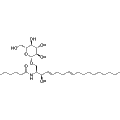
  • N-Hexanoyl-glucosylceramide
    Cat. No.
    A93394

    N-Hexanoyl-glucosylceramide

    N-Hexanoyl-glucosylceramide is an ester derivative that serves as a crucial sphingolipid analogue. This compound is involved in lipid metabolism and plays a significant role in cellular signaling processes. It is often utilized in research studies focusing on cellular communication, neurobiology, and the investigation of lipid-related disorders.

    Out of stock

    All 3 sizes
  • Dextran Hydroxypropyltrimonium Chloride
    Cat. No.
    A93562

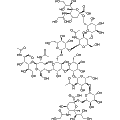
    Dextran Hydroxypropyltrimonium Chloride

    Dextran Hydroxypropyltrimonium Chloride is a cationic polymer known for its antistatic, moisturizing, film-forming, foam-stabilizing, and emulsifying properties. It is primarily utilized as a biochemical assay reagent, supporting various applications in pharmaceutical and cosmetic research. Its unique characteristics make it valuable in formulations requiring enhanced stability and performance.

    Out of stock

    All 3 sizes
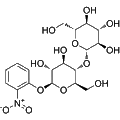
  • 2-Nitrophenyl β-D-cellobioside
    Cat. No.
    A93570

    2-Nitrophenyl β-D-cellobioside

    2-Nitrophenyl β-D-cellobioside is a glycoside substrate specifically designed for biochemical assays involving xylanase enzymes. It serves as a reliable substrate to study xylanase activity and kinetics, facilitating insights into carbohydrate metabolism. This compound is valuable for researchers investigating enzyme mechanisms and for applications in various fields, including biotechnology and enzymology.

    5 mg
    $100.00
    10 mg
    $160.00
    All 6 sizes
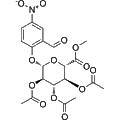
  • β-D-Glucopyranosiduronic acid,2-formyl-4-nitrophenyl,methyl ester,2,3,4-triacetate
    Cat. No.
    A93610

    β-D-Glucopyranosiduronic acid,2-formyl-4-nitrophenyl,methyl ester,2,3,4-triacetate

    β-D-Glucopyranosiduronic acid, 2-formyl-4-nitrophenyl, methyl ester, 2,3,4-triacetate serves as a valuable biochemical assay reagent with applications in glycobiology research. This compound is utilized for the study of glycosylation processes and carbohydrate-protein interactions, enabling insights into cellular signaling and biomolecular recognition mechanisms. Its unique chemical structure facilitates the exploration of glycan modifications, contributing to the understanding of various biological systems.

    250 mg
    $30.00
    1 g
    $100.00
    All 2 sizes
  • 5-Bromo-4-chloro-3-indolyl-α-D-mannopyranoside, 93%
    Cat. No.
    A93628

    5-Bromo-4-chloro-3-indolyl-α-D-mannopyranoside, 93%

    5-Bromo-4-chloro-3-indolyl-α-D-mannopyranoside is a cationic surfactant that plays a crucial role in micelle formation studies. This compound exhibits biological activity that facilitates the investigation of surfactant properties and interactions in various research applications. It is particularly useful in the study of membrane dynamics and the solubilization of hydrophobic compounds.

    5 mg
    $50.00
    10 mg
    $70.00
    All 6 sizes
  • Neu5Gcα(2-6) N-Glycan
    Cat. No.
    A93662

    Neu5Gcα(2-6) N-Glycan

    Neu5Gcα(2-6) N-Glycan is a glycan characterized by its sialic acid structure. This compound plays a crucial role in various biological processes, including cell-cell recognition and signaling. It is particularly valuable in biochemical studies focusing on glycosylation patterns and their implications in cellular interactions and disease states.

    Out of stock

    All 3 sizes
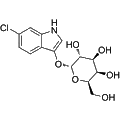
  • 6-Chloro-3-indolyl α-D-galactopyranoside
    Cat. No.
    A93724

    6-Chloro-3-indolyl α-D-galactopyranoside

    6-Chloro-3-indolyl α-D-galactopyranoside serves as a substrate for the enzyme galactosidase, facilitating the study of carbohydrate metabolism. This reagent is valuable in glycobiology research, enabling the assessment of enzymatic activity and the investigation of glycan structures. Its application extends to biochemical assays that require the evaluation of galactose-cleaving activity in various biological contexts.

    Out of stock

    All 3 sizes
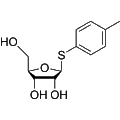
  • Thiotolyl β-D-ribofuranoside
    Cat. No.
    A93807

    Thiotolyl β-D-ribofuranoside

    Thiotolyl β-D-ribofuranoside serves as a biochemical assay reagent, primarily targeting glycosylation processes. This compound is valuable in glycobiology research, enabling the study of glycan interactions and metabolic pathways. It facilitates the investigation of carbohydrate-related biological functions and offers insights into glycan structure and reactivity.

    250 mg
    $20.00
    1 g
    $35.00
    All 4 sizes
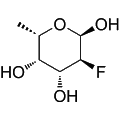
  • Alpha-L-2-Fluorofucopyranose
    Cat. No.
    A93810

    Alpha-L-2-Fluorofucopyranose

    Synonyms: 2-Fluorofucose peracetate

    Alpha-L-2-Fluorofucopyranose is a fluorinated derivative of alpha-L-fructose, primarily serving as a biochemical reagent. This compound is utilized in various research applications related to carbohydrate chemistry and metabolic studies. Its structural modification allows for the exploration of sugar metabolism and interactions in biological systems, aiding in the development of glycosylation studies and potential therapeutic approaches.

    Out of stock

    All 3 sizes
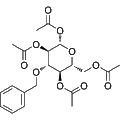
  • 1,2,4,6-Tetra-O-acetyl-3-O-benzyl-β-D-glucopyranose
    Cat. No.
    A93836

    1,2,4,6-Tetra-O-acetyl-3-O-benzyl-β-D-glucopyranose

    1,2,4,6-Tetra-O-acetyl-3-O-benzyl-β-D-glucopyranose serves as a biochemical assay reagent targeting glycosylation processes. This compound exhibits protective acetyl groups that facilitate the study of carbohydrate interactions and enzymatic activities in glycobiology research. Its structural attributes support investigations into the synthesis and function of glycoproteins, contributing to a deeper understanding of cellular processes.

    100 mg
    $40.00
    250 mg
    $75.00
    All 6 sizes
  • Silylanization hyaluronate ester
    Cat. No.
    A93907

    Silylanization hyaluronate ester

    Silylanization hyaluronate ester is a chemically modified form of hyaluronate that serves as a biochemical assay reagent. It exhibits excellent moisturizing properties and biocompatibility, making it suitable for research applications in skin and cosmetic studies. This compound can aid in the evaluation of formulations and effectiveness in hydrating treatments.

    Out of stock

    All 3 sizes
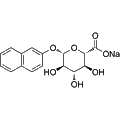
  • 2-Naphthyl-β-D-glucuronic acid sodium
    Cat. No.
    A93942

    2-Naphthyl-β-D-glucuronic acid sodium

    2-Naphthyl-β-D-glucuronic acid sodium is a biochemical assay reagent that serves as a substrate for the detection of β-glucuronidase activity. This compound is particularly useful in glycobiology research for investigating glycosylation processes and enzyme functionality. Its application in enzyme assays enables the assessment of glucuronidation and other related metabolic pathways, providing valuable insights into cellular functions and disease mechanisms.

    Out of stock

    All 3 sizes
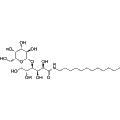
  • N-Dodecyllactobionamide
    Cat. No.
    A94039

    N-Dodecyllactobionamide

    N-Dodecyllactobionamide is a sugar surfactant that targets liquid/vapor and solid/liquid interfaces, facilitating studies on the influence of sugar headgroup structure on adsorption properties. This compound demonstrates significant surface-active properties, making it valuable in research applications related to interface dynamics and material science. Its unique structure allows for exploration of molecular interactions in a variety of biological and synthetic environments.

    Out of stock

    All 3 sizes
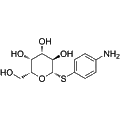
  • p-Aminophenyl-β-D-thiogalactopyranoside
    Cat. No.
    A94046

    p-Aminophenyl-β-D-thiogalactopyranoside

    p-Aminophenyl-β-D-thiogalactopyranoside functions as a substrate for β-galactosidase, facilitating the study of enzyme kinetics and activity. This compound is particularly valuable in glycobiology research, where it aids in the examination of glycan processing and enzyme functionality. Its utility extends to various biochemical assays, helping to further elucidate the role of glycosylation in biological processes.

    Out of stock

    All 3 sizes
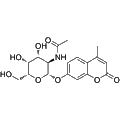
  • 4-Methylumbelliferyl-N-acetyl-β-D-galactosaminide
    Cat. No.
    A94066

    4-Methylumbelliferyl-N-acetyl-β-D-galactosaminide

    4-Methylumbelliferyl-N-acetyl-β-D-galactosaminide is a fluorescent substrate specifically designed to detect β-galactosidase activity. Upon hydrolysis by β-galactosidase, it produces a highly fluorescent compound, facilitating sensitive measurement of enzyme activity. This reagent is widely used in biochemical assays and molecular biology applications, particularly for studying gene expression and enzyme kinetics.

    25 mg
    $70.00
    50 mg
    $100.00
    All 4 sizes
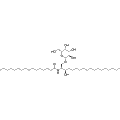
  • C16 Galactosyl(β) dihydroceramide (d18:0/16:0)
    Cat. No.
    A94069

    C16 Galactosyl(β) dihydroceramide (d18:0/16:0)

    C16 Galactosyl(β) dihydroceramide (d18:0/16:0) is a glycosphingolipid that serves as a critical component in cellular membranes. Its primary mechanism involves interaction with specific cellular receptors, influencing key biological processes such as cell signaling and recognition. This compound is utilized in biochemical assays to study sphingolipid metabolism and its role in various physiological and pathological conditions. Additionally, it aids in investigating the effects of glycosphingolipids in cell differentiation and drug development processes.

    Out of stock

    All 3 sizes
Items 1026-1050 of 1090

Added to your cart

View Cart Checkout

    Loading...