Carbohydrates & Glycobiology

Carbohydrates for glycobiology research range from sugars and sugar alcohols to amino sugars and polysaccharides. Sugar alcohols such as D-Sorbitol and maltitol are used as osmotic agents, stabilizers and enzyme substrates. Among the sugars, lactulose is a synthetic disaccharide built from galactose and fructose. Glucosamine and its salts represent the amino sugars, which are building blocks of glycosaminoglycans and chitin. Polysaccharides include hyaluronic acid, a glycosaminoglycan of the extracellular matrix, and chitosan, the deacetylated form of chitin. Protected sugars such as D-Xylofuranose, 1,2,3,5-tetraacetate serve as starting materials for nucleoside synthesis. The category belongs to Biochemical Assay Reagents, next to Acyl-CoA & Cofactors and Chelators & Bifunctional Chelators.

Items 1051-1075 of 1090

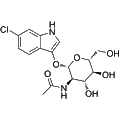
  • 6-Chloro-3-indolyl 2-acetamido-2-deoxy-b-D-glucopyranoside
    Cat. No.
    A94110

    6-Chloro-3-indolyl 2-acetamido-2-deoxy-b-D-glucopyranoside

    6-Chloro-3-indolyl 2-acetamido-2-deoxy-β-D-glucopyranoside serves as a biochemical assay reagent targeting glycan-related pathways. This compound is instrumental in glycobiology research, facilitating the study of carbohydrate interactions and modifications. It provides valuable insights into glycosylation processes and their implications in various biological systems.

    Out of stock

    All 3 sizes
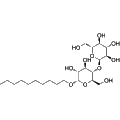
  • Decyl α-D-maltopyranoside
    Cat. No.
    A94141

    Decyl α-D-maltopyranoside

    Decyl α-D-maltopyranoside is a non-ionic surfactant primarily used in biochemical assays. It facilitates the solubilization and stabilization of membrane proteins, making it an essential tool in glycobiology research. Its ability to interact with a variety of biomolecules allows for effective modulation of physical properties in biological preparations, thus aiding in the study of glycoproteins and other carbohydrate-related structures.

    5 mg
    $30.00
    10 mg
    $45.00
    All 5 sizes
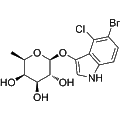
  • 5-Bromo-4-chloro-3-indolyl β-D-fucopyranoside
    Cat. No.
    A94155

    5-Bromo-4-chloro-3-indolyl β-D-fucopyranoside

    5-Bromo-4-chloro-3-indolyl β-D-fucopyranoside is a specific substrate for β-Galactosidase, enabling the enzymatic cleavage and subsequent release of a chromogenic product. This compound is widely utilized in biochemical assays to measure β-Galactosidase activity, facilitating research in gene expression, enzyme regulation, and metabolic studies. Its use can enhance the understanding of cellular processes and molecular mechanisms involving β-Galactosidase.

    5 mg
    $175.00
    10 mg
    $290.00
    All 5 sizes
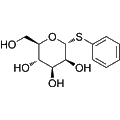
  • Phenyl α-D-thiomannopyranoside
    Cat. No.
    A94267

    Phenyl α-D-thiomannopyranoside

    Phenyl α-D-thiomannopyranoside serves as a key reagent in biochemical assays, specifically targeting glycosylation processes. This compound is utilized in glycobiology research to study carbohydrate-protein interactions and glycan profiling. Its unique structural features facilitate the exploration of glycan roles in biological systems, aiding in the understanding of various cellular functions and mechanisms.

    250 mg
    $25.00
    1 g
    $75.00
    All 2 sizes
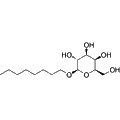
  • Octylβ-D-galactopyranoside, 98%
    Cat. No.
    A94281

    Octylβ-D-galactopyranoside, 98%

    Octylβ-D-galactopyranoside is a non-ionic detergent known for its capability to solubilize and stabilize membrane proteins. It is widely utilized in biochemical and biophysical research to facilitate the study of membrane protein interactions and dynamics. This compound is particularly valuable in applications involving membrane protein purification, enzymatic assays, and structural analysis, serving as an essential tool for researchers investigating membrane-associated processes.

    100 mg
    $115.00
    250 mg
    $190.00
    All 3 sizes
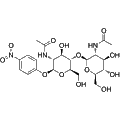
  • 4-Nitrophenyl N,N′-diacetyl-β-D-chitobioside
    Cat. No.
    A94331

    4-Nitrophenyl N,N′-diacetyl-β-D-chitobioside

    Synonyms: pNP-chitobiose

    4-Nitrophenyl N,N′-diacetyl-β-D-chitobioside is a specific substrate for the detection of chitinase enzymes. Through its cleavage by chitinases, it generates detectable fluorescence, facilitating the study of chitinase activity in various biological systems. This reagent is widely used in research applications focusing on enzyme activity assays and carbohydrate metabolism.

    1 mg
    $210.00
    5 mg
    $625.00
    All 2 sizes
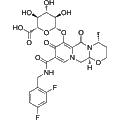
  • Dolutegravir O-β-D-glucuronide
    Cat. No.
    A94332

    Dolutegravir O-β-D-glucuronide

    Synonyms: Dolutegravir glucuronide; DTG glucuronide

    Dolutegravir O-β-D-glucuronide is a biochemical assay reagent utilized for the simultaneous quantification of dolutegravir and rilpivirine in human plasma samples. This glucuronide metabolite enhances the sensitivity and specificity of analytical methods, facilitating pharmacokinetic studies and therapeutic drug monitoring. Its application is critical in clinical research for optimizing antiviral therapies and assessing drug interactions.

    2.5 mg
    $1,670.00
    All 1 sizes
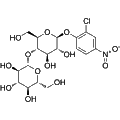
  • 2'-Chloro-4'-nitrophenyl β-D-cellobioside
    Cat. No.
    A94358

    2'-Chloro-4'-nitrophenyl β-D-cellobioside

    2'-Chloro-4'-nitrophenyl β-D-cellobioside is a biochemical assay reagent that targets glycosidic bonds in oligosaccharides. This compound is primarily utilized in glycobiology research to study enzyme activity and carbohydrate interactions. Its nitrophenyl group allows for colorimetric detection, facilitating quantitative analysis in various biochemical assays.

    Out of stock

    All 3 sizes
  • Sodium Hyaluronate Hydroxypropyltrimonium Chloride
    Cat. No.
    A94361

    Sodium Hyaluronate Hydroxypropyltrimonium Chloride

    Sodium Hyaluronate Hydroxypropyltrimonium Chloride is a modified hyaluronic acid featuring hydroxypropyltrimonium chloride groups, enhancing its adsorption and retention in biological systems. This reagent exhibits significant moisturizing properties and ionic characteristics, making it valuable for biochemical assays. It is applicable in pharmaceutical and cosmetic research, facilitating studies related to skin hydration and formulation stability.

    Out of stock

    All 3 sizes
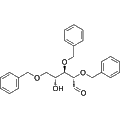
  • 2,3,5-Tris-O-(phenylmethyl)-D-arabinose
    Cat. No.
    A94512

    2,3,5-Tris-O-(phenylmethyl)-D-arabinose

    2,3,5-Tris-O-(phenylmethyl)-D-arabinose is a carbohydrate reagent primarily utilized in biochemical assays. This compound serves as a valuable tool in glycobiology, facilitating the study of glycan interactions and structures. Its application in various experimental workflows contributes to advancements in understanding glycosylation processes and the roles of carbohydrates in biological systems.

    50 mg
    $20.00
    100 mg
    $25.00
    All 4 sizes
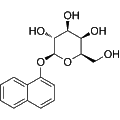
  • 1-Naphthalenyl β-D-galactopyranoside
    Cat. No.
    A94523

    1-Naphthalenyl β-D-galactopyranoside

    1-Naphthalenyl β-D-galactopyranoside serves as a substrate for β-galactosidase, facilitating enzymatic activity studies in biochemical assays. Its unique structure allows for the visualization of glycosidic bond hydrolysis, making it a valuable tool in glycobiology research. This reagent is instrumental in investigating glycan structures and interactions, contributing to the understanding of carbohydrate biology.

    Out of stock

    All 3 sizes
  • MEL-A
    Cat. No.
    A94567

    MEL-A

    MEL-A is a glycolipid biosurfactant produced from vegetable oils through the action of Pseudozyma yeasts. This compound enhances the low-temperature fluidity of biodiesel and hydrocarbon fuels, making it valuable for improving fuel performance. Additionally, MEL-A comprises a mixture of isoforms with varying fatty acid chain lengths, which significantly boosts gene transfection efficacy via cationic liposomes through membrane fusion. These properties make MEL-A a useful reagent in biotechnological and fuel research applications.

    Out of stock

    All 3 sizes
  • Dodecyl D-glucopyranoside
    Cat. No.
    A94613

    Dodecyl D-glucopyranoside

    Synonyms: Lauryl D-glucoside; Dodecyl D-glucoside

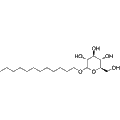
    Dodecyl D-glucopyranoside is a nonionic detergent that exhibits effective surfactant properties, characterized by a critical micelle concentration of 125 μM. It is widely utilized in research applications for the emulsification of Vitamin E and other hydrophobic compounds. Its ability to solubilize membrane proteins makes it a valuable tool in biochemical and biophysical studies involving membrane interactions.

    5 mg
    $35.00
    10 mg
    $55.00
    All 3 sizes
  • G-NGA2 N-Glycan
    Cat. No.
    A94616

    G-NGA2 N-Glycan

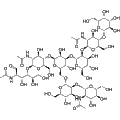
    G-NGA2 N-Glycan acts as a precise N-Glycan moiety for the labeling and modification of proteins. This compound plays a crucial role in studying glycoprotein interactions, protein folding, and stability. It is valuable in various research applications, including glycosylation analysis and biomarker development for therapeutic targets.

    Out of stock

    All 3 sizes
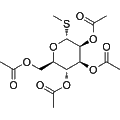
  • Methyl 2,3,4,6-Tetra-O-acetyl-1-thio-α-D-mannopyranoside
    Cat. No.
    A94704

    Methyl 2,3,4,6-Tetra-O-acetyl-1-thio-α-D-mannopyranoside

    Methyl 2,3,4,6-Tetra-O-acetyl-1-thio-α-D-mannopyranoside serves as a thio-glycoside derivative with key applications in glycobiology. This compound can be employed in biochemical assays to study glycosylation processes and carbohydrate interactions. Its structural features enable effective probing of glycan functions and their roles in biological systems, contributing valuable insights in the field of carbohydrate chemistry and biology.

    Out of stock

    All 3 sizes
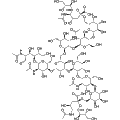
  • Neu5Acα(2-6) N-Glycan
    Cat. No.
    A94719

    Neu5Acα(2-6) N-Glycan

    Neu5Acα(2-6) N-Glycan is a bioactive N-Glycan that serves as a glycosylation element for proteins. It is commonly utilized in research to study protein interactions, stability, and functionality through glycan modification. This compound is essential for investigations related to glycoscience and protein biochemistry, providing insights into cellular processes and molecular recognition.

    Out of stock

    All 3 sizes
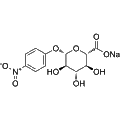
  • 4-Nitrophenyl β-D-glucuronide sodium
    Cat. No.
    A94729

    4-Nitrophenyl β-D-glucuronide sodium

    4-Nitrophenyl β-D-glucuronide sodium is a substrate for glucuronidase enzymes, primarily utilized in biochemical assays. This compound serves as a valuable tool in glycobiology research, enabling the study of glycosylation processes and enzyme activities. Its hydrolysis produces a colorimetric change, facilitating the detection and quantification of enzymatic activity in various biological samples.

    25 mg
    $50.00
    50 mg
    $75.00
    All 5 sizes
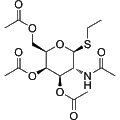
  • Ethyl 2-acetamido-3,4,6-tri-O-acetyl-2-deoxy-1-thio-β-D-galactopyranoside
    Cat. No.
    A94761

    Ethyl 2-acetamido-3,4,6-tri-O-acetyl-2-deoxy-1-thio-β-D-galactopyranoside

    Ethyl 2-acetamido-3,4,6-tri-O-acetyl-2-deoxy-1-thio-β-D-galactopyranoside serves as a biochemical assay reagent, specifically targeting glycobiology applications. This compound facilitates the study of glycan interactions and modifications, contributing to advancements in carbohydrate chemistry and related biological processes. Its structural components make it a valuable tool for characterizing glycoproteins and exploring carbohydrate-binding proteins.

    50 mg
    $20.00
    100 mg
    $30.00
    All 4 sizes
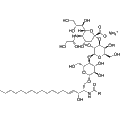
  • N-Glycolyl-ganglioside GM3 ammonium
    Cat. No.
    A94766

    N-Glycolyl-ganglioside GM3 ammonium

    Synonyms: GM3-Neugc ammonium; NeuGc-GM3 ammonium

    N-Glycolyl-ganglioside GM3 ammonium is a biochemical reagent that primarily targets cellular recognition processes. This compound is involved in various biological activities, including modulation of immune responses and cell signaling pathways. It serves as a valuable tool in research applications focusing on cancer biology, neurobiology, and glycosphingolipid metabolism.

    0.5 mg
    $1,455.00
    All 1 sizes
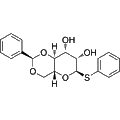
  • Phenyl 4,6-O-benzylidene-1-thio-α-D-mannopyranoside
    Cat. No.
    A94832

    Phenyl 4,6-O-benzylidene-1-thio-α-D-mannopyranoside

    Phenyl 4,6-O-benzylidene-1-thio-α-D-mannopyranoside is a biochemical assay reagent designed for use in glycobiology research. This compound serves as a functionalized sugar derivative, making it valuable for studying glycan interactions and enzymatic processes. Its unique structure allows for the investigation of carbohydrate-binding proteins and complex carbohydrate formations in various biological systems.

    25 mg
    $80.00
    50 mg
    $115.00
    All 5 sizes
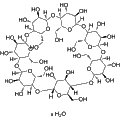
  • β-Cyclodextrin hydrate
    Cat. No.
    A94841

    β-Cyclodextrin hydrate

    Synonyms: Betadex hydrate

    β-Cyclodextrin hydrate is a cyclic oligosaccharide composed of seven glucose units, characterized by a hydrophobic central cavity and a hydrophilic exterior. Its primary mechanism involves forming complexes with small molecules, thereby enhancing the sensitivity of immunoassays for these compounds. This reagent is particularly useful in biosensing applications and immunoanalysis, facilitating improved detection and quantification of target analytes in biochemical assays.

    Out of stock

    All 3 sizes
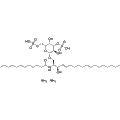
  • C12 Di-Sulfo galactosyl(β) ceramide (d18:1/12:0) diammonium
    Cat. No.
    A94883

    C12 Di-Sulfo galactosyl(β) ceramide (d18:1/12:0) diammonium

    C12 Di-Sulfo galactosyl(β) ceramide (d18:1/12:0) diammonium is a glycosphingolipid primarily used as a biochemical assay reagent. This compound is characterized by its unique structure, which includes two sulfate groups, and plays a pivotal role in cellular interactions and signaling processes. It is applicable in studies related to sphingolipid metabolism, receptor-ligand interactions, and cell membrane dynamics.

    Out of stock

    All 3 sizes
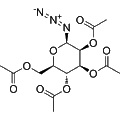
  • 2,3,4,6-Tetra-O-acetyl-β-D-mannopyranosyl azide
    Cat. No.
    A94915

    2,3,4,6-Tetra-O-acetyl-β-D-mannopyranosyl azide

    2,3,4,6-Tetra-O-acetyl-β-D-mannopyranosyl azide is a chemical compound that serves as a valuable reagent in biochemical assays within glycobiology research. It functions as a glycosyl donor, facilitating the exploration of carbohydrate-protein interactions and the synthesis of oligosaccharides. This compound aids in the development of glycomimetics and other glycan-based applications, contributing to advancements in carbohydrate chemistry and glycan biology.

    10 mg
    $20.00
    25 mg
    $40.00
    All 4 sizes
  • 2-Naphthalenyl β-D-glucopyranoside
    Cat. No.
    A94942

    2-Naphthalenyl β-D-glucopyranoside

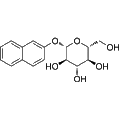
    2-Naphthalenyl β-D-glucopyranoside is a synthetic sugar analogue that serves as a substrate in various biochemical assays. Its structural properties make it useful for studying glycosylation processes and enzyme activity in glycobiology research. This compound is valuable for investigating interactions between carbohydrates and proteins, aiding in the understanding of cellular mechanisms and signaling pathways.

    50 mg
    $135.00
    100 mg
    $185.00
    All 4 sizes
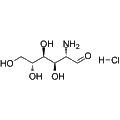
  • D-Mannosamine hydrochloride
    Cat. No.
    A94989

    D-Mannosamine hydrochloride

    Synonyms: (2S,3R,4S,5R)-2-Amino-3,4,5,6-tetrahydroxyhexanal hydrochloride

    D-Mannosamine hydrochloride, a six-carbon amino sugar, functions primarily as an inhibitor of mannose receptors. This compound is pivotal in research related to cellular signaling and carbohydrate recognition, as it can modulate glycoprotein interactions and influence various biological processes. Its applications span areas such as immunology, cancer research, and the study of infectious diseases, where understanding receptor-mediated endocytosis is crucial.

    100 mg
    $20.00
    200 mg
    $25.00
    All 9 sizes

Items 1051-1075 of 1090

Added to your cart

View Cart Checkout

    Loading...