Biochemical Assay Reagents

Biochemical Assay Reagents collects small molecules used to prepare, run and calibrate biochemical and cell-based assays. Vitamins and cofactors such as niacin, riboflavin and biotin sit alongside sugars, sugar alcohols and amino acids such as L-arginine. Enzyme substrates and metal-ion chelators complete the range, including the calcium chelator 1,2-bis(2-aminophenoxy)ethane-N,N,N′,N′-tetraacetic acid (BAPTA). Three subcategories group related reagents, namely Carbohydrates & Glycobiology, Acyl-CoA & Cofactors for acyl-coenzyme A (acyl-CoA) compounds, and Chelators & Bifunctional Chelators. Most of these compounds act as substrates, cofactors, standards or buffer components rather than as inhibitors of a defined target.

Items 226-250 of 465

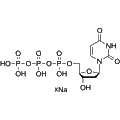
  • dUTP sodium
    Cat. No.
    A89663

    dUTP sodium

    Synonyms: 2'-Deoxyuridine-5'-triphosphate sodium salt

    dUTP sodium is the sodium salt of deoxyuridine triphosphate (dUTP), serving as a nucleotide substrate important for polymerase chain reaction (PCR) and reverse transcription PCR (RT-PCR). dUTP can effectively replace dTTP in these processes, facilitating the generation of uracil-containing PCR products, which are suitable for a variety of molecular biology applications. Additionally, dUTP has been shown to inhibit Cytidine Aminohydrolase activity in sheep liver, indicating potential utility in studies involving nucleotide metabolism and enzyme inhibition.

    25 mg
    $1,275.00
    All 1 sizes
  • Ethyl 1-thio-β-D-galactopyranoside tetraacetate
    Cat. No.
    A89702

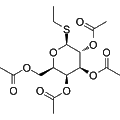
    Ethyl 1-thio-β-D-galactopyranoside tetraacetate

    Ethyl 1-thio-β-D-galactopyranoside tetraacetate is a biochemical assay reagent that serves as a substrate for galactoside-specific glycosidases. It is primarily utilized in glycobiology research to study glycan structure and function. The compound can facilitate the analysis of enzymatic activity and contribute to the understanding of carbohydrate-related biological processes.

    100 mg
    $20.00
    250 mg
    $35.00
    All 3 sizes
  • 4-Methylumbelliferyl-β-D-cellobiose heptaacetate
    Cat. No.
    A89717

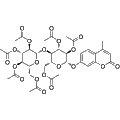
    4-Methylumbelliferyl-β-D-cellobiose heptaacetate

    4-Methylumbelliferyl-β-D-cellobiose heptaacetate is a biochemical assay reagent that serves as a substrate for measuring the activity of β-glucosidases and related enzymes. Upon enzymatic cleavage, it releases a fluorescent product, facilitating the quantification of enzyme activity in various biological samples. This compound is utilized in enzymatic studies and is particularly valuable in carbohydrate metabolism research applications.

    Out of stock

    All 3 sizes
  • 2-Nitrophenyl α-D-galactopyranoside
    Cat. No.
    A89780

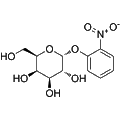
    2-Nitrophenyl α-D-galactopyranoside

    2-Nitrophenyl α-D-galactopyranoside is a substrate primarily used to evaluate the hydrolytic activity of glycosyl hydrolases. Its structure as a nitrophenyl derivative makes it suitable for various biochemical assays. This compound is essential for studying enzyme kinetics and the functionality of glycosyl hydrolases in carbohydrate metabolism and related research applications.

    Out of stock

    All 3 sizes
  • MNP-GAL
    Cat. No.
    A89792

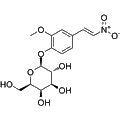
    MNP-GAL

    MNP-GAL is a substrate designed for β-Galactosidase assays. Coated with galactose, it is utilized to effectively measure the enzymatic activity of N-acetyl-β-D-glucosaminidase (NAG) and β-D-galactosidase. Its specific interaction with β-Galactosidase makes it a valuable tool in biochemical research and enzyme activity assays.

    Out of stock

    All 3 sizes
  • Ceratamine B
    Cat. No.
    A89806

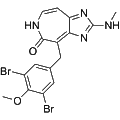
    Ceratamine B

    Ceratamine B is a fluorescent substrate designed for use as a biochemical assay reagent. It exhibits significant biological activity, enabling effective cell imaging and biolabeling by readily penetrating cell membranes. This compound offers broad application potential in various research fields, including compound screening and the development of biosensors.

    25 mg
    $2,250.00
    50 mg
    $3,355.00
    All 3 sizes
  • 4-Trifluoromethylumbelliferyl-ß-D-galactopyranoside
    Cat. No.
    A89851

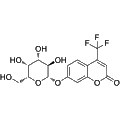
    4-Trifluoromethylumbelliferyl-ß-D-galactopyranoside

    Synonyms: TFMU-Gal

    4-Trifluoromethylumbelliferyl-ß-D-galactopyranoside (TFMU-Gal) is a fluorogenic substrate primarily used in biochemical assays for the detection of ß-galactosidase activity. Upon enzymatic cleavage, TFMU-Gal releases a highly fluorescent product, making it a valuable tool in glycobiology research for studying glycosidase activity and carbohydrate metabolism. This compound is essential for understanding the role of glycosides in various biological processes.

    Out of stock

    All 3 sizes
  • 5-Bromo-4-chloro-3-indolyl β-L-fucopyranoside
    Cat. No.
    A89901

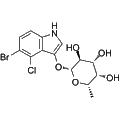
    5-Bromo-4-chloro-3-indolyl β-L-fucopyranoside

    5-Bromo-4-chloro-3-indolyl β-L-fucopyranoside is a fucose derivative that serves as a substrate for biochemical assays in glycobiology research. This compound facilitates the study of fucosylation processes and enzyme activity, contributing to a better understanding of glycan structures and their biological significance. It is valuable for applications requiring the analysis of glycan interactions and modifications.

    Out of stock

    All 3 sizes
  • Methyl 3-hydroxydecanoate
    Cat. No.
    A89902

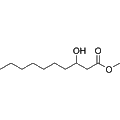
    Methyl 3-hydroxydecanoate

    Methyl 3-hydroxydecanoate is a biochemical assay reagent that serves as a valuable substrate in the study of metabolic processes. This compound plays a pivotal role in the synthesis of fatty acids and can be utilized in various life science research applications, including lipidomics and metabolic pathway analysis. Its properties make it essential for investigating biological pathways and cellular metabolism.

    25 mg
    $495.00
    All 1 sizes
  • Fuc1-α-2Gal1-β-3GlcNAc-β-PNP
    Cat. No.
    A89918

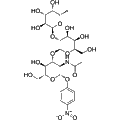
    Fuc1-α-2Gal1-β-3GlcNAc-β-PNP

    Fuc1-α-2Gal1-β-3GlcNAc-β-PNP is a biochemical reagent that serves as a substrate for glycosidases in glycobiology research. It plays a crucial role in studying the enzymatic mechanisms of glycan synthesis and degradation, as well as protein-glycan interactions. This compound is essential for investigating the roles of glycans in biological systems and has applications in basic research, biomedicine, and biotechnology.

    1 mg
    $300.00
    5 mg
    $1,010.00
    All 3 sizes
  • 4-Methylumbelliferyl α-L-iduronide sodium
    Cat. No.
    A89939

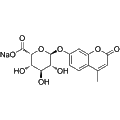
    4-Methylumbelliferyl α-L-iduronide sodium

    4-Methylumbelliferyl α-L-iduronide sodium is a biochemical assay reagent that serves as a fluorogenic substrate for enzyme activity assays. It is utilized primarily to detect α-L-iduronidase activity, making it valuable in the study of lysosomal storage disorders such as Hurler syndrome. This compound plays a crucial role in biochemical research where monitoring enzyme function and substrate turnover is required.

    Out of stock

    All 3 sizes
  • Glutaryl-CoA
    Cat. No.
    A89986

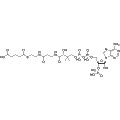
    Glutaryl-CoA

    Synonyms: Glutarylcoenzyme A

    Glutaryl-CoA is a coenzyme A derivative that serves as an important substrate in various metabolic pathways, particularly in the metabolism of amino acids and fatty acids. Its key biological activity involves the transfer of acyl groups, facilitating the synthesis and degradation of organic compounds. Glutaryl-CoA is utilized in research focused on metabolic disorders and enzyme activity assays, providing insights into biochemical pathways and cellular metabolism.

    Out of stock

    All 3 sizes
  • Nonanoyl-CoA
    Cat. No.
    A89999

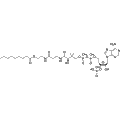
    Nonanoyl-CoA

    Synonyms: Pelargonoyl-CoA; S-Nonanoate coenzyme A; Nonanoyl-coenzyme A

    Nonanoyl-CoA, a medium-chain fatty acyl-CoA, serves as a substrate for medium-chain hydrolases. Its role as a substrate facilitates the study of lipid metabolism and enzymatic reactions involving acyl-CoA derivatives. Researchers can utilize Nonanoyl-CoA in biochemical assays to investigate its biological activities and the mechanisms of hydrolase enzymes.

    Out of stock

    All 3 sizes
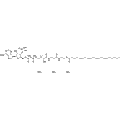
  • Arachidonoyl CoA triammonium
    Cat. No.
    A90006

    Arachidonoyl CoA triammonium

    Arachidonoyl CoA triammonium serves as a coenzyme substrate in the synthesis of Arachidonoyl amino acids. It demonstrates a direct interaction with FadR, inhibiting its binding to DNA targets, thereby impacting fatty acid metabolism. This compound is valuable in studies focusing on lipid biochemistry and gene regulation.

    Out of stock

    All 3 sizes
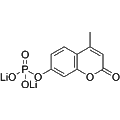
  • 4-Methylumbelliferyl phosphate dilithium
    Cat. No.
    A90060

    4-Methylumbelliferyl phosphate dilithium

    4-Methylumbelliferyl phosphate dilithium is a biochemical reagent that functions as a fluorogenic substrate for the detection of phosphatases. Upon dephosphorylation, it releases the fluorescent compound 4-methylumbelliferone, allowing for sensitive quantification of enzymatic activity. This reagent is widely utilized in biochemical research applications, particularly in studies related to enzyme kinetics and phosphatase activity characterization.

    Out of stock

    All 3 sizes
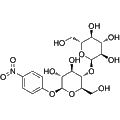
  • 4-Nitrophenyl β-D-maltoside
    Cat. No.
    A90071

    4-Nitrophenyl β-D-maltoside

    4-Nitrophenyl β-D-maltoside is a substrate for β-maltosidase, facilitating the study of enzymatic activity in biochemical assays. This compound plays a critical role in glycobiology research by allowing for the detection and quantification of β-maltosidase activity. Its use is instrumental in elucidating the mechanisms of carbohydrate metabolism and enzymatic function.

    5 mg
    $35.00
    10 mg
    $50.00
    All 5 sizes
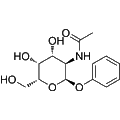
  • Phenyl N-acetyl-α-D-galactosaminide
    Cat. No.
    A90085

    Phenyl N-acetyl-α-D-galactosaminide

    Phenyl N-acetyl-α-D-galactosaminide is a biochemical assay reagent that serves as a substrate for the identification and characterization of galactosaminidase enzymes. This compound plays a significant role in glycobiology and can be utilized in various assays to evaluate enzyme activity and study carbohydrate metabolism. Its application in life sciences research facilitates the exploration of glycan structures and their biological implications.

    Out of stock

    All 3 sizes
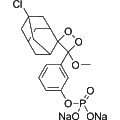
  • CSPD substrate
    Cat. No.
    A90099

    CSPD substrate

    CSPD substrate is a chemiluminescent substrate designed for alkaline phosphatase applications. It enhances the sensitivity of alkaline phosphatase assays, enabling accurate detection and quantification. This reagent is ideal for use in various immunoassays, allowing for streamlined assay procedures in research and diagnostic applications.

    Out of stock

    All 3 sizes
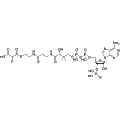
  • Fluoromalonyl-CoA
    Cat. No.
    A90111

    Fluoromalonyl-CoA

    Synonyms: Fluoromalonyl-coenzyme A

    Fluoromalonyl-CoA is a coenzyme A derivative that serves as a substrate for various enzymatic reactions in metabolic pathways. This compound is utilized in research focusing on metabolic flux analysis and enzyme kinetics, particularly in studies related to fatty acid metabolism and biosynthetic pathways. Its unique fluorinated structure enables enhanced detection and tracking in biological assays, providing valuable insight into cellular metabolic processes.

    Out of stock

    All 3 sizes
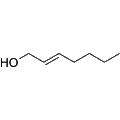
  • trans-2-Hepten-1-ol
    Cat. No.
    A90121

    trans-2-Hepten-1-ol

    trans-2-Hepten-1-ol is a biochemical assay reagent that serves as a substrate in various biological experiments. It exhibits hydrophobic characteristics and is often utilized in studies related to lipid metabolism, enzyme kinetics, and membrane interactions. This compound's unique structure makes it suitable for research applications requiring selective interactions in organic and biological systems.

    Out of stock

    All 3 sizes
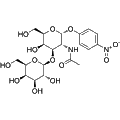
  • p-Nitrophenyl galacto-N-bioside
    Cat. No.
    A90144

    p-Nitrophenyl galacto-N-bioside

    p-Nitrophenyl galacto-N-bioside acts as a substrate for glycosidases, particularly β-galactosidases. This compound is widely utilized in biochemical assays to study enzyme activity and glycan metabolism. Its role in glycobiology research makes it valuable for understanding cellular functions and interactions mediated by carbohydrates.

    1 mg
    $240.00
    5 mg
    $795.00
    All 3 sizes
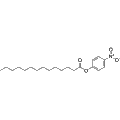
  • p-Nitrophenyl myristate
    Cat. No.
    A90155

    p-Nitrophenyl myristate

    Synonyms: Tetradecanoic acid; 4-nitrophenyl ester

    p-Nitrophenyl myristate is a biochemical assay reagent that serves as a substrate for lipases due to its ability to be hydrolyzed into p-nitrophenol and myristic acid. This compound is widely used in enzyme activity assays to measure lipase activity in various biological samples. Its specificity and sensitivity make it valuable in studying lipid metabolism and related disorders.

    250 mg
    $20.00
    500 mg
    $30.00
    All 3 sizes
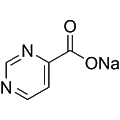
  • Pyrimidine-4-carboxylic acid sodium
    Cat. No.
    A90161

    Pyrimidine-4-carboxylic acid sodium

    Pyrimidine-4-carboxylic acid sodium is a biochemical assay reagent that serves as a key substrate in various biochemical applications. Its primary mechanism involves interaction with enzymatic systems, facilitating the study of metabolic pathways and enzymatic activity. This compound is useful in assays aimed at investigating pyrimidine metabolism and can support research in drug development and biochemical diagnostics.

    50 mg
    $75.00
    100 mg
    $120.00
    All 3 sizes
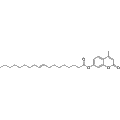
  • 4-Methylumbelliferyl elaidate
    Cat. No.
    A90166

    4-Methylumbelliferyl elaidate

    4-Methylumbelliferyl elaidate is a biochemical assay reagent that serves as a substrate for the enzymatic cleavage by lipases. This compound exhibits fluorescence upon hydrolysis, making it a valuable tool for studying lipid metabolism and enzyme activity in various biological systems. It is primarily used in research applications involving lipid digestion and absorption processes.

    Out of stock

    All 3 sizes
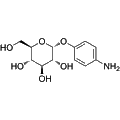
  • p-Aminophenyl α-D-glucopyranoside
    Cat. No.
    A90195

    p-Aminophenyl α-D-glucopyranoside

    p-Aminophenyl α-D-glucopyranoside serves as a substrate in glycobiology research targeting glycosidases and glycosyltransferases. This compound is utilized in biochemical assays to study carbohydrate enzymatic activity and to investigate the dynamics of glycan interactions. Its ability to release p-aminophenol upon enzymatic cleavage makes it an important tool for measuring enzyme kinetics and evaluating the effects of chemical inhibitors.

    10 mg
    $110.00
    25 mg
    $145.00
    All 4 sizes

Items 226-250 of 465

Added to your cart

View Cart Checkout

    Loading...