Biochemical Assay Reagents

Biochemical Assay Reagents collects small molecules used to prepare, run and calibrate biochemical and cell-based assays. Vitamins and cofactors such as niacin, riboflavin and biotin sit alongside sugars, sugar alcohols and amino acids such as L-arginine. Enzyme substrates and metal-ion chelators complete the range, including the calcium chelator 1,2-bis(2-aminophenoxy)ethane-N,N,N′,N′-tetraacetic acid (BAPTA). Three subcategories group related reagents, namely Carbohydrates & Glycobiology, Acyl-CoA & Cofactors for acyl-coenzyme A (acyl-CoA) compounds, and Chelators & Bifunctional Chelators. Most of these compounds act as substrates, cofactors, standards or buffer components rather than as inhibitors of a defined target.

Items 276-300 of 465

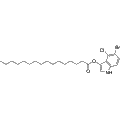
  • 5-Bromo-4-chloro-3-indoxyl palmitate
    Cat. No.
    A90600

    5-Bromo-4-chloro-3-indoxyl palmitate

    5-Bromo-4-chloro-3-indoxyl palmitate is a biochemical assay reagent that functions as a substrate for the detection of lipase activity. Upon hydrolysis, it produces a colored product that can be quantified spectrophotometrically, making it suitable for various enzymatic assays. This compound is particularly useful in studies involving lipid metabolism and enzyme kinetics.

    Out of stock

    All 3 sizes
  • L-Proline 7-amido-4-methylcoumarin hydrobromide
    Cat. No.
    A90623

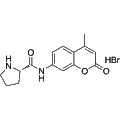
    L-Proline 7-amido-4-methylcoumarin hydrobromide

    L-Proline 7-amido-4-methylcoumarin hydrobromide is a biochemical reagent that serves as a fluorescent substrate for the detection of prolyl aminopeptidase activity. This compound exhibits notable enzyme activity, facilitating studies related to peptide metabolism and regulatory processes within cells. It is widely utilized in applications involving enzyme assays and biochemical research, enhancing understanding of various physiological and pathological conditions.

    25 mg
    $465.00
    50 mg
    $730.00
    All 2 sizes
  • 8-Methyl-6-nonenoyl-CoA
    Cat. No.
    A90649

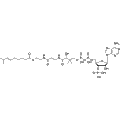
    8-Methyl-6-nonenoyl-CoA

    Synonyms: 8-Methyl-6-nonenoyl-coenzyme A

    8-Methyl-6-nonenoyl-CoA is a coenzyme A derivative that plays a crucial role in metabolic pathways as a substrate for acyl-CoA synthases. This compound is significant in the study of fatty acid metabolism and the regulation of lipid biosynthesis. Researchers can utilize 8-Methyl-6-nonenoyl-CoA in investigations related to energy production and the enzymatic mechanisms of acylation processes.

    Out of stock

    All 3 sizes
  • 1-Hexadecanosulfonyl-O-L-Serine-CoA
    Cat. No.
    A90658

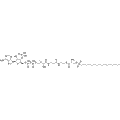
    1-Hexadecanosulfonyl-O-L-Serine-CoA

    Synonyms: 1-Hexadecanosulfonyl-O-L-Serine-coenzyme A

    1-Hexadecanosulfonyl-O-L-Serine-CoA is a coenzyme A derivative that serves as a substrate for various enzymatic reactions. This compound is important in lipid metabolism and the regulation of fatty acid synthesis. Research applications include studying metabolic pathways and the role of coenzyme A in cellular energy production.

    Out of stock

    All 3 sizes
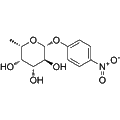
  • 4-Nitrophenyl β-L-fucopyranoside
    Cat. No.
    A90683

    4-Nitrophenyl β-L-fucopyranoside

    4-Nitrophenyl β-L-fucopyranoside is a biochemical reagent that serves as a substrate for fucosidases. It is hydrolyzed by these enzymes, producing a chromogenic product that can be quantitatively measured. This compound is commonly used in enzymatic assays to study fucosylation processes and to investigate the activity of fucosidases in various biological contexts.

    Out of stock

    All 3 sizes
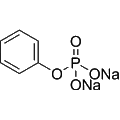
  • Disodium phenyl phosphate
    Cat. No.
    A90687

    Disodium phenyl phosphate

    Disodium phenyl phosphate serves as a substrate for alkaline phosphatase. This compound is utilized in biochemical assays to study enzyme activity and kinetics, facilitating the exploration of phosphatase function in various biological systems. Its role as a substrate allows researchers to measure phosphatase activity, contributing to the understanding of metabolic processes and cellular signaling pathways.

    250 mg
    $20.00
    1 g
    $25.00
    All 4 sizes
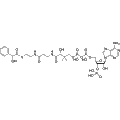
  • Mandelyl-CoA
    Cat. No.
    A90732

    Mandelyl-CoA

    Synonyms: Mandelyl-coenzyme A; Alphahydroxyphenyl-CoA; Alphahydroxyphenyl coenzyme A

    Mandelyl-CoA is a coenzyme A derivative that serves as a critical substrate in various biochemical pathways. This compound plays a significant role in the metabolism of aromatic compounds and is essential for the synthesis of specific metabolites. Research applications include studies on metabolic engineering and investigations into the enzymatic processes involving coenzyme A derivatives.

    Out of stock

    All 3 sizes
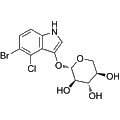
  • 5-Bromo-4-chloro-1H-indol-3-yl β-D-xylopyranoside
    Cat. No.
    A90735

    5-Bromo-4-chloro-1H-indol-3-yl β-D-xylopyranoside

    5-Bromo-4-chloro-1H-indol-3-yl β-D-xylopyranoside is a biochemical assay reagent that serves as a substrate for glycosyltransferases. This compound is instrumental in glycobiology research, facilitating the study of glycoprotein synthesis and metabolic pathways. Its structural features make it a valuable tool for exploring carbohydrate-binding interactions and enzyme specificity in various biological systems.

    Out of stock

    All 3 sizes
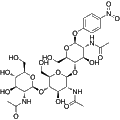
  • 4-Nitrophenyl β-D-N,N',N''-triacetylchitotriose
    Cat. No.
    A90773

    4-Nitrophenyl β-D-N,N',N''-triacetylchitotriose

    4-Nitrophenyl β-D-N,N',N''-triacetylchitotriose serves as a substrate for evaluating chitinase and lysozyme activity. This compound enables biochemical assays that measure enzymatic hydrolysis of chitin, contributing to studies in microbiology, biochemistry, and enzymology. Its application facilitates the understanding of enzyme kinetics and substrate interactions in various biological contexts.

    1 mg
    $640.00
    All 1 sizes
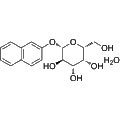
  • 2-Naphthyl-β-D-galactopyranoside hydrate
    Cat. No.
    A90775

    2-Naphthyl-β-D-galactopyranoside hydrate

    2-Naphthyl-β-D-galactopyranoside hydrate is a biochemical reagent targeting enzymatic glycosylation pathways, specifically as a substrate for β-galactosidase. This compound facilitates the study of glycan structure and function, making it valuable in glycobiology research. It is used to investigate the roles of carbohydrates in biological processes, including protein-glycan interactions, glycan synthesis, and degradation. Researchers employ this reagent in various applications, from fundamental studies to biotechnological advancements in glycosylation-related fields.

    Out of stock

    All 3 sizes
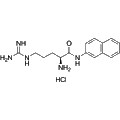
  • L-Arginine β-naphthylamide hydrochloride
    Cat. No.
    A90784

    L-Arginine β-naphthylamide hydrochloride

    L-Arginine β-naphthylamide hydrochloride serves as a biochemical assay reagent, primarily functioning as a substrate for various enzymes, including arginases. This compound exhibits significant biological activity in the modulation of nitric oxide production and has applications in studies related to nitric oxide synthase activity and arginine metabolism. Its utility in biochemical assays aids in advancing research in cardiovascular and metabolic disorders.

    Out of stock

    All 3 sizes
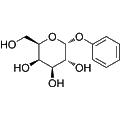
  • Phenyl α-D-galactopyranoside
    Cat. No.
    A90786

    Phenyl α-D-galactopyranoside

    Phenyl α-D-galactopyranoside is a biochemical assay reagent that serves as a substrate for galactosidases. This compound exhibits specific biological activity, facilitating the study of enzymatic activity in various biochemical assays. It is commonly used in research applications focused on carbohydrate metabolism and enzyme kinetics.

    Out of stock

    All 3 sizes
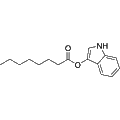
  • 3-Indoxyl caprylate
    Cat. No.
    A90798

    3-Indoxyl caprylate

    3-Indoxyl caprylate is a chemiluminescent detection substrate that targets bacterial activity through enzymatic reactions. Upon hydrolysis by specific bacterial enzymes, it releases a luminescent indoxyl compound, enabling sensitive monitoring of microbial presence and activity. This reagent is widely utilized in microbiological assays, particularly in the study of pathogenic bacteria and environmental microbiology.

    25 mg
    $1,275.00
    50 mg
    $1,625.00
    All 3 sizes
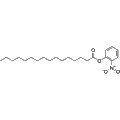
  • 2-Nitrophenyl palmitate
    Cat. No.
    A90827

    2-Nitrophenyl palmitate

    2-Nitrophenyl palmitate is a biochemical assay reagent that serves as a substrate for the enzyme lipase. Its primary application lies in studying lipid metabolism and enzyme kinetics in various biological systems. This compound is particularly useful for evaluating lipase activity and can aid in the investigation of metabolic disorders associated with lipid homeostasis.

    Out of stock

    All 3 sizes
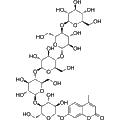
  • 4-Methylumbelliferyl β-D-cellopentoside
    Cat. No.
    A90835

    4-Methylumbelliferyl β-D-cellopentoside

    4-Methylumbelliferyl β-D-cellopentoside is a biochemical reagent that serves as a substrate for enzyme assays, specifically targeted towards β-glucosidases. Upon enzymatic cleavage, it releases the fluorescent compound 4-methylumbelliferone, which allows for the quantification of enzyme activity. This compound is utilized in research applications involving carbohydrate metabolism and enzyme kinetics.

    Out of stock

    All 3 sizes
  • Pseudopelletierine
    Cat. No.
    A90869

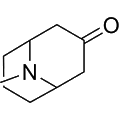
    Pseudopelletierine

    Pseudopelletierine is an alkaloid compound primarily utilized as an enzyme substrate. This compound exhibits significant potential in biochemical research, particularly in the study of enzyme kinetics and substrate specificity. Its application facilitates investigations into enzymatic reactions, providing valuable insights into metabolic pathways and alkaloid biosynthesis.

    25 mg
    $20.00
    250 mg
    $25.00
    All 4 sizes
  • Phenyl β-D-galactopyranoside
    Cat. No.
    A91052

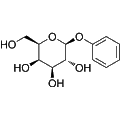
    Phenyl β-D-galactopyranoside

    Phenyl β-D-galactopyranoside is a carbohydrate reagent that acts as a substrate for galactosidases. It is primarily utilized in biochemical assays to study glycosidic bond cleavage and enzymatic activity. This compound serves as an important tool for researchers in glycobiology, facilitating the exploration of glycan interactions and metabolism.

    100 mg
    $30.00
    250 mg
    $55.00
    All 5 sizes
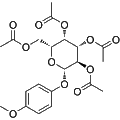
  • 4-Methoxyphenyl β-D-galactopyranoside 2,3,4,6-tetraacetate
    Cat. No.
    A91053

    4-Methoxyphenyl β-D-galactopyranoside 2,3,4,6-tetraacetate

    4-Methoxyphenyl β-D-galactopyranoside 2,3,4,6-tetraacetate is a carbohydrate derivative that serves as a substrate for enzymatic assays involving galactosidases. This compound is particularly useful in glycobiology research for investigating glycoside hydrolase activity and carbohydrate-protein interactions. Its acetylated form enhances solubility and stability, making it suitable for various biochemical assays and studies related to glycan structure and function.

    1 g
    $20.00
    5 g
    $50.00
    All 3 sizes
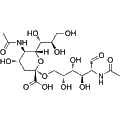
  • Neu5Gc(α2,6)N-Acetylgalactosamine
    Cat. No.
    A91061

    Neu5Gc(α2,6)N-Acetylgalactosamine

    Neu5Gc(α2,6)N-Acetylgalactosamine is a glycobiology reagent that serves as a substrate in the study of glycan structures and their biological functions. It plays a critical role in understanding carbohydrate interactions, glycan synthesis, and degradation, as well as the mechanisms of protein-glycan recognition. This compound is essential for researchers exploring the implications of glycans in various biological systems and their significance in biomedicine and biotechnology.

    Out of stock

    All 3 sizes
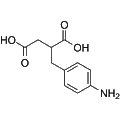
  • 4-Amino-D,L-benzylsuccinic Acid
    Cat. No.
    A91062

    4-Amino-D,L-benzylsuccinic Acid

    Synonyms: 2-[(4-Aminophenyl)methyl]butanedioic acid

    4-Amino-D,L-benzylsuccinic Acid serves as a versatile biochemical assay reagent, primarily functioning as a substrate or standard for various biochemical applications. This compound is utilized in the study of enzyme kinetics and metabolic pathways, facilitating research on enzymatic activity and protein interactions. Its chemical properties make it suitable for diverse life science investigations, enhancing experimental outcomes in drug discovery and validation studies.

    25 mg
    $310.00
    50 mg
    $595.00
    All 3 sizes
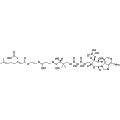
  • 3-(4-Methylpent-3-en-1-yl)pent-2-enedioyl-CoA
    Cat. No.
    A91077

    3-(4-Methylpent-3-en-1-yl)pent-2-enedioyl-CoA

    Synonyms: 3-(4-Methylpent-3-en-1-yl)pent-2-enedioyl-coenzyme A

    3-(4-Methylpent-3-en-1-yl)pent-2-enedioyl-CoA is a coenzyme A derivative that plays a crucial role as a substrate in biochemical pathways involving fatty acid metabolism. This 2-enoyl-CoA compound is valuable for studying various enzymatic reactions and lipid biosynthesis mechanisms. Its applications extend to metabolic research and the investigation of regulatory processes in cellular environments.

    Out of stock

    All 3 sizes
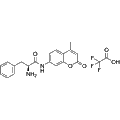
  • L-Phenylalanine 7-amido-4-methylcoumarin trifluoroacetate
    Cat. No.
    A91090

    L-Phenylalanine 7-amido-4-methylcoumarin trifluoroacetate

    L-Phenylalanine 7-amido-4-methylcoumarin trifluoroacetate is a biochemical reagent that serves as a substrate for studying proteolytic enzyme activity. Its fluorescence properties allow for sensitive detection techniques in various biological assays. This compound is particularly useful in analyzing enzymatic reactions and protein interactions within biochemical research.

    Out of stock

    All 3 sizes
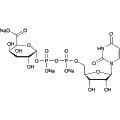
  • UDP-galacturonic acid trisodium
    Cat. No.
    A91107

    UDP-galacturonic acid trisodium

    UDP-galacturonic acid trisodium is a cofactor crucial for various biochemical reactions, particularly serving as a substrate for UDP-glucose dehydrogenase. This compound plays a significant role in the synthesis and metabolism of pectin and other polysaccharides. Its unique structure enables participation in glycosylation processes and cell wall formation, making it valuable in research related to plant biology and carbohydrate chemistry.

    1 mg
    $80.00
    5 mg
    $150.00
    All 3 sizes
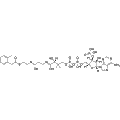
  • 2-Tolylacetyl-CoA
    Cat. No.
    A91128

    2-Tolylacetyl-CoA

    Synonyms: 2-Tolylacetyl-coenzyme A

    2-Tolylacetyl-CoA is a coenzyme A derivative that serves as an important substrate in various biochemical pathways. This compound is utilized in research focused on fatty acid metabolism and the biosynthesis of aromatic compounds. Its ability to facilitate acyl group transfers makes it a valuable tool for studies in enzymology and metabolic engineering.

    Out of stock

    All 3 sizes
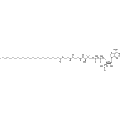
  • Pentacosanoyl-CoA
    Cat. No.
    A91148

    Pentacosanoyl-CoA

    Pentacosanoyl-CoA is a fatty acyl-CoA compound that serves as a substrate for the enzyme AGPAT11. This reagent plays a crucial role in lipid metabolism and is essential for the biosynthesis of glycerolipids. Its applications extend to various research areas, including studies on fatty acid metabolism and an investigation of lipid-related disorders.

    Out of stock

    All 3 sizes
Items 276-300 of 465

Added to your cart

View Cart Checkout

    Loading...