Biochemical Assay Reagents

Biochemical Assay Reagents collects small molecules used to prepare, run and calibrate biochemical and cell-based assays. Vitamins and cofactors such as niacin, riboflavin and biotin sit alongside sugars, sugar alcohols and amino acids such as L-arginine. Enzyme substrates and metal-ion chelators complete the range, including the calcium chelator 1,2-bis(2-aminophenoxy)ethane-N,N,N′,N′-tetraacetic acid (BAPTA). Three subcategories group related reagents, namely Carbohydrates & Glycobiology, Acyl-CoA & Cofactors for acyl-coenzyme A (acyl-CoA) compounds, and Chelators & Bifunctional Chelators. Most of these compounds act as substrates, cofactors, standards or buffer components rather than as inhibitors of a defined target.

Items 176-200 of 465

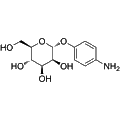
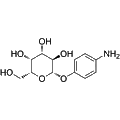
  • 4-Aminophenyl-β-D-galactopyranoside, 98%
    Cat. No.
    A88198

    4-Aminophenyl-β-D-galactopyranoside, 98%

    Synonyms: 4-Aminophenyl-beta-D-galactopyranoside; 98%

    4-Aminophenyl-β-D-galactopyranoside is a biochemical reagent that serves as a substrate for the enzyme β-galactosidase. This compound is valuable for studies involving enzyme activity and carbohydrate metabolism. Its role in biochemical assays makes it essential for applications in enzymology and molecular biology research.

    25 mg
    $30.00
    50 mg
    $50.00
    All 3 sizes
  • Resorufin-β-D-galactopyranoside
    Cat. No.
    A88218

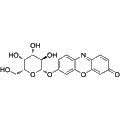
    Resorufin-β-D-galactopyranoside

    Resorufin-β-D-galactopyranoside acts as a substrate for β-galactosidase, facilitating the assessment of this enzyme's activity, which plays a crucial role in lactose metabolism and gene expression regulation. Upon hydrolysis by β-galactosidase, it produces resorufin, a red fluorescent compound, making it a valuable reagent for detecting and quantifying β-galactosidase activity in various biological samples, including bacterial and mammalian cells. This compound is essential for biochemical assays aimed at studying enzyme dynamics and cellular processes.

    1 mg
    $35.00
    5 mg
    $85.00
    All 5 sizes
  • Acetylthiocholine chloride
    Cat. No.
    A88249

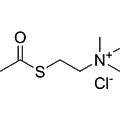
    Acetylthiocholine chloride

    Acetylthiocholine chloride acts as a biochemical assay reagent primarily utilized for the detection of acetylcholinesterase activity. This compound is commonly employed in various research applications, including studies on neurophysiology and the assessment of cholinergic signaling. Its ability to serve as a substrate for enzymatic reactions makes it valuable in the exploration of neurotransmitter dynamics and related pharmacological investigations.

    250 mg
    $20.00
    1 g
    $35.00
    All 4 sizes
  • Vanillylamine hydrochloride
    Cat. No.
    A88285

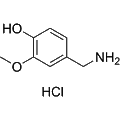
    Vanillylamine hydrochloride

    Vanillylamine hydrochloride is a biochemical reagent that functions as a substrate for the synthesis of various bioactive compounds. It exhibits potential biological activity through its interaction with the vanilloid receptor and can be utilized in studies related to pain modulation and neurobiology. This compound serves as a valuable tool for researchers investigating metabolic pathways and the pharmacological effects of vanilloid compounds.

    100 mg
    $20.00
    25 g
    $25.00
    All 5 sizes
  • L-Leucyl-4-nitroanilide hydrochloride
    Cat. No.
    A88304

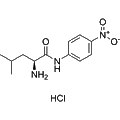
    L-Leucyl-4-nitroanilide hydrochloride

    L-Leucyl-4-nitroanilide hydrochloride serves as a substrate for biochemical assays assessing the activity of peptide bond-cleaving enzymes, particularly proteases. Upon enzymatic cleavage, it produces p-nitroaniline, which results in a yellow colorimetric change, facilitating the quantitative measurement of protease activity. This reagent is applicable for analyzing biological samples, including blood and tissue extracts, in various research contexts.

    250 mg
    $20.00
    1 g
    $35.00
    All 2 sizes
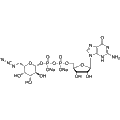
  • GDP-azido-fucose disodium
    Cat. No.
    A88357

    GDP-azido-fucose disodium

    GDP-azido-fucose disodium is a chemically modified donor substrate utilized in glycosylation studies. This reagent facilitates the synthesis of fluorophore-conjugated GDP-fucose, enabling effective visualization and analysis of glycosyltransferase reactions. Its unique azido group allows for the introduction of diverse functionalizations, making it a valuable tool in glycobiology research.

    1 mg
    $105.00
    5 mg
    $260.00
    All 6 sizes
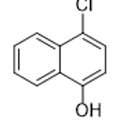
  • 4-Chloro-1-naphthol
    Cat. No.
    A88400

    4-Chloro-1-naphthol

    4-Chloro-1-naphthol is a substrate for horseradish peroxidase and is commonly utilized in biochemical assays. It reacts with hydrogen peroxide in the presence of horseradish peroxidase to produce a colored product, facilitating the visualization of protein bands. This compound is particularly valuable in techniques such as western blotting and immunohistochemical staining, enhancing the assessment of protein expression and localization.

    500 mg
    $20.00
    All 1 sizes
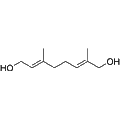
  • 8-Hydroxygeraniol
    Cat. No.
    A88429

    8-Hydroxygeraniol

    Synonyms: 10-Hydroxygeraniol

    8-Hydroxygeraniol serves as a substrate for 8-hydroxygeraniol dehydrogenase, facilitating its enzymatic reactions. This monoterpene, which can be derived from geranyl acetate, plays a significant role in various biological pathways. Its use in research applications enhances the understanding of metabolic processes involving terpenoids and their derivatives.

    1 mg
    $40.00
    All 1 sizes
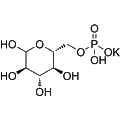
  • D-Glucose 6-phosphate potassium
    Cat. No.
    A88441

    D-Glucose 6-phosphate potassium

    D-Glucose 6-phosphate potassium is a substrate for glucose-6-phosphate isomerase, facilitating crucial enzymatic reactions in carbohydrate metabolism. This compound plays a significant role in cellular energy production and utilization, supporting various biochemical assays related to metabolic pathways. It is essential for research applications focusing on glucose metabolism and energy dynamics within biological systems.

    2 mg
    $20.00
    5 mg
    $25.00
    All 7 sizes
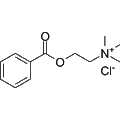
  • Benzoylcholine chloride
    Cat. No.
    A88452

    Benzoylcholine chloride

    Benzoylcholine chloride is a biochemical assay reagent that serves as a substrate for cholinergic signaling pathways. It acts as a selective agonist for muscarinic acetylcholine receptors, enabling the study of receptor activation and downstream signaling mechanisms. This compound is essential for research applications involving neuromuscular transmission, synaptic physiology, and the pharmacological characterization of cholinergic compounds.

    5 g
    $30.00
    10 g
    $45.00
    All 3 sizes
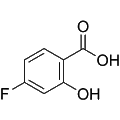
  • 4-Fluoro-2-hydroxybenzoic acid
    Cat. No.
    A88509

    4-Fluoro-2-hydroxybenzoic acid

    Synonyms: Fluorohydroxybenzoicacid

    4-Fluoro-2-hydroxybenzoic acid is a biochemical reagent that serves as a versatile substrate in various biochemical assays. It is primarily used in life sciences research for investigating enzyme activity and metabolic pathways. Its structural features enable its application in the synthesis of more complex organic compounds, making it a valuable tool in medicinal chemistry and drug discovery.

    10 g
    $20.00
    25 g
    $25.00
    All 2 sizes
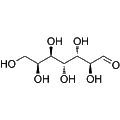
  • L-Glycero-D-mannoheptose
    Cat. No.
    A88512

    L-Glycero-D-mannoheptose

    L-Glycero-D-mannoheptose is a biochemical assay reagent that serves as an important substrate in glycosylation studies. This compound plays a critical role in probing carbohydrate interactions and enzymatic activities relevant to glycan dynamics. Its use facilitates investigations into various biological processes, including cell signaling and microbial adhesion, making it valuable for research in glycobiology and related fields.

    1 mg
    $240.00
    5 mg
    $615.00
    All 2 sizes
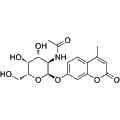
  • 4-Methylumbelliferyl 2-acetamido-2-deoxy-α-D-galactopyranoside
    Cat. No.
    A88517

    4-Methylumbelliferyl 2-acetamido-2-deoxy-α-D-galactopyranoside

    4-Methylumbelliferyl 2-acetamido-2-deoxy-α-D-galactopyranoside serves as a fluorogenic substrate for the assessment of α-galactosidase enzymatic activity. This compound is integral for analyzing enzyme kinetics in various biological samples, providing insights into the physiological roles of α-galactosidase. Additionally, it can be utilized for screening potential inhibitors or activators of this enzyme, facilitating research into its regulatory mechanisms and therapeutic targets.

    1 mg
    $45.00
    5 mg
    $190.00
    All 3 sizes
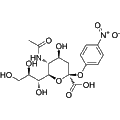
  • 2-O-(p-Nitrophenyl)-α-D-N-acetylneuraminic acid
    Cat. No.
    A88560

    2-O-(p-Nitrophenyl)-α-D-N-acetylneuraminic acid

    Synonyms: PNP-α-NeuNAc

    2-O-(p-Nitrophenyl)-α-D-N-acetylneuraminic acid serves as a chromogenic substrate for neuraminidase. Upon enzymatic hydrolysis, it yields p-nitrophenol, facilitating the quantification of enzyme activity and the assessment of inhibitory effects through spectrophotometric analysis. Additionally, this compound functions as a sialyl donor in enzyme-catalyzed trans-sialylation processes, making it valuable for studies involving sialic acid metabolism.

    1 mg
    $200.00
    5 mg
    $705.00
    All 4 sizes
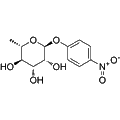
  • 4-Nitrophenyl α-L-rhamnopyranoside
    Cat. No.
    A88626

    4-Nitrophenyl α-L-rhamnopyranoside

    4-Nitrophenyl α-L-rhamnopyranoside serves as an essential substrate for the evaluation of enzymes that hydrolyze rhamnose, particularly α-L-rhamnosidase. Upon hydrolysis, this compound produces a yellow chromophore, p-nitrophenol, which facilitates the detection and quantification of rhamnohydrolase activity in various biological samples and microbial cultures. Its distinctive chemical characteristics make it a valuable reagent in biochemical assays aimed at studying carbohydrate-active enzymes.

    10 mg
    $30.00
    25 mg
    $60.00
    All 4 sizes
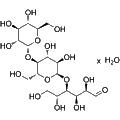
  • Maltotriose hydrate
    Cat. No.
    A88662

    Maltotriose hydrate

    Maltotriose hydrate is a biochemical assay reagent that serves as a biological substrate in various life science research applications. This trisaccharide plays a critical role in studies involving carbohydrate metabolism and enzyme activities. It is particularly useful for investigations related to glycosidases and other carbohydrate-active enzymes.

    100 mg
    $20.00
    1 g
    $110.00
    All 2 sizes
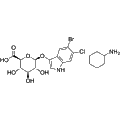
  • Magenta-β-D-GlcA
    Cat. No.
    A88708

    Magenta-β-D-GlcA

    Synonyms: 5-Bromo-6-chloro-3-indolyl β-D-glucuronide cyclohexylammonium

    Magenta-β-D-GlcA is a biochemical assay reagent that serves as a substrate for enzymatic reactions involving β-D-glucuronidases. Its primary application lies in the detection and quantification of glucuronidation processes in various biological systems. This compound is essential for exploring metabolic pathways, drug metabolism, and the study of glycosaminoglycans in life science research.

    5 mg
    $40.00
    10 mg
    $65.00
    All 6 sizes
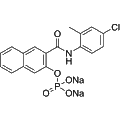
  • Naphthol AS-TR phosphate disodium
    Cat. No.
    A88809

    Naphthol AS-TR phosphate disodium

    Naphthol AS-TR phosphate disodium serves as a specific substrate for alkaline phosphatase, allowing researchers to assess enzyme activity through its hydrolysis. Upon enzymatic reaction, it generates a colored product detectable via spectrophotometry, making it instrumental in biochemical assays. This reagent is widely utilized for monitoring phosphatase activity in biological samples, including serum and urine, aiding in various research applications.

    10 mg
    $20.00
    25 mg
    $30.00
    All 4 sizes
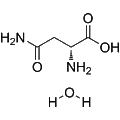
  • D-Asparagine monohydrate
    Cat. No.
    A88835

    D-Asparagine monohydrate

    D-Asparagine monohydrate is a biochemical reagent that serves as an important substrate in amino acid metabolism and neurotransmitter synthesis. This compound is commonly utilized in various life science research applications, including studies on protein biosynthesis and cellular signaling pathways. Its role as a chiral building block makes it valuable in the investigation of metabolic processes and enzyme activity.

    10 g
    $25.00
    25 g
    $30.00
    All 5 sizes
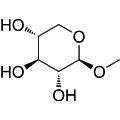
  • Methyl-β-D-xylopyranoside
    Cat. No.
    A88867

    Methyl-β-D-xylopyranoside

    Synonyms: Methyl-beta-D-xylopyranoside

    Methyl-β-D-xylopyranoside is a specific substrate for the enzyme xylosidase. It is utilized in biochemical assays to study xylosidase activity and to investigate carbohydrate metabolism. This compound is valuable for research applications related to glycosylation and polysaccharide degradation.

    1 g
    $20.00
    5 g
    $35.00
    All 3 sizes
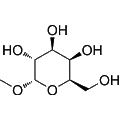
  • Methyl α-D-galactopyranoside
    Cat. No.
    A88868

    Methyl α-D-galactopyranoside

    Methyl α-D-galactopyranoside is a biochemical reagent that serves as a substrate in glycobiology research. It plays a critical role in studying carbohydrate interactions, glycan synthesis, and enzymatic processes related to glycan metabolism. This compound facilitates research into protein-glycan recognition and the biological functions of glycans, thereby contributing to advancements in fundamental biological sciences, biomedicine, and biotechnology applications.

    10 g
    $20.00
    25 g
    $35.00
    All 4 sizes
  • 4-Aminophenyl-α-D-mannopyranoside, 98%
    Cat. No.
    A88871

    4-Aminophenyl-α-D-mannopyranoside, 98%

    Synonyms: 4-Aminophenylmannoside; 98%

    4-Aminophenyl-α-D-mannopyranoside, 98% serves as a valuable detection substrate in biochemical research, particularly for studying glycosylation processes and enzyme-substrate interactions. This synthetic glycoside enables researchers to elucidate mechanisms underlying carbohydrate-modifying enzymes and their biological implications. Its application is essential for advancing knowledge in areas such as cell signaling, glycoprotein synthesis, and carbohydrate metabolism.

    10 mg
    $75.00
    25 mg
    $130.00
    All 3 sizes
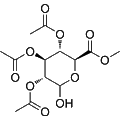
  • 2,3,4-Tri-O-acetyl-D-glucuronide methyl ester
    Cat. No.
    A88900

    2,3,4-Tri-O-acetyl-D-glucuronide methyl ester

    2,3,4-Tri-O-acetyl-D-glucuronide methyl ester is a biochemical reagent that serves as a glucuronidation substrate. This compound demonstrates significant biological activity related to enzymatic studies, particularly in the evaluation of UDP-glucuronosyltransferases. It is widely used in research applications focused on drug metabolism, biochemical pathways, and the synthesis of glucuronide derivatives for analytical purposes.

    25 mg
    $25.00
    50 mg
    $35.00
    All 4 sizes
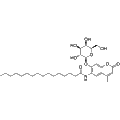
  • 6-Hexadecanoylamino-4-methylumbelliferyl β-D-galactopyranoside
    Cat. No.
    A88995

    6-Hexadecanoylamino-4-methylumbelliferyl β-D-galactopyranoside

    6-Hexadecanoylamino-4-methylumbelliferyl β-D-galactopyranoside serves as a fluorescent substrate for the detection of β-galactosidase activity. This compound is valuable in biochemical assays to monitor the efficiency of enzyme-catalyzed reactions. Additionally, it is commonly utilized in the analysis of polysaccharides and the study of carbohydrate enzymology, making it an important tool in various areas of biomedical research.

    1 mg
    $290.00
    5 mg
    $740.00
    All 2 sizes
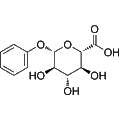
  • Phenyl-β-D-glucuronide
    Cat. No.
    A89000

    Phenyl-β-D-glucuronide

    Synonyms: Phenyl-Beta-D-Glucuronide

    Phenyl-β-D-glucuronide is a biochemical assay reagent that serves as a substrate for uridine diphosphate-glucuronosyltransferases (UGTs). This compound is utilized in research applications to study glucuronidation pathways and evaluate drug metabolism in various biological systems. Its role in assessing the activity of UGT enzymes makes it an important tool for pharmacokinetic studies and toxicological assessments.

    25 mg
    $160.00
    50 mg
    $245.00
    All 3 sizes

Items 176-200 of 465

Added to your cart

View Cart Checkout

    Loading...