AMPA Receptor

AMPA receptor antagonists and modulators act on glutamate-gated ion channels that carry fast excitatory transmission. The name comes from the selective agonist alpha-amino-3-hydroxy-5-methyl-4-isoxazolepropionic acid (AMPA). Each receptor is a tetramer of glutamate receptor subunits 1 to 4 (GluA1 to GluA4), first cloned in 1989. Alternative splicing gives flip and flop forms of each subunit, which differ in desensitization. NBQX and DNQX are competitive quinoxalinedione antagonists that also block kainate receptors. GYKI-52466 dihydrochloride is a noncompetitive antagonist of the 2,3-benzodiazepine class. Positive modulators include cyclothiazide, which reduces desensitization, aniracetam and the ampakine Ampalex.

2 Items

  • ATPA
    Cat. No.
    A67106

    ATPA

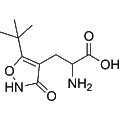
    ATPA is a selective activator of the glutamate receptor GluR5, exhibiting EC50 values of 0.66 μM for GluR5wt and varying affinities for multiple mutant forms, including 9.5 μM for GluR5(S741M) and 1.4 μM for GluR5(S721T). This compound is valuable for investigating the functional roles of GluR5 in synaptic transmission and plasticity. ATPA may also be utilized in research focused on neurological disorders where glutamate signaling is implicated.

    5 mg
    $215.00
    10 mg
    $355.00
    All 5 sizes
  • Leptin (116-130)
    Cat. No.
    A67340

    Leptin (116-130)

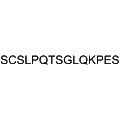
    Leptin (116-130) is a bioactive fragment of the leptin protein, known to activate AMPA receptors. This compound enhances AMPA receptor trafficking to synapses, facilitating activity-dependent synaptic plasticity in the hippocampus. Furthermore, Leptin (116-130) exhibits protective effects against synaptic disruption and neuronal cell death in amyloid toxicity models, making it valuable for research into Alzheimer's disease mechanisms.

    Out of stock

    All 3 sizes

2 Items

Added to your cart

View Cart Checkout

    Loading...