
-
-
- Cat. No.
- A13560
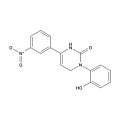
Icilin
Synonyms: AG 3-5
Icilin is a cooling agent that activates the novel cold receptors TRPM8 (CMR1) and TRPA1 (ANKTM1/TRPN1), members of the TRP ion channel family. Induces currents in CMR1-expressing HEK 293 cells (EC50 = 0.36 μM)
In stock View Details -
- Cat. No.
- A15497
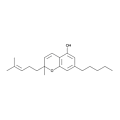
Cannabichromene
Synonyms: Cannanbichromene
Cannabichromene is a major non-psychotropic phytocannabinoid that inhibits endocannabinoid inactivation and activates the transient receptor potential ankyrin-1 (TRPA1). Both endocannabinoids and TRPA1 may modulate gastrointestinal motility.
In stock View Details -
- Cat. No.
- A15854
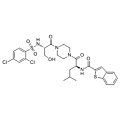
GSK1016790A
Synonyms: GSK101
GSK1016790A is a novel, potent activator of TRPV4 (transient receptor potential vanilloid 4) with EC50 of 34nM in choroid plexus epithelial cells.
In stock View Details -
- Cat. No.
- A20839
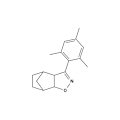
SN 2
SN 2 is a novel and potent activator of TRPML3 ion channel with EC50 of 1.8±0.13 μM.
In stock View Details -
- Cat. No.
- A39334
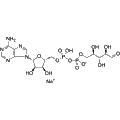
Adenosine 5′-diphosphoribose sodium
Synonyms: ADP ribose sodium
Adenosine 5′-diphosphoribose sodium is a potent activator of the TRPM2 cation channel, which is permeable to Ca2+. This NAD+ metabolite plays a crucial role in cellular signaling and has been shown to enhance autophagy. It serves as a valuable tool for research investigating calcium signaling pathways and the modulation of autophagy in various biological contexts.
In stock View Details -

- Cat. No.
- A46206
pTH-Related Protein (1-40) (human, mouse, rat)
pTH-Related Protein (1-40) is an activator of the parathyroid hormone receptor (PTHR) and protein kinase C isoforms α and β. This peptide enhances calcium uptake in rat intestinal cells by stimulating the PTHR1 receptor, leading to the upregulation of critical calcium transport proteins, including TRPV6, CaBP-D9k, NCX1, and PMCA1. Its biological activity makes it a valuable tool for research focused on calcium signaling and endocrine regulation in both human and animal models.
Out of stock
All 3 sizes -
- Cat. No.
- A65984
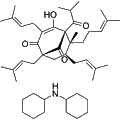
Hyperforin dicyclohexylammonium salt
Synonyms: Hyperforin DCHA
Hyperforin dicyclohexylammonium salt is a selective activator of transient receptor potential canonical 6 (TRPC6) channels. By modulating Ca2+ flux, this compound influences a variety of biological processes and exhibits notable pharmacological activities, including anti-depression, anti-tumor, anti-dementia, and anti-diabetic effects. Additionally, Hyperforin dicyclohexylammonium salt has been shown to enhance the secretion of IL-17α from γδ T cells and demonstrates efficacy in improving psoriasis-like symptoms in the Imiquimod-induced mouse model. This compound serves as a valuable tool in research focused on calcium signaling and related therapeutic applications.
In stock View Details -
- Cat. No.
- A68469
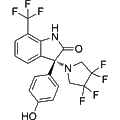
ErSO-TFPy
Synonyms: TEQ103; Sera2
ErSO-TFPy is a selective activator of the TRPM4 ion channel, designed for studying its effects on calcium and sodium ion homeostasis in cells. This compound exhibits low nanomolar cytotoxicity specifically towards ERα+ breast cancer cells, leading to dysregulation of calcium balance and triggering an anticipatory unfolded protein response. The resultant cellular stress induces immune cell-independent necrotic cell death. ErSO-TFPy is a valuable tool for investigating the mechanisms underlying estrogen receptor alpha positive breast cancer.
In stock View Details -
- Cat. No.
- A68698
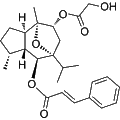
Englerin A
Englerin A is a selective activator of TRPC4 and TRPC5 channels, exhibiting EC50 values of 11.2 nM and 7.6 nM, respectively. This compound is known to induce cell death in renal carcinoma cells through the mechanism of increased calcium influx and subsequent calcium overload. Englerin A serves as a valuable tool for investigating TRPC channel function and potential therapeutic approaches in cancer research.
In stock View Details -
- Cat. No.
- A68703
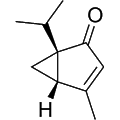
Umbellulone
Umbellulone is a potent TRPA1 channel activator derived from the leaves of Umbellularia californica. This compound selectively stimulates TRPA1 channels in peptidergic, nociceptive neurons, thereby activating the trigeminovascular system. Umbellulone is valuable for research applications focused on pain signaling pathways and the mechanisms underlying migraine and other pain-related disorders.
In stock View Details -
- Cat. No.
- A68704
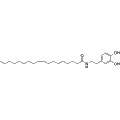
N-Oleoyldopamine
Synonyms: OLDA
N-Oleoyldopamine is an oral TRPV1 activator and 5-lipoxygenase (5-LOX) inhibitor that effectively crosses the blood-brain barrier. It stimulates histaminergic neurons in the tuberomammillary nucleus via a dopamine receptor mechanism, independent of TRPV1 and cannabinoid receptors. N-Oleoyldopamine enhances insulin release and promotes glucose-dependent insulinotropic polypeptide through a GPR119-dependent pathway, thus improving glucose tolerance. Additionally, it benefits cardiovascular health by mitigating left ventricular dysfunction and reducing myocardial infarction size through the release of substance P and calcitonin gene-related peptide. This compound is valuable for research into glycemic control and myocardial ischemia-reperfusion injury.
In stock View Details -
- Cat. No.
- A68710
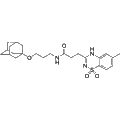
BTD
BTD is a selective activator of the transient receptor potential canonical 5 (TRPC5) channel, known for its roles in neuronal signaling. This compound facilitates the investigation of TRPC5-mediated pathways, making it a valuable tool for research into neurological diseases and related physiological processes. The modulation of TRPC5 activity by BTD can provide insights into therapeutic targets and mechanisms associated with neurodegenerative conditions.
In stock View Details -
- Cat. No.
- A68723
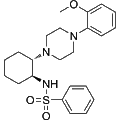
(1S,2S)-ML-SI3
Synonyms: (+)-trans-ML-SI3
(1S,2S)-ML-SI3 is a selective activator of the TRPML2 and TRPML3 isoforms, exhibiting EC50 values of 2.7 μM and 10.8 μM, respectively, while serving as a potent inhibitor of TRPML1 with an IC50 of 5.9 μM. This compound facilitates investigations into lysosomal ion channel functions, cellular ion homeostasis, and related signaling pathways. Its unique pharmacological profile makes it a valuable tool for researchers studying the role of TRPML channels in various biological processes.
In stock View Details -
- Cat. No.
- A68729
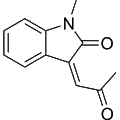
Supercinnamaldehyde
Supercinnamaldehyde is a potent activator of the transient receptor potential ankyrin 1 (TRPA1) channel, exhibiting an EC50 value of 0.8 μM. It activates TRPA1 through covalent modification of cysteine residues, making it a valuable tool for studying pain pathways and sensory signaling. Its applications include research into inflammation, nociception, and neurobiology.
In stock View Details -
- Cat. No.
- A68737
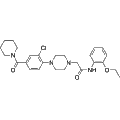
L687
L687 is a potent activator of the TRPC3, TRPC6, and TRPC7 channels, facilitating the cellular uptake of oligonucleotides. Its ability to modulate calcium influx makes it a valuable tool for studying TRP channel function and its role in various physiological processes. L687 has potential applications in molecular biology, particularly in gene delivery and therapeutic research involving nucleic acid-based strategies.
In stock View Details -
- Cat. No.
- A68747
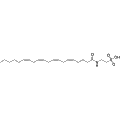
N-Arachidonoyl Taurine
N-Arachidonoyl Taurine is a selective activator of the transient receptor potential vanilloid channels TRPV1 and TRPV4, exhibiting EC50 values of 28 μM and 21 μM, respectively. This compound is pivotal in studies investigating pain perception, thermoregulation, and various neurophysiological processes. Its unique properties make it a valuable tool for researching TRPV-mediated signaling pathways and their implications in sensory biology.
In stock View Details -
- Cat. No.
- A68755
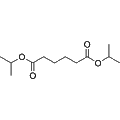
Diisopropyl adipate
Synonyms: Adipic acid diisopropyl ester
Diisopropyl adipate is a TRPA1 activator that enhances FITC-induced contact hypersensitivity. This compound is utilized extensively as an alternative plasticizer in various formulations, serving not only as a key ingredient in cosmetic products but also as an excipient in pharmaceutical applications. By functioning as an emollient and plasticizer, diisopropyl adipate improves the stability, solubility, and overall processability of drug formulations, while influencing the absorption, distribution, metabolism, and elimination (ADME) characteristics of co-administered drugs.
In stock View Details -
- Cat. No.
- A68760
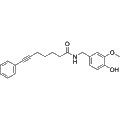
Phenylcapsaicin
Phenylcapsaicin is a TRPV1 receptor activator known for its role in enhancing fat oxidation during aerobic exercise. This compound serves as an analogue of capsaicin, demonstrating similar biological activity. Its research applications are particularly relevant in studies focused on metabolic processes and pain modulation, providing insights into the physiological effects of TRPV1 activation.
In stock View Details -
- Cat. No.
- A68761
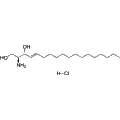
D-erythro-Sphingosine hydrochloride
Synonyms: Erythrosphingosine hydrochloride; erythro-C18-Sphingosine hydrochloride; trans-4-Sphingenine hydrochloride
D-erythro-Sphingosine hydrochloride is a specific activator of the TRPM3 ion channel. This compound has been shown to induce dephosphorylation of the retinoblastoma protein, which can play a significant role in cell cycle regulation. D-erythro-Sphingosine hydrochloride is utilized in research focused on exploring TRPM3-related pathways and cellular processes.
In stock View Details -
- Cat. No.
- A68779
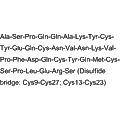
Wasabi Receptor Toxin
Synonyms: WaTx
Wasabi Receptor Toxin is an activator of the TRPA1 ion channel, functioning at nanomolar concentrations (EC50). This cell-penetrating scorpion toxin enhances the open time of TRPA1 while concurrently reducing calcium permeability. Its application in research includes the investigation of thermal hypersensitivity and mechanical allodynia in animal models, without inducing neurogenic inflammation.
Out of stock
All 3 sizes -
- Cat. No.
- A68814
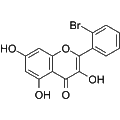
AM12
AM12 is a selective TRP channel activator that specifically inhibits Lanthanide-evoked TRPC5 activity, demonstrating an IC50 value of 0.28 μM. This compound is valuable for research investigating the modulation of TRPC5 channels and their role in calcium signaling pathways. AM12 is ideal for studies focused on cellular responses to TRP channel activation and the physiological implications in various biological systems.
In stock View Details -
- Cat. No.
- A68848
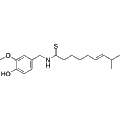
TRPV1 activator-1
TRPV1 activator-1 is a capsaicin analog with a modified neck structure that specifically interacts with the T551 residue of the TRPV1 receptor. This compound is known for its ability to activate TRPV1, contributing to research on pain sensation and nociception. Its unique properties make it a valuable tool for studying the physiological and pharmacological aspects of TRPV1-mediated pathways in various pain-related studies.
Out of stock
All 3 sizes -
- Cat. No.
- A68849
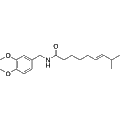
TRPV1 activator-2
TRPV1 activator-2 is a capsaicin analog that specifically targets the TRPV1 ion channel, enhancing its activity in response to thermal and chemical stimuli. This compound is utilized in research to study pain signaling pathways, neuroinflammation, and the physiological effects of TRPV1 modulation. Its precise interactions with channel residues at the lipid-water interface contribute to a better understanding of TRPV1's role in nociception and potential therapeutic applications.
Out of stock
All 3 sizes -
- Cat. No.
- A68862
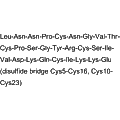
RhTx
RhTx is a transient receptor potential vanilloid 1 (TRPV1) activator that plays a crucial role in the modulation of pain perception. By enhancing TRPV1 activity, RhTx facilitates research into pain mechanisms and is valuable for studying nociception and the sensory transduction processes involved in inflammatory pain responses. This compound serves as a useful tool in pain research and therapeutic studies targeting TRPV1-related pathways.
Out of stock
All 3 sizes