Cathepsin

Cathepsin inhibitors act on lysosomal proteases, mainly the papain-like cysteine cathepsins B, C, K, L and S. Cysteine cathepsins degrade proteins in the endolysosomal system and, after secretion, also remodel the extracellular matrix. In 1996 loss of cathepsin K was shown to cause pycnodysostosis, a lysosomal disease with dense, brittle bones. Cathepsin K is the main collagen-degrading protease of osteoclasts, which makes it a target in bone resorption studies. Odanacatib and balicatib inhibit cathepsin K, petesicatib targets cathepsin S, and CA-074 is selective for cathepsin B. CA-074 methyl ester is a membrane-permeable form for work in intact cells. Gly-Phe-beta-naphthylamide, a cathepsin C substrate, is used to rupture lysosomes in live cells.

1 Item

  • RO5461111
    Cat. No.
    A39791

    RO5461111

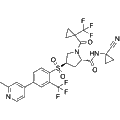
    RO5461111 is a highly specific and orally active antagonist of Cathepsin S, exhibiting IC50 values of 0.4 nM for human Cathepsin S and 0.5 nM for murine Cathepsin S. This compound effectively inhibits the activation of antigen-specific T cells and B cells, making it a valuable tool in immunological research. RO5461111 has shown potential in addressing pulmonary inflammation and lupus nephritis, highlighting its applicability in studying autoimmune diseases and related therapeutic interventions.

    5 mg
    $560.00
    10 mg
    $925.00
    All 5 sizes

1 Item

Added to your cart

View Cart Checkout

    Loading...