
- Cat. No.
- A17592
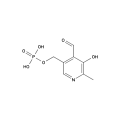
Pyridoxal phosphate
Synonyms: MC-1
Pyridoxyl phosphate is a purinergic P2 receptor antagonist potentially for the treatment of tardive dyskinesia
In stock
View Details
Search by product name, CAS, target or catalog number. Press Down Arrow to reach product suggestions, Tab to move between links, and Escape to close suggestions.
Endogenous metabolites are small molecules made by the body's own metabolism, such as amino acids and steroids. They are used as metabolomics standards, as enzyme substrates and as tools to probe how metabolic pathways are regulated. L-Citrulline, an intermediate of the urea cycle, is also formed when nitric oxide synthase produces nitric oxide. 17-Hydroxyprogesterone is a steroid intermediate on the route to cortisol. Prostaglandin E1 represents the eicosanoids, a group of lipid mediators derived from fatty acids. Nicotinamide riboside chloride is a precursor of nicotinamide adenine dinucleotide (NAD+), the cofactor used by sirtuins.
Synonyms: MC-1
Pyridoxyl phosphate is a purinergic P2 receptor antagonist potentially for the treatment of tardive dyskinesia
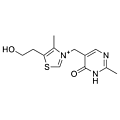
Synonyms: Hydroxythiamin
Oxythiamine, an antimetabolite and a vitamin B1 antagonist, is a well-known thiamine antagonist and inhibitor of transketolase.
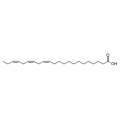
Synonyms: cis-13,16,19-docosatrienoic acid; (13Z,16Z,19Z)-13,16,19-Docosatrienoic acid
Docosatrienoic acid is a rare ??-3 fatty acid; inhibits LTB4 binding to pig neutrophil membranes with an Ki of 5 μM.
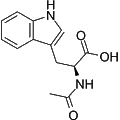
N-Acetyl-L-tryptophan is an antagonist of the neurokinin-1 receptor (NK-1R), effectively disrupting the binding of substance P, which leads to neuroprotective outcomes. This compound is known to improve cognitive function and motor skills while also acting as an inhibitor of cytochrome c, exhibiting antioxidant and anti-inflammatory properties through the regulation of IL-1β expression and caspase-1 activation. N-Acetyl-L-tryptophan is valuable for research investigating neurodegenerative and inflammatory conditions.
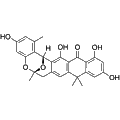
Synonyms: L-755,805
BE 24566B is a polyketide fungal metabolite that acts as an endothelin receptor antagonist, targeting both ETA and ETB receptors with IC50 values of 11 μM and 3.9 μM, respectively. This compound demonstrates antibacterial activity against a range of Gram-positive bacteria, including B. subtilis, B. cereus, S. aureus, M. luteus, E. faecalis, and S. thermophilus, with reported MICs of 1.56 μg/mL for five of these species and 3.13 μg/mL for E. faecalis and S. thermophilus. BE 24566B is valuable for research applications in antimicrobial studies and receptor pharmacology.
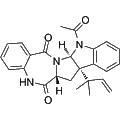
Synonyms: LL-S490β
Acetylaszonalenin is a prenylated indole derivative that acts as a neurokinin-1 (NK1) receptor antagonist. This fungal metabolite demonstrates significant inhibition of [3H]-substance P binding to human astrocytoma cells, with a Ki value of 170 μM. Acetylaszonalenin is applicable in research exploring neurokinin signaling and its role in neuroinflammation and related neurological disorders.
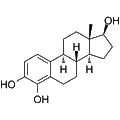
Synonyms: 4-Hydroxy-17β-estradiol
4-Hydroxyestradiol is an endogenous metabolite of estradiol that acts as a potent estrogen receptor antagonist. This compound exhibits carcinogenic properties and demonstrates mutagenic activity in breast epithelial cells, indicating its role in cellular transformation processes. Its competitive inhibition of estradiol binding to the estrogen receptor, with a Ki value of 0.48 nM, makes it a valuable tool for studying estrogen-related pathways and breast cancer biology.
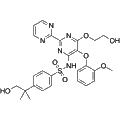
Synonyms: Ro 48-5033
Hydroxy bosentan is an endogenous metabolite derived from Bosentan, primarily processed by the cytochrome P450 system in the liver. This compound retains 10%-20% of Bosentan's pharmacological activity, serving as a significant contributor to the overall therapeutic effects of the parent compound. Hydroxy bosentan is useful in research focused on metabolic pathways and the pharmacokinetics of endothelin receptor antagonists.
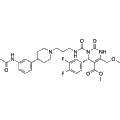
SNAP-7941 is a selective antagonist of the melanin concentrating hormone receptor MCH1, exhibiting anxiolytic, antidepressant, and appetite-suppressant properties. In preliminary animal studies, SNAP-7941 demonstrated significant biological activity and the ability to inhibit MCH-induced drinking behavior, highlighting its potential for research in neuropharmacology and metabolic disorders. This compound serves as a valuable tool for investigating the role of MCH1 in various physiological processes.
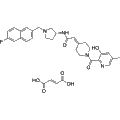
YM-355179 fumarate is a selective antagonist of the C-C chemokine receptor type 3 (CCR3), targeting eosinophil-related allergic inflammatory diseases. This compound effectively inhibits the binding of CCL11 and CCL5 to CCR3-expressing cells, exhibiting IC50 values of 7.6 nM and 24 nM, respectively. Functional assays demonstrate that YM-355179 fumarate inhibits CCL11-induced intracellular Ca(2+) influx, chemotaxis, and eosinophil degranulation, with IC50 values of 8.0 nM, 24 nM, and 29 nM, respectively. This makes it a valuable tool for researchers studying allergic inflammation and related conditions.
Out of stock
All 3 sizes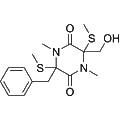
Synonyms: A26771E
FR 106969 is a potent platelet activating factor antagonist that exhibits anti-inflammatory properties. This compound is primarily utilized for its ability to mitigate inflammatory responses, making it valuable in the study of inflammation-related diseases. Research indicates that FR 106969 may offer significant inhibitory effects on various inflammatory pathways, contributing to its potential therapeutic applications in conditions characterized by excessive inflammation.
Out of stock
All 3 sizes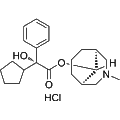
Synonyms: Levophencynonate hydrochloride
R-(-)-Phencynonate hydrochloride is a muscarinic receptor antagonist that exhibits anticholinergic activity. This compound serves as a significant endogenous metabolite, making it integral for investigations related to its concentration in human plasma within medical research contexts. R-(-)-Phencynonate has been effectively analyzed using high-performance liquid chromatography tandem mass spectrometry (HPLC-MS/MS), demonstrating excellent specificity and linearity for precise quantification.
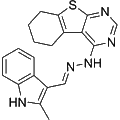
Pyrimidine-indole hybrid is an endogenous metabolite that functions primarily as an antagonist of the Hedgehog signaling pathway through the destabilization of microtubules. This compound demonstrates significant biological activity by inhibiting ciliogenesis and disrupting the stable form of α-tubulin. Its unique mechanism of action has been validated in in vitro cell studies and in zebrafish embryo models, making it a valuable tool for investigating microtubule dynamics and related signaling processes.
Out of stock
All 3 sizes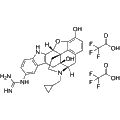
Synonyms: 5'-GNTI TFA
5'-Guanidinonaltrindole TFA is a selective antagonist of the kappa-opioid receptor, demonstrating significant opioid antagonist activity. It exhibits an antagonistic potency five times greater than that of norbinatorphimine in smooth muscle preparations, with a selectivity ratio exceeding 500-fold. Binding and functional studies reveal pA(2) values aligning with the smooth muscle data, indicating its effectiveness. This compound serves as a valuable pharmacological tool for investigating the role of kappa-opioid receptors in opioid research.
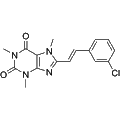
Synonyms: CSC
8-(3-Chlorostyryl)caffeine is a selective antagonist of the A2a adenosine receptor, demonstrating a significant 520-fold selectivity in radioligand binding assays conducted in rat brain. It effectively inhibits adenylylase with a 22-fold selectivity in rat chromaffin cells. Co-administration with the A1-selective antagonist CPX has been shown to enhance exercise activity. Additionally, 8-(3-Chlorostyryl)caffeine exhibits potent inhibitory activity against MAO-B in primate mitochondrial systems. This compound serves as a valuable tool for studying adenosine receptor signaling and its effects on physiological processes.
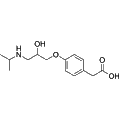
Synonyms: Atenolol acid
Metoprolol acid is an endogenous metabolite of the beta-blocker metoprolol. Although it does not exhibit pharmacological activity, it serves as a useful biomarker for studying the metabolism and pharmacokinetics of metoprolol in various biological samples. Researchers can detect metoprolol acid using solid phase extraction coupled with reversed phase high-performance liquid chromatography, employing fluorescence detection and specific eluents to ensure accurate analysis.
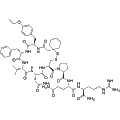
SKF 103784 is a vasopressin antagonist that targets the action of vasopressin, inhibiting its physiological effects linked to antidiuresis. This compound is valuable for investigating biological processes related to water and sodium homeostasis. Furthermore, SKF 103784 can be utilized in research to elucidate pathological mechanisms associated with cardiovascular diseases and endocrine disorders.
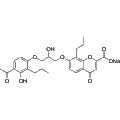
FPL-55712 is a cysteine leukotriene type 1 receptor antagonist that exhibits anti-inflammatory effects. This compound effectively inhibits the biological responses induced by leukotrienes, thereby reducing allergic reactions and alleviating airway inflammation. FPL-55712 holds promise for research applications related to asthma and allergic rhinitis management.
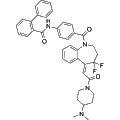
YM471 free base is a selective non-peptide antagonist targeting vasopressin V1A and V2 receptors. It demonstrates high affinity for these receptors in rat models, with binding affinities (K values) of 0.16 nM for V1A and 0.77 nM for V2. This compound is valuable for investigating the role of vasopressin receptors in various physiological and pathological conditions.
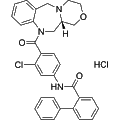
Synonyms: RWJ-351647 hydrochloride; SPD-556 hydrochloride
M-0002 hydrochloride is an antagonist of the vasopressin V2 receptor, acting as a key regulator of water balance and blood pressure. This compound is primarily investigated for its potential to inhibit ascites formation, making it relevant in research related to fluid retention disorders. Its favorable biological properties support further exploration in clinical applications.
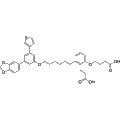
RO5101576 is a potent antagonist of the leukotriene B4 (LTB4) receptor, effectively inhibiting LTB4-induced calcium mobilization and chemotaxis in human neutrophils. This compound demonstrates significant reduction of LTB4-induced pulmonary eosinophilia in guinea pigs, and it inhibits allergen- and ozone-induced pulmonary neutrophilia in nonhuman primates with efficacy similar to that of budesonide. Notably, RO5101576 does not affect LPS-induced neutrophilia in guinea pigs or cigarette smoke-induced neutrophilia in mice and rats. Its favorable performance in toxicology studies indicates good tolerability.
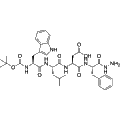
A-57696 is a cholecystokinin (CCK) antagonist that selectively targets cortical CCK-B receptors with an IC50 of 25 nM. It functions as a competitive antagonist, effectively reversing CCK8-induced pancreatic alpha-amylase secretion and phosphatidylinositol degradation, while also inhibiting CCK8-induced gallbladder contraction. Notably, A-57696 exhibits partial agonist activity at CCK-B/gastrin receptors on NCI-H345 cells, eliciting up to 80% of the maximal CCK8 response. This compound serves as a valuable tool in research focused on gastrointestinal physiology and the modulation of CCK-related pathways.
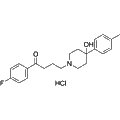
Moperone hydrochloride is a selective antagonist of the dopamine D2 receptor. It demonstrates significant biological activity in modulating dopaminergic neurotransmission, making it valuable in the research of psychiatric disorders such as schizophrenia and other dopamine-related conditions. This compound is essential for studies aimed at understanding the role of dopamine in mental health and the development of antipsychotic therapies.
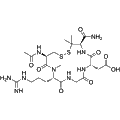
SKF 106760 is a potent antagonist of the platelet fibrin receptor glycoprotein IIb/IIIa, demonstrating significant antiplatelet and antithrombotic activities. This compound effectively inhibits platelet aggregation in vitro and prevents thrombus formation within stenotic carotid arteries. Additionally, SKF 106760 exhibits efficacy against aspirin-resistant thrombi that occur in high-grade stenosis conditions, making it a valuable tool for investigating antithrombotic therapies in cardiovascular research.
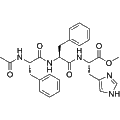
Triletide is a thromboxane A2 antagonist that exhibits effective oral bioavailability. This compound is primarily metabolized into various derivatives, including demethyl, deacetyl, and hydroxy forms. Triletide possesses a distribution half-life of approximately 1 hour, coupled with an elimination half-life of around 5 hours. It serves as a valuable tool for research applications focused on thromboxane signaling pathways and related cardiovascular studies.
Out of stock
All 3 sizes