HSP

Heat shock protein (HSP) inhibitors, mostly HSP90 inhibitors, block chaperones that fold and stabilize client proteins. HSP90 binds and hydrolyzes adenosine triphosphate (ATP), and many of its clients are kinases and transcription factors in growth signaling. In 1994, benzoquinone ansamycins such as geldanamycin were shown to disrupt HSP90 complexes with the viral Src kinase. A crystal structure reported in 1997 placed geldanamycin in the N-terminal ATP pocket of HSP90. Inhibition leads to degradation of client proteins through the ubiquitin-proteasome pathway. Later chemotypes include the resorcinol-based luminespib and ganetespib, alongside the geldanamycin analog alvespimycin hydrochloride. JG-98 is an allosteric inhibitor of HSP70, a second chaperone family.

2 Items

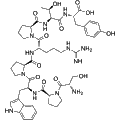
  • A8 peptide
    Cat. No.
    A37540

    A8 peptide

    A8 peptide is an Hsp72 antagonist that inhibits tumor progression and metastasis. By disrupting the interaction between Hsp72 and TLR2, A8 peptide enhances the sensitivity of cancer cells to apoptosis induced by chemotherapeutic agents, including Cisplatin. This reagent is valuable for research in cancer biology, particularly in exploring mechanisms of drug resistance and metastasis.

    Out of stock

    All 3 sizes
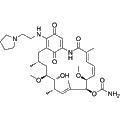
  • 17-AEP-GA
    Cat. No.
    A37595

    17-AEP-GA

    17-AEP-GA is a selective antagonist of HSP90, demonstrating potent inhibition of glioblastoma cell proliferation, survival, migration, and invasion. This compound is valuable for research applications focused on cancer biology, particularly in elucidating the role of HSP90 in oncogenic processes and therapeutic interventions in glioblastoma.

    1 mg
    $235.00
    5 mg
    $590.00
    All 5 sizes

2 Items

Added to your cart

View Cart Checkout

    Loading...