Drug Metabolite

Drug metabolites are compounds formed when drugs, pesticides and other xenobiotics are transformed by organisms. Phase I reactions such as oxidation and hydroxylation, and phase II conjugation reactions, generate most of these products. α-Hydroxytamoxifen is a hydroxylated metabolite of tamoxifen, and Desbutyl Lumefantrine D9 is a deuterium-labeled form of a lumefantrine metabolite. Imidacloprid-urea represents environmental and metabolic breakdown products of the neonicotinoid insecticide imidacloprid. Endogenous and dietary metabolites also appear, including hippuric acid, a glycine conjugate of benzoic acid, and the catecholamine end product vanillylmandelic acid. Researchers use these compounds to identify metabolites, follow biotransformation pathways and measure exposure in biological samples. Deuterium-labeled forms can act as internal standards in mass spectrometry.

1 Item

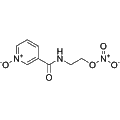
  • Nicorandil pyridine oxide
    Cat. No.
    A70954

    Nicorandil pyridine oxide

    Nicorandil pyridine oxide is a metabolite of Nicorandil, which acts as an activator of the sulfonylurea receptor 2B (SUR2B) and the ATP-sensitive potassium channel Kir6.2. This compound serves as a crucial tool for drug metabolite control, offering insights into the pharmacokinetics and therapeutic mechanisms of Nicorandil. Its biological activity is important for researchers studying cardiovascular effects and the modulation of ion channels in various biological systems.

    1 mg
    $105.00
    5 mg
    $370.00
    All 4 sizes

1 Item

Added to your cart

View Cart Checkout

    Loading...