Sex Pheromone

Sex pheromones are chemical signals released by one sex to attract or influence mating partners of the same species. Most entries are insect pheromone components, typically long-chain aldehydes, alcohols and acetates derived from fatty acid metabolism. Examples are (Z)-7-hexadecenal, 11-octadecenal and (Z,E)-9,12-tetradecadienol, which are studied as components of moth pheromone blends. Heneicosane is a long-chain alkane reported as a pheromone component in several insect species. Peptide pheromones extend the range to bacteria, as in cCF10, which induces conjugative plasmid transfer in Enterococcus faecalis. Ascr#9 belongs to the ascarosides, glycolipid signals that regulate development and behavior in the nematode Caenorhabditis elegans. (E)-β-farnesene, the aphid alarm pheromone, is also listed, although it signals danger rather than mating.

2 Items

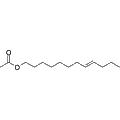
  • (E)-8-Dodecenyl acetate
    Cat. No.
    A62318

    (E)-8-Dodecenyl acetate

    Synonyms: (E)-8-Dodecen-1-yl acetate; trans-8-Dodecenyl acetate

    (E)-8-Dodecenyl acetate is a sex pheromone that targets the olfactory receptors of male Gymnandrosoma aurantianum moths, acting as an agonist. This compound plays a significant role in the study of insect communication and behavior, making it valuable for research focused on agricultural pest management. Its unique mechanism offers potential insights into pest control strategies and the ecological impact of pheromones.

    1 mg
    $20.00
    5 mg
    $25.00
    All 8 sizes
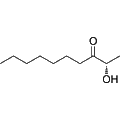
  • (S)-2-Hydroxy-3-decanone
    Cat. No.
    B11592

    (S)-2-Hydroxy-3-decanone

    (S)-2-Hydroxy-3-decanone is a volatile olfactory agonist identified as the primary sex pheromone component of Xylotrechus quadripes beetles. This compound plays a crucial role in chemical communication and mating behaviors among these insects. It holds potential for research applications in pest control and the study of insect behavior and ecology.

    Out of stock

    All 3 sizes

2 Items

Added to your cart

View Cart Checkout

    Loading...