Endogenous Metabolite

Endogenous metabolites are small molecules made by the body's own metabolism, such as amino acids and steroids. They are used as metabolomics standards, as enzyme substrates and as tools to probe how metabolic pathways are regulated. L-Citrulline, an intermediate of the urea cycle, is also formed when nitric oxide synthase produces nitric oxide. 17-Hydroxyprogesterone is a steroid intermediate on the route to cortisol. Prostaglandin E1 represents the eicosanoids, a group of lipid mediators derived from fatty acids. Nicotinamide riboside chloride is a precursor of nicotinamide adenine dinucleotide (NAD+), the cofactor used by sirtuins.

Items 1-25 of 28

  • Inosine
    Cat. No.
    A11995

    Inosine

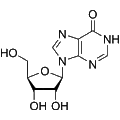
    Inosine, an endogenous purine nucleoside, is generated through the catabolism of adenosine. It exhibits significant anti-inflammatory, antinociceptive, immunomodulatory, and neuroprotective properties. Inosine acts as an agonist for both adenosine A1 (A1R) and A2A (A2AR) receptors, making it valuable for research applications in inflammation, pain modulation, immune response, and neuroprotection.

    500 mg
    $20.00
    1 g
    $25.00
    All 5 sizes
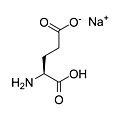
  • L-Glutamic acid monosodium salt
    Cat. No.
    A16591

    L-Glutamic acid monosodium salt

    Synonyms: Monosodium glutamate

    L-Glutamic acid monosodium salt acts as an excitatory transmitter and an agonist at all subtypes of glutamate receptors (metabotropic, kainate, NMDA, and AMPA). (S)-Glutamic acid shows a direct activating effect on the release of DA from dopaminergic terminals.

    50 mg
    $25.00
    100 mg
    $40.00
    All 3 sizes
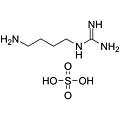
  • Agmatine sulfate
    Cat. No.
    A20485

    Agmatine sulfate

    Agmatine sulfate exerts modulatory action at multiple molecular targets, such as neurotransmitter systems, ion channels and nitric oxide synthesis. It is an endogenous agonist at imidazoline receptor and a NO synthase inhibitor.

    100 mg
    $20.00
    500 mg
    $40.00
    All 3 sizes
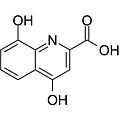
  • Xanthurenic acid
    Cat. No.
    A22575

    Xanthurenic acid

    Xanthurenic acid is a putative endogenous Group II metabotropic glutamate receptor agonist, on sensory transmission in the thalamus.

    50 mg
    $25.00
    100 mg
    $35.00
    All 3 sizes
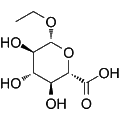
  • Ethyl glucuronide
    Cat. No.
    A35281

    Ethyl glucuronide

    Ethyl glucuronide is an endogenous metabolite of ethanol, serving as a reliable biomarker for alcohol exposure. It accumulates in hair, providing a measure of alcohol intake over extended periods. Additionally, ethyl glucuronide acts as an agonist for Toll-like receptor 4 (TLR4), making it relevant in studies of inflammatory responses and alcohol metabolism.

    1 mg
    $40.00
    5 mg
    $100.00
    All 5 sizes
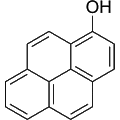
  • 1-Hydroxypyrene
    Cat. No.
    A57326

    1-Hydroxypyrene

    1-Hydroxypyrene serves as a primary endogenous metabolite and biomarker for exposure to polycyclic aromatic hydrocarbons (PAHs), particularly pyrenes. This compound is analyzed in urine samples to assess environmental and occupational exposure. Additionally, 1-Hydroxypyrene acts as an orally active agonist of the aryl hydrocarbon receptor (AhR), which is implicated in various biological processes, including renal fibrosis. Its significance in toxicological studies makes it a valuable reagent for research applications.

    100 mg
    $25.00
    500 mg
    $30.00
    All 3 sizes
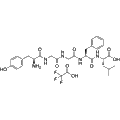
  • [Leu5]-Enkephalin TFA
    Cat. No.
    A62419

    [Leu5]-Enkephalin TFA

    [Leu5]-Enkephalin TFA is a pentapeptide that functions as an agonist at opioid receptors. This endogenous metabolite exhibits morphine-like properties, playing a significant role in pain modulation and analgesic pathways. Its biological activity makes it valuable in research focused on opioid signaling and the development of pain management therapies.

    10 mg
    $40.00
    25 mg
    $80.00
    All 4 sizes
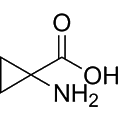
  • 1-Aminocyclopropane-1-carboxylic acid
    Cat. No.
    A71175

    1-Aminocyclopropane-1-carboxylic acid

    1-Aminocyclopropane-1-carboxylic acid (ACC) is an endogenous metabolite that primarily targets NMDA receptors. At low glutamate concentrations, ACC functions as a small molecule agonist, enhancing NMDA receptor activity with an EC50 of 0.7-0.9 μM, while at high glutamate concentrations, it acts as a competitive antagonist with an EC50 of 81.6 nM. This dual action contributes to its neuroprotective effects, preventing neuronal cell death in ischemic models and inducing blood pressure reduction in hypertensive rats. Additionally, ACC has been shown to enhance object recognition memory and cognitive flexibility without affecting impulsivity, making it a valuable compound for studies in neurotoxicity and cognitive function.

    200 mg
    $25.00
    500 mg
    $35.00
    All 7 sizes
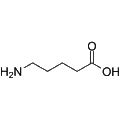
  • 5-Aminovaleric acid
    Cat. No.
    A71213

    5-Aminovaleric acid

    5-Aminovaleric acid is a metabolic derivative of gamma-aminobutyric acid (GABA) and is known to function as a weak GABA agonist. It plays a role in neurotransmitter regulation and may influence neuronal excitability and inhibition. This compound is utilized in research related to neuropharmacology, including studies on GABAergic signaling and the modulation of synaptic transmission.

    1 g
    $25.00
    5 g
    $35.00
    All 6 sizes
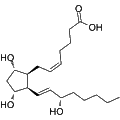
  • 8-Isoprostaglandin F2α
    Cat. No.
    A71740

    8-Isoprostaglandin F2α

    8-Isoprostaglandin F2α is an isoprostane resulting from the non-enzymatic peroxidation of arachidonic acid in membrane phospholipids. This compound exists in human plasma in two forms: esterified in phospholipids and as the free acid. 8-Isoprostaglandin F2α functions primarily as a weak thromboxane receptor (TP) agonist in vascular smooth muscle, making it relevant in studies of vascular biology and cardiovascular research.

    0.5 mg
    $140.00
    1 mg
    $220.00
    All 2 sizes
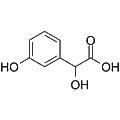
  • 3-Hydroxymandelic Acid
    Cat. No.
    A71744

    3-Hydroxymandelic Acid

    3-Hydroxymandelic Acid is an endogenous metabolite derived from Phenylephrine, which functions as an α-receptor agonist. This compound is instrumental in research related to catecholamine metabolism and autonomic nervous system regulation. It can be utilized for studying the biochemical pathways of adrenergic signaling and the physiological effects of α-receptor activation.

    25 mg
    $35.00
    50 mg
    $45.00
    All 3 sizes
  • TRC210258
    Cat. No.
    A72407

    TRC210258

    TRC210258 is a potent TGR5 agonist that plays a critical role in modulating glucose and lipid metabolism. This compound enhances energy expenditure by promoting the secretion of glucagon-like peptide-1, leading to improved control of hyperglycemia and dyslipidemia in models of diet-induced obesity. Additionally, TRC210258 has demonstrated the ability to reduce plasma triglycerides and low-density lipoprotein cholesterol levels, thereby positively influencing lipid-related cardiovascular risk factors such as remnant cholesterol and triglyceride clearance. Its application in metabolic research highlights its potential for therapeutic intervention in metabolic disorders.

    5 mg
    $625.00
    10 mg
    $1,030.00
    All 5 sizes
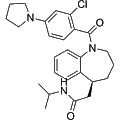
  • (S)-OPC-51803
    Cat. No.
    A72465

    (S)-OPC-51803

    (S)-OPC-51803 acts as an agonist for the vasopressin V2 receptor, primarily targeting the regulation of renal water reabsorption. This compound demonstrates significant biological activity in suppressing nocturia and urinary incontinence, exhibiting a stronger agonistic effect than its (R)-isomer. Research applications include studies on urinary function disorders and potential therapeutic interventions for conditions associated with nocturnal polyuria.

    1 mg
    $95.00
    5 mg
    $210.00
    All 7 sizes
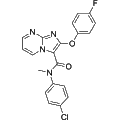
  • UCM-05194
    Cat. No.
    A72847

    UCM-05194

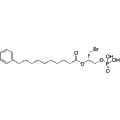
    UCM-05194 is a selective agonist of the LPA1 receptor, primarily targeting neuropathic pain pathways. This compound exhibits potent activity by triggering LPA1-mediated cellular effects, leading to receptor internalization and functional inactivation in primary sensory neurons. UCM-05194 effectively reduces pain perception in in vivo models, making it a valuable tool for investigating mechanisms underlying progressive systemic diseases and potential therapeutic applications in pain management.

    1 mg
    $265.00
    5 mg
    $650.00
    All 6 sizes
  • GSK 1842799 hydrochloride
    Cat. No.
    A72943

    GSK 1842799 hydrochloride

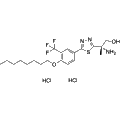
    GSK 1842799 hydrochloride is a selective agonist for the S1P1 receptor, exhibiting potent agonistic activity with notable selectivity over the S1P3 receptor. This compound demonstrates favorable oral bioavailability and is rapidly converted to its active phosphorylated form. In vivo studies reveal that GSK 1842799 hydrochloride significantly reduces blood lymphocyte counts after oral administration. Additionally, it has shown efficacy comparable to FTY720 in the mouse EAE model of multiple sclerosis, making it a valuable tool for research in immunology and neurodegenerative diseases.

    25 mg
    $1,530.00
    50 mg
    $1,950.00
    All 3 sizes
  • Muscarinic agonist 1
    Cat. No.
    A73180

    Muscarinic agonist 1

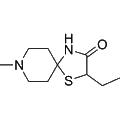
    Muscarinic agonist 1 (AF267) targets muscarinic acetylcholine receptors, which are vital for cognitive function. This compound exhibits potential in alleviating cognitive impairments, making it a valuable tool for research into neurodegenerative diseases and cognitive disorders. Its mechanism of action provides insight into cholinergic signaling and its role in cognitive processes, thus serving as a significant reagent in neuroscience studies.

    25 mg
    $1,275.00
    50 mg
    $1,625.00
    All 3 sizes
  • LY 190388
    Cat. No.
    A73335

    LY 190388

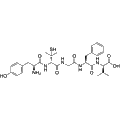
    LY 190388 is a penicillamine-containing enkephalin peptide analog that acts as a μ-opioid receptor agonist. This compound demonstrates significant analgesic effects, as evidenced by its ability to inhibit the writhing response in mice following intracerebroventricular administration. Notably, the analgesic properties of LY 190388 are primarily attributed to its μ receptor activity, while co-administration with the δ receptor antagonist ICI 174864 produces an additive analgesic effect, supporting its potential applications in pain research.

    Out of stock

    All 3 sizes
  • AMG-151
    Cat. No.
    A73367

    AMG-151

    Synonyms: ARRY-403

    AMG-151 is a glucokinase agonist that enhances insulin secretion and lowers fasting plasma glucose (FPG) levels. In clinical evaluations, AMG-151 demonstrated a significant dose-response effect compared to placebo, indicating its potential in managing metabolic disorders. However, its use is associated with a higher incidence of hypoglycemia and hypertriglyceridemia. This compound holds promise for further research into the treatment of type 1 diabetes and related metabolic conditions.

    1 mg
    $330.00
    5 mg
    $675.00
    All 4 sizes
  • LEI-101 free base
    Cat. No.
    A73392

    LEI-101 free base

    LEI-101 free base is a selective and orally bioavailable agonist of the CB2 receptor, primarily targeting inflammation and oxidative stress-related conditions. It demonstrates a binding potency to CB2 receptors that is approximately 100 times greater than its affinity for CB1 receptors, with a pEC50 value of 8. The compound’s pharmacological profile suggests potential applications in the treatment of diseases such as kidney disease, making it valuable in therapeutic research.

    25 mg
    $1,275.00
    50 mg
    $1,625.00
    All 3 sizes
  • SU200
    Cat. No.
    A73397

    SU200

    SU200 is a TRPV1 agonist that modulates intracellular calcium ion concentrations. It induces distinct calcium ion response patterns, displaying notable reactivity and peak efficacy. The effects of SU200 exhibit varying degrees of response delay and variability across different cell types. This compound offers potential avenues for pharmacological development and further research into calcium signaling pathways.

    25 mg
    $1,275.00
    50 mg
    $1,625.00
    All 3 sizes
  • Fexaramate
    Cat. No.
    A73483

    Fexaramate

    Fexaramate is a selective agonist of the farnesoid X receptor (FXR), an endogenous metabolite involved in bile acid homeostasis and lipid metabolism. This compound plays a crucial role in regulating glucose and lipid levels, making it valuable for research into metabolic disorders, liver diseases, and therapeutic interventions targeting FXR signaling pathways. Its specific action on FXR enhances understanding of its physiological functions and potential therapeutic applications.

    25 mg
    $1,275.00
    50 mg
    $1,625.00
    All 3 sizes
  • AZD-3199
    Cat. No.
    A73529

    AZD-3199

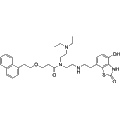
    AZD-3199 is an ultra-long-acting beta2 adrenergic agonist primarily targeting the beta2 adrenergic receptor. It exhibits significant bronchodilator activity, making it a candidate for therapeutic use in asthma and chronic obstructive pulmonary disease (COPD) research. Its prolonged action facilitates investigations into novel treatment strategies for managing these respiratory conditions.

    25 mg
    $5,620.00
    All 1 sizes
  • (5aS,6R,6aR)-MK-8666
    Cat. No.
    A73681

    (5aS,6R,6aR)-MK-8666

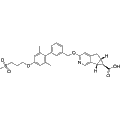
    (5aS,6R,6aR)-MK-8666 functions as a selective agonist of the GPR40 receptor, primarily targeting pancreatic β cells and intestinal enteroendocrine cells to enhance fatty acid-induced insulin secretion. This compound has been investigated for its potential in the treatment of type 2 diabetes, demonstrating significant reductions in blood glucose levels. Despite its therapeutic promise, development ceased during Phase I clinical trials due to concerns regarding liver safety.

    25 mg
    $3,335.00
    50 mg
    $4,550.00
    All 3 sizes
  • MRS2802
    Cat. No.
    A73923

    MRS2802

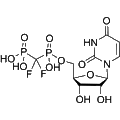
    MRS2802 is a selective agonist for the P2Y14 receptor, exhibiting an EC50 value of 63 nM. This compound effectively activates the receptor and may influence platelet function regulation. Its selectivity and activity make MRS2802 a valuable tool for investigating the biological roles and pharmacological characteristics of P2Y receptors. Additionally, MRS2802 may serve as a lead compound in the development of novel antiplatelet therapeutics.

    Out of stock

    All 3 sizes
  • Deutarserine
    Cat. No.
    A73988

    Deutarserine

    Synonyms: CTP-692

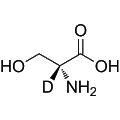
    Deutarserine is a deuterium-modified analogue of the endogenous metabolite D-serine. It acts as a co-agonist at the NMDA receptor, playing a crucial role in neurotransmission and neuromodulation. This compound is primarily utilized in research focused on schizophrenia and other neuropsychiatric disorders, aiming to elucidate the pathways and therapeutic potential associated with D-serine in adult populations.

    Out of stock

    All 3 sizes

Items 1-25 of 28

Added to your cart

View Cart Checkout

    Loading...