Drug Metabolite

Drug metabolites are compounds formed when drugs, pesticides and other xenobiotics are transformed by organisms. Phase I reactions such as oxidation and hydroxylation, and phase II conjugation reactions, generate most of these products. α-Hydroxytamoxifen is a hydroxylated metabolite of tamoxifen, and Desbutyl Lumefantrine D9 is a deuterium-labeled form of a lumefantrine metabolite. Imidacloprid-urea represents environmental and metabolic breakdown products of the neonicotinoid insecticide imidacloprid. Endogenous and dietary metabolites also appear, including hippuric acid, a glycine conjugate of benzoic acid, and the catecholamine end product vanillylmandelic acid. Researchers use these compounds to identify metabolites, follow biotransformation pathways and measure exposure in biological samples. Deuterium-labeled forms can act as internal standards in mass spectrometry.

18 Items

  • p,p'-DDD
    Cat. No.
    A30912

    p,p'-DDD

    Synonyms: 4,4'-DDD; p,p'-Dichlorodiphenyl dichloroethane

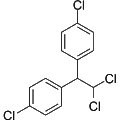
    p,p'-DDD (4,4'-DDD) is an organochlorine insecticide and a significant metabolite of p,p'-DDT, functioning primarily as an agonist of estrogen receptors α and β (ERα and ERβ). This compound has been shown to increase DNA damage, promote apoptosis, and induce necrosis in peripheral blood cells. Additionally, p,p'-DDD stimulates cell proliferation in SKBR3 breast cancer cells and activates the AP-1 transcription factor. Research also indicates that it can reduce sleep durations induced by barbiturates and steroids in rodent models.

    50 mg
    $20.00
    100 mg
    $25.00
    All 4 sizes
  • 7-Desmethyl-agomelatine
    Cat. No.
    A45982

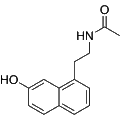
    7-Desmethyl-agomelatine

    7-Desmethyl-agomelatine is a primary metabolite of Agomelatine, functioning as a selective agonist at melatonin receptors MT1 and MT2, while serving as an antagonist of the 5-HT2C receptor. This compound is of significant interest in research focused on the modulation of circadian rhythms and the treatment of mood disorders. Its unique pharmacological profile makes it a valuable tool for studies exploring the interplay between melatonin signaling and serotonin pathways.

    10 mg
    $40.00
    25 mg
    $90.00
    All 3 sizes
  • Piribedil N-oxide
    Cat. No.
    A60162

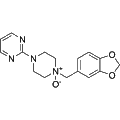
    Piribedil N-oxide

    Piribedil N-oxide is a metabolite of the dopamine receptor agonist Piribedil, primarily functioning as a drug metabolite. This compound retains the ability to interact with dopamine receptors, contributing to studies on dopamine signaling pathways and pharmacokinetics. Its characterization is essential for understanding the metabolic fate of Piribedil and its potential implications in neurological research and therapeutic applications.

    1 mg
    $25.00
    5 mg
    $90.00
    All 6 sizes
  • Beclomethasone 17-propionate
    Cat. No.
    A64716

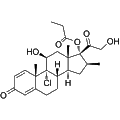
    Beclomethasone 17-propionate

    Synonyms: Beclomethasone-17-monopropionate; 17-BMP

    Beclomethasone 17-propionate is a potent glucocorticoid receptor (GR) agonist and an active metabolite of Beclomethasone dipropionate. It demonstrates a higher affinity for the GR, making it more effective in modulating glucocorticoid activity. This compound effectively suppresses cytokine production in lung macrophages associated with chronic obstructive pulmonary disease (COPD), making it valuable for research in inflammation and respiratory disorders.

    1 mg
    $25.00
    5 mg
    $50.00
    All 7 sizes
  • BDW-OH
    Cat. No.
    A65638

    BDW-OH

    BDW-OH is the active metabolite of BDW568, functioning as a selective agonist for the human STINGA230 allele. This compound plays a crucial role in the activation of the STING pathway, which is essential for the immune response to cytosolic DNA and pathogen detection. BDW-OH is valuable for research applications focused on immunotherapy, cancer biology, and the investigation of innate immune mechanisms.

    1 mg
    $190.00
    5 mg
    $585.00
    All 6 sizes
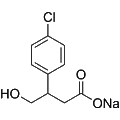
  • 3-(4-Chlorophenyl)-4-hydroxybutyric acid sodium
    Cat. No.
    A66890

    3-(4-Chlorophenyl)-4-hydroxybutyric acid sodium

    3-(4-Chlorophenyl)-4-hydroxybutyric acid sodium is an inactive metabolite of Baclofen, a selective GABAB receptor agonist. This compound can be utilized in research to study the metabolic pathways and pharmacokinetics of Baclofen, as well as its role in modulating GABAergic signaling. It provides a valuable tool for understanding the pharmacological effects and potential therapeutic applications of GABAB receptor modulators.

    0.5 mg
    $170.00
    1 mg
    $275.00
    All 3 sizes
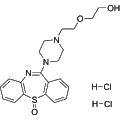
  • Quetiapine sulfoxide dihydrochloride
    Cat. No.
    A70165

    Quetiapine sulfoxide dihydrochloride

    Synonyms: Quetiapine S-oxide dihydrochloride

    Quetiapine sulfoxide dihydrochloride is a primary metabolite of the second-generation antipsychotic quetiapine. This compound functions as a 5-HT receptor agonist and a dopamine receptor antagonist, contributing to its pharmacological effects. It is commonly utilized in research related to neuropharmacology and metabolic profiling of antipsychotic drugs, offering insights into the drug's therapeutic activity and safety profile.

    5 mg
    $140.00
    10 mg
    $225.00
    All 5 sizes
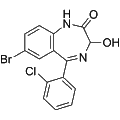
  • 3-Hydroxyphenazepam
    Cat. No.
    A70171

    3-Hydroxyphenazepam

    3-Hydroxyphenazepam is the active metabolite of Cinazepam, functioning primarily as a GABAA receptor agonist. It demonstrates the ability to inhibit synaptosomal transporter-mediated [3H]GABA uptake, making it a valuable compound for studying GABAergic signaling. This reagent is primarily utilized in research applications focused on neuropharmacology and the modulation of neurotransmitter systems.

    1 mg
    $105.00
    All 1 sizes
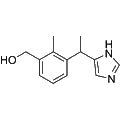
  • 3-Hydroxy Medetomidine
    Cat. No.
    A70222

    3-Hydroxy Medetomidine

    Synonyms: 3-OH Medetomidine; Medetomidine metabolite MIII

    3-Hydroxy Medetomidine is a primary metabolite of the α2-adrenergic receptor agonist medetomidine. This compound exhibits important biological activity as it participates in modulating adrenergic signaling pathways. Research applications include studies on drug metabolism and the pharmacokinetics of sedatives in both veterinary and medical contexts.

    2.5 mg
    $545.00
    25 mg
    $4,225.00
    All 2 sizes
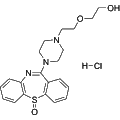
  • Quetiapine sulfoxide hydrochloride
    Cat. No.
    A70305

    Quetiapine sulfoxide hydrochloride

    Synonyms: Quetiapine S-oxide hydrochloride

    Quetiapine sulfoxide hydrochloride is a primary metabolite of Quetiapine, a second-generation antipsychotic. This compound acts primarily as a 5-HT receptor agonist and dopamine receptor antagonist, contributing to the pharmacological profile of Quetiapine. It is valuable in research focusing on the metabolism and pharmacokinetics of antipsychotic medications, providing insights into their therapeutic effects and potential side effects.

    Out of stock

    All 3 sizes
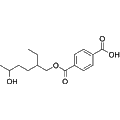
  • Mono(2-ethyl-5-hydroxyhexyl) terephthalate
    Cat. No.
    A70392

    Mono(2-ethyl-5-hydroxyhexyl) terephthalate

    Synonyms: MEHHTP

    Mono(2-ethyl-5-hydroxyhexyl) terephthalate (MEHHTP) serves as a hydroxyl metabolite of the phthalate alternative Di-2-ethylhexyl terephthalate (DEHTP) and acts as an agonist for liver X receptor α (LXRα), exhibiting a binding energy of -7.41 kcal/mol. It upregulates key downstream targets such as SREBP-1c and FASN, enhancing lipogenic enzyme activity in hepatocytes while increasing triglyceride levels. This compound is valuable for investigating the mechanisms underlying nonalcoholic fatty liver disease (NAFLD).

    1 mg
    $570.00
    All 1 sizes
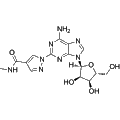
  • 1-epi-Regadenoson
    Cat. No.
    A70531

    1-epi-Regadenoson

    1-epi-Regadenoson is an α-isomer impurity of Regadenoson, a potent and selective agonist for the adenosine A2A receptor. This compound is primarily used in research to investigate the pharmacological effects of adenosine receptor activation and its implications in cardiovascular function. The study of 1-epi-Regadenoson can aid in understanding the metabolic pathways and potential therapeutic effects associated with adenosine receptor modulation.

    Out of stock

    All 3 sizes
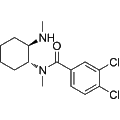
  • N-Desmethyl-U-47700
    Cat. No.
    A70584

    N-Desmethyl-U-47700

    N-Desmethyl-U-47700 is the primary metabolite of U-47700, functioning as an opioid receptor agonist. This compound exhibits significant analgesic properties and is relevant in research focused on opioid metabolism and pharmacokinetics. It serves as a critical tool for studying the effects and mechanisms of action associated with opioid compounds in various biological settings.

    1 mg
    $275.00
    5 mg
    $845.00
    All 2 sizes
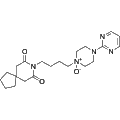
  • Buspirone N-oxide
    Cat. No.
    A70593

    Buspirone N-oxide

    Synonyms: Bu N-oxide

    Buspirone N-oxide is a metabolite of Buspirone, a known 5-HT1A receptor agonist and dopamine D2 autoreceptor antagonist. This compound is significant in studying the pharmacokinetics and metabolic pathways of Buspirone. Due to its origin from an established anxiolytic agent, Buspirone N-oxide can be utilized in research related to generalized anxiety disorder and the evaluation of anxiety-modulating pathways.

    Out of stock

    All 3 sizes
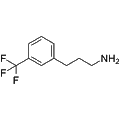
  • Cinacalcet metabolite M4
    Cat. No.
    A70708

    Cinacalcet metabolite M4

    Cinacalcet metabolite M4 is a significant metabolite of Cinacalcet, which functions as an allosteric agonist of the calcium-sensing receptor (CaR). This compound plays a crucial role in modulating calcium homeostasis and is primarily utilized in research related to cardiovascular conditions. Its activity may provide insights into the pharmacokinetics and pharmacodynamics of Cinacalcet in various biological contexts.

    5 mg
    $40.00
    10 mg
    $55.00
    All 7 sizes
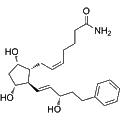
  • N-Desethyl Bimatoprost
    Cat. No.
    A70738

    N-Desethyl Bimatoprost

    N-Desethyl Bimatoprost is the primary metabolite of Bimatoprost, functioning as a selective prostaglandin F2α receptor agonist. This compound exhibits significant biological activity in the modulation of intraocular pressure, making it relevant for glaucoma and ocular hypertension research. It serves as a valuable tool in pharmacological studies aimed at exploring the mechanisms of prostaglandin receptor signaling and its therapeutic implications.

    1 mg
    $185.00
    5 mg
    $540.00
    All 3 sizes
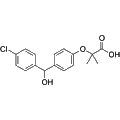
  • Fenirofibrate
    Cat. No.
    A71020

    Fenirofibrate

    Synonyms: LF 2151

    Fenirofibrate is a metabolite of fenofibrate that primarily acts as a peroxisome proliferator-activated receptor (PPAR) agonist. This orally active fibrate is utilized in research focused on hypertriglyceridemia and lipid metabolism disorders. Its biological activity includes the reduction of triglyceride levels and improvement of lipid profiles, making it a valuable tool in studies related to cardiovascular health and metabolic diseases.

    5 mg
    $205.00
    All 1 sizes
  • Tauro-obeticholic acid sodium
    Cat. No.
    A74917

    Tauro-obeticholic acid sodium

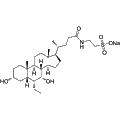
    Tauro-obeticholic acid sodium is the active metabolite of Obeticholic acid and functions as a selective and potent agonist of the farnesoid X receptor (FXR). This compound is primarily utilized in the study of metabolic diseases, liver function, and bile acid metabolism. Its relevance in research includes exploring therapeutic avenues for conditions such as non-alcoholic fatty liver disease (NAFLD) and cholestasis.

    1 mg
    $380.00
    5 mg
    $1,170.00
    All 2 sizes

18 Items

Added to your cart

View Cart Checkout

    Loading...