- Cat. No.
- A10575
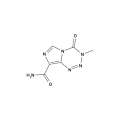
Methazolastone
Synonyms: Temozolomide; Temodar; Temodal
Methazolastone is a DNA damage inducer.
Search by product name, CAS, target or catalog number. Press Down Arrow to reach product suggestions, Tab to move between links, and Escape to close suggestions.
DNA and RNA synthesis inhibitors interfere with nucleic acid replication or transcription by distinct mechanisms. Platinum compounds such as cisplatin, carboplatin and oxaliplatin form DNA adducts, mainly crosslinks between adjacent guanines on the same strand. These adducts block DNA replication and transcription and trigger DNA damage responses. Mitomycin C also crosslinks DNA, but only after reductive activation inside cells. Gemcitabine, a deoxycytidine analog, is incorporated into DNA as its triphosphate and halts chain elongation. CX-5461 acts on transcription, inhibiting synthesis of ribosomal RNA by RNA polymerase I. The protein synthesis inhibitor cycloheximide, which blocks translation elongation on eukaryotic ribosomes, is listed here as well.
Synonyms: Temozolomide; Temodar; Temodal
Methazolastone is a DNA damage inducer.
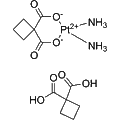
Dicycloplatin is a DNA damage inducer that primarily activates key regulatory proteins, including biphosphorylated checkpoint kinase 2 (CHK2), breast cancer 1 (BRCA1), and triphosphorylated p53. Its mechanism of action facilitates cell cycle arrest, inhibits proliferation, and promotes apoptosis in various cancer cell lines, specifically prostate cancer PC3 cells and lung cancer NCI/H446 cells. Dicycloplatin is applicable in cancer research, providing insights into therapeutic approaches targeting DNA damage response pathways.
Out of stock
All 3 sizes
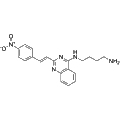
p53 Activator 2 is a potent DNA double-strand break inducer that intercalates into DNA, leading to significant damage. This compound enhances the expression of key cell cycle regulators, including p53, p-p53, CDK4, and p21, resulting in G2/M phase cell cycle arrest and the induction of apoptosis. Additionally, it down-regulates anti-apoptotic proteins such as Bcl-2 and Bcl-xL, while reducing cyclin B1 levels. p53 Activator 2 exhibits strong anti-proliferative effects against MGC-803 cells, with an IC50 of 1.73 µM, and demonstrates notable anticancer efficacy in MGC-803 xenograft tumor models.
Synonyms: Nitrilotris(methylenephosphonic acid)
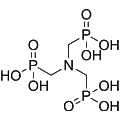
NTPO (Nitrilotris methylenephosphonic acid) is a potent DNA damage inducer that effectively induces genomic DNA damage and fragmentation, leading to the activation of ATR-mediated cell cycle checkpoints. Its DNA damaging effects can be mitigated by base excision repair (BER) mechanisms, while remaining unaffected by nucleotide excision repair (NER). This compound is useful for research applications focusing on DNA repair pathways, cellular responses to damage, and the study of cell cycle regulation.
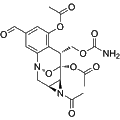
FK 973 is a dihydrobenzoxazine compound that acts as a DNA crosslinking inducer. It selectively inhibits DNA synthesis and facilitates the formation of DNA cross-links via cytoplasmic activation. Demonstrating significant antitumor efficacy in multiple animal tumor models and human tumor xenografts, FK 973 exhibits relatively low myelosuppressive effects, particularly affecting neural tumor cells. This reagent is valuable for research focused on DNA-targeted antitumor strategies.
Out of stock
All 3 sizes
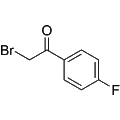
Synonyms: p-Fluorophenacyl bromide
2-Bromo-4'-fluoroacetophenone is a photoinducible DNA cleavage inducer that generates fluorine-substituted phenyl radicals upon excitation and irradiation. This compound effectively cleaves DNA, transforming circular supercoiled DNA into circular relaxed and linear forms in a concentration-dependent manner. It serves as a valuable tool for research applications in cancer biology, facilitating studies on DNA damage and repair mechanisms.
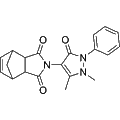
ZIM is a norbornene derivative of 4-Aminoantipyrine that functions as a potent inducer of DNA damage. It elicits significant genomic and chromosomal damage, leading to cell death and the activation of phagocytosis. Due to its biological properties, ZIM holds potential for applications in cancer research and chemotherapeutic development.
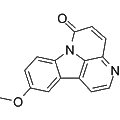
Synonyms: Mtx-C
10-Methoxy-canthin-6-one is an alkaloid derivative that serves as a DNA damage inducer by intercalating into DNA. It exhibits significant biological activity by inhibiting cancer cell proliferation, causing G2/M phase arrest, and promoting myeloid differentiation. Additionally, 10-methoxy-canthin-6-one upregulates the expression of myeloperoxidase, CD15, CD11b, and CD14 while activating the p38 MAPK pathway. Its anti-bacterial properties further expand its research applications, particularly in studies related to cancer and infections, including acute myeloid leukemias (AML).
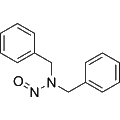
N-Nitrosodibenzylamine serves as a potent DNA damage inducer, primarily functioning through the induction of DNA single-strand breaks (SSBs). This compound is valuable for research exploring genotoxicity and the mechanisms of DNA repair. Its ability to induce cellular stress responses makes it a critical tool for studying DNA damage pathways and their implications in cancer research.