Nucleoside Antimetabolite/Analog

Nucleoside analogs and antimetabolites are modified nucleosides resembling the natural building blocks of DNA and RNA. Changes to the base or the sugar let them interfere with nucleotide metabolism and nucleic acid synthesis. After phosphorylation in cells, many are incorporated into DNA or RNA, or inhibit polymerases and cause chain termination. Cytarabine hydrochloride, which carries an arabinose sugar, is used to study inhibition of DNA synthesis. Zalcitabine, a dideoxynucleoside, is used in research on viral reverse transcriptase. The category also covers naturally modified nucleosides such as 3-methylcytidine and N6,N6-dimethyladenosine. These serve as reference compounds in studies of RNA modification and DNA damage.

Items 51-75 of 135

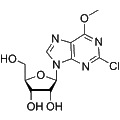
  • 2-Chloro-6-methoxypurine riboside
    Cat. No.
    A55613

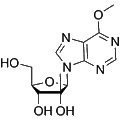
    2-Chloro-6-methoxypurine riboside

    Synonyms: 2-Chloro-6-O-methyl-inosine

    2-Chloro-6-methoxypurine riboside is a hypoxanthine analog known for its mechanism as a potential endogenous poly(ADP-ribose) polymerase (PARP) inhibitor. This compound exhibits cytoprotective properties by inhibiting PARP activity, thereby preventing peroxynitrite-induced mitochondrial depolarization and the subsequent production of superoxides. Its anti-inflammatory effects and role as an indicator of hypoxia make it valuable for research applications in cellular metabolism and oxidative stress studies.

    Out of stock

    All 3 sizes
  • Demethylphosphinothricin
    Cat. No.
    A55614

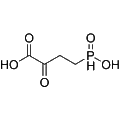
    Demethylphosphinothricin

    Synonyms: Deamino-alpha-keto-demethylphosphinothricin

    Demethylphosphinothricin is a nucleoside metabolite that functions as a potent inhibitor of glutamine synthetase. Its primary mechanism involves the inhibition of amino acid metabolism, leading to disruption of nitrogen assimilation in plants and some microorganisms. This compound is valuable in agricultural research for studying herbicide resistance and in biochemistry for exploring metabolic pathways related to amino acid biosynthesis.

    Out of stock

    All 3 sizes
  • 1-(β-D-Xylofuranosyl)-5-methylcytosine
    Cat. No.
    A55630

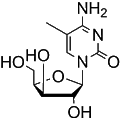
    1-(β-D-Xylofuranosyl)-5-methylcytosine

    1-(β-D-Xylofuranosyl)-5-methylcytosine is a cytidine analog that functions primarily as an inhibitor of DNA methyltransferases. This compound exhibits potential anti-metabolic and anti-tumor activities, making it a valuable tool in epigenetics research. It is suitable for studies investigating the role of DNA methylation in gene regulation and cancer biology.

    1 mg
    $270.00
    5 mg
    $695.00
    All 4 sizes
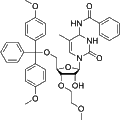
  • N4-Benzoyl-5’-O-DMT-3’-O-(2-methoxyethyl)-5-methylcytidine
    Cat. No.
    A55681

    N4-Benzoyl-5’-O-DMT-3’-O-(2-methoxyethyl)-5-methylcytidine

    N4-Benzoyl-5’-O-DMT-3’-O-(2-methoxyethyl)-5-methylcytidine is a cytidine analog that functions as an inhibitor of DNA methyltransferases. This compound exhibits potential anti-metabolic and anti-tumor properties, making it valuable in cancer research. Its unique chemical structure enables investigations into epigenetic modifications and therapeutic approaches targeting DNA methylation pathways.

    Out of stock

    All 3 sizes
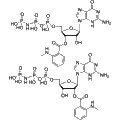
  • MANT-GppNHp
    Cat. No.
    A55682

    MANT-GppNHp

    MANT-GppNHp is a competitive inhibitor of adenylate cyclase (AC) that serves as a fluorescently labeled GTP analogue. It specifically interacts with the hydrophobic pocket adjacent to the AC catalytic site through its MANT group, effectively obstructing the binding of ATP. This compound is valuable for investigating diseases characterized by elevated AC activity, such as cholera, and offers insights into cellular signaling pathways.

    Out of stock

    All 3 sizes
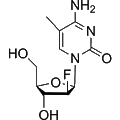
  • 2′-Deoxy-2′-fluoro-5-methyl-arabinocytidine
    Cat. No.
    A55684

    2′-Deoxy-2′-fluoro-5-methyl-arabinocytidine

    2'-Deoxy-2'-fluoro-5-methyl-arabinocytidine is a cytidine nucleoside analog that functions primarily as an inhibitor of DNA methyltransferases. This compound exhibits potential anti-metabolic and anti-tumor activities, making it valuable in cancer research. It is useful for studying epigenetic regulation and therapeutic strategies targeting methylation-driven processes in various malignancies.

    Out of stock

    All 3 sizes
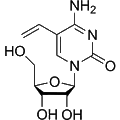
  • 5-Vinylcytidine
    Cat. No.
    A55693

    5-Vinylcytidine

    5-Vinylcytidine is a cytidine analog that functions primarily as an inhibitor of DNA methyltransferases. This compound exhibits potential anti-metabolic and anti-tumor activities, making it valuable in cancer research and therapeutic investigations. Its ability to alter epigenetic modifications positions it as a useful tool for studying gene regulation and methylation patterns in various biological contexts.

    Out of stock

    All 3 sizes
  • 2′-C-Methyl-6-O-methylinosine
    Cat. No.
    A55731

    2′-C-Methyl-6-O-methylinosine

    2′-C-Methyl-6-O-methylinosine is a hypoxanthine analog that functions primarily by targeting metabolic pathways involving purines. This compound exhibits notable anti-inflammatory properties and has potential applications as an endogenous poly(ADP-ribose) polymerase (PARP) inhibitor, contributing to cytoprotection through the inhibition of PARP activity. Additionally, 2′-C-Methyl-6-O-methylinosine may serve as a valuable indicator of hypoxic conditions in various biological studies, facilitating research into cellular metabolism and stress responses.

    1 mg
    $65.00
    5 mg
    $150.00
    All 7 sizes
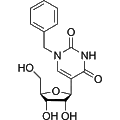
  • N1-Benzyl pseudouridine
    Cat. No.
    A55737

    N1-Benzyl pseudouridine

    N1-Benzyl pseudouridine is a purine nucleoside analogue that exhibits significant antitumor activity, particularly against indolent lymphoid malignancies. The compound operates primarily through the inhibition of DNA synthesis and the induction of apoptosis. Its biological activity makes it a valuable tool for research in cancer biology and the development of therapeutic strategies targeting nucleotide metabolism and tumor proliferation.

    Out of stock

    All 3 sizes
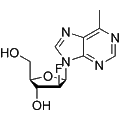
  • 6-Methylpurine-2’-deoxy-2’-fluoro-beta-D-arabinoriboside
    Cat. No.
    A55767

    6-Methylpurine-2’-deoxy-2’-fluoro-beta-D-arabinoriboside

    6-Methylpurine-2’-deoxy-2’-fluoro-beta-D-arabinoriboside is a purine nucleoside analog that exerts its effects primarily through the inhibition of DNA synthesis. This compound demonstrates significant antitumor activity, particularly against indolent lymphoid malignancies, and induces apoptosis in cancer cells. Its properties make it a valuable tool for research into cancer mechanisms and therapeutic interventions.

    Out of stock

    All 3 sizes
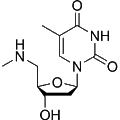
  • 5’-Deoxy-5’-N-methylaminothymidine
    Cat. No.
    A55803

    5’-Deoxy-5’-N-methylaminothymidine

    5’-Deoxy-5’-N-methylaminothymidine is a purine nucleoside analog that exhibits significant antitumor activity. It targets indolent lymphoid malignancies primarily through the inhibition of DNA synthesis and the induction of apoptosis. This compound is highly valuable for research applications focused on cancer biology and therapeutic development.

    Out of stock

    All 3 sizes
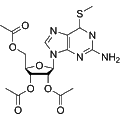
  • 2’,3’,5’-Tri-O-acetyl-6-S-methyl-6-thio-guanosine
    Cat. No.
    A55804

    2’,3’,5’-Tri-O-acetyl-6-S-methyl-6-thio-guanosine

    2’,3’,5’-Tri-O-acetyl-6-S-methyl-6-thio-guanosine is a purine nucleoside analog that exhibits significant antitumor activity, particularly against indolent lymphoid malignancies. Its anticancer effects are primarily mediated through the inhibition of DNA synthesis and the induction of apoptosis. This compound serves as a valuable tool for research into cancer therapeutics and the mechanistic understanding of purine metabolism in malignant cells.

    Out of stock

    All 3 sizes
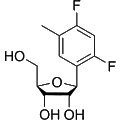
  • (1S)-1,4-Anhydro-1-C-(2,4-difluoro-5-methylphenyl)-D-ribitol
    Cat. No.
    A55816

    (1S)-1,4-Anhydro-1-C-(2,4-difluoro-5-methylphenyl)-D-ribitol

    (1S)-1,4-Anhydro-1-C-(2,4-difluoro-5-methylphenyl)-D-ribitol is a purine nucleoside analog known for its broad antitumor activity against indolent lymphoid malignancies. This compound exerts its anticancer effects primarily through the inhibition of DNA synthesis and the induction of apoptosis. It serves as a valuable tool in cancer research, particularly in studies focused on lymphoid cancer therapies and the modulation of cellular proliferation pathways.

    Out of stock

    All 3 sizes
  • Immucillin-G
    Cat. No.
    A55833

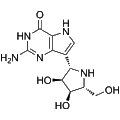
    Immucillin-G

    Immucillin-G is a potent inhibitor of purine nucleoside phosphorylase (PNP), a key enzyme in purine metabolism. By inhibiting PNP, Immucillin-G effectively reduces urate levels, making it valuable for research into metabolic disorders, particularly hyperuricemia. Its role in modulating purine metabolism provides significant insights for studies related to gout and metabolic diseases.

    Out of stock

    All 3 sizes
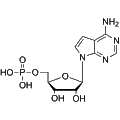
  • 7-Deazaadenosine 5'-phosphate
    Cat. No.
    A55844

    7-Deazaadenosine 5'-phosphate

    Synonyms: Tubercidin 5'-phosphate; 7-Deaza-AMP

    7-Deazaadenosine 5'-phosphate (7-Deaza-AMP) is a nucleotide derivative that serves as a potential substrate or competitive inhibitor for enzymes interacting with 5'-adenylic acid monophosphate. By modulating intracellular signaling pathways, particularly those involving AMP, 7-Deazaadenosine 5'-phosphate can influence various cellular functions. This compound is useful in research applications exploring nucleotide metabolism and signaling events in cellular biology.

    Out of stock

    All 3 sizes
  • 2-Chloro-N6-methyl-2’-deoxyadenosine
    Cat. No.
    A55845

    2-Chloro-N6-methyl-2’-deoxyadenosine

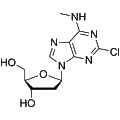
    2-Chloro-N6-methyl-2’-deoxyadenosine is a purine nucleoside analog that demonstrates significant antitumor activity against indolent lymphoid malignancies. This compound exerts its anticancer effects primarily through the inhibition of DNA synthesis and the induction of apoptosis in cancer cells. It serves as a valuable tool in cancer research, particularly in the study of mechanisms underlying cellular proliferation and programmed cell death.

    Out of stock

    All 3 sizes
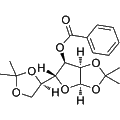
  • 3-O-Benzoyl-1,2: 5,6-bis(di-O-isopropylidene)-alpha-D-galactofuranose
    Cat. No.
    A55848

    3-O-Benzoyl-1,2: 5,6-bis(di-O-isopropylidene)-alpha-D-galactofuranose

    3-O-Benzoyl-1,2:5,6-bis(di-O-isopropylidene)-alpha-D-galactofuranose is a purine nucleoside analog that exhibits significant antitumor activity, particularly against indolent lymphoid malignancies. Its biological efficacy is primarily mediated through the inhibition of DNA synthesis and the induction of apoptosis. This reagent is valuable for research into cancer therapeutics and the mechanisms of nucleoside analog effects in oncological studies.

    Out of stock

    All 3 sizes
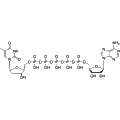
  • Ap5dT
    Cat. No.
    A55858

    Ap5dT

    Ap5dT is an inhibitor of cytosolic thymidine kinase and mitochondrial enzymes, exhibiting inhibition constants (Kis) of 0.12 μM and 0.50 μM, respectively. This compound is relevant for research on acute myelocytic leukemia, facilitating investigations into thymidine metabolism and its implications in cancer biology. Its selective inhibition properties make Ap5dT a valuable tool for studying metabolic pathways involved in cellular proliferation.

    Out of stock

    All 3 sizes
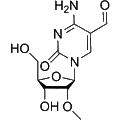
  • 5-Formyl-2’-O-methylcytidine
    Cat. No.
    A55882

    5-Formyl-2’-O-methylcytidine

    5-Formyl-2’-O-methylcytidine is a cytidine nucleoside analog that acts as an inhibitor of DNA methyltransferases. This compound exhibits potential anti-metabolic and anti-tumor activity, making it a valuable tool in cancer research and epigenetic studies. Its unique structure allows for the investigation of nucleoside metabolism and modifications within nucleic acid processes.

    1 mg
    $360.00
    5 mg
    $1,670.00
    All 3 sizes
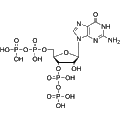
  • Guanosine 3',5'-bisdiphosphate
    Cat. No.
    A55884

    Guanosine 3',5'-bisdiphosphate

    Synonyms: ppGpp

    Guanosine 3',5'-bisdiphosphate (ppGpp) acts as a specific inhibitor of guanylate kinases, affecting GTP biosynthesis in chloroplasts. By inhibiting plastid and mitochondrial guanylate kinase activity, ppGpp is crucial for understanding metabolic regulation and signaling processes in plant systems. This reagent is valuable for research applications involving nucleotide metabolism and signaling pathways.

    Out of stock

    All 3 sizes
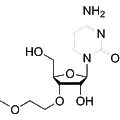
  • 3’-O-(2-Methoxyethyl)cytidine
    Cat. No.
    A55885

    3’-O-(2-Methoxyethyl)cytidine

    3’-O-(2-Methoxyethyl)cytidine is a cytidine analog that functions primarily as an inhibitor of DNA methyltransferases. This compound exhibits significant potential in anti-metabolic and anti-tumor research applications, providing a valuable tool for studying epigenetic regulation and cancer biology. Its ability to interfere with DNA methylation processes makes it an important reagent for investigating cellular pathways associated with gene regulation and tumor progression.

    Out of stock

    All 3 sizes
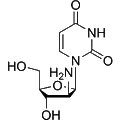
  • 2’-Amino-2’-deoxy-β-D-arabinouridine
    Cat. No.
    A55887

    2’-Amino-2’-deoxy-β-D-arabinouridine

    2’-Amino-2’-deoxy-β-D-arabinouridine is a purine nucleoside analog known for its antitumor activity against indolent lymphoid malignancies. This compound exerts its biological effects primarily through the inhibition of DNA synthesis and the induction of apoptosis, making it a valuable tool for cancer research. It is particularly relevant in studies aimed at understanding and developing treatments for specific types of hematological cancers.

    Out of stock

    All 3 sizes
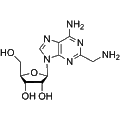
  • 2-Aminomethyl adenosine
    Cat. No.
    A55954

    2-Aminomethyl adenosine

    2-Aminomethyl adenosine is a purine nucleoside analog known for its antitumor activity against indolent lymphoid malignancies. This compound exerts its effects primarily through the inhibition of DNA synthesis and the induction of apoptosis. Its applications in cancer research make it a valuable tool for studying the mechanisms of tumor cell proliferation and survival.

    Out of stock

    All 3 sizes
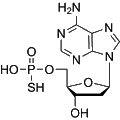
  • 5'-dAMPS
    Cat. No.
    A55967

    5'-dAMPS

    Synonyms: 2'-Deoxyadenosine 5'-O-thiophosphate

    5'-dAMPS is an analogue of 5'-deoxyadenosine monophosphate (5'-dAMP) that serves as a potential substrate, competitive inhibitor, or regulator of enzymes that interact with dAMP. This compound is valuable in biochemical research for studying nucleotide metabolism and enzyme kinetics, particularly in the context of adenine nucleotide chemistry. Its ability to modulate enzyme activity makes it a useful tool for exploring the roles of dAMP-related pathways in cellular processes.

    Out of stock

    All 3 sizes
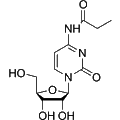
  • N-(1-Oxopropyl)cytidine
    Cat. No.
    A55975

    N-(1-Oxopropyl)cytidine

    N-(1-Oxopropyl)cytidine is a cytidine analog that serves as an inhibitor of DNA methyltransferases. This compound exhibits potential anti-metabolic and anti-tumor activities, making it a valuable tool in cancer research. Its ability to alter epigenetic regulation provides insights into gene expression modulation and therapeutic strategies in oncology.

    Out of stock

    All 3 sizes
Items 51-75 of 135

Added to your cart

View Cart Checkout

    Loading...