Nucleoside Antimetabolite/Analog

Nucleoside analogs and antimetabolites are modified nucleosides resembling the natural building blocks of DNA and RNA. Changes to the base or the sugar let them interfere with nucleotide metabolism and nucleic acid synthesis. After phosphorylation in cells, many are incorporated into DNA or RNA, or inhibit polymerases and cause chain termination. Cytarabine hydrochloride, which carries an arabinose sugar, is used to study inhibition of DNA synthesis. Zalcitabine, a dideoxynucleoside, is used in research on viral reverse transcriptase. The category also covers naturally modified nucleosides such as 3-methylcytidine and N6,N6-dimethyladenosine. These serve as reference compounds in studies of RNA modification and DNA damage.

Items 101-125 of 135

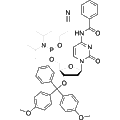
  • Rev dC(Bz)-5'-amidite
    Cat. No.
    A56189

    Rev dC(Bz)-5'-amidite

    Rev dC(Bz)-5'-amidite is a purine nucleoside analog that exerts its effects primarily through the inhibition of DNA synthesis. It demonstrates significant antitumor activity, particularly against indolent lymphoid malignancies, and can induce apoptosis in cancer cells. This compound is valuable for research applications focusing on cancer therapeutics and the study of nucleoside metabolism.

    100 mg
    $25.00
    250 mg
    $50.00
    All 4 sizes
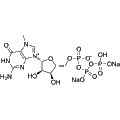
  • 7-Methyl-guanosine-5'-triphosphate disodium
    Cat. No.
    A56208

    7-Methyl-guanosine-5'-triphosphate disodium

    Synonyms: m7GTP disodium

    7-Methyl-guanosine-5'-triphosphate disodium is a modified guanosine 5'-phosphate that plays a critical role in cellular signaling and protein synthesis. As a potent cap-dependent translation inhibitor, it effectively disrupts the translation process by targeting the mRNA cap structure. This reagent is valuable for research applications exploring gene expression, translational regulation, and the mechanisms of RNA processing.

    Out of stock

    All 3 sizes
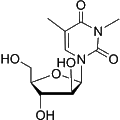
  • N1-Methyl-5-methyl ara-uridine
    Cat. No.
    A56215

    N1-Methyl-5-methyl ara-uridine

    N1-Methyl-5-methyl ara-uridine is a purine nucleoside analog known for its broad antitumor activity, particularly against indolent lymphoid malignancies. This compound exerts its anticancer effects primarily through the inhibition of DNA synthesis and the induction of apoptosis. Its application in research includes studying potential therapeutic strategies for lymphoid cancers and examining the underlying mechanisms of nucleoside analog efficacy in tumor cell lines.

    Out of stock

    All 3 sizes
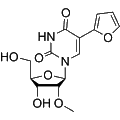
  • 5-Furan-2-yl-2’-O-methyl uridine
    Cat. No.
    A56216

    5-Furan-2-yl-2’-O-methyl uridine

    5-Furan-2-yl-2'-O-methyl uridine functions as a purine nucleoside analog with significant biological activity against indolent lymphoid malignancies. This compound exerts its anticancer effects primarily through the inhibition of DNA synthesis and the induction of apoptosis. Its potential applications in research include the investigation of cancer therapeutics and the study of nucleoside metabolism in various biological systems.

    1 mg
    $120.00
    5 mg
    $295.00
    All 2 sizes
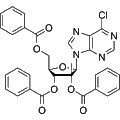
  • 6-Chloro-9-(2,3,5-tri-O-benzoyl-2-C-methyl-beta-D-ribofuranosyl)-9H-purine
    Cat. No.
    A56224

    6-Chloro-9-(2,3,5-tri-O-benzoyl-2-C-methyl-beta-D-ribofuranosyl)-9H-purine

    6-Chloro-9-(2,3,5-tri-O-benzoyl-2-C-methyl-beta-D-ribofuranosyl)-9H-purine is a purine nucleoside analog known for its potent antitumor properties. This compound targets indolent lymphoid malignancies, exerting its effects primarily through the inhibition of DNA synthesis and the induction of apoptosis. It serves as a valuable tool in cancer research, aiding in the study of therapeutic strategies against various malignancies.

    Out of stock

    All 3 sizes
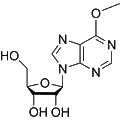
  • 6-O-Methylinosine
    Cat. No.
    A56225

    6-O-Methylinosine

    6-O-Methylinosine is a hypoxanthine analogue that serves as a key metabolite in purine metabolism. It exhibits significant anti-inflammatory properties and has potential as an endogenous inhibitor of poly(ADP-ribose) polymerase (PARP), contributing to cytoprotection by preventing PARP activity. This compound also offers insights into cellular responses to hypoxia, making it valuable for research in cellular signaling and oxidative stress.

    250 mg
    $85.00
    1 g
    $225.00
    All 3 sizes
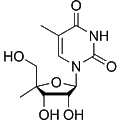
  • 4’-Methyl-5-methyluridine
    Cat. No.
    A56227

    4’-Methyl-5-methyluridine

    4’-Methyl-5-methyluridine is a purine nucleoside analog known for its antitumor properties. This compound exhibits significant activity against indolent lymphoid malignancies, primarily through the inhibition of DNA synthesis and the induction of apoptosis. It serves as a valuable tool in cancer research, contributing to studies focused on therapeutic strategies for lymphoid tumors.

    Out of stock

    All 3 sizes
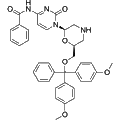
  • N4-Benzoyl-7’-O-(4,4’-dimethoxytrityloxy)morpholinocytosine
    Cat. No.
    A56243

    N4-Benzoyl-7’-O-(4,4’-dimethoxytrityloxy)morpholinocytosine

    N4-Benzoyl-7’-O-(4,4’-dimethoxytrityloxy)morpholinocytosine is a cytidine analog that functions primarily as an inhibitor of DNA methyltransferases. This compound exhibits potential anti-metabolic and anti-tumor activities, making it valuable for research applications in the study of epigenetic regulation and cancer biology. Its unique structural modifications enhance its stability and bioavailability, facilitating the investigation of cellular processes and therapeutic interventions.

    Out of stock

    All 3 sizes
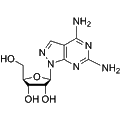
  • 1-β-D-Ribofuranosyl-1H-pyrazolo[3,4-d]pyrimidine-4,6-diamine
    Cat. No.
    A56260

    1-β-D-Ribofuranosyl-1H-pyrazolo[3,4-d]pyrimidine-4,6-diamine

    1-β-D-Ribofuranosyl-1H-pyrazolo[3,4-d]pyrimidine-4,6-diamine is a purine nucleoside analog that exhibits significant antitumor properties. It primarily exerts its biological activity through the inhibition of DNA synthesis and the induction of apoptosis, making it valuable in the study of indolent lymphoid malignancies. This compound is useful for research applications focused on cancer therapeutics and the mechanisms of cancer cell proliferation.

    Out of stock

    All 3 sizes
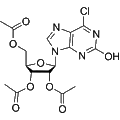
  • 6-Chloro-2-hydroxy-9-(2',3',5'-tri-O-acetyl-β-D-ribofuranosyl)purine
    Cat. No.
    A56276

    6-Chloro-2-hydroxy-9-(2',3',5'-tri-O-acetyl-β-D-ribofuranosyl)purine

    6-Chloro-2-hydroxy-9-(2',3',5'-tri-O-acetyl-β-D-ribofuranosyl)purine is a purine nucleoside analog that primarily targets nucleic acid synthesis. Its biological activity includes broad antitumor properties, particularly effective against indolent lymphoid malignancies. Mechanistically, it functions through the inhibition of DNA synthesis and the induction of apoptotic pathways, making it a valuable tool for cancer research and therapeutic development.

    Out of stock

    All 3 sizes
  • BCX-5
    Cat. No.
    A56290

    BCX-5

    Synonyms: PD 141955

    BCX-5 is a selective inhibitor of purine nucleoside phosphorylase (PNP), offering an inhibitory potency with a Ki value of 0.08 μM. This compound is known to impede cell proliferation and modulate mixed lymphocyte reactions by elevating levels of inosine and guanosine in plasma. BCX-5 is valuable for research applications in immunology, providing insights into purine metabolism and lymphocyte function.

    Out of stock

    All 3 sizes
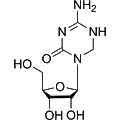
  • Dihydro-5-azacytidine
    Cat. No.
    A56297

    Dihydro-5-azacytidine

    Synonyms: DHAC; NSC 264880

    Dihydro-5-azacytidine is a DNA methylation inhibitor that is incorporated into the DNA structure, disrupting normal methylation processes. This compound exhibits antitumor activity, making it a valuable tool for cancer research. Its properties are relevant for studies focused on epigenetic regulation and the development of therapeutic strategies targeting DNA methylation.

    25 mg
    $1,275.00
    All 1 sizes
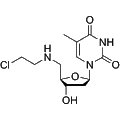
  • 5’-Deoxy-5’-N-(2-chloroethyl)amino thymidine
    Cat. No.
    A56310

    5’-Deoxy-5’-N-(2-chloroethyl)amino thymidine

    5'-Deoxy-5'-N-(2-chloroethyl)amino thymidine is a purine nucleoside analog that exerts its biological effects through inhibition of DNA synthesis and induction of apoptosis. This compound demonstrates broad antitumor activity, particularly against indolent lymphoid malignancies. Research applications include investigating the molecular mechanisms of cancer cell proliferation and exploring novel therapeutic strategies in oncology.

    Out of stock

    All 3 sizes
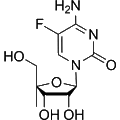
  • 5-Fluoro-4’-C-methylcytidine
    Cat. No.
    A56353

    5-Fluoro-4’-C-methylcytidine

    5-Fluoro-4’-C-methylcytidine is a cytidine nucleoside analog that functions as an inhibitor of DNA methyltransferases. This compound exhibits potential anti-metabolic and anti-tumor activities, making it a valuable tool in cancer research. Its ability to interfere with DNA methylation processes facilitates studies on epigenetic regulation and therapeutic strategies targeting methylation pathways.

    Out of stock

    All 3 sizes
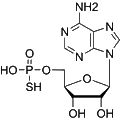
  • 5'-AMPS
    Cat. No.
    A56356

    5'-AMPS

    5'-AMPS is an analogue of 5'-AMP that functions as a substrate and competitive inhibitor of enzymes that interact with 5'-AMP. This compound is utilized in research to explore the regulatory mechanisms of cellular signaling pathways involving AMP, as well as to study enzyme kinetics. Its unique properties make it a valuable tool for dissecting the roles of AMP-related metabolic processes in various biological systems.

    Out of stock

    All 3 sizes
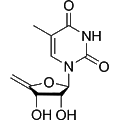
  • 4′,5′-Didehydro-5′-deoxy-5-methyluridine
    Cat. No.
    A56378

    4′,5′-Didehydro-5′-deoxy-5-methyluridine

    4′,5′-Didehydro-5′-deoxy-5-methyluridine is a purine nucleoside analog with significant antitumor properties. This compound exhibits its anticancer effects primarily through the inhibition of DNA synthesis and the induction of apoptosis, making it a valuable tool in the study of indolent lymphoid malignancies. Its use in research can facilitate the understanding of nucleoside metabolism and the development of therapeutic strategies in cancer treatment.

    Out of stock

    All 3 sizes
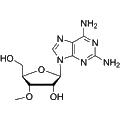
  • 2-Amino-3’-O-methyladenosine
    Cat. No.
    A56386

    2-Amino-3’-O-methyladenosine

    2-Amino-3’-O-methyladenosine is a purine nucleoside analog known for its broad antitumor activity, particularly against indolent lymphoid malignancies. This compound exerts its anticancer effects primarily through the inhibition of DNA synthesis and the induction of apoptosis. It serves as a valuable tool in cancer research, facilitating the investigation of therapeutic strategies targeting nucleoside metabolism and cellular proliferation pathways.

    Out of stock

    All 3 sizes
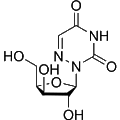
  • 1,2,4-Triazine-3,5-dione 2-β-D-xylopyranoside
    Cat. No.
    A56389

    1,2,4-Triazine-3,5-dione 2-β-D-xylopyranoside

    1,2,4-Triazine-3,5-dione 2-β-D-xylopyranoside is a purine nucleoside analog that exhibits significant antitumor activity, particularly against indolent lymphoid malignancies. Its biological activity is primarily mediated through the inhibition of DNA synthesis and the induction of apoptosis in cancer cells. This compound serves as a valuable tool in cancer research, providing insights into therapeutic strategies targeting nucleoside metabolism and tumor cell proliferation.

    Out of stock

    All 3 sizes
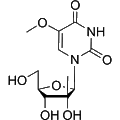
  • 2’-β-C-Methyl-5-methoxyuridine
    Cat. No.
    A56403

    2’-β-C-Methyl-5-methoxyuridine

    2'-β-C-Methyl-5-methoxyuridine is a purine nucleoside analog with significant antitumor activity. It primarily targets indolent lymphoid malignancies, exerting its effects through the inhibition of DNA synthesis and the induction of apoptosis. This compound is valuable for research applications focused on cancer biology and therapeutic development.

    Out of stock

    All 3 sizes
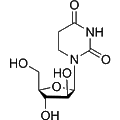
  • 5,6-Dihydro-ara-uridine
    Cat. No.
    A56404

    5,6-Dihydro-ara-uridine

    5,6-Dihydro-ara-uridine is a purine nucleoside analog known for its broad antitumor activity, particularly against indolent lymphoid malignancies. This compound primarily exerts its anticancer effects through the inhibition of DNA synthesis and the induction of apoptosis. It serves as a valuable research tool in the study of cancer therapeutics and cellular mechanisms related to purine metabolism.

    Out of stock

    All 3 sizes
  • CMX-521
    Cat. No.
    A56436

    CMX-521

    CMX-521 is a nucleoside analog that functions as a potent inhibitor of the RNA-dependent RNA polymerase (RdRp) of norovirus. This compound effectively suppresses both murine norovirus (MNV) and human norovirus, making it a valuable tool for research into norovirus infections. Its inhibitory properties are essential for studies focused on antiviral development and mechanisms of norovirus replication.

    1 mg
    $190.00
    5 mg
    $475.00
    All 4 sizes
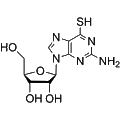
  • 2-Amino-6-meThythio-9-(β-D-ribofuranosyl)-9H-purine
    Cat. No.
    A56438

    2-Amino-6-meThythio-9-(β-D-ribofuranosyl)-9H-purine

    2-Amino-6-methylthio-9-(β-D-ribofuranosyl)-9H-purine is a purine nucleoside analog that exerts its biological activity primarily through the inhibition of DNA synthesis. This compound demonstrates significant antitumor activity against indolent lymphoid malignancies, making it a valuable tool for cancer research. Its mechanisms may involve the induction of apoptosis, providing insight into therapeutic strategies targeting neoplastic diseases.

    Out of stock

    All 3 sizes
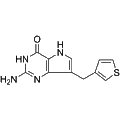
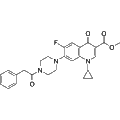
  • Antiangiogenic agent 2
    Cat. No.
    A56439

    Antiangiogenic agent 2

    Antiangiogenic agent 2 is a potent inhibitor of thymidine phosphorylase, exhibiting an IC50 of 39.71 μM. This compound demonstrates significant anti-angiogenic activity, making it a valuable tool for research focused on cancer biology and therapeutics targeting tumor vasculature. It can be utilized in studies aimed at understanding angiogenesis and developing novel anti-cancer strategies.

    Out of stock

    All 3 sizes
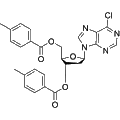
  • 3,5-O-Ditoluoyl 6-chloropurine-9-β-D-deoxyriboside
    Cat. No.
    A56462

    3,5-O-Ditoluoyl 6-chloropurine-9-β-D-deoxyriboside

    3,5-O-Ditoluoyl 6-chloropurine-9-β-D-deoxyriboside is a purine nucleoside analog that demonstrates significant antitumor activity, particularly against indolent lymphoid malignancies. This compound exerts its effects primarily through the inhibition of DNA synthesis and the induction of apoptotic pathways. It serves as a valuable tool in cancer research, aiding in the study of therapeutic strategies targeting purine metabolic pathways.

    Out of stock

    All 3 sizes
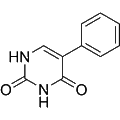
  • 5-Phenyluracil
    Cat. No.
    A56542

    5-Phenyluracil

    5-Phenyluracil is a potent inhibitor of thymidine phosphorylase, an enzyme involved in nucleoside metabolism. This compound exhibits significant anti-tumor activity by disrupting the salvage pathway of nucleotides, making it relevant for cancer research. Its selective inhibition of thymidine phosphorylase highlights its potential utility in exploring cancer therapeutics and related biological pathways.

    Out of stock

    All 3 sizes

Items 101-125 of 135

Added to your cart

View Cart Checkout

    Loading...