Search by product name, CAS, target or catalog number. Press Down Arrow to reach product suggestions, Tab to move between links, and Escape to close suggestions.
USD – US Dollar✓Current currency
Account
Enzyme Activity Probes & Substrates
Browse substrates and optical reporter reagents for enzyme-activity assays. Enzyme-activated fluorogenic probes can convert a chemical transformation into a fluorescence readout.[1] Choose the exact reagent for your enzyme, sample and detection method, and distinguish fluorescent from color-based readouts. This collection does not imply that every substrate is selective for one enzyme or suitable for use in living cells.
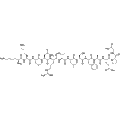
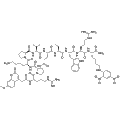
Ziptide is a substrate for various kinases, including MAPK-activated protein kinase 2 (MAPKAPK2) with a Km of 5 μM, MAPKAPK3 (Km = 30 μM), and PARK (Km = 40 μM). Additionally, it acts on checkpoint kinase 1 (Chk1, Km = 5 μM), AMP-activated protein kinase (AMPK, Km = 75 μM), and calcium/calmodulin-dependent protein kinase II (CamKII, Km = 300 μM). Ziptide's specificity makes it valuable for investigating MAPK signaling pathways and related biological processes in various cellular contexts.
MBP MAPK Substrate is a specific substrate designed for the study of Mitogen-Activated Protein Kinase (MAPK) signaling pathways. It is utilized in various assays to assess MAPK activity and phosphorylation events. This substrate serves as a valuable tool in biochemical and cellular research, enabling the investigation of the role of MAPK in cell signaling, regulation of gene expression, and cellular responses to extracellular stimuli.
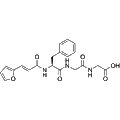
N-[3-(2-Furyl)acryloyl]-Phe-Gly-Gly (FAPGG) is a specific chromogenic substrate for angiotensin-converting enzyme (ACE) with a Ki of 2.546×10^-4 M. Upon hydrolysis by ACE, FAPGG produces N-[3-(2-furyl)acryloyl]-Phe (FAP) and Gly-Gly, allowing for the quantitative detection of ACE activity via photometry. FAPGG competitively binds to the active site of ACE, making it an essential tool for screening ACE inhibitors and advancing research in hypertension and the renin-angiotensin system.
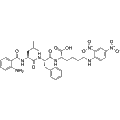
Abz-LFK(Dnp)-OH is an angiotensin I-converting enzyme (ACE) peptide substrate, specifically selective for the C domain of ACE. This compound is instrumental for evaluating ACE activity in various research applications, particularly in studies related to cardiovascular health and hypertension. Its unique structural features facilitate the understanding of ACE's functional dynamics in enzymatic reactions.
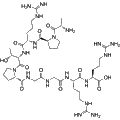
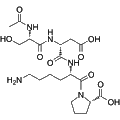
N-Acetyl-Ser-dAsp-Lys-Pro is a specific substrate for the N-terminal site of Angiotensin-Converting Enzyme (ACE). This endogenous tetrapeptide, derived from bone marrow, plays a critical role in physiological processes related to blood pressure regulation and homeostasis. Its unique properties make it valuable for research into ACE enzymatic mechanisms and the development of therapeutic agents targeting cardiovascular disorders.
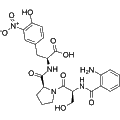
Abz-Ser-Pro-3-nitro-Tyr is a substrate for angiotensin-converting enzyme-2 (ACE2). This compound is valuable in studying ACE2 activity and its role in regulating cardiovascular function and inflammation. Researchers utilize Abz-Ser-Pro-3-nitro-Tyr for investigating enzyme kinetics and developing therapeutics targeting the renin-angiotensin system.
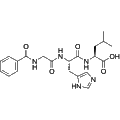
Hippuryl-His-Leu-OH is a specific substrate for angiotensin-converting enzyme (ACE I), utilized as a molecular tool for detecting ACE activity in vitro. It undergoes hydrolysis by ACE, releasing hippuric acid (HA), which serves as a quantitative measure of ACE activity and aids in screening for ACE inhibitors. The release of His-Leu can further react with o-phthalaldehyde or Fluorescamine for fluorescence detection. This reagent is applicable in the in vitro evaluation of ACE inhibitors related to hypertension and cardiovascular diseases, and contributes to studies on ACE activity alterations in various physiological and pathological conditions, including renal compensatory hypertrophy.
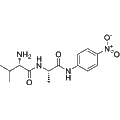
H-Val-Ala-pNA is a specific substrate for the dipeptide aminopeptidase (DPAPase) derived from Streptococcus bovis. This compound is valuable for quantifying DPAPase activity in enzymatic assays, facilitating the study of protease kinetics and specific substrate recognition. Its application is essential in the characterization of enzyme-substrate interactions in biochemical research.
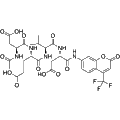
Ac-DEVD-AFC is a fluorogenic substrate specifically designed for the detection of caspase-3 activity. Upon cleavage by caspase-3, it releases a fluorescent signal, enabling real-time monitoring of apoptosis. This reagent is widely used in cell biology research to evaluate programmed cell death and assess therapeutic effectiveness in various experimental settings.
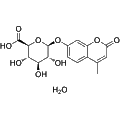
4-Methylumbelliferyl-β-D-glucuronide hydrate is a fluorogenic substrate that emits fluorescence upon hydrolysis by β-glucuronidase (λex=362 nm, λem=445 nm). This reagent is primarily utilized for the detection of β-glucuronidase activity, making it valuable in various microbiological applications, including the quantification of Escherichia coli. Its sensitive fluorescence signal enhances detection capabilities in biochemical assays, contributing to effective research in enzymology and microbial studies.
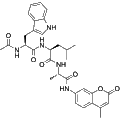
Ac-WLA-AMC is a β5-specific fluorogenic substrate designed for the 20S constitutive proteasome. Upon hydrolysis, it emits a fluorescent signal, enabling real-time monitoring of proteasome activity. This substrate is ideal for research applications involving proteasome function, regulation, and potential drug discovery targeting proteasome-related pathways.
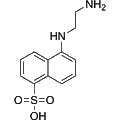
EDANS (1,5-EDANS) is a quenched fluorogenic substrate designed for the assessment of retroviral protease activity through resonance energy transfer (RET). This compound enables sensitive detection and quantification of protease activity, facilitating applications in virology and drug development. Its innovative design allows for an effective evaluation of protease inhibitors and contributes to understanding viral replication mechanisms.
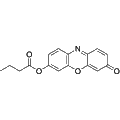
Resorufin butyrate is a fluorogenic substrate primarily utilized for the detection of triglyceride lipases and cholinesterase. With excitation at 570 nm and emission at 580 nm, this compound facilitates sensitive fluorescence-based assays. It is particularly valuable in biochemical studies focusing on lipid metabolism and enzyme activity.
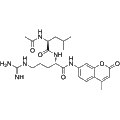
Ac-Leu-Arg-AMC is a fluorogenic peptide substrate designed for the quantitative analysis of protease activity. This compound is particularly useful in studies of proteolytic enzymes, enabling the detection of enzyme activity through fluorescence measurement. Its specificity for certain proteases makes it ideal for applications in biochemical assays and research involving protein degradation pathways.
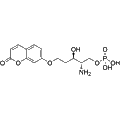
SGPL1 fluorogenic substrate is a potent substrate for sphingosine-1-phosphate lyase (SGPL1), designed to facilitate the measurement of SGPL1 activity. This substrate enables the detection of enzymatic activity through fluorescence, making it a valuable tool for studying sphingolipid metabolism. It is applicable in various biochemical assays aimed at understanding cellular signaling pathways and disease mechanisms associated with sphingosine-1-phosphate regulation.
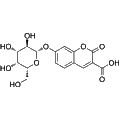
CUG (3-Carboxyumbelliferyl-β-D-galactopyranoside) is a fluorogenic substrate primarily used to detect β-galactosidase activity. It exhibits excitation and emission wavelengths of 386 nm and 445 nm, respectively. This compound is valuable in various biochemical assays and cellular studies to monitor enzyme activity and understand metabolic processes.
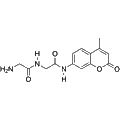
Gly-Gly-AMC is a fluorogenic peptide substrate utilized for measuring protease activity. This compound is particularly effective in evaluating the bacterial protease activities of Pseudomonas aeruginosa and Staphylococcus aureus. Researchers can leverage Gly-Gly-AMC for applications in enzymatic assays and studies focused on bacterial pathogenicity and proteolytic processes.
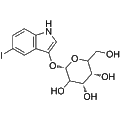
Purple-β-D-Gal serves as a chromogenic substrate for β-galactosidase, specifically targeting the enzymatic activity of β-galactosidase. Upon hydrolysis within cells, Purple-β-D-Gal releases free indoxyl molecules, which subsequently oxidize and dimerize, resulting in the formation of chromogenic, water-insoluble indigo precipitates. This reagent is ideal for the quantitative detection and analysis of β-galactosidase activity in various biological samples.
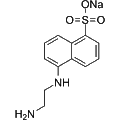
EDANS sodium is a fluorogenic substrate employed primarily in FRET (Förster Resonance Energy Transfer) applications, specifically as a donor in nucleic acid probes and protease assays. When paired with quenchers such as DABCYL or DABSYL, EDANS sodium enhances the sensitivity and specificity of detection methods. The compound exhibits optimal absorbance and emission wavelengths at λabs = 336 nm and λem = 490 nm, making it suitable for various biological research applications involving real-time monitoring of enzymatic reactions and nucleic acid interactions.
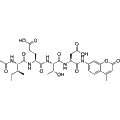
Ac-IETD-AMC is a fluorogenic substrate specifically designed for the detection and quantification of caspase-8 activity. This compound, which includes an acetyl (Ac) moiety, serves as an efficient tool for studying apoptosis and related pathways mediated by caspase-8 and granzyme B. Its application in research allows for precise measurement of caspase-8 activity in various biological contexts, facilitating insights into cell death mechanisms and potential therapeutic targets.
NFF-3 is a selective substrate for matrix metalloproteinases MMP-3 and MMP-10, facilitating their hydrolytic activity. This peptide can also be cleaved by trypsin, hepatocyte growth factor activator, and factor Xa, making it versatile in biochemical applications. Labeling NFF-3 with a CyDye pair, such as Cy3/Cy5Q, enables fluorescence detection in cellular assays, allowing for the assessment of cellular activity and the study of extracellular matrix remodeling.
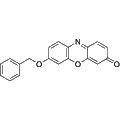
Resorufin benzyl ether is a fluorogenic substrate primarily utilized for the detection of CYP3A4 enzyme activity. This compound can be further modified with a boronate moiety to enable detection of peroxynitrite (ONOO-) through a self-immolation mechanism. The fluorescence emission occurs at 590 nm when excited between 530 and 570 nm, making it a valuable tool for studies involving enzymatic activity and oxidative stress.
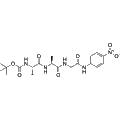
Boc-AAG-pNA is a substrate for glycine endopeptidase, facilitating the study of the enzyme's amidase activity. This compound serves as an effective tool for researchers investigating glycine endopeptidase functions and kinetics. Its use can enhance understanding of proteolytic processes and enzyme-substrate interactions in various biological contexts.
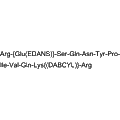
HIV Protease Substrate 1 is a fluorogenic substrate specifically designed for the study of HIV protease activity. This reagent allows for the quantitative assessment of enzymatic function, facilitating investigations into HIV protease inhibitors and their effects on viral replication. It is particularly useful in the development of antiviral therapies and for studying the proteolytic processing of HIV proteins.
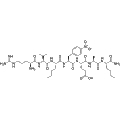
Arg-Val-(Nle-p-nitro)-Phe-Glu-Ala-Nle-NH2 is a fluorogenic substrate specifically designed for assessing the activity of HIV-1 protease. This compound exhibits a strong interaction with the enzyme, facilitating the measurement of protease activity in research applications related to HIV-1 pathogenesis and antiviral drug development. Its utility in protease assays makes it a valuable tool for studying HIV-1 enzymatic function and evaluating potential therapeutic interventions.