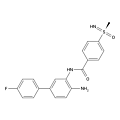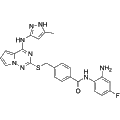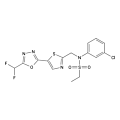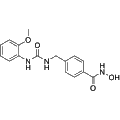
HDAC

Histone deacetylase (HDAC) inhibitors block enzymes that remove acetyl groups from histones and other proteins. Deacetylation compacts chromatin and generally represses transcription, so HDAC inhibitors are widely used to study gene regulation. Trichostatin A was characterized in 1990 as a specific inhibitor of mammalian histone deacetylase. The first mammalian HDAC was cloned in 1996 and found to be related to the yeast transcriptional regulator Rpd3p. Isoform-selective tools include entinostat for HDAC1 and HDAC3, and Tubastatin A HCl for HDAC6, a microtubule-associated deacetylase. Broad-spectrum hydroxamates such as vorinostat and panobinostat, together with the cyclic depsipeptide romidepsin, complete the range.

Items 151-175 of 495

  • CM-1758
    Cat. No.
    A24062

    CM-1758

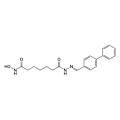
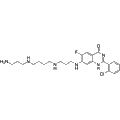
    CM-1758 is a histone deacetylase (HDAC) inhibitor with demonstrated antitumor activity in vivo. In acute myeloid leukemia (AML) cells, CM-1758 induces the acetylation of non-histone proteins, suggesting a broader epigenetic and post-translational regulatory effect beyond chromatin remodeling. Its dual impact on tumor growth and protein acetylation supports its potential as a therapeutic agent in hematologic malignancies.

    1 mg
    $252.00
    5 mg
    $756.00
    All 4 sizes
  • NCC-149
    Cat. No.
    A24063

    NCC-149

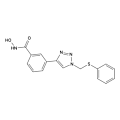
    NCC-149 is a selective inhibitor of histone deacetylase 8 (HDAC8), making it a valuable tool for studying HDAC8-specific functions. It has shown utility in promoting neural differentiation, and is particularly useful in research focused on neurodevelopmental processes and potential therapeutic strategies for neurological disorders involving epigenetic dysregulation.

    5 mg
    $252.00
    10 mg
    $434.00
    All 4 sizes
  • Bakkenolide A
    Cat. No.
    A24064

    Bakkenolide A

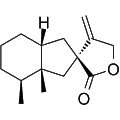
    Bakkenolide A is a natural sesquiterpene lactone isolated from *Petasites tricholobus*. It exhibits anti-leukemic activity by modulating epigenetic and signaling pathways, specifically through inhibition of histone deacetylase 3 (HDAC3) and regulation of the PI3K/Akt signaling cascade. These combined effects contribute to its potential as a therapeutic agent in leukemia research.

    1 mg
    $54.00
    2 mg
    $93.00
    All 4 sizes
  • Crebinostat
    Cat. No.
    A24065

    Crebinostat

    Crebinostat is a potent, broad-spectrum histone deacetylase (HDAC) inhibitor with IC₅₀ values of 0.7 nM (HDAC1), 1.0 nM (HDAC2), 2.0 nM (HDAC3), and 9.3 nM (HDAC6). It effectively induces acetylation of histone H3 and H4, and enhances the expression of Egr1, a cAMP response element-binding protein (CREB) target gene. In cultured neurons, Crebinostat increases the density of synapsin-1 puncta along dendrites, indicating enhanced synaptic connectivity. By modulating chromatin-mediated neuroplasticity, Crebinostat has been shown to improve memory performance in mice, supporting its potential for neuropsychiatric and cognitive disorder research.

    1 mg
    $225.00
    5 mg
    $675.00
    All 4 sizes
  • Marein
    Cat. No.
    A24066

    Marein

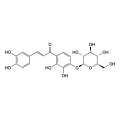
    Marein is a natural compound with multifaceted pharmacological properties, including HDAC inhibition with an IC₅₀ of 100 μM. It exerts neuroprotective effects by preserving mitochondrial function and activating the AMPK signaling pathway. In HepG2 cells, Marein improves high glucose–induced insulin resistance by enhancing glucose uptake via the CaMKK/AMPK/GLUT1 pathway, promoting glycogen synthesis through the IRS/Akt/GSK-3β pathway, and suppressing gluconeogenesis via the Akt/FoxO1 axis. Additionally, Marein possesses antioxidative, antihypertensive, antihyperlipidemic, and antidiabetic properties, making it a promising candidate for metabolic and neurodegenerative disease research.

    1 mg
    $54.00
    5 mg
    $162.00
    All 4 sizes
  • Gnetol
    Cat. No.
    A24067

    Gnetol

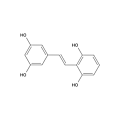
    Gnetol is a bioactive phenolic compound isolated from the root of *Gnetum montanum* with diverse pharmacological properties. It potently inhibits cyclooxygenase-1 (COX-1) with an IC₅₀ of 0.78 μM and exhibits histone deacetylase (HDAC) inhibitory activity. Gnetol is also a strong tyrosinase inhibitor, with an IC₅₀ of 4.5 μM against murine tyrosinase, leading to suppression of melanin biosynthesis. In addition to its antioxidant, antiproliferative, anticancer, and hepatoprotective effects, Gnetol modulates metabolic enzymes in a concentration-dependent manner, including α-amylase, α-glucosidase, and adipogenesis pathways, making it a promising candidate for research in oncology, dermatology, and metabolic disorders.

    5 mg
    $54.00
    10 mg
    $93.00
    All 4 sizes
  • SE-7552
    Cat. No.
    A24068

    SE-7552

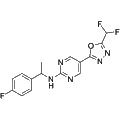
    SE-7552 is an orally active, highly selective histone deacetylase 6 (HDAC6) inhibitor, based on a 2-(difluoromethyl)-1,3,4-oxadiazole (DFMO) scaffold, with an IC₅₀ of 33 nM. As a non-hydroxamate HDAC6 inhibitor, SE-7552 demonstrates exceptional isoform selectivity, showing over 850-fold preference for HDAC6 compared to other HDAC isozymes. In preclinical studies, SE-7552 effectively inhibits multiple myeloma tumor growth in vivo and also exhibits anti-obesity effects in diet-induced obese mouse models, highlighting its therapeutic potential in both oncology and metabolic disease research.

    5 mg
    $135.00
    10 mg
    $233.00
    All 4 sizes
  • 9-Hydroxyoctadecanoic acid
    Cat. No.
    A24069

    9-Hydroxyoctadecanoic acid

    Synonyms: 9-Hydroxystearic acid; 9-HSA

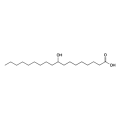
    9-Hydroxyoctadecanoic acid (9-HSA) is a naturally derived inhibitor of histone deacetylase 1 (HDAC1), inhibiting approximately 66.4% of HDAC1 enzymatic activity at a concentration of 5 μM. It exhibits notable anticancer activity, likely through epigenetic modulation of gene expression, making it a promising compound for cancer research and therapeutic development targeting HDAC1-regulated pathways.

    1 mg
    $45.00
    5 mg
    $135.00
    All 4 sizes
  • T-518
    Cat. No.
    A24070

    T-518

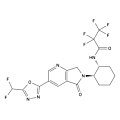
    T-518 is an orally active, selective histone deacetylase 6 (HDAC6) inhibitor with an IC₅₀ of 36 nM for human HDAC6. It is capable of crossing the blood–brain barrier, making it suitable for central nervous system applications. T-518 is particularly useful in tauopathy research, where HDAC6 inhibition may modulate tau pathology and neurodegenerative processes.

    5 mg
    $360.00
    10 mg
    $620.00
    All 4 sizes
  • KR-39038
    Cat. No.
    A24071

    KR-39038

    KR-39038 is a potent and orally bioavailable inhibitor of G protein-coupled receptor kinase 5 (GRK5), with an IC₅₀ of 0.02 μM. It effectively suppresses angiotensin II–induced cellular hypertrophy by inhibiting the HDAC5 signaling pathway in neonatal cardiomyocytes. KR-39038 exhibits strong anti-hypertrophic activity and improves cardiac function in preclinical models, making it a promising candidate for research in heart failure and related cardiovascular diseases.

    5 mg
    $405.00
    10 mg
    $698.00
    All 4 sizes
  • KA2507
    Cat. No.
    A24072

    KA2507

    KA2507 is a potent, orally active, and highly selective histone deacetylase 6 (HDAC6) inhibitor with an IC₅₀ of 2.5 nM. It exhibits strong antitumor activity and immunomodulatory effects in preclinical models, making it a promising candidate for cancer therapy, particularly in tumors where HDAC6 plays a key role in tumor progression and immune evasion.

    5 mg
    $162.00
    10 mg
    $279.00
    All 4 sizes
  • DKFZ-748
    Cat. No.
    A24073

    DKFZ-748

    DKFZ-748 is a selective histone deacetylase 10 (HDAC10) inhibitor with a pIC₅₀ of 7.66, corresponding to an IC₅₀ of approximately 22 nM. It exhibits antitumor activity, making it a valuable tool for studying HDAC10-mediated biological processes and a promising candidate for the development of targeted cancer therapies.

    5 mg
    $216.00
    10 mg
    $372.00
    All 4 sizes
  • Rhamnetin
    Cat. No.
    A24074

    Rhamnetin

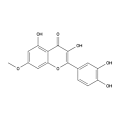
    Rhamnetin is a naturally occurring flavonoid and quercetin derivative found in *Coriandrum sativum*. It functions as an inhibitor of secretory phospholipase A₂ and histone deacetylase 2 (HDAC2), contributing to its broad pharmacological profile. Rhamnetin exhibits notable antitumor, antioxidant, and anti-inflammatory activities, making it a promising compound for research in cancer, oxidative stress-related conditions, and inflammatory diseases.

    5 mg
    $144.00
    10 mg
    $248.00
    All 4 sizes
  • TNG260
    Cat. No.
    A24075

    TNG260

    TNG260 is a selective and orally bioavailable inhibitor of histone deacetylase 1 (HDAC1) and the CoREST transcriptional corepressor complex. It exhibits approximately 10-fold selectivity for HDAC1 over HDAC3 and 500-fold selectivity for the CoREST complex compared to other HDAC-containing complexes such as NuRD and Sin3. TNG260 modulates the tumor immune microenvironment by reducing immunosuppressive neutrophil infiltration, enhancing effector T cell recruitment, and reversing anti-PD-1 resistance associated with STK11 mutations through inhibition of the CoREST–HDAC1 axis. In preclinical models, TNG260 induces durable tumor regression when combined with α-PD-1 therapy in MC38 tumor-bearing mice harboring STK11 mutations, while demonstrating reduced hematologic toxicity compared to non-selective HDAC inhibitors.

    5 mg
    $108.00
    10 mg
    $186.00
    All 4 sizes
  • CYD19
    Cat. No.
    A24076

    CYD19 (Snail/HDAC-IN-1)

    Synonyms: Snail/HDAC-IN-1

    CYD19 is a potent dual-target inhibitor that simultaneously disrupts Snail and HDAC1 activity. It exhibits an IC₅₀ of 0.405 μM against HDAC1 and binds Snail with a K\_d of 0.18 μM. In HCT-116 colorectal cancer cells, CYD19 increases histone H4 acetylation and downregulates Snail protein expression, leading to the induction of apoptosis. This dual mechanism positions CYD19 as a promising therapeutic candidate for targeting epithelial–mesenchymal transition (EMT) and epigenetic dysregulation in cancer.

    5 mg
    $126.00
    10 mg
    $217.00
    All 4 sizes
  • TYA-018
    Cat. No.
    A24077

    TYA-018

    TYA-018 is an orally active, potent, and highly selective inhibitor of histone deacetylase 6 (HDAC6). In preclinical studies, TYA-018 demonstrates cardioprotective effects by preserving heart function in mice. Additionally, it enhances systemic energetics by upregulating the expression of genes involved in fatty acid metabolism, protein turnover, and oxidative phosphorylation, highlighting its potential in both cardiovascular and metabolic disease research.

    5 mg
    $225.00
    10 mg
    $388.00
    All 4 sizes
  • Elevenostat
    Cat. No.
    A24078

    Elevenostat (JB3-22)

    Synonyms: JB3-22

    Elevenostat (JB3-22) is a selective histone deacetylase 11 (HDAC11) inhibitor with an IC₅₀ of 0.235 µM. It exhibits antitumor activity by inducing apoptosis in multiple myeloma cells and shows potential as a therapeutic agent in hematologic malignancies. Additionally, Elevenostat has been shown to inhibit the maturation of mouse oocytes, suggesting a role for HDAC11 in reproductive biology and offering a tool for studying epigenetic regulation in oocyte development.

    5 mg
    $45.00
    10 mg
    $78.00
    All 4 sizes
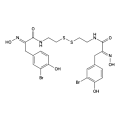
  • Psammaplin A
    Cat. No.
    A24361

    Psammaplin A

    Psammaplin A, a marine-derived metabolite, is a potent inhibitor of HDAC1 (IC50: 45 nM), DNA methyltransferases (IC50: 18.6 nM), and aminopeptidase N (IC50: 18 μM). It also suppresses DNA topoisomerase and farnesyl protein transferase activities. As a PPARγ activator, Psammaplin A induces apoptosis and exhibits antitumor, anti-inflammatory, and anti-angiogenic properties. Additionally, it demonstrates antibacterial activity against Gram-positive bacteria by inhibiting DNA synthesis and DNA

    1 mg
    $162.00
    5 mg
    $486.00
    All 4 sizes
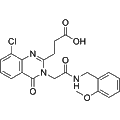
  • SGC-UBD253
    Cat. No.
    A24396

    SGC-UBD253

    SGC-UBD253 is a potent antagonist of the HDAC6 ubiquitin-binding domain (UBD). It is suitable for use in cancer research.

    1 mg
    $108.00
    5 mg
    $324.00
    All 4 sizes
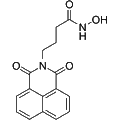
  • Nullscript
    Cat. No.
    A24445

    Nullscript

    Nullscript is an inactive analog of Scriptaid and serves as a negative control for Scriptaid, a representative histone deacetylase (HDAC) inhibitor. Despite its inactivity as an HDAC inhibitor, Nullscript inhibits the growth of *Cryptosporidium parvum* with an IC₅₀ value of 2.1 μM.

    1 mg
    $108.00
    5 mg
    $324.00
    All 4 sizes
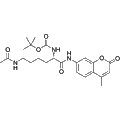
  • Boc-Lys(Ac)-AMC
    Cat. No.
    A24679

    Boc-Lys(Ac)-AMC

    Synonyms: Boc-L-Lys(Ac)-AMC

    Boc-Lys(Ac)-AMC is a cell-permeable fluorometric substrate for histone deacetylases (HDACs). When cleaved by HDAC enzymes, it releases a fluorescent signal with excitation and emission maxima at 355 nm and 460 nm, respectively. This compound is valuable for studying HDAC activity in various biological contexts and can be utilized in high-throughput screening assays to evaluate enzyme inhibitors.

    5 mg
    $35.00
    10 mg
    $55.00
    All 6 sizes
  • VUBI1 analogue-1
    Cat. No.
    A24799

    VUBI1 analogue-1

    VUBI1 analogue-1 is an analogue of VUBI1, functioning as a selective activator of the SOS1 pathway with a Kd of 44 nM. This compound is valuable for studying SOS1 activation mechanisms and provides a basis for the synthesis of (4S)-PROTAC SOS1 degrader-1. Its applications include investigations into targeted degradation and modulation of cellular pathways involving SOS1, offering insights into cellular signaling and potential therapeutic strategies.

    5 mg
    $140.00
    10 mg
    $250.00
    All 5 sizes
  • HC-Toxin
    Cat. No.
    A24881

    HC-Toxin

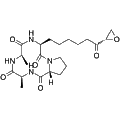
    HC-Toxin is a potent histone deacetylase (HDAC) inhibitor with an IC50 of 30 nM. This cyclic tetrapeptide effectively induces apoptosis in tumor cells, demonstrating significant anticancer activity. Its mechanism of action makes it valuable for research in cancer therapy and the modulation of gene expression.

    0.5 mg
    $145.00
    1 mg
    $230.00
    All 3 sizes
  • HDAC3-IN-2
    Cat. No.
    A25160

    HDAC3-IN-2

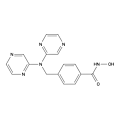
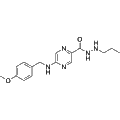
    HDAC3-IN-2 is a potent inhibitor of histone deacetylase 3 (HDAC3), with an IC50 value of 14 nM. This pyrazinyl hydrazide compound exhibits cytotoxicity against triple-negative breast cancer cell lines, demonstrating an IC50 of 0.55 μM for 4T1 cells and 0.74 μM for MDA-MB-231 cells. In in vivo studies using tumor-bearing mouse models, HDAC3-IN-2 effectively enhances histone acetylation levels at H3K9, H3K27, and H4K12 while promoting apoptosis through increased caspase-3, caspase-7, and cytochrome c levels, alongside a decrease in proliferation markers such as Bcl-2, CD44, EGFR, and Ki-67.

    5 mg
    $190.00
    10 mg
    $320.00
    All 5 sizes
  • HDAC1/6-IN-3
    Cat. No.
    A25362

    HDAC1/6-IN-3

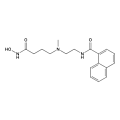
    HDAC1/6-IN-3 is a potent inhibitor of histone deacetylases 1 and 6 (HDAC1 and HDAC6). It demonstrates strong inhibitory activity, with IC50 values of 1.1 nM for HDAC1 and 2.7 nM for HDAC6. This compound effectively induces cell cycle arrest in the G0/G1 phase and promotes both apoptosis and pyroptosis in HepG2 cells. Additionally, HDAC1/6-IN-3 exhibits significant antitumor effects in the HepG2 xenograft model and is valuable for research focused on various types of cancer, including liver, lung, colon, and breast cancers.

    Out of stock

    All 3 sizes

Items 151-175 of 495

Added to your cart

View Cart Checkout

    Loading...