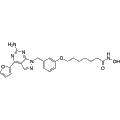
HDAC

Histone deacetylase (HDAC) inhibitors block enzymes that remove acetyl groups from histones and other proteins. Deacetylation compacts chromatin and generally represses transcription, so HDAC inhibitors are widely used to study gene regulation. Trichostatin A was characterized in 1990 as a specific inhibitor of mammalian histone deacetylase. The first mammalian HDAC was cloned in 1996 and found to be related to the yeast transcriptional regulator Rpd3p. Isoform-selective tools include entinostat for HDAC1 and HDAC3, and Tubastatin A HCl for HDAC6, a microtubule-associated deacetylase. Broad-spectrum hydroxamates such as vorinostat and panobinostat, together with the cyclic depsipeptide romidepsin, complete the range.

Items 201-225 of 495

  • A2AAR/HDAC-IN-2
    Cat. No.
    A26336

    A2AAR/HDAC-IN-2

    A2AAR/HDAC-IN-2 is a potent dual inhibitor targeting the adenosine A2A receptor (A2AAR) and histone deacetylase 1 (HDAC1). It demonstrates a strong binding affinity for A2AAR with a Ki value of 10.3 nM and exhibits significant inhibitory activity against HDAC1 with an IC50 of 18.5 nM. This compound is applicable in cancer research, particularly in studies exploring antitumor mechanisms and therapeutic efficacy.

    25 mg
    $1,275.00
    50 mg
    $1,625.00
    All 3 sizes
  • HDAC6-IN-60
    Cat. No.
    A26337

    HDAC6-IN-60

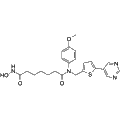
    HDAC6-IN-60 is a selective inhibitor of histone deacetylase 6 (HDAC6) that is orally active. By inhibiting the enzymatic activity of HDAC6, this compound regulates pathways associated with protein homeostasis and modulates tumor cell proliferation. HDAC6-IN-60 is valuable for investigating the role of HDAC6 in various cancer types and therapeutic applications related to HDAC6-associated malignancies.

    Out of stock

    All 3 sizes
  • HDAC6-IN-59
    Cat. No.
    A26338

    HDAC6-IN-59

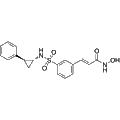
    HDAC6-IN-59 is a selective inhibitor of histone deacetylase 6 (HDAC6) with an IC50 of 3.12 nM and a remarkable 352-fold selectivity over HDAC1. This compound is valuable for investigating the role of HDAC6 in various biological processes and is particularly relevant in esophageal cancer research. Its potency and specificity make HDAC6-IN-59 an important tool for exploring therapeutic strategies targeting HDAC6-related pathways.

    Out of stock

    All 3 sizes
  • HDAC-IN-33
    Cat. No.
    A26339

    HDAC-IN-33

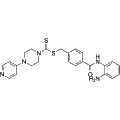
    HDAC-IN-33 is a potent inhibitor of histone deacetylases (HDACs), exhibiting IC50 values of 24 nM, 46 nM, and 47 nM for HDAC1, HDAC2, and HDAC6, respectively. This compound demonstrates significant antiproliferative activity against various tumor cell lines, contributing to its potential as an anticancer agent. Furthermore, HDAC-IN-33 has shown promising antitumor efficacy in vivo, promoting antitumor immune responses that may enhance its therapeutic potential in cancer research applications.

    Out of stock

    All 3 sizes
  • HDAC6-IN-43
    Cat. No.
    A26340

    HDAC6-IN-43

    HDAC6-IN-43 is a selective inhibitor of histone deacetylase 6 (HDAC6) with an IC50 value of 11 nM, demonstrating potent activity against other HDACs, including HDAC1 and HDAC2 (IC50 < 150 nM). By inhibiting HDAC6, this compound contributes to the modulation of acetylation processes, which are critical for cellular functions. HDAC6-IN-43 is relevant for research applications in autosomal dominant polycystic kidney disease (ADPKD) and other conditions involving dysregulated histone modification.

    Out of stock

    All 3 sizes
  • HDAC1/3-IN-1
    Cat. No.
    A26341

    HDAC1/3-IN-1

    HDAC1/3-IN-1 is a selective inhibitor targeting histone deacetylases HDAC1 and HDAC3, exhibiting IC50 values of 256 nM and 340.3 nM, respectively. This compound has been shown to increase the SubG1 cell population and promote apoptosis in glioma cells and glioblastoma stem cells. HDAC1/3-IN-1 is ideal for research applications focused on investigating glioblastoma and exploring therapeutic strategies for glioma-related disorders.

    Out of stock

    All 3 sizes
  • Quisinostat hydrochloride
    Cat. No.
    A26342

    Quisinostat hydrochloride

    Synonyms: JNJ26481585 hydrochloride

    Quisinostat hydrochloride is a potent pan-HDAC inhibitor, exhibiting IC50 values between 0.11 nM and 0.64 nM for multiple HDAC targets including HDAC1, HDAC2, HDAC4, HDAC10, and HDAC11. This compound demonstrates significant antitumoral activity across various cancer models. Additionally, Quisinostat hydrochloride has been shown to induce autophagy in neuroblastoma cells, making it a valuable tool for research in cancer biology and therapeutic development.

    Out of stock

    All 3 sizes
  • Rodin-A
    Cat. No.
    A26343

    Rodin-A

    Rodin-A is a selective histone deacetylase (HDAC) and CoREST complex inhibitor, demonstrating an IC50 of 1.80 μM for the CoREST complex, 0.15 μM for HDAC1, and 0.43 μM for HDAC2. This orally active compound enhances histone H3K9 acetylation and upregulates neuron-related gene expression, which promotes dendritic spine density and the colocalization of synaptic proteins such as SV2A and PSD95. Additionally, Rodin-A improves hippocampal long-term potentiation, indicating its potential for neuroprotective and restorative applications in research on neurodegenerative diseases, particularly Alzheimer’s disease.

    Out of stock

    All 3 sizes
  • YPX-C-05
    Cat. No.
    A26344

    YPX-C-05

    YPX-C-05 is a hydroxamic acid-derived inhibitor of histone deacetylases (HDACs). It demonstrates notable vasodilatory effects while promoting acetylation of histone H4 in endothelial cells. This compound is applicable in hypertension research, providing insights into the mechanisms underlying vascular regulation and potential therapeutic strategies.

    1 mg
    $155.00
    5 mg
    $395.00
    All 6 sizes
  • HDAC-IN-28
    Cat. No.
    A26345

    HDAC-IN-28

    HDAC-IN-28 is a potent inhibitor of histone deacetylases (HDACs), which play a crucial role in regulating gene expression and cellular function. This compound exhibits significant anti-tumor activity, effectively inhibiting tumor growth and metastasis. HDAC-IN-28 is valuable for research applications focused on cancer biology, epigenetic regulation, and potential therapeutic strategies for malignancies.

    25 mg
    $1,275.00
    50 mg
    $1,625.00
    All 3 sizes
  • LSD1/HDAC-IN-1
    Cat. No.
    A26347

    LSD1/HDAC-IN-1

    LSD1/HDAC-IN-1 is a potent inhibitor of histone deacetylases (HDACs) and lysine-specific demethylase 1 (LSD1), demonstrating impressive inhibitory activity with IC50 values of 0.125 nM for HDAC1, 0.373 nM for HDAC2, 0.0118 nM for HDAC6, 0.103 nM for HDAC8, and 0.571 μM for LSD1. This compound is significant in cancer research, as it influences gene expression and histone modification, making it a valuable tool for studies addressing epigenetic regulation and potential therapeutic interventions.

    Out of stock

    All 3 sizes
  • JPS014
    Cat. No.
    A26348

    JPS014

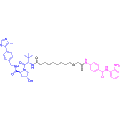
    JPS014 is a benzamide-based HDAC degrader designed to engage the Von Hippel-Lindau (VHL) E3 ligase for targeted proteolysis. It effectively degrades class I histone deacetylases (HDAC1 and HDAC2), leading to significant alterations in gene expression profiles and promoting apoptotic pathways in HCT116 cancer cells. This compound is particularly useful for studying the role of HDAC inhibition in cancer biology and elucidating mechanisms of resistance to therapies.

    Out of stock

    All 3 sizes
  • M122
    Cat. No.
    A26349

    M122

    M122 is a selective inhibitor of histone deacetylases HDAC1 and HDAC2, demonstrating IC50 values of 0.48 μM and 0.47 μM, respectively. This compound exhibits significant antitumor activity, making it a valuable tool for cancer research. Its ability to modulate gene expression through epigenetic mechanisms positions M122 as a potential candidate for studies in cancer therapeutics and epigenetic regulation.

    25 mg
    $1,275.00
    50 mg
    $1,625.00
    All 3 sizes
  • ZYJ-34c
    Cat. No.
    A26350

    ZYJ-34c

    ZYJ-34c is a potent histone deacetylase inhibitor (HDACi) that effectively targets HDAC6 and HDAC8, exhibiting IC50 values of 0.056 μM and 0.146 μM, respectively. At low concentrations, ZYJ-34c induces G1 phase cell cycle arrest and demonstrates significant antiproliferative activity. In preclinical studies, it shows substantial antitumor effects in MDA-MB-231 and HCT116 xenograft models and reveals antimetastatic potential in a mouse hepatoma-22 (H22) pulmonary metastasis model, highlighting its applicability in cancer research.

    25 mg
    $1,405.00
    50 mg
    $1,790.00
    All 3 sizes
  • HDAC6-IN-40
    Cat. No.
    A26352

    HDAC6-IN-40

    HDAC6-IN-40 is a selective inhibitor of histone deacetylase 6 (HDAC6), demonstrating an IC50 of 0.029 μM. This compound plays a significant role in the regulation of protein acetylation, impacting cellular processes such as stress response and neurodegeneration. It is particularly relevant for research applications focused on cancer, neurodegenerative diseases, and the modulation of immune responses.

    25 mg
    $1,275.00
    50 mg
    $1,625.00
    All 3 sizes
  • KT-531
    Cat. No.
    A26353

    KT-531

    KT-531 is a potent and selective inhibitor of histone deacetylase 6 (HDAC6), exhibiting an IC50 of 8.5 nM. This compound demonstrates significant cytotoxic activity in SUP-T11 cells, with an IC50 of 0.42 μM. KT-531 is suitable for research applications focused on hematological cancers, enabling the investigation of HDAC6's role in tumor progression and potential therapeutic strategies.

    5 mg
    $380.00
    All 1 sizes
  • M133
    Cat. No.
    A26354

    M133

    M133 is a selective inhibitor of HDAC1 and HDAC2, demonstrating potent antiproliferative activity against various human tumor cell lines with IC50 values ranging from 0.75 to 1.94 μM. This compound serves as a valuable tool for cancer research, facilitating the investigation of histone deacetylase activity and its implications in tumor biology.

    25 mg
    $1,275.00
    50 mg
    $1,625.00
    All 3 sizes
  • TMU 35435
    Cat. No.
    A26355

    TMU 35435

    TMU 35435 is a potent histone deacetylase (HDAC) inhibitor that targets the NHEJ pathway by promoting the ubiquitination of DNA-dependent protein kinase catalytic subunit (DNA-PKcs). This compound significantly enhances radiosensitivity in triple-negative breast cancer (TNBC) by inducing the aggregation of misfolded proteins and facilitating autophagy. TMU 35435 is valuable for research applications focused on cancer biology and the modulation of DNA repair mechanisms.

    25 mg
    $2,200.00
    50 mg
    $3,100.00
    All 3 sizes
  • Dihydrochlamydocin analog-1
    Cat. No.
    A26356

    Dihydrochlamydocin analog-1

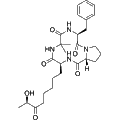
    Dihydrochlamydocin analog-1 is a potent histone deacetylase (HDAC) inhibitor that demonstrates significant activity by inhibiting histone H4 peptide deacetylation with an IC50 of 30 nM. This compound is useful for studying the role of HDACs in gene regulation, cellular differentiation, and cancer therapy. It may also serve as a valuable tool in epigenetic research and therapeutic development targeting HDAC-related disorders.

    0.5 mg
    $270.00
    1 mg
    $435.00
    All 2 sizes
  • Z-MAL
    Cat. No.
    A26357

    Z-MAL

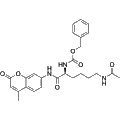
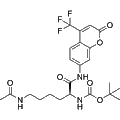
    Z-MAL is a potent HDAC substrate that efficiently targets class I and II histone deacetylases, as well as class III SIRT1. This compound demonstrates significant conversion activity, making it suitable for studies focused on structure-activity relationships, subtype selectivity, and inhibitor screening of histone deacetylases. Z-MAL is an essential tool for advancing research in epigenetics and related biological pathways.

    Out of stock

    All 3 sizes
  • PD-L1/HDAC-IN-1
    Cat. No.
    A26358

    PD-L1/HDAC-IN-1

    PD-L1/HDAC-IN-1 is a dual inhibitor targeting PD-L1, HDAC2, and HDAC3, with IC50 values of 88.10 nM, 27.98 nM, and 14.47 nM, respectively. This compound effectively disrupts the PD-1/PD-L1 interaction and demonstrates minimal cytotoxicity in MCF-7 cells (IC50=19.34 μM). PD-L1/HDAC-IN-1 enhances the expression of PD-L1 and CXCL10, thereby facilitating an anti-tumor immune response through increased T-cell recruitment into the tumor microenvironment (TME). Its unique mechanism positions it as a valuable tool for research in cancer immunotherapy.

    Out of stock

    All 3 sizes
  • BATCP
    Cat. No.
    A26359

    BATCP

    BATCP is an inhibitor of histone deacetylases (HDACs), which play a crucial role in the regulation of gene expression through the removal of acetyl groups from histone proteins. This compound exhibits potent HDAC inhibitory activity, potentially leading to increased acetylation of histones and altered transcriptional outcomes. BATCP is suitable for research applications focusing on epigenetic regulation, cancer biology, and related therapeutic strategies.

    1 mg
    $75.00
    5 mg
    $185.00
    All 5 sizes
  • Butyrylhydroxamic acid
    Cat. No.
    A26360

    Butyrylhydroxamic acid

    Synonyms: N-Hydroxybutanamide

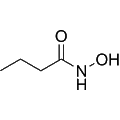
    Butyrylhydroxamic acid is a selective inhibitor of histone deacetylase (HDAC), modulating gene expression by preventing histone deacetylation. Its biological activity has been shown to enhance cognitive functions in rodent models, suggesting potential applications in memory enhancement and mood stabilization. Additionally, it is being explored in research related to β-chain hemoglobinopathies, providing valuable insights into therapeutic strategies for related disorders.

    Out of stock

    All 3 sizes
  • J1038
    Cat. No.
    A26361

    J1038

    Synonyms: T 5979345

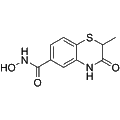
    J1038 is a selective inhibitor of histone deacetylase 8 (HDAC8), targeting the catalytic zinc ion of Schistosoma mansoni HDAC8 (smHDAC8). This compound demonstrates significant inhibition of HDAC8 activity, making it a valuable tool for studying epigenetic regulation and potential therapeutic applications in cancer and neurodegenerative diseases. Researchers can utilize J1038 to explore the biological effects of HDAC8 inhibition in various cellular contexts.

    25 mg
    $1,275.00
    50 mg
    $1,625.00
    All 3 sizes
  • FFK29
    Cat. No.
    A26362

    FFK29

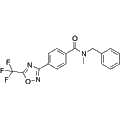
    FFK29 is a potent synthetic inhibitor of class II histone deacetylases (HDACs). It effectively impedes the growth and encystation of Acanthamoeba, making it a valuable tool in the study of protozoan and parasitic diseases. Research applications for FFK29 include investigations into the molecular mechanisms of HDAC inhibition and its potential therapeutic effects against parasitic infections.

    25 mg
    $1,275.00
    50 mg
    $1,625.00
    All 3 sizes

Items 201-225 of 495

Added to your cart

View Cart Checkout

    Loading...