PD-1-PD-L1

PD-1/PD-L1 inhibitors are research compounds that block binding between an inhibitory T cell receptor and its ligand. Programmed cell death protein 1 (PD-1) was first identified in 1992 as a gene induced in cell lines undergoing programmed cell death. Its ligand, programmed death-ligand 1 (PD-L1), is a B7 family protein whose binding to PD-1 inhibits T cell proliferation and cytokine secretion. This checkpoint limits T cell activation and is studied in immune tolerance, tumor immunology and chronic infection. Small molecules such as BMS-202 bind PD-L1 and induce its dimerization, which hides the surface that engages PD-1. The category lists BMS-1166, BMS-202 and PD-1-IN-1 as small-molecule tools, alongside the anti-PD-L1 antibody avelumab as a reference reagent.

5 Items

  • WL12
    Cat. No.
    A35667

    WL12

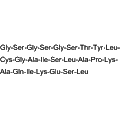
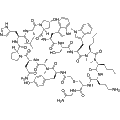
    WL12 is a PD-L1 binding peptide that specifically targets the programmed death ligand 1. This peptide can be radiolabeled with various radionuclides to create radiotracers, facilitating the assessment of PD-L1 expression in tumors. It is a valuable tool for cancer research, particularly in studies focused on immune checkpoint blockade and tumor immunology.

    1 mg
    $280.00
    5 mg
    $780.00
    All 3 sizes
  • SHR-1701
    Cat. No.
    A35675

    SHR-1701

    Synonyms: Retlirafusp alfa

    SHR-1701 (Retlirafusp alfa) is a bifunctional fusion protein that targets programmed death-ligand 1 (PD-L1) and transforming growth factor-beta (TGF-β). This compound is designed to enhance anti-tumor immunity by concurrently inhibiting immune checkpoint pathways and modulating the tumor microenvironment. SHR-1701 is valuable for research applications focused on cancer immunotherapy and the modulation of TGF-β signaling in various malignancies.

    1 mg
    $290.00
    5 mg
    $770.00
    All 3 sizes
  • Human PD-L1 inhibitor I
    Cat. No.
    A35710

    Human PD-L1 inhibitor I

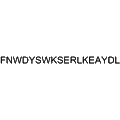
    Human PD-L1 inhibitor I is a peptide ligand targeting human PD-1 ligand with a binding affinity (KD) of 3.39 μM. This compound is designed to disrupt the interaction between hPD-L1 and hPD-1, making it a valuable tool for studying immune checkpoint inhibition. Its applications include investigating mechanisms of immune evasion in cancer and exploring potential therapeutic strategies for enhancing anti-tumor immunity.

    5 mg
    $205.00
    10 mg
    $335.00
    All 2 sizes
  • 2-Methylbiphenyl-oxadiazole-NH-Ph-CHO
    Cat. No.
    A35718

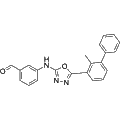
    2-Methylbiphenyl-oxadiazole-NH-Ph-CHO

    2-Methylbiphenyl-oxadiazole-NH-Ph-CHO functions as a ligand for PD-L1, playing a crucial role in the development of AUTAC PD-L1 degrader-3. This compound is essential for facilitating targeted degradation of PD-L1, making it a valuable tool in cancer immunotherapy research and studies focusing on the modulation of immune checkpoints. Additionally, it can be utilized in the synthesis of AUTACs for advanced therapeutic applications.

    Out of stock

    All 3 sizes
  • RK-10
    Cat. No.
    A35758

    RK-10

    RK-10 is a PD-L1 binding peptide that specifically targets programmed death-ligand 1 (PD-L1). This peptide can be conjugated with fluorescent dyes such as Cy5 or biotin for the detection of PD-L1 expressing tumors via flow cytometry or immunohistochemistry. RK-10 serves as a valuable tool for research applications related to non-small cell lung cancer (NSCLC), breast cancer, squamous cell carcinoma, and melanoma, facilitating studies on tumor immunology and therapeutic responses.

    Out of stock

    All 3 sizes

5 Items

Added to your cart

View Cart Checkout

    Loading...