
- Cat. No.
- A10006
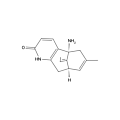
(-)-Huperzine A
(-)-Huperzine A is a naturally occurring sesquiterpene alkaloid compound found in the firmoss Huperzia serrata.
Search by product name, CAS, target or catalog number. Press Down Arrow to reach product suggestions, Tab to move between links, and Escape to close suggestions.
Acetylcholinesterase (AChE) inhibitors block the enzyme that breaks down acetylcholine at cholinergic synapses. By ending acetylcholine signaling within milliseconds, AChE controls transmission in the brain and at the neuromuscular junction. The 1991 crystal structure of AChE from Torpedo californica showed the active site at the base of a deep, narrow gorge. AChE also has non-catalytic roles, which broaden its interest beyond synaptic transmission. Inhibitors here include donepezil hydrochloride and galanthamine hydrobromide, which are reversible inhibitors. The carbamates rivastigmine tartrate and neostigmine bromide, used in studies of cholinergic signaling and neurodegeneration, are also listed.
(-)-Huperzine A is a naturally occurring sesquiterpene alkaloid compound found in the firmoss Huperzia serrata.
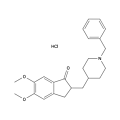
Donepezil is a centrally acting reversible acetylcholinesterase inhibitor.
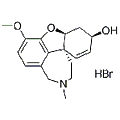
Synonyms: Reminyl
Galanthamine is an AChE inhibitor with IC50 of 14 nM.
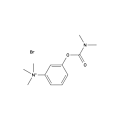
Synonyms: Vagostigmin; Prostigmin
Neostigmine bromide is a reversible acetylcholine esterase inhibitor that binds to the anionic binding site of AChE.
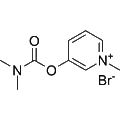
Pyridostigmine bromide is an orally active cholinesterase (ChE) inhibitor that enhances acetylcholine levels by inhibiting the enzyme responsible for its breakdown. This compound demonstrates significant biological activity in modulating cholinergic signaling, making it useful in studying neurodegenerative disorders and neuromuscular junction diseases. Its applications extend to cardiovascular disease research, where it can elucidate cholinergic mechanisms underlying cardiac function and dysfunction.
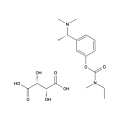
Synonyms: Exelon
Rivastigmine tartrate is a dual cholinesterase inhibitor (ChEI). It inhibits both butyrylcholinesterase (BChE) and acetylcholinesterase (AChE).
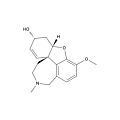
Synonyms: Galantamine
Galanthamine is a potent acetylcholinesterase (AChE) inhibitor with an IC50 of 500 nM.
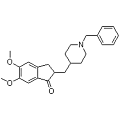
Donepezil is a noncompetitive acetylcholineesterase inhibitor, which can readily cross the blood brain barrier and increase the concentration of cortical acetylcholine. It is known that Donepezil is a useful tool in the study of Alzheimer's disease.
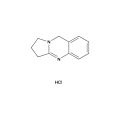
Synonyms: Pegene hydrochloride; Vasicine
Desoxypeganine hydrochloride is an AChE (acetylcholinesterase) inhibitor that has been used in the treatment of Alzheimer's dementia.
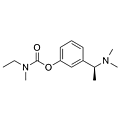
Synonyms: S-Rivastigmine
Rivastigmine, an cholinesterase inhibitor(IC50= 5.5 uM), inhibits both butyrylcholinesterase and acetylcholinesterase.
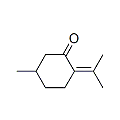
Synonyms: (+)-Pulegone
Pulegone is a monoterpene compound found in a number of essential oils. The unit of Product is ml.
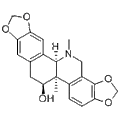
(+)-Corynoline is an acetylcholinesterase inhibitor isolated from Corydalis incisa.
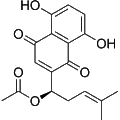
Acetylshikonin is a potent anti-inflammatory agent that also functions as an inhibitor of acetylcholinesterase (AChE) and non-selective cytochrome P450 enzymes. With an IC50 of 34.6 μM for AChE, Acetylshikonin exhibits neuroprotective properties and can induce apoptosis and autophagy in cancer cells. Its ability to regulate blood glucose and liver fat metabolism makes it valuable in research related to diabetes, diabetic nephropathy, obesity, and nonalcoholic fatty liver disease.
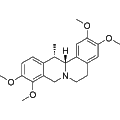
Synonyms: (+)-Corydaline; Corydalin
Corydaline is an isoquinoline alkaloid that functions as a cholinesterase (ChE) inhibitor with an IC50 of 226 μM. In addition to its cholinergic activity, Corydaline acts as a μ-opioid receptor agonist (Ki of 1.23 μM) and demonstrates significant antiviral effects by inhibiting enterovirus 71 (EV71) replication, with an IC50 of 25.23 μM. This compound also exhibits anti-angiogenic, anti-allergic, gastric-emptying, and antinociceptive properties, making it a valuable reagent for various biological research applications.
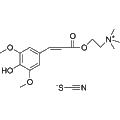
Sinapine thiocyanate is a cholinesterase (ChE) inhibitor known for its multifaceted biological activities. This alkaloid, derived from cruciferous plant seeds, exhibits anti-inflammatory, antioxidant, antitumor, anti-angiogenic, and radioprotective properties. Its ability to inhibit acetylcholinesterase (AChE) highlights its potential in research related to neurodegenerative disorders such as Alzheimer’s disease, ataxia, myasthenia gravis, and Parkinson’s disease.
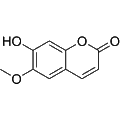
Synonyms: Gelseminic acid; Chrysatropic acid
Scopoletin is a cholinesterase inhibitor that primarily targets acetylcholinesterase (AChE). It possesses notable biological activity in preventing the breakdown of acetylcholine, thereby enhancing cholinergic transmission. Scopoletin is commonly used in research focused on neurodegenerative diseases, cognitive disorders, and potential therapeutic interventions involving cholinergic systems.
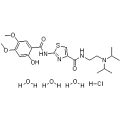
Synonyms: YM-443; Z-338
Acotiamide is a drug approved in Japan for the treatment of postprandial fullness, upper abdominal bloating, and early satiation due to functional dyspepsia.
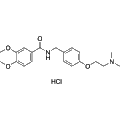
Synonyms: HSR803
Itopride hydrochloride is a potent acetylcholinesterase (AChE) inhibitor and dopamine D2 receptor antagonist. By enhancing gastric motility through its antidopaminergic and anti-AChE effects, Itopride hydrochloride serves as an effective gastrointestinal prokinetic agent. This compound is particularly useful for investigating conditions such as gastroesophageal reflux disease (GERD) and related gastrointestinal disorders.
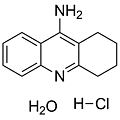
Synonyms: THA hydrochloride hydrate; Tetrahydroaminacrine hydrochloride hydrate
Tacrine hydrochloride hydrate is an inhibitor of both acetyl (AChE) and butyryl-cholinestrase (BChE) with IC50s of 31 nM and 25.6 nM, respectively.
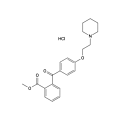
Synonyms: Pitofenone HCl; Baralginketone; Bulgarketone
Pitofenone hydrochloride is an antispasmodic agent. It acts as a potent inhibitor of acetylcholinesterase activity.
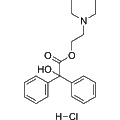
Benactyzine hydrochloride is a competitive inhibitor of butyrylcholinesterase (BChE) with a Ki of 0.01 mM, functioning primarily as an anticholinergic agent. It demonstrates significant promise in the study of organophosphate poisoning, aiding research into the mechanisms of cholinergic dysfunction. Its ability to modulate cholinergic activity makes it a valuable tool in neuropharmacological research and therapeutic explorations.
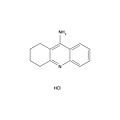
Synonyms: Hydroaminacrine; NSC72108
Tacrine is a derivative of aminoacridine that functions as an inhibitor of both acetylcholinesterase (AChE) and butyrylcholinesterase (IC50s = 31 and 26.5 nM, respectively).
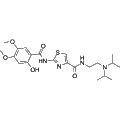
Synonyms: Z-338 free base; YM443 free base
Acotiamide is a selective and reversible inhibitor of acetylcholinesterase (AChE), exhibiting an IC50 value of 1.79 μM. It has demonstrated the ability to enhance gastric contractility and promote accelerated gastric emptying. This compound is valuable for investigating functional dyspepsia related to gastric motility dysfunction and intestinal inflammation.
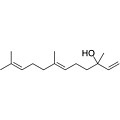
Synonyms: BRN 1724135; FCI 119b
Nerolidol is a synthetic AChE inhibitor and F0F1-ATP synthase modulator. It acts as a sedative, inhibits growth of bacteria and fungi, and decreases the mitochondrial transmembrane electric potential to induce cell death in hepatocarcinoma cells.
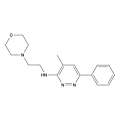
Synonyms: Cantor; Minaprina; Minaprinum; Brantur; Agr 1240
Minaprine is a reversible inhibitor of MAO-A; weakly inhibit acetylcholinesterase; an antidepressant for treatment of depression.