Biochemical Assay Reagents

Biochemical Assay Reagents collects small molecules used to prepare, run and calibrate biochemical and cell-based assays. Vitamins and cofactors such as niacin, riboflavin and biotin sit alongside sugars, sugar alcohols and amino acids such as L-arginine. Enzyme substrates and metal-ion chelators complete the range, including the calcium chelator 1,2-bis(2-aminophenoxy)ethane-N,N,N′,N′-tetraacetic acid (BAPTA). Three subcategories group related reagents, namely Carbohydrates & Glycobiology, Acyl-CoA & Cofactors for acyl-coenzyme A (acyl-CoA) compounds, and Chelators & Bifunctional Chelators. Most of these compounds act as substrates, cofactors, standards or buffer components rather than as inhibitors of a defined target.

Items 1-25 of 26

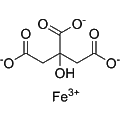
  • Ferric citrate
    Cat. No.
    A31412

    Ferric citrate

    Synonyms: Iron(III) citrate; Zerenex

    Ferric citrate is an iron(III) citrate compound that serves as an effective orally active iron supplement and phosphate binder. It is primarily utilized in research related to iron deficiency anemia and chronic kidney disease (CKD), providing insights into the management of these conditions. Its dual activity in iron supplementation and phosphate binding makes it a valuable reagent for studies focusing on mineral metabolism and renal health.

    100 mg
    $20.00
    All 1 sizes
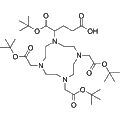
  • DOTA-GA(tBu)4
    Cat. No.
    A41633

    DOTA-GA(tBu)4

    DOTA-GA(tBu)4 is a bifunctional prochelator designed to enhance the stability of radiometals bound to ligands. This compound significantly improves the biodistribution of radiolabeled second-generation Affibody molecules by increasing their net negative charge, which reduces hepatic uptake and enhances tumor-to-blood and tumor-to-liver ratios. DOTA-GA(tBu)4 is particularly relevant for research involving HER2-positive breast and gastrointestinal cancers, facilitating targeted imaging and therapeutic applications.

    10 mg
    $25.00
    25 mg
    $45.00
    All 4 sizes
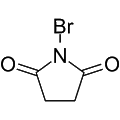
  • 1-Bromo-2,5-pyrrolidinedione
    Cat. No.
    A57324

    1-Bromo-2,5-pyrrolidinedione

    1-Bromo-2,5-pyrrolidinedione acts as a ligand for collagen proteins, serving as a valuable tool in biochemical assays. Its application extends to the investigation of wound healing-related diseases, facilitating insights into the mechanisms underlying tissue repair and regeneration. This compound is essential for researchers exploring therapeutic approaches to enhance wound healing processes.

    1 mg
    $20.00
    100 mg
    $25.00
    All 6 sizes
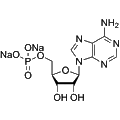
  • Adenosine 5'-monophosphate disodium
    Cat. No.
    A57874

    Adenosine 5'-monophosphate disodium

    Adenosine 5'-monophosphate disodium is a purine nucleotide that plays a pivotal role in ATP metabolism and acts as a ligand for the adenosine 2B receptor. This compound is known to activate AMP-activated protein kinase (AMPK) in skeletal muscle, which can lead to enhanced insulin sensitivity and improved glucose metabolism. Its biological activity makes adenosine 5'-monophosphate disodium a valuable tool for research in diabetes and metabolic disorders.

    100 mg
    $25.00
    500 mg
    $30.00
    All 6 sizes
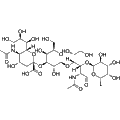
  • Sialyl-Lewis X
    Cat. No.
    A71790

    Sialyl-Lewis X

    Synonyms: sLeX

    Sialyl-Lewis X (sLeX) is a sialylated fucosylated tetrasaccharide that serves as a high-affinity ligand for selectins, including E-, P-, and L-selectin. This compound is critical in mediating cell adhesion and plays a pivotal role in the recruitment of neutrophils to inflammatory sites by binding to ELAM-1 and CD62. Research applications include studying inflammation, immune responses, and potential therapeutic targets for inflammatory diseases.

    1 mg
    $335.00
    5 mg
    $780.00
    All 3 sizes
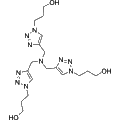
  • Tris(3-hydroxypropyltriazolylmethyl)amine
    Cat. No.
    A86391

    Tris(3-hydroxypropyltriazolylmethyl)amine

    Synonyms: THPTA

    Tris(3-hydroxypropyltriazolylmethyl)amine (THPTA) is a ligand utilized in the copper-catalyzed azide-alkyne cycloaddition (CuAAC) reaction, enhancing reaction efficiency. It also provides protective effects against oxidative stress caused by copper-mediated reduction of oxygen with ascorbate. Furthermore, THPTA offers protection for histidine residues in biomolecules, with the degree of protection correlating to ligand concentration, making it valuable for various biological and chemical research applications.

    50 mg
    $25.00
    100 mg
    $30.00
    All 6 sizes
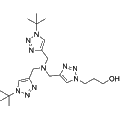
  • BTTP
    Cat. No.
    A86516

    BTTP

    BTTP is a tris(triazolylmethyl)amine-based ligand that enhances the efficiency of copper(I)-catalyzed azide-alkyne cycloaddition (CuAAC), a fundamental reaction in click chemistry. This reagent facilitates the formation of 1,2,3-triazoles, making it a valuable tool for bioconjugation and the synthesis of complex molecules in chemical biology research. BTTP is particularly useful for applications requiring high reaction rates and selectivity in the study of biomolecular interactions.

    10 mg
    $40.00
    25 mg
    $75.00
    All 4 sizes
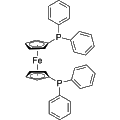
  • DPPF
    Cat. No.
    A86637

    DPPF

    Synonyms: 1,1'-Ferrocenediyl-bis(diphenylphosphine)

    DPPF (1,1'-Ferrocenediyl-bis(diphenylphosphine)) functions as a versatile metal ligand, enhancing the stability of various metal complexes. Its unique structural features enable significant coordination capabilities, making it valuable in coordination chemistry. DPPF is utilized in research applications related to ovarian cancer, contributing to the exploration of metal-based therapeutics and potential treatment strategies.

    1 mg
    $20.00
    25 g
    $30.00
    All 5 sizes
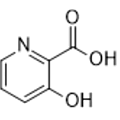
  • 3-Hydroxypicolinic acid
    Cat. No.
    A86766

    3-Hydroxypicolinic acid

    Synonyms: 3-hydroxypyridine-2-carboxylic acid

    3-Hydroxypicolinic acid is a heterocyclic carboxylic acid ligand exhibiting cytotoxic properties, with a minimal inhibitory concentration (MIC90) greater than 25 μg/mL against Mycobacterium tuberculosis H37Rv. This compound demonstrates the ability to inhibit the proliferation of various cancer cell lines as well as normal fibroblasts. It is particularly relevant for research studies focused on chronic myeloid leukemia, human lung adenocarcinoma, and tuberculosis, offering potential insights into therapeutic applications.

    500 mg
    $25.00
    1 g
    $30.00
    All 5 sizes
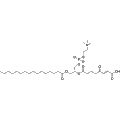
  • KOdiA-PC
    Cat. No.
    A86861

    KOdiA-PC

    KOdiA-PC is a potent ligand for the CD36 scavenger receptor, specifically targeting oxidized low-density lipoprotein (oxLDL) particles. This phosphatidylcholine species features fragmented oxidized short-chain fatty acid residues at the sn-2 position, contributing to its biological activity. KOdiA-PC has been implicated in mediating the cytotoxic and proatherogenic properties of oxLDL, making it invaluable in biochemical assays related to lipid metabolism, cardiovascular research, and atherosclerosis studies. Its unique binding affinity demonstrates its significance in understanding the structural determinants of oxLDL.

    0.5 mg
    $160.00
    1 mg
    $310.00
    All 4 sizes
  • Ferric citrate hydrate
    Cat. No.
    A86867

    Ferric citrate hydrate

    Ferric citrate hydrate functions as an iron supplement and phosphate binder. It is primarily utilized in research related to iron deficiency anemia and chronic kidney disease (CKD). This compound offers significant potential for studying iron metabolism and its implications in various pathological conditions.

    25 g
    $20.00
    50 g
    $30.00
    All 3 sizes
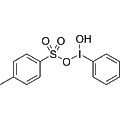
  • [Hydroxy(tosyloxy)iodo]benzene
    Cat. No.
    A87238

    [Hydroxy(tosyloxy)iodo]benzene

    [Hydroxy(tosyloxy)iodo]benzene serves as a versatile biochemical reagent for the mild oxidation of aryl iodides through ligand transfer at the iodine atom. This compound facilitates the one-step conversion of ketones to their corresponding α-tosyloxy derivatives, making it a valuable tool in synthetic organic chemistry. Additionally, as a Bronsted acid, [Hydroxy(tosyloxy)iodo]benzene can catalyze the enolization of ketones, further broadening its application in various research contexts.

    25 g
    $20.00
    All 1 sizes
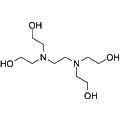
  • N,N,N',N'-Tetrakis(2-hydroxyethyl)ethylenediamine
    Cat. No.
    A87363

    N,N,N',N'-Tetrakis(2-hydroxyethyl)ethylenediamine

    Synonyms: THEED; THEEN

    N,N,N',N'-Tetrakis(2-hydroxyethyl)ethylenediamine (THEED) is a pentadentate chelating ligand that effectively binds to metal ions, forming stable complexes. This compound serves as a valuable building block for organic synthesis, a reagent for metal extraction, and an auxiliary for catalytic reactions. Metal complexes derived from N,N,N',N'-Tetrakis(2-hydroxyethyl)ethylenediamine exhibit significant antibacterial, antifungal, and anticancer properties, making them relevant for research into breast cancer, leukemia, and various microbial infections.

    1 mg
    $20.00
    250 g
    $25.00
    All 3 sizes
  • 2-Benzoylpyridine
    Cat. No.
    A87701

    2-Benzoylpyridine

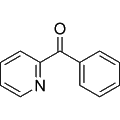
    2-Benzoylpyridine is a biochemical reagent that acts as a ligand for various metal ions due to its carbonyl and heterocyclic nitrogen functionalities. It exhibits significant properties that can facilitate complexation in coordination chemistry and as a potential precursor in organic synthesis. This compound can be employed in studies related to medicinal chemistry and material science, aiding in the design and development of new therapeutic agents and catalysts.

    1 mg
    $20.00
    10 g
    $25.00
    All 6 sizes
  • FAP Ligand 1
    Cat. No.
    A88037

    FAP Ligand 1

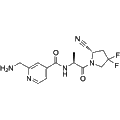
    FAP Ligand 1 is a high-affinity small-molecule ligand that selectively targets fibroblast activation protein (FAP). This reagent is designed for conjugation with therapeutic agents, facilitating targeted delivery to FAP-expressing fibroblasts in cancer research. FAP Ligand 1 also has applications in radiation imaging studies, enhancing the visualization of tumors that express this biomarker.

    1 mg
    $410.00
    5 mg
    $1,050.00
    All 3 sizes
  • p-Aminophenyl β-D-cellobioside
    Cat. No.
    A89406

    p-Aminophenyl β-D-cellobioside

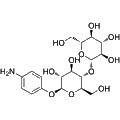
    p-Aminophenyl β-D-cellobioside is a selective affinity ligand targeting cellobiohydrolase, facilitating the study of cellulolytic enzyme interactions. Its ability to bind to cellobiohydrolase makes it a valuable reagent for biochemical assays aimed at investigating cellulose degradation processes. This compound supports research in enzymatic activity and carbohydrate metabolism, enhancing the understanding of lignocellulosic biomass conversion.

    25 mg
    $160.00
    50 mg
    $205.00
    All 3 sizes
  • Mono-6-O-mesitylenesulfonyl-γ-cyclodextrin
    Cat. No.
    A89799

    Mono-6-O-mesitylenesulfonyl-γ-cyclodextrin

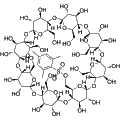
    Mono-6-O-mesitylenesulfonyl-γ-cyclodextrin is a biochemical assay reagent that serves as a versatile ligand for various biological interactions. This compound exhibits binding capabilities, facilitating the study of molecular recognition processes and the enhancement of solubility in biochemical assays. It is applicable in a range of research areas, including drug delivery, enzymatic studies, and the analysis of complex biological systems.

    Out of stock

    All 3 sizes
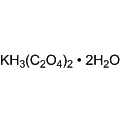
  • Potassium tetraoxalate dihydrate, 99%
    Cat. No.
    A90510

    Potassium tetraoxalate dihydrate, 99%

    Potassium tetraoxalate dihydrate is a biochemical assay reagent that acts as a bidentate ligand, forming stable complexes with metal ions. Its role in chelation enhances the study of metal-related biological processes and enzymatic activities. This compound is commonly utilized in research applications such as metal ion detection and environmental analysis of heavy metals.

    1 mg
    $20.00
    500 g
    $25.00
    All 2 sizes
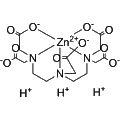
  • ZnDTPA
    Cat. No.
    A91422

    ZnDTPA

    ZnDTPA is a highly effective chelating agent targeting metal ions through its polydentate ligand structure derived from diethylenetriaminepentaacetic acid (DTPA). It forms stable complexes, facilitating the removal of toxic metals and mitigating their biological effects. Research applications include investigations into reducing long-term toxicity of radioactive isotopes, such as 239Pu, and assessing potential reductions in cancer incidence, including osteosarcoma and breast cancer, in animal models.

    Out of stock

    All 3 sizes
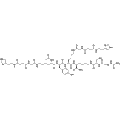
  • IMP 243
    Cat. No.
    A92823

    IMP 243

    IMP 243 is a symmetric di-HSG (histamine-succinyl-glycine) bivalent hapten that features a Tscg-Cys ligand along with two HSG groups. This compound is suitable for radiolabeling with 99mTc-pertechnetate, facilitating its use in imaging studies. Additionally, IMP 243 can be conjugated to various peptides to create bispecific monoclonal antibodies (bsMAbs), making it a valuable tool in cancer research and therapeutic development.

    Out of stock

    All 3 sizes
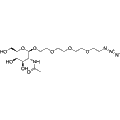
  • β-GalNAc-PEG4-Azide
    Cat. No.
    A94388

    β-GalNAc-PEG4-Azide

    β-GalNAc-PEG4-Azide is a specific ligand for the asialoglycoprotein receptor, linked via a PEG4 spacer and featuring an azide functionality. This compound enables efficient click chemistry applications, facilitating conjugation with various biomolecules for biochemical assays. Its design enhances targeted delivery and is particularly useful in the study of glycoprotein interactions and receptor-mediated endocytosis.

    1 mg
    $100.00
    5 mg
    $305.00
    All 4 sizes
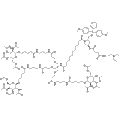
  • GalNAc-L96
    Cat. No.
    A97861

    GalNAc-L96

    GalNAc-L96 is a triantennary N-acetylgalactosamine (GalNAc) that functions as a ligand for the asialoglycoprotein receptor (ASGPR). This compound is primarily utilized for the synthesis of GalNAc-siRNA, facilitating targeted delivery of nucleic acid drugs. Its efficacy in enhancing oligonucleotide delivery makes it a valuable tool for research applications focused on gene silencing and RNA-based therapeutics.

    5 mg
    $80.00
    10 mg
    $145.00
    All 5 sizes
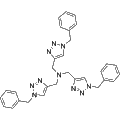
  • Tris(benzyltriazolylmethyl)amine
    Cat. No.
    B15814

    Tris(benzyltriazolylmethyl)amine

    Synonyms: TBTA

    Tris(benzyltriazolylmethyl)amine (TBTA) is a versatile ligand designed for biochemical applications, particularly in the tagging and characterization of proteins and enzymes. Its unique structure enables efficient coordination with metal ions, facilitating studies in bioconjugation and drug delivery. TBTA is essential for researchers exploring protein interactions, enzymatic mechanisms, and other biochemical pathways.

    5 mg
    $25.00
    10 mg
    $40.00
    All 9 sizes
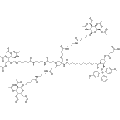
  • GalNAc-L96 free base
    Cat. No.
    B18783

    GalNAc-L96 free base

    GalNAc-L96 free base is a triantennary GalNAc ligand designed to facilitate the delivery of nucleic acid drugs, particularly GalNAc-conjugated siRNA. By targeting the asialoglycoprotein receptor (ASGPR), GalNAc enhances cellular uptake and improves the therapeutic efficacy of RNA-based therapeutics. This compound is valuable for researchers focusing on gene silencing and RNA interference applications.

    Out of stock

    All 3 sizes
  • N,N'-Bis(3-aminopropyl)oxamide
    Cat. No.
    B20841

    N,N'-Bis(3-aminopropyl)oxamide

    N,N'-Bis(3-aminopropyl)oxamide is an oxamide-bridged ligand that serves as a biochemical assay reagent. This compound demonstrates the capability to function as a biocuring agent, facilitating various biochemical interactions. Its utility in research applications includes the study of chemical binding and molecular recognition processes, contributing to advancements in biochemical and therapeutic research.

    Out of stock

    All 3 sizes

Items 1-25 of 26

Added to your cart

View Cart Checkout

    Loading...